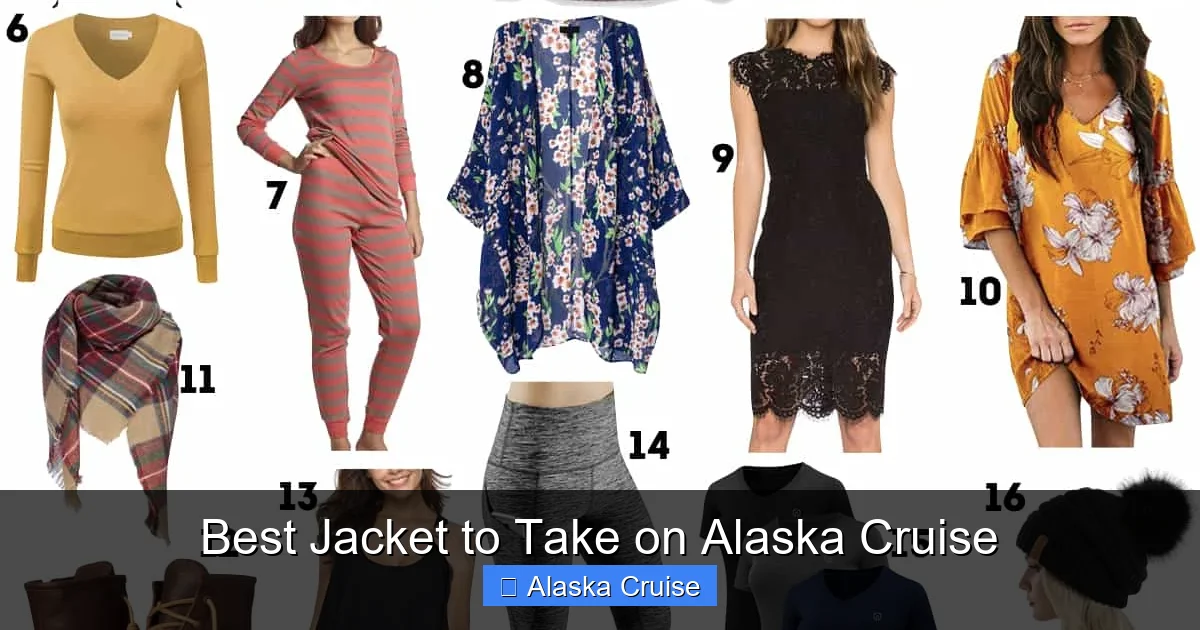
Choosing the best jacket to take on an Alaska cruise is essential for comfort and safety in unpredictable weather. From sudden rain showers to chilly ocean breezes, the right outerwear can make or break your experience. This guide breaks down top jacket types, materials, and features to help you pick the perfect one for your Alaskan adventure.
Key Takeaways
- Layering is key: Alaska’s weather changes fast, so a versatile jacket that works with base and mid-layers is ideal.
- Waterproof and windproof materials matter: Look for jackets made with Gore-Tex or similar breathable, weather-resistant fabrics.
- Insulation depends on cruise timing: Early summer cruises may need lighter insulation, while late-season trips require heavier warmth.
- Packability is a plus: A lightweight, compressible jacket saves space in your luggage and doubles as backup warmth.
- Hood and adjustable features enhance comfort: A well-designed hood, cuffs, and hem help seal out wind and rain.
- Bright colors improve visibility: In foggy or low-light conditions, a colorful jacket helps you stand out during shore excursions.
- Test your jacket before the trip: Make sure it fits well over layers and allows full range of motion for hiking and sightseeing.
📑 Table of Contents
- Why the Right Jacket Makes All the Difference on an Alaska Cruise
- Understanding Alaska’s Cruise Season Weather
- Key Features to Look for in the Best Alaska Cruise Jacket
- Top Jacket Types for Alaska Cruises
- Recommended Jackets for Different Cruise Needs
- Layering Tips to Maximize Your Jacket’s Effectiveness
- Packing Smart: How to Fit Your Jacket in Your Luggage
- Final Tips for Choosing and Using Your Alaska Cruise Jacket
- Conclusion: Your Perfect Alaska Cruise Companion
Why the Right Jacket Makes All the Difference on an Alaska Cruise
Imagine standing on the deck of your cruise ship, surrounded by towering glaciers and misty fjords. The air is crisp, the wind bites at your cheeks, and a light drizzle begins to fall. You’re excited—until you realize your jacket isn’t keeping you warm or dry. That’s when you know: the jacket you brought wasn’t the right one.
Alaska’s coastal climate is famously unpredictable. One moment it’s sunny and calm; the next, a cold front rolls in with rain, wind, and temperatures dropping into the 40s (°F). Whether you’re exploring Juneau, Ketchikan, or Skagway, or taking a scenic train ride through Denali, your outerwear needs to handle it all. The best jacket to take on an Alaska cruise isn’t just about style—it’s about functionality, adaptability, and comfort in extreme conditions.
Unlike tropical cruises where a light windbreaker might suffice, Alaska demands serious preparation. You’ll be stepping off the ship into rugged terrain, boarding Zodiac boats in choppy waters, and hiking through damp forests. Your jacket must protect you from wind, rain, and cold without weighing you down. And since luggage space is limited, it should also be packable and versatile enough to wear in multiple settings—onboard, on shore, and during excursions.
Understanding Alaska’s Cruise Season Weather
Before you pick a jacket, it helps to understand what kind of weather you’re likely to face. Alaska’s cruise season typically runs from May to September, but conditions vary widely depending on the month and region.
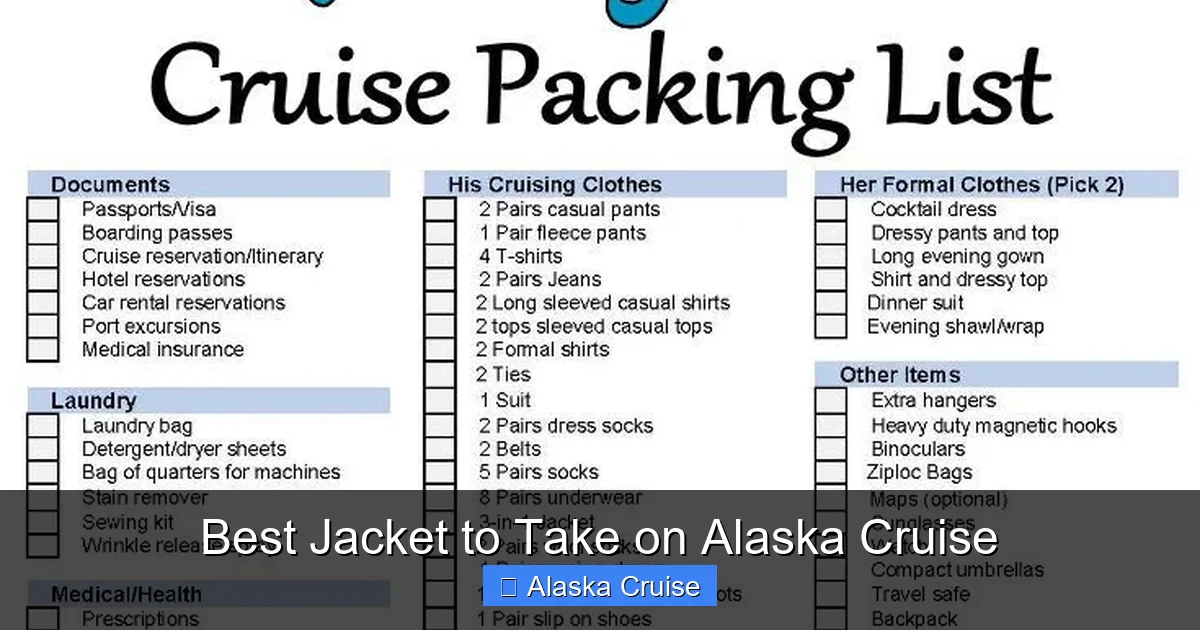
Visual guide about Best Jacket to Take on Alaska Cruise
Image source: i.pinimg.com
Early Season (May–June): Cool and Wet
May and early June are the start of the cruise season. Temperatures range from 40°F to 60°F (4°C to 15°C), but it can feel colder with wind chill. Rain is common, especially in the Inside Passage cities like Ketchikan, which is one of the rainiest places in the U.S. You’ll want a jacket that’s waterproof, wind-resistant, and warm enough for brisk mornings and evenings.
Peak Season (July–August): Mild but Variable
July and August are the warmest months, with daytime highs reaching 60°F to 70°F (15°C to 21°C). However, don’t be fooled—nights are still cool, and sudden weather shifts are frequent. Afternoon thunderstorms and coastal fog are common. This is when a mid-weight, breathable jacket with good ventilation becomes essential. You’ll want something that can handle a sudden downpour but won’t make you overheat during a sunny hike.
Late Season (September): Chilly and Unpredictable
By September, temperatures start to drop again, often ranging from 35°F to 55°F (2°C to 13°C). Frost is possible in inland areas, and rain turns to sleet or even snow at higher elevations. If you’re cruising late in the season, you’ll need a warmer, insulated jacket—especially if you plan to visit places like Glacier Bay or take a flightseeing tour over Denali.
Microclimates and Coastal Effects
Alaska’s geography creates microclimates. Coastal towns like Juneau may be rainy and cool, while inland areas like Haines can be drier and sunnier. The Gulf of Alaska brings moisture-laden winds, while mountain ranges block or redirect weather systems. This means you could experience four seasons in one day. A jacket that adapts to changing conditions is your best bet.
Key Features to Look for in the Best Alaska Cruise Jacket
Not all jackets are created equal—especially when it comes to surviving an Alaskan cruise. Here are the must-have features to prioritize when shopping.
Waterproof and Breathable Fabric
The number one rule: your jacket must be waterproof. Look for materials like Gore-Tex, eVent, or proprietary membranes from brands like Patagonia (H2No) or The North Face (DryVent). These fabrics keep rain and snow out while allowing sweat to escape, so you don’t end up damp from the inside.
Waterproof ratings matter too. A jacket with a 10,000mm waterproof rating can handle moderate rain, while 20,000mm or higher is ideal for heavy downpours. For Alaska, aim for at least 10,000mm—but higher is better if you plan on active excursions.
Windproof Construction
Wind chill can drop the temperature by 10–15°F, making a 50°F day feel like 35°F. A windproof jacket is essential, especially on open decks or during boat rides. Look for tightly woven fabrics or laminated layers that block wind without sacrificing breathability.
Insulation: Down vs. Synthetic
Insulation keeps you warm, but the type matters. Down is lightweight and highly compressible, making it great for packability. However, it loses insulating power when wet—a real risk in Alaska’s damp climate. Synthetic insulation, like PrimaLoft or Thermolite, retains warmth even when damp and dries faster. For most cruisers, a synthetic-insulated jacket or a hybrid (down with synthetic panels) offers the best balance.
Hood Design and Adjustability
A good hood is non-negotiable. It should be adjustable with drawcords to fit snugly over a hat or helmet. A stiffened brim helps shed rain away from your face, and a high collar protects your neck. Some jackets even have helmet-compatible hoods—useful if you’re planning glacier hikes or kayaking.
Zippered Pockets and Ventilation
Hand-warmer pockets are a must, especially on chilly mornings. Look for zippered pockets to keep essentials like your phone, passport, or snacks secure. Underarm zips or mesh-lined vents help regulate temperature during active outings, preventing overheating.
Fit and Mobility
Your jacket should fit comfortably over layers—think base layer, fleece, and maybe a light sweater. A slightly roomy cut allows for movement during hikes or climbing in and out of tenders. Avoid anything too tight or restrictive. Articulated sleeves and gusseted underarms improve range of motion.
Packability and Weight
Since you’ll be carrying your jacket during excursions, it should be lightweight and easy to pack. Many modern shells and insulated jackets compress into their own pockets or a small stuff sack. This is especially helpful if you’re bringing multiple layers or limited luggage.
Top Jacket Types for Alaska Cruises
With so many options on the market, it helps to know which types of jackets work best for Alaska’s conditions.
3-Layer Shell Jackets
These are the gold standard for serious weather protection. Made with a durable outer layer, a waterproof membrane, and a soft inner lining, 3-layer shells like the Arc’teryx Beta LT or Patagonia Torrentshell 3L offer maximum durability and weather resistance. They’re ideal for rainy days, boat rides, and hiking in wet conditions. Pair them with insulating mid-layers for warmth.
Insulated Rain Jackets
For those who want warmth and weather protection in one, insulated rain jackets are a smart choice. Brands like Columbia, Marmot, and Helly Hansen offer models with built-in synthetic insulation. The Helly Hansen Paramount Jacket, for example, combines waterproof Helly Tech fabric with PrimaLoft insulation—perfect for chilly, damp days.
Softshell Jackets
Softshells are more breathable and flexible than hardshells, making them great for active days. They’re water-resistant (not fully waterproof), so they work well in light rain or dry conditions. The North Face Apex Flex or Outdoor Research Ferrosi are excellent options for hiking or exploring towns when the weather is mild.
Packable Down or Synthetic Puffers
These are ideal as mid-layers or standalone jackets on warmer days. The Patagonia Down Sweater or Arc’teryx Cerium LT are lightweight, warm, and compress into tiny bundles. Use them under a shell for extra warmth or wear them on deck during calm evenings. Just remember: down loses insulation when wet, so keep it dry.
Hybrid Jackets
Hybrid jackets combine different materials in strategic zones—waterproof panels on the shoulders and chest, breathable fabric on the sides and back. This design offers weather protection where you need it most while improving ventilation. The Arc’teryx Gamma MX is a popular hybrid that works well for variable conditions.
Recommended Jackets for Different Cruise Needs
Here are some top picks based on common cruise scenarios.
Best All-Around Jacket: Patagonia Torrentshell 3L
This jacket checks every box: waterproof, breathable, windproof, and packable. Made with 3-layer H2No fabric, it handles heavy rain and strong winds with ease. It has a helmet-compatible hood, zippered pockets, and underarm vents. At just 15 ounces, it’s light enough for daily wear but tough enough for glacier hikes. It’s also made from recycled materials, appealing to eco-conscious travelers.
Best for Cold Weather: Arc’teryx Beta AR
If you’re cruising in May or September, or planning high-altitude excursions, the Beta AR is a top-tier choice. This Gore-Tex Pro shell is built for extreme conditions, with reinforced shoulders and elbows for durability. It’s fully waterproof, highly breathable, and designed to layer over heavy insulation. It’s pricier, but worth it for serious adventurers.
Best Budget Option: Columbia Watertight II
Don’t let the price fool you—this jacket offers solid performance for under $100. It’s fully waterproof with Omni-Tech fabric, has a removable hood, and comes in a variety of colors. It’s not as breathable as premium shells, but it’s a great value for casual cruisers who want reliable rain protection.
Best for Layering: The North Face ThermoBall Eco Jacket
This synthetic-insulated puffer uses ThermoBall technology, which mimics down’s warmth but performs better in wet conditions. It’s lightweight, compressible, and made from recycled materials. Wear it under a shell for extra warmth or on its own during milder days. It’s perfect for travelers who want versatility.
Best for Active Excursions: Outdoor Research Helium Rain Jacket
Weighing just 6.5 ounces, this ultralight shell is ideal for hikers and kayakers. It packs into its own pocket and offers solid waterproof protection with Pertex Shield fabric. It’s not as durable as heavier shells, but it’s perfect for stashing in your daypack for sudden weather changes.
Layering Tips to Maximize Your Jacket’s Effectiveness
The best jacket to take on an Alaska cruise works best as part of a layering system. Think of it as a three-layer defense against the elements.
Base Layer: Moisture-Wicking Foundation
Start with a moisture-wicking base layer made of merino wool or synthetic fabric. Avoid cotton—it traps sweat and takes forever to dry. Merino wool, like Smartwool or Icebreaker, is naturally odor-resistant and warm even when damp. A lightweight long-sleeve top is perfect for most days.
Mid Layer: Insulation on Demand
Your mid layer provides warmth. Fleece jackets, like the Patagonia R1 or Columbia Steens Mountain, are affordable and effective. For colder days, add a lightweight down or synthetic puffer. The key is to choose layers that zip easily and don’t restrict movement. You should be able to add or remove them quickly as conditions change.
Outer Layer: Your Weather Shield
This is where your jacket comes in. It should be windproof, waterproof, and breathable. Make sure it fits over your base and mid layers without feeling tight. A good rule of thumb: if you can’t comfortably raise your arms or bend over, it’s too small.
Bonus: Accessorize for Comfort
Don’t forget the extras: a warm hat, waterproof gloves, and a scarf or neck gaiter. A buff or beanie can make a big difference on windy decks. Waterproof boots with good traction are also essential for slippery docks and trails.
Packing Smart: How to Fit Your Jacket in Your Luggage
Space is limited on cruises, so pack wisely. Here’s how to make the most of your suitcase.
Roll, Don’t Fold
Rolling your jacket (and other clothes) saves space and reduces wrinkles. Use packing cubes to organize layers and keep your jacket accessible.
Wear Your Bulkiest Items
Wear your jacket and boots on travel days to free up suitcase space. This also ensures you have them ready for arrival.
Use Compression Bags
If your jacket doesn’t come with a stuff sack, use a compression bag to shrink it down. This is especially helpful for puffer jackets.
Pack a Backup
Consider bringing a lightweight packable windbreaker or rain shell as a backup. It’s small, cheap insurance against unexpected weather.
Final Tips for Choosing and Using Your Alaska Cruise Jacket
Before you finalize your choice, keep these practical tips in mind.
Try It On with Layers
Don’t buy a jacket online without testing it over your base and mid layers. Move around—raise your arms, squat, zip and unzip. Make sure it’s comfortable and functional.
Check the Return Policy
If you’re ordering online, choose retailers with easy returns. You don’t want to be stuck with a jacket that doesn’t fit or perform as expected.
Break It In Before the Trip
Wear your jacket on hikes or walks before your cruise. This helps you identify any fit or comfort issues and ensures it’s ready for action.
Care for Your Jacket
Follow care instructions to maintain waterproofing. Reapply DWR (durable water repellent) treatment as needed. Most jackets can be refreshed with a wash and tumble dry on low.
Stay Visible
Choose a jacket in a bright color like red, orange, or yellow. In foggy or low-light conditions, visibility is crucial for safety during shore excursions.
Conclusion: Your Perfect Alaska Cruise Companion
The best jacket to take on an Alaska cruise isn’t just a piece of clothing—it’s your shield against the elements, your companion on adventures, and a key part of your travel comfort. Whether you’re marveling at glaciers, hiking through temperate rainforests, or sipping coffee on the deck at sunrise, the right jacket ensures you stay warm, dry, and ready for anything.
Focus on waterproofing, breathability, and layering compatibility. Choose a jacket that fits your cruise timing, activity level, and personal style. And don’t forget the small details—hood design, pocket placement, and packability can make a big difference.
With the right jacket, you’ll be prepared for Alaska’s wild beauty—no matter what the weather throws your way. So pack smart, dress in layers, and get ready for the cruise of a lifetime.
Frequently Asked Questions
What’s the best type of jacket for an Alaska cruise?
The best jacket is a waterproof, breathable shell made with materials like Gore-Tex or eVent. It should be windproof, packable, and work well with layering systems for changing conditions.
Do I need a heavy winter jacket for Alaska?
Not necessarily. Most cruise-season days range from 40°F to 70°F. A mid-weight insulated or shell jacket with layering options is usually sufficient. Save heavy winter coats for extreme cold or winter travel.
Can I wear a down jacket in Alaska?
Yes, but only if it stays dry. Down loses insulation when wet, so it’s best used as a mid-layer under a waterproof shell or on dry, calm days. Synthetic insulation is safer for damp conditions.
Should my jacket have a hood?
Absolutely. A well-designed hood with adjustable drawcords and a stiffened brim helps protect your face and neck from rain and wind. Look for helmet-compatible styles if you plan active excursions.
How many jackets should I bring on an Alaska cruise?
One high-quality, versatile jacket is usually enough. Pair it with layering pieces like a fleece and base layer. Bring a lightweight packable shell as backup if space allows.
What color jacket is best for Alaska?
Bright colors like red, orange, or yellow improve visibility in fog, rain, or low-light conditions. They’re safer during shore excursions and help you stand out in photos against Alaska’s dramatic landscapes.