Planning the best itinerary for Alaskan cruise travel ensures you see glaciers, wildlife, and charming coastal towns. This guide covers top routes, must-see stops, and insider tips to help you choose the perfect 7- to 14-day voyage through America’s last frontier.
Key Takeaways
- Choose between Inside Passage and Gulf of Alaska routes: Inside Passage cruises focus on lush forests and wildlife, while Gulf routes include glacier-heavy ports like Hubbard and College Fjords.
- 7-day itineraries are ideal for first-timers: Most popular cruises last a week, hitting key ports like Juneau, Skagway, and Ketchikan with glacier viewing in Tracy Arm or Endicott Arm.
- Book early for better cabin selection and pricing: Alaska cruises fill up fast, especially during peak season (May to September), so reserve 6–12 months in advance.
- Pack layers and waterproof gear: Weather changes quickly—bring a rain jacket, warm layers, and sturdy shoes for shore excursions.
- Opt for a cruise line that offers expert naturalists: Ships with onboard naturalists enhance your experience with wildlife spotting and educational talks.
- Consider a one-way (open-jaw) cruise for flexibility: These itineraries start in Seattle or Vancouver and end in Seward or Whittier, often paired with a land tour.
- Don’t skip Denali National Park if extending your trip: Adding a 2–3 day land tour lets you explore Alaska’s interior and see North America’s tallest peak.
📑 Table of Contents
- Why an Alaskan Cruise Should Be on Your Bucket List
- Understanding Alaskan Cruise Routes: Inside Passage vs. Gulf of Alaska
- Top Ports of Call on the Best Alaskan Cruise Itineraries
- Choosing the Right Cruise Line and Ship
- Best Time to Take an Alaskan Cruise
- Packing Tips and What to Expect Onboard
- Extending Your Trip: Adding a Land Tour
- Final Thoughts: Crafting Your Perfect Alaskan Cruise
Why an Alaskan Cruise Should Be on Your Bucket List
Imagine cruising through icy fjords where towering glaciers calve into the sea, spotting humpback whales breaching just off the ship’s bow, and stepping ashore in historic gold rush towns where the past feels alive. An Alaskan cruise offers all this and more—nature at its most raw and beautiful, combined with the comfort and convenience of a floating hotel. Whether you’re a nature lover, adventure seeker, or simply craving a break from the ordinary, Alaska delivers an experience unlike any other.
Unlike land-based vacations, a cruise lets you see vast stretches of coastline, remote islands, and dramatic landscapes without constantly packing and unpacking. You wake up in a new port each morning, often greeted by bald eagles soaring overhead or sea lions lounging on rocky shores. Plus, with meals, entertainment, and expert-led excursions included, it’s one of the most stress-free ways to explore this rugged wilderness. But with so many cruise lines, ships, and routes to choose from, finding the best itinerary for Alaskan cruise travel can feel overwhelming. That’s where this guide comes in—to help you navigate your options and pick the perfect voyage.
Understanding Alaskan Cruise Routes: Inside Passage vs. Gulf of Alaska
Alaska cruises generally fall into two main route categories: the Inside Passage and the Gulf of Alaska. Each offers a unique perspective on the state’s diverse landscapes, wildlife, and culture. Choosing between them depends on your interests, time, and travel style.
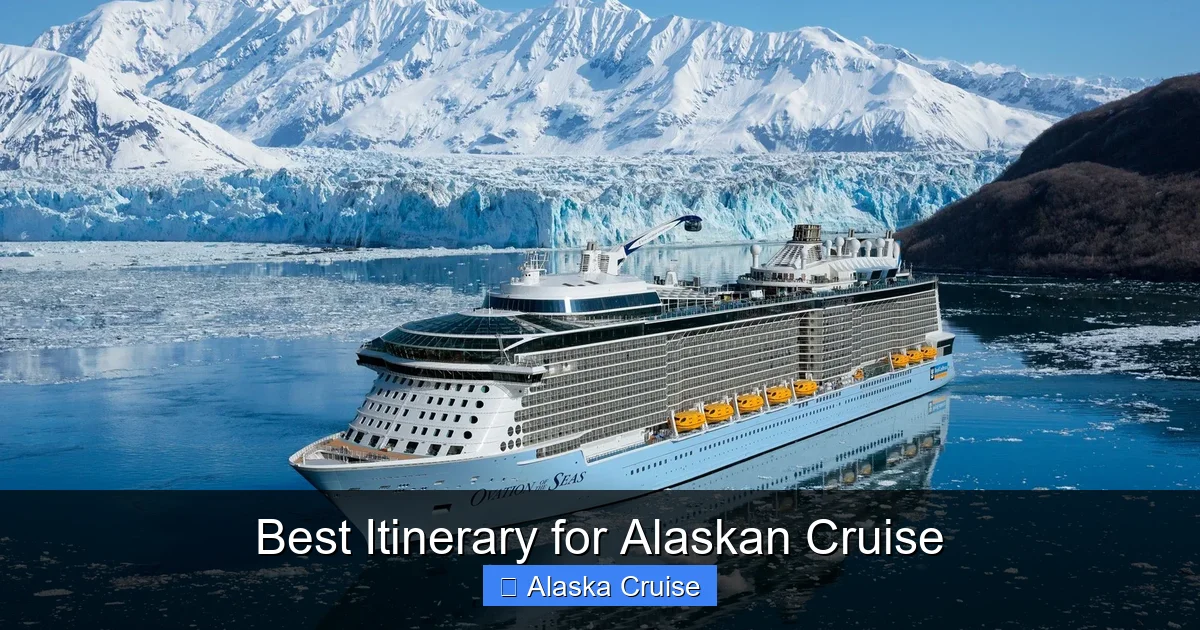
Visual guide about Best Itinerary for Alaskan Cruise
Image source: royalcaribbeanblog.com
Inside Passage Cruises: Lush Forests and Coastal Charm
The Inside Passage is a network of protected waterways that wind through southeastern Alaska, hugging the coast and passing through dense temperate rainforests, quiet inlets, and charming port towns. These cruises typically depart from Seattle or Vancouver and visit ports like Ketchikan, Juneau, and Skagway. The scenery is lush and green, with frequent wildlife sightings—think orcas, sea otters, and black bears foraging along the shoreline.
One of the biggest draws of the Inside Passage is its accessibility. Ships can navigate narrow channels and get close to glaciers like the Sawyer Glaciers in Tracy Arm or the Dawes Glacier in Endicott Arm. These fjords are narrow and dramatic, with steep cliffs rising from the water and icebergs floating in the still blue sea. Many cruises also include a stop in Victoria, British Columbia, adding a touch of European charm to the journey.
Gulf of Alaska Cruises: Glacier Giants and Open Waters
Gulf of Alaska itineraries are longer—usually 9 to 14 days—and venture further north into the open waters of the Pacific. These cruises often start in Vancouver or Seattle and end in Seward or Whittier (near Anchorage), or vice versa. This “open-jaw” format allows travelers to combine their cruise with a land tour of Denali National Park or the Kenai Fjords.
The highlight of a Gulf cruise is the chance to see some of Alaska’s most massive glaciers. Hubbard Glacier, one of the largest tidewater glaciers in North America, is a frequent stop. Ships often spend hours cruising near its towering blue face, waiting for calving events that send ice crashing into the water. College Fjord, near Whittier, offers a stunning display of hanging glaciers and alpine scenery. These routes also include ports like Ketchikan, Juneau, and Skagway, but with more time at sea and greater emphasis on glacier viewing.
Which Route Is Right for You?
If you’re short on time or prefer a classic coastal experience with frequent port stops, the Inside Passage is ideal. It’s perfect for families, first-time cruisers, and those who enjoy exploring towns and cultural sites. On the other hand, if you’re drawn to epic glaciers and don’t mind longer sea days, a Gulf of Alaska cruise offers a more dramatic and immersive wilderness experience. Many travelers choose a one-way Gulf cruise and extend their trip with a land tour for the full Alaska adventure.
Top Ports of Call on the Best Alaskan Cruise Itineraries
No matter which route you choose, certain ports stand out as must-see destinations. Each offers a unique blend of natural beauty, history, and adventure. Here’s a closer look at the most popular stops and what makes them special.
Ketchikan: The Salmon Capital of the World
Often the first stop on Inside Passage cruises, Ketchikan is known for its vibrant Native American culture, totem poles, and abundant wildlife. Located on Revillagigedo Island, this charming town sits at the southern tip of Alaska and is surrounded by lush rainforest and rushing streams.
One of the best ways to experience Ketchikan is by taking a guided tour to Totem Bight State Historical Park, where restored totem poles tell stories of Tlingit, Haida, and Tsimshian heritage. You can also visit the historic Creek Street, a boardwalk built over a creek in the early 1900s, now lined with shops and cafes. For adventure seekers, options include kayaking through Misty Fjords National Monument, fishing for salmon, or taking a seaplane tour over the rugged coastline. Don’t miss the chance to try fresh-caught salmon—grilled, smoked, or in chowder—it’s a local specialty.
Juneau: Alaska’s Capital with Wild Surroundings
Juneau is unique—it’s the only U.S. capital inaccessible by road. You can only reach it by plane or boat, which adds to its remote, adventurous feel. Nestled between the Gastineau Channel and towering mountains, Juneau offers a mix of urban amenities and wild landscapes.
One of the top attractions is the Mendenhall Glacier, a 13-mile-long glacier just 12 miles from downtown. Visitors can walk the trails around the glacier, spot black bears fishing for salmon, or take a guided ice trek across the glacier’s surface. Another popular excursion is whale watching—Juneau is one of the best places in Alaska to see humpback whales, especially in summer when they feed in the nutrient-rich waters. For history buffs, a visit to the Alaska State Museum or a ride on the Mount Roberts Tramway offers panoramic views and cultural insights.
Skagway: Gateway to the Klondike Gold Rush
Step back in time in Skagway, a well-preserved gold rush town that buzzed with prospectors in the late 1800s. Today, its wooden boardwalks, false-front buildings, and historic saloons give it a Wild West vibe that’s hard to resist.
The main attraction is the White Pass and Yukon Route Railway, a narrow-gauge railroad that climbs 2,865 feet through steep mountain passes. The scenic train ride offers breathtaking views of waterfalls, gorges, and alpine meadows—and it’s one of the few ways to reach the Canadian border without a passport. Many travelers combine the train with a bus tour into the Yukon Territory, visiting sites like Bennett Lake and the historic town of Carcross. For a more active adventure, consider hiking the Chilkoot Trail or taking a dog sledding tour with real Alaskan huskies.
Glacier Bay National Park: A UNESCO World Heritage Site
One of the most awe-inspiring stops on any Alaskan cruise is Glacier Bay National Park. This protected wilderness spans over 3.3 million acres and is home to massive tidewater glaciers, humpback whales, and brown bears. Most ships spend a full day cruising through the park, often accompanied by a National Park Service ranger who provides commentary on the geology, wildlife, and conservation efforts.
The park’s centerpiece is the Grand Pacific Glacier, which calves frequently, sending icebergs into the bay. You might also see Johns Hopkins Glacier or Margerie Glacier, both known for their striking blue ice and dramatic calving events. Wildlife sightings are common—keep an eye out for sea otters, harbor seals, and even the occasional black bear along the shoreline. The silence of the bay, broken only by the crack of ice, makes this a truly unforgettable experience.
Seward and Whittier: Portals to the Kenai Fjords
These two ports, located near Anchorage, are the gateways to the Kenai Fjords National Park. Seward is a quaint fishing town with a scenic harbor, while Whittier is a small community accessible through a tunnel. Both offer access to some of Alaska’s most dramatic coastal scenery.
From Seward, many travelers take a boat tour into the Kenai Fjords to see glaciers, sea caves, and marine wildlife up close. You might spot puffins, sea lions, and even orcas. For a longer adventure, consider a kayaking trip or a guided hike on the Exit Glacier. Whittier, on the other hand, is the starting point for cruises heading into College Fjord or Hubbard Glacier. It’s also a common disembarkation point for travelers planning to explore Anchorage or Denali.
Choosing the Right Cruise Line and Ship
With so many cruise lines offering Alaskan voyages, picking the right one can make or break your experience. Each company has its own style, amenities, and approach to excursions. Here’s what to consider when making your choice.
Mainstream vs. Luxury vs. Expedition Cruises
Mainstream cruise lines like Holland America, Princess, and Royal Caribbean offer large ships with plenty of dining options, entertainment, and family-friendly activities. These are great for first-time cruisers or families who want a mix of relaxation and adventure. They often include naturalist-led programs and a variety of shore excursions.
Luxury lines such as Seabourn, Crystal, and Regent Seven Seas provide smaller ships with higher staff-to-guest ratios, gourmet dining, and more personalized service. These cruises tend to have longer port stays and more intimate wildlife viewing experiences. They’re ideal for travelers who want comfort and exclusivity.
Expedition cruises, offered by companies like Lindblad Expeditions, UnCruise Adventures, and Hurtigruten, focus on adventure and education. These smaller ships can access remote areas and often include expert naturalists, photographers, and marine biologists on board. Excursions might include Zodiac landings, kayaking, or hiking in untouched wilderness. If you’re passionate about nature and want a hands-on experience, an expedition cruise might be the best fit.
Ship Size and Itinerary Flexibility
Ship size matters in Alaska. Larger ships can’t enter narrow fjords or get as close to glaciers, while smaller ships offer more maneuverability and closer wildlife encounters. For example, a 3,000-passenger ship might view Hubbard Glacier from a distance, while a 200-passenger expedition vessel can glide right up to the ice.
Also consider the itinerary’s pacing. Some cruises spend only a few hours in port, while others offer full-day excursions. If you want to hike, fish, or take a flightseeing tour, look for itineraries with longer port calls. Princess Cruises, for instance, often includes “scenic cruising” days where the ship slows down to let passengers enjoy the views—perfect for photography and wildlife spotting.
Onboard Enrichment and Naturalist Programs
One of the best parts of an Alaskan cruise is learning about the region’s ecology and culture. Many ships feature onboard naturalists who give daily lectures, lead wildlife watches, and help identify birds and marine life. Holland America’s “Explorations Central” program and Princess’s “Discovery at SEA” initiative are excellent examples.
Some lines also partner with local organizations. For instance, UnCruise Adventures works with the Alaska SeaLife Center, and Lindblad Expeditions collaborates with National Geographic. These partnerships often result in exclusive excursions, behind-the-scenes access, and educational content that deepens your understanding of Alaska.
Best Time to Take an Alaskan Cruise
Alaska’s cruise season runs from May to September, but each month offers a different experience. Choosing the right time depends on your priorities—whether it’s wildlife, weather, or fewer crowds.
May and Early June: Fewer Crowds and Spring Awakening
Cruising in May or early June means smaller crowds, lower prices, and the chance to see Alaska in spring. The landscape is lush and green, and wildlife is active as animals emerge from winter. You might see newborn calves among whale pods or bears foraging for early berries. However, some excursions may be limited due to lingering snow, and weather can be unpredictable.
Mid-June to August: Peak Season for Wildlife and Weather
This is the most popular time to cruise Alaska. The weather is mild, with long daylight hours—up to 18 hours of sun in Juneau. Wildlife is abundant: whales are feeding, bears are fishing for salmon, and migratory birds fill the skies. All excursions are typically available, and ports are fully operational. The trade-off is higher prices and more tourists, especially in popular towns like Skagway and Juneau.
September: Fall Colors and Calm Seas
Late-season cruises in September offer a quieter, more reflective experience. The crowds have thinned, and the landscape begins to turn golden as the leaves change. You might see moose in the tundra or bald eagles gathering near rivers. Weather is still generally pleasant, though it can be cooler and rainier. Some remote excursions may be limited, but glacier viewing remains excellent.
Packing Tips and What to Expect Onboard
Packing for an Alaskan cruise requires preparation. The weather can shift from sunny to stormy in minutes, and shore excursions often involve walking on uneven terrain or getting wet.
Essential Clothing and Gear
Layering is key. Start with a moisture-wicking base layer, add a fleece or sweater, and top it off with a waterproof and windproof outer shell. Bring a warm hat, gloves, and a scarf—even in summer, it can be chilly on deck. Waterproof boots with good traction are a must for wet docks and muddy trails. Don’t forget sunglasses, sunscreen, and binoculars for wildlife viewing.
Most ships have casual dress codes during the day, but some offer formal nights. Pack at least one nice outfit if you plan to dine in the main restaurant. Many excursions require advance booking, so check your cruise line’s website before you go.
Onboard Experience: Dining, Entertainment, and Relaxation
Modern cruise ships offer a wide range of dining options, from casual buffets to specialty restaurants. Many feature Alaskan seafood—try the king crab, halibut, or fresh salmon. Entertainment varies by line but often includes live music, comedy shows, and educational lectures.
Don’t forget to take time to relax. Find a quiet spot on deck with a warm drink and watch the coastline glide by. Many ships have observation lounges, hot tubs, and spa services. Some even offer yoga classes or meditation sessions with views of the glaciers.
Extending Your Trip: Adding a Land Tour
For many travelers, the best itinerary for Alaskan cruise travel includes a land extension. Combining a cruise with a 2–3 day tour of Denali National Park or the Kenai Peninsula gives you a fuller picture of Alaska’s diversity.
Denali National Park: Home of North America’s Highest Peak
Denali is a must-see for nature lovers. The park spans over 6 million acres and is home to grizzly bears, moose, caribou, and Dall sheep. Most tours include a bus ride deep into the park, where you can hike, take a ranger-led walk, or simply soak in the views of Denali (formerly Mount McKinley), which rises 20,310 feet above sea level.
Many cruise lines offer seamless packages that include transportation from Seward or Whittier to Denali, often via the scenic Alaska Railroad. You’ll stay in lodges near the park and enjoy guided excursions. Some tours even include a flightseeing trip over the mountain for a bird’s-eye view.
Kenai Peninsula: Glaciers, Wildlife, and Coastal Beauty
If you’re more interested in coastal adventures, consider a land tour of the Kenai Peninsula. This region includes Seward, Homer, and the Kenai Fjords. Activities range from glacier hiking and kayaking to fishing and wildlife cruises. You might even take a bear-viewing tour in Katmai National Park or visit the Alaska SeaLife Center in Seward.
Combining a cruise with a land tour gives you the best of both worlds: the comfort of a ship and the depth of a wilderness experience. It’s the ultimate way to see Alaska.
Final Thoughts: Crafting Your Perfect Alaskan Cruise
Choosing the best itinerary for Alaskan cruise travel is about matching your interests, time, and budget to the right route, ship, and season. Whether you’re drawn to the lush forests of the Inside Passage or the icy grandeur of the Gulf of Alaska, there’s a voyage that’s perfect for you.
Start by deciding how much time you have and what you want to see—glaciers, wildlife, history, or a mix of everything. Then compare cruise lines, read reviews, and book early for the best selection. Don’t forget to pack wisely and consider adding a land tour for a complete Alaskan adventure. With the right planning, your cruise will be more than a vacation—it’ll be a journey into one of the world’s last great wildernesses.
Frequently Asked Questions
What is the best month to take an Alaskan cruise?
The best time is typically mid-June to August, when weather is mild, wildlife is active, and all excursions are available. May and September offer fewer crowds and lower prices, but with cooler temperatures and limited activities.
How long should an Alaskan cruise be?
Most travelers choose 7-day cruises for a classic experience, but 9- to 14-day itineraries offer more glacier viewing and remote ports. Longer cruises are ideal for those who want a deeper exploration of Alaska.
Do I need a passport for an Alaskan cruise?
If your cruise starts and ends in the same U.S. port (like Seattle), a passport is not required—but it’s highly recommended in case of emergencies. Cruises that visit Canada or end in different U.S. ports may require a passport.
What should I pack for an Alaskan cruise?
Pack layers, a waterproof jacket, warm hat, gloves, sturdy waterproof boots, binoculars, and sunscreen. Even in summer, temperatures can drop, especially on deck or during excursions.
Can I see whales on an Alaskan cruise?
Yes! Humpback whales, orcas, and gray whales are commonly spotted, especially in summer. Juneau, Icy Strait Point, and the waters near Glacier Bay are prime whale-watching areas.
Are Alaskan cruises family-friendly?
Absolutely. Many cruise lines offer kids’ clubs, family excursions, and educational programs. Ports like Ketchikan and Skagway have activities for all ages, from gold panning to wildlife tours.