Planning your first Alaska cruise? The best itinerary balances iconic glaciers, wildlife viewing, and charming ports like Juneau, Skagway, and Ketchikan. A 7-day roundtrip from Seattle or Vancouver offers the perfect mix of adventure, scenery, and onboard comfort for new cruisers.
Dreaming of snow-capped peaks, towering glaciers, and breaching whales? An Alaska cruise is one of the most unforgettable ways to experience the Last Frontier. But if it’s your first time, the sheer number of cruise lines, itineraries, and ports can feel overwhelming. Don’t worry—you’re not alone. Thousands of first-time cruisers set sail to Alaska each year, and with the right planning, your trip can be smooth, scenic, and absolutely magical.
Alaska’s rugged coastline, abundant wildlife, and dramatic landscapes make it a bucket-list destination. Unlike tropical cruises, an Alaska voyage is less about lounging by the pool and more about soaking in nature’s grandeur. You’ll sail through narrow fjords, watch glaciers calve into the sea, and explore charming towns steeped in Gold Rush history. The key to a great first-time experience? Picking the right itinerary—one that gives you the best of Alaska without overloading your schedule.
That’s where this guide comes in. We’ve crafted the ultimate Alaska cruise itinerary for first-timers, focusing on the perfect balance of must-see sights, manageable pacing, and practical tips. Whether you’re sailing from Seattle, Vancouver, or Anchorage, this plan will help you make the most of your 7-day adventure. From glacier viewing to wildlife spotting, cultural immersion to onboard relaxation, you’ll experience the best of Alaska with confidence and ease.
Key Takeaways
- Choose a 7-day roundtrip cruise: Ideal for first-timers, offering a balanced mix of sea days and port stops without feeling rushed.
- Depart from Seattle or Vancouver: These homeports provide easy access, great pre- and post-cruise options, and reliable departure schedules.
- Prioritize Glacier Bay and Hubbard Glacier: These are must-see natural wonders that define the Alaska cruise experience.
- Visit Juneau, Skagway, and Ketchikan: These three ports offer the best blend of culture, history, wildlife, and outdoor adventure.
- Book excursions in advance: Popular tours like whale watching, dog sledding, and glacier hikes fill up quickly—reserve early.
- Pack layers and waterproof gear: Alaska’s weather is unpredictable; being prepared ensures comfort in all conditions.
- Opt for a mid-size or large ship: Offers more amenities, stability in rough waters, and better dining and entertainment options.
📑 Table of Contents
Why a 7-Day Roundtrip Cruise Is Best for First-Timers
If you’re new to cruising—or new to Alaska—a 7-day roundtrip cruise is your golden ticket. It’s long enough to see the highlights, but short enough to avoid fatigue or boredom. Most first-time cruisers find that seven days strikes the perfect balance between adventure and relaxation.
Roundtrip itineraries mean you start and end in the same city, which simplifies travel logistics. You won’t need to book one-way flights or worry about transferring between airports and ports. Plus, departing from major hubs like Seattle or Vancouver gives you access to a wide range of cruise lines, departure dates, and pre-cruise hotel options.
These cruises typically include two full sea days and three to four port stops. That rhythm allows you to unwind on the ship, enjoy the views, and recharge between excursions. You’ll also have time to explore onboard amenities—think live shows, cooking demos, and lectures about Alaska’s wildlife and geology.
One of the biggest advantages of a 7-day trip is the pacing. You’re not rushing from one port to the next. Instead, you get to savor each experience, whether it’s watching a glacier calve at Hubbard Glacier or strolling through Skagway’s historic downtown. For first-timers, this relaxed schedule reduces stress and increases enjoyment.
Sample 7-Day Itinerary: Seattle to Seattle
Here’s a classic and highly recommended 7-day roundtrip itinerary departing from Seattle:
- Day 1: Depart Seattle – Board your ship in the afternoon, enjoy a welcome dinner, and set sail through Puget Sound.
- Day 2: At Sea – Relax, attend onboard lectures, and prepare for your first glacier encounter.
- Day 3: Ketchikan – Explore this rainforest port known for totem poles, salmon, and the famous Creek Street.
- Day 4: Tracy Arm Fjord & Juneau – Cruise through the stunning Tracy Arm fjord, then dock in Alaska’s capital city.
- Day 5: Skagway – Step back in time in this Gold Rush town, with options for train rides and hiking.
- Day 6: Glacier Bay & At Sea – Spend the morning in Glacier Bay National Park, then sail toward Hubbard Glacier.
- Day 7: Hubbard Glacier – Witness one of the largest tidewater glaciers in North America, then return to Seattle.
This itinerary hits all the major highlights and offers a great mix of nature, culture, and adventure. It’s offered by several major cruise lines, including Holland America, Princess, and Norwegian.
Top Ports to Visit on Your First Alaska Cruise

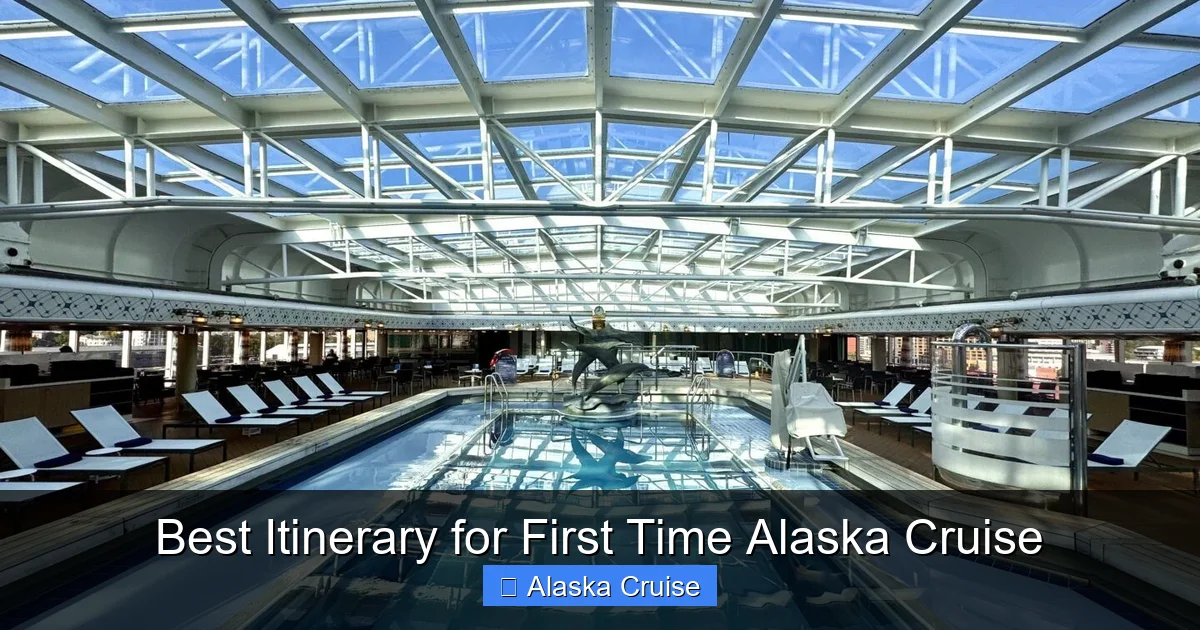
Visual guide about Best Itinerary for First Time Alaska Cruise
Image source: eatsleepcruise.com
Alaska has dozens of ports, but not all are created equal—especially for first-timers. Some offer breathtaking scenery but limited activities, while others are tourist-heavy but full of charm. The best itineraries focus on three standout ports: Ketchikan, Juneau, and Skagway. Each offers something unique and complements the others perfectly.
Ketchikan: The Gateway to the Tongass
Ketchikan is often the first port of call, and for good reason. Known as the “Salmon Capital of the World,” this lush, rainforest-covered town sits on the edge of the Tongass National Forest—the largest national forest in the U.S.
One of Ketchikan’s biggest draws is Creek Street, a historic boardwalk built over a creek where salmon once swam upstream. Today, it’s lined with shops, galleries, and cafes. You can also visit the Totem Heritage Center to see authentic totem poles or take a floatplane tour to nearby Misty Fjords National Monument.
For wildlife lovers, a visit to the Ketchikan Creek Fish Hatchery is a must. Watch salmon leap upstream, learn about local fisheries, and even feed the fish by hand. If you’re up for adventure, try a guided kayak tour through the calm waters of the Tongass Narrows.
Tip: Book a shore excursion in advance. Popular tours like the Misty Fjords flightseeing or a salmon bake dinner often sell out weeks before departure.
Juneau: Alaska’s Capital City
Juneau is unique—it’s the only state capital in the U.S. that’s not accessible by road. You can only reach it by boat or plane, which adds to its remote charm. Nestled between mountains and the sea, Juneau offers a mix of urban amenities and wild beauty.
One of the top activities is visiting the Mendenhall Glacier, a 13-mile-long glacier just 12 miles from downtown. The visitor center offers educational exhibits, and well-maintained trails lead to stunning viewpoints. In summer, you might even see icebergs floating in the lake below.
Another must-do is a whale-watching tour. Juneau is one of the best places in Alaska to see humpback whales, orcas, and sea lions. Many tours depart from Auke Bay and last 3–4 hours, giving you plenty of time to spot marine life.
Don’t miss the Alaska State Museum, which showcases indigenous art, Gold Rush history, and natural science exhibits. For a taste of local flavor, try a salmon burger at the Alaskan Brewing Company or grab a coffee at a waterfront café.
Skagway: Step Back into the Gold Rush Era
Skagway is pure Alaskan nostalgia. This small town was once the bustling gateway to the Klondike Gold Rush in the late 1800s. Today, it’s a living museum, with wooden boardwalks, historic saloons, and costumed interpreters bringing the past to life.
The highlight of Skagway is the White Pass & Yukon Route Railway. This narrow-gauge steam train climbs 2,865 feet in just 20 miles, offering breathtaking views of waterfalls, cliffs, and valleys. The journey to the summit takes about 2.5 hours and ends at the U.S.-Canada border.
If you prefer to stay on foot, take a guided hike through the Chilkoot Trail, the route thousands of prospectors took during the Gold Rush. Or visit the Skagway Museum to learn about the town’s colorful history.
For something truly unique, book a dog sledding experience. Some tours let you meet sled dogs, learn about mushing, and even take a short ride on a wheeled cart (in summer) or a real sled (in winter).
Tip: Skagway is small, so you can easily explore on your own. Wear comfortable shoes and bring a light jacket—temperatures can drop quickly, even in summer.
Must-See Natural Wonders: Glaciers and Fjords
Alaska’s glaciers and fjords are the heart and soul of any cruise. These icy giants and dramatic waterways define the region’s wild beauty. On a first-time cruise, you’ll likely pass by two of the most famous: Glacier Bay National Park and Hubbard Glacier.
Glacier Bay National Park: A UNESCO World Heritage Site
Glacier Bay is a highlight of many Alaska itineraries. This 3.3-million-acre park is home to over a dozen active glaciers, including the massive Margerie and Johns Hopkins Glaciers. The park is only accessible by boat or plane, making it feel truly remote and untouched.
Most ships spend 6–8 hours cruising through the park, often with a National Park Service ranger on board to provide commentary. You’ll learn about the park’s geology, wildlife, and conservation efforts. Keep your camera ready—glaciers calve frequently, sending massive chunks of ice crashing into the water.
Wildlife is abundant here. Look for humpback whales feeding in the nutrient-rich waters, sea otters floating on their backs, and bald eagles perched on rocky outcrops. On clear days, you might even spot mountain goats on the cliffs.
Tip: Bring binoculars and dress warmly. Even in summer, temperatures in Glacier Bay can be chilly, and the wind off the water adds to the bite.
Hubbard Glacier: The Largest Tidewater Glacier in North America
Hubbard Glacier is a showstopper. Stretching over 7 miles wide and rising up to 300 feet above the water, it’s one of the most impressive sights on any Alaska cruise. Located near Yakutat Bay, it’s a popular stop on northbound itineraries.
Unlike some glaciers that retreat, Hubbard is advancing—growing about 10 feet per year. This means it frequently calves, creating dramatic splashes and waves. The sound of ice cracking can be heard from the deck, adding to the experience.
Ships typically slow down or stop near the glacier’s face, giving passengers time to take photos and soak in the scale. Some cruise lines even offer “glacier viewing” packages with hot cocoa and blankets.
Tip: Arrive early on deck. The best views are from the upper decks and starboard (right) side of the ship, especially in the morning when the light is soft and golden.
Choosing the Right Cruise Line and Ship
Not all cruise lines are created equal—especially when it comes to Alaska. Some specialize in luxury, others in adventure, and a few in family-friendly fun. For first-timers, we recommend mid-size to large ships from established lines like Holland America, Princess, or Norwegian.
Holland America: Classic Comfort and Expertise
Holland America is a favorite among Alaska cruisers. Their ships are mid-sized, offering a balance of intimacy and amenities. They’re known for excellent service, enrichment programs, and strong ties to Alaska’s history and culture.
Many Holland America cruises include a National Park Service ranger on board during Glacier Bay, adding educational value to your journey. They also offer themed cruises, like culinary or photography-focused voyages.
Princess Cruises: Scenic Rail and Shore Excursions
Princess is another top choice, especially if you’re interested in combining your cruise with a land tour. They offer “cruise + rail” packages that take you from the ship to Denali National Park via the scenic Alaska Railroad.
Their ships are large but well-designed, with plenty of outdoor viewing areas. Princess also has a strong reputation for shore excursions, including dog sledding, flightseeing, and wildlife tours.
Norwegian Cruise Line: Freestyle Cruising and Flexibility
If you prefer a more relaxed, casual atmosphere, Norwegian might be your best bet. Their “freestyle cruising” concept means no fixed dining times or dress codes—perfect for travelers who want flexibility.
Norwegian’s ships are large and modern, with multiple dining options, entertainment venues, and family-friendly activities. They also offer a wide range of Alaska itineraries, including some that visit lesser-known ports like Icy Strait Point.
Packing Tips and What to Expect Onboard
Packing for an Alaska cruise is different from a Caribbean trip. You’ll need layers, rain gear, and sturdy shoes—even in summer. Here’s what to bring:
- Waterproof jacket and pants: Essential for staying dry during excursions and on deck.
- Warm layers: Fleece, thermal underwear, and a warm hat will keep you comfortable in cooler temperatures.
- Comfortable walking shoes: You’ll be doing a lot of walking in ports, often on uneven terrain.
- Binoculars: A must for spotting wildlife and distant glaciers.
- Sunscreen and sunglasses: The sun can be strong, especially on water.
- Camera with extra batteries: You’ll want to capture every moment.
Onboard, expect a mix of relaxation and enrichment. Most ships offer daily lectures on Alaska’s wildlife, geology, and culture. You might learn how glaciers form, what to look for when whale watching, or the history of indigenous peoples.
Dining is usually included, with multiple options ranging from casual buffets to fine dining. Specialty restaurants may require an extra fee, but they’re worth it for a treat. Don’t miss the fresh seafood—many ships source salmon and halibut locally.
Entertainment varies by line, but most offer live music, comedy shows, and themed parties. Some ships even have planetariums or glass-blowing demonstrations.
Final Tips for a Smooth First-Time Experience
A little planning goes a long way. Here are a few final tips to ensure your first Alaska cruise is a success:
- Book early: Alaska cruises sell out fast, especially during peak season (May to September). Aim to book 6–12 months in advance.
- Check visa requirements: If your itinerary includes Canada (like Vancouver), make sure you have the proper documentation.
- Travel insurance: Highly recommended. It can cover trip cancellations, medical emergencies, and missed ports due to weather.
- Download offline maps: Cell service is spotty in Alaska. Download maps and guides before you go.
- Be flexible: Weather can impact schedules. A port may be skipped or delayed—embrace the adventure.
Frequently Asked Questions
What is the best time of year to take an Alaska cruise?
The best time for an Alaska cruise is between May and September. Summer offers the warmest weather, longest daylight hours, and peak wildlife activity. July and August are the busiest months, while May and September offer fewer crowds and lower prices.
Do I need a passport for an Alaska cruise?
It depends on your itinerary. If your cruise is roundtrip from the U.S. and doesn’t stop in Canada, a passport is not required—but it’s highly recommended. If your cruise departs from or visits Canada, a passport is mandatory.
How much should I budget for shore excursions?
Shore excursions typically range from $50 to $300 per person, depending on the activity. Whale watching, dog sledding, and flightseeing tours are on the higher end. Budget at least $150–$200 per person for a mix of tours.
Can I see the Northern Lights on an Alaska cruise?
It’s unlikely. The Northern Lights are best seen in winter, but most Alaska cruises run in summer when the nights are short. If seeing the aurora is a priority, consider a winter land tour instead.
Are Alaska cruises family-friendly?
Yes, many cruise lines offer family-friendly activities, kids’ clubs, and excursions suitable for all ages. Norwegian and Disney Cruise Line are especially popular with families.
What happens if the weather cancels a port stop?
If weather prevents docking, the ship may skip the port or replace it with another. Cruise lines usually don’t offer refunds for missed ports, but they may provide onboard credit or alternative activities.