Planning the best itinerary for Alaska cruise means balancing iconic glaciers, wildlife sightings, and charming coastal towns. This guide covers top routes, must-see stops, and insider tips to help you choose the perfect 7- to 14-day voyage through America’s last frontier.
Dreaming of towering glaciers, breaching humpback whales, and misty fjords wrapped in emerald forests? An Alaska cruise delivers all that and more. But with so many routes, ports, and cruise lines to choose from, finding the best itinerary for Alaska cruise can feel overwhelming. Whether you’re a nature lover, adventure seeker, or simply craving a scenic escape, the right itinerary makes all the difference.
Alaska’s coastline is vast and wildly diverse. From the temperate rainforests of the Inside Passage to the icy grandeur of the Gulf of Alaska, each route offers a unique slice of this rugged paradise. The best itineraries balance must-see natural wonders with cultural experiences in historic towns. Think: walking on a glacier in Juneau, riding the White Pass Railway in Skagway, or spotting bald eagles in Ketchikan. And let’s not forget the awe-inspiring moments—like sailing silently past a calving glacier in Tracy Arm or watching orcas glide through icy waters.
But it’s not just about the destinations. The timing, duration, and type of cruise you choose will shape your entire experience. A 7-day round-trip from Seattle offers ease and value, while a 10-day one-way voyage from Vancouver to Seward opens the door to Denali National Park. With so many options, this guide will help you navigate the choices and craft the best itinerary for Alaska cruise based on your interests, budget, and travel style.
Key Takeaways
- Understanding best itinerary for alaska cruise: Provides essential knowledge
📑 Table of Contents
Understanding Alaska Cruise Routes: Inside Passage vs. Gulf of Alaska
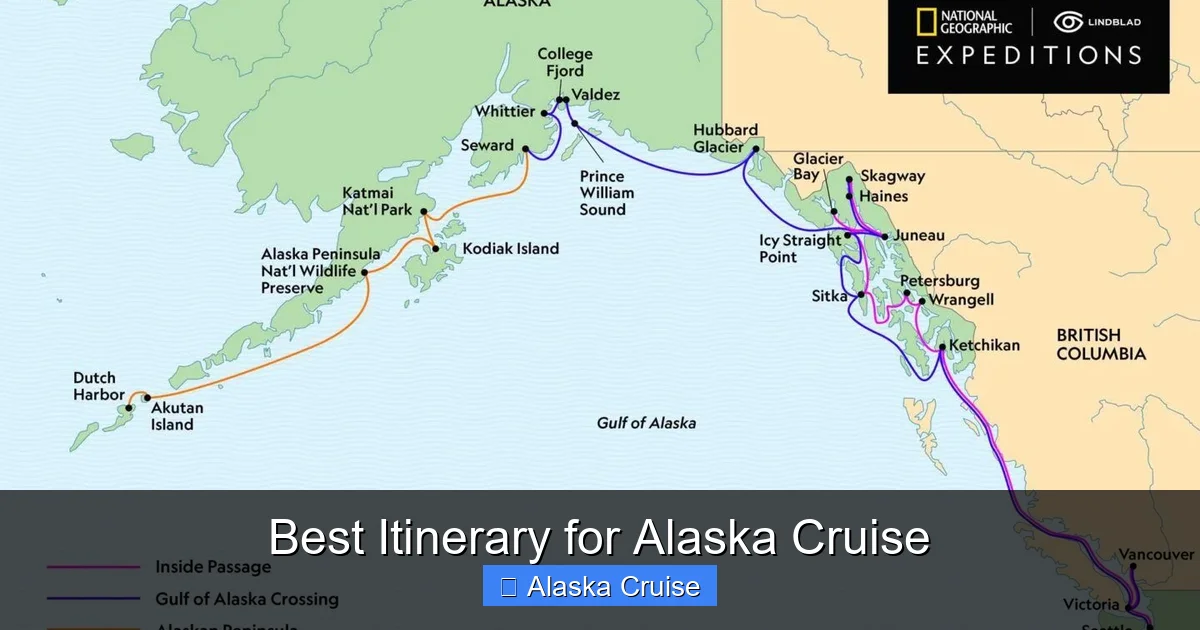
When planning your Alaska adventure, the first decision is choosing your route. The two main options—Inside Passage and Gulf of Alaska—offer dramatically different experiences.
The Inside Passage is the classic Alaska cruise route, typically sailed on round-trip voyages from Seattle or Vancouver. This scenic corridor winds through narrow channels lined with temperate rainforests, snow-capped peaks, and abundant wildlife. Ports like Ketchikan, Juneau, and Skagway are staples here, offering a mix of Native culture, gold rush history, and outdoor adventures. One of the highlights is sailing through Tracy Arm or Endicott Fjords, where you’ll glide past sheer granite walls and towering waterfalls, all while keeping an eye out for seals, whales, and even black bears along the shore.
In contrast, the Gulf of Alaska itineraries venture further north, often on one-way cruises between Seattle/Vancouver and Seward or Whittier (near Anchorage). These longer voyages (usually 9–14 days) include dramatic glacier experiences like Hubbard Glacier—one of the most active tidewater glaciers in North America—and the remote beauty of College Fjords, where glaciers named after Ivy League schools descend from the Harding Icefield. These cruises often include a stop in Icy Strait Point or Haines, both known for excellent wildlife viewing and adventure tours.
So which is better? It depends on your goals. If you want a classic, accessible Alaska experience with charming towns and lush scenery, the Inside Passage is ideal. But if you’re after jaw-dropping glaciers and a more remote, wild feel, the Gulf of Alaska route delivers unforgettable moments. Many travelers opt for a hybrid—starting with an Inside Passage cruise and then extending their trip with a land tour into Denali.
Top Ports of Call and What to Do in Each
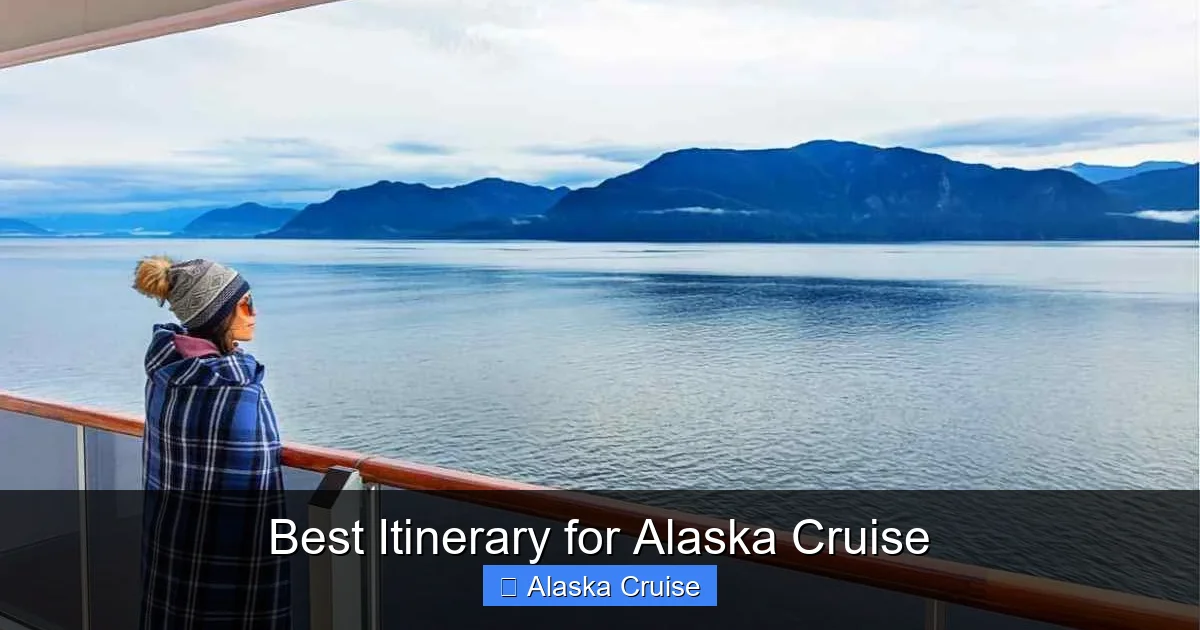
Visual guide about Best Itinerary for Alaska Cruise
Image source: eatsleepcruise.com
No Alaska cruise is complete without exploring its iconic ports. Each stop offers a unique blend of nature, history, and adventure. Here’s what to expect at the most popular destinations.
Ketchikan: The Salmon Capital of the World
Ketchikan, the first port on most Inside Passage itineraries, is famous for its colorful totem poles, boardwalks over the water, and rich Tlingit culture. Don’t miss the Totem Heritage Center, where you can see centuries-old totems up close. For wildlife lovers, a guided kayak tour through the Tongass National Forest offers chances to spot sea lions, eagles, and even black bears. And if you’re feeling adventurous, try a floatplane tour over Misty Fjords—a breathtaking wilderness area of jagged cliffs and cascading waterfalls.
Juneau: Alaska’s Remote Capital
Accessible only by boat or plane, Juneau is a rugged gem nestled between mountains and sea. The star attraction is Mendenhall Glacier, a 13-mile-long glacier just 12 miles from downtown. Walk the trails around the visitor center, or take a guided glacier hike for a truly immersive experience. Whale watching is another must—Juneau is one of the best places in Alaska to see humpbacks feeding in the summer. For history buffs, the Alaska State Museum offers fascinating exhibits on Native cultures and the gold rush era.
Skagway: Gateway to the Klondike
Step back in time in Skagway, a well-preserved gold rush town that feels like a scene from the 1890s. The White Pass & Yukon Route Railway is a highlight—this narrow-gauge train climbs 2,865 feet through steep cliffs and tunnels, offering panoramic views of the surrounding wilderness. Many travelers also take a dog sledding tour on a glacier, where you can meet real Iditarod sled dogs and even try mushing yourself. Don’t skip a stroll down Broadway Street, lined with historic saloons and shops selling handmade crafts.
Glacier Bay National Park: A UNESCO World Heritage Site
One of the most awe-inspiring stops on any Alaska cruise is Glacier Bay. This protected wilderness spans over 3.3 million acres and is home to massive tidewater glaciers, including the famous Margerie and Grand Pacific Glaciers. As your ship navigates the bay, you’ll likely witness calving—when chunks of ice break off and crash into the water with thunderous force. Park rangers come aboard to share insights about the ecosystem, and you’ll have prime views from the deck. Wildlife sightings are common, including harbor seals, sea otters, and bald eagles.
Icy Strait Point: Adventure and Culture Combined
Located near Hoonah, Icy Strait Point is a private destination owned by the Tlingit community. It’s a fantastic spot for adventure seekers, with options like zip-lining through the forest canopy, bear viewing tours, and kayaking among sea lions. The Misty Fjords Flightseeing Tour offers a bird’s-eye view of this stunning landscape. And if you’re lucky, you might spot a brown bear fishing for salmon along the riverbanks.
Seward and Whittier: Gateways to Kenai Fjords
These ports are typically visited on Gulf of Alaska itineraries and serve as launching points for exploring Kenai Fjords National Park. From Seward, take a boat tour into the park to see glaciers like Aialik and Holgate up close. Whittier, though smaller, offers access to Prince William Sound, where you can spot glaciers, sea otters, and even puffins. Both ports are also starting points for land tours into Denali National Park.
Choosing the Right Cruise Duration and Timing
The length of your cruise plays a big role in shaping your Alaska experience. Most first-time cruisers opt for a 7-day itinerary, which hits the major ports and includes a glacier day. These are typically round-trip from Seattle or Vancouver and offer great value. However, if you have more time, a 9- to 14-day voyage allows for deeper exploration, including remote glaciers and land extensions.
Timing is equally important. The Alaska cruise season runs from mid-May to mid-September, with peak months being June, July, and August. Here’s what to expect:
– May and early June: Fewer crowds, lower prices, and blooming wildflowers. Wildlife is active, and you may see newborn calves and pups.
– July and August: Warmest weather, longest days, and peak wildlife activity. This is the busiest time, so book early.
– September: Cooler temperatures, fall colors, and fewer tourists. Whale activity increases as they prepare for migration.
Keep in mind that weather can be unpredictable—rain is common, even in summer. But don’t let that deter you. Some of the most magical moments happen in the mist, when glaciers glow blue under overcast skies.
Round-Trip vs. One-Way Cruises: Which Is Better?
One of the biggest decisions is whether to sail round-trip or one-way. Each has its advantages.
Round-trip cruises from Seattle or Vancouver are convenient and cost-effective. You avoid the hassle of arranging flights in and out of remote ports, and you can fly home from the same city. These itineraries are ideal for travelers who want a classic Inside Passage experience with minimal logistics.
One-way cruises, on the other hand, offer more flexibility and the chance to extend your trip. For example, a cruise from Vancouver to Seward allows you to disembark in Alaska and continue your journey with a land tour to Denali National Park or Fairbanks. This combo—cruise plus land—is often called a “cruisetour” and provides a fuller Alaska experience. You’ll see both coastal and interior landscapes, from glaciers to tundra.
If you choose a one-way cruise, be prepared for higher airfare costs, as flights from Alaska back to the Lower 48 can be pricey. But for many, the added adventure is worth it.
Tips for Maximizing Your Alaska Cruise Experience
To make the most of your voyage, keep these practical tips in mind:
– Book shore excursions early: Popular tours like glacier hikes and whale watching sell out quickly. Reserve through your cruise line or trusted local operators like Alaska Shore Excursions or Harv & Marv’s.
– Pack smart: Bring waterproof layers, warm clothing, binoculars, and a good camera. Don’t forget motion sickness remedies if you’re prone to seasickness.
– Stay on deck during scenic cruising: Glacier Bay and Tracy Arm are best enjoyed from the open decks. Arrive early to secure a good spot.
– Try local cuisine: Sample fresh salmon, halibut, and king crab at portside restaurants. Many ships also feature Alaskan seafood on their menus.
– Respect wildlife and nature: Keep a safe distance from animals and follow park guidelines. Alaska’s ecosystems are fragile and worth protecting.
Conclusion
Choosing the best itinerary for Alaska cruise is about aligning your travel style with the incredible diversity of this wild frontier. Whether you sail the lush Inside Passage or venture into the icy Gulf of Alaska, you’ll be rewarded with unforgettable sights—glaciers that calve into the sea, whales that breach in the distance, and towns steeped in history and culture.
A 7-day round-trip cruise offers a perfect introduction, while longer voyages open doors to remote wonders and land adventures. No matter the route, pack your sense of wonder, dress for the weather, and be ready to be amazed. Alaska doesn’t just show you nature—it transforms how you see the world.
So start planning, book early, and get ready for the cruise of a lifetime. The last frontier is waiting.
Frequently Asked Questions
What is the best time of year to take an Alaska cruise?
The best time is typically July and August, when weather is warmest and wildlife is most active. However, May and September offer fewer crowds and lower prices, with unique seasonal beauty like blooming flowers or fall colors.
How many days should an Alaska cruise be?
A 7-day cruise is ideal for first-timers and covers major ports and a glacier day. For a more immersive experience, consider 9–14 days, especially if you want to include land tours or visit remote glaciers.
Can you see glaciers on an Alaska cruise?
Yes! Most itineraries include at least one glacier day, with highlights like Glacier Bay, Hubbard Glacier, or Tracy Arm. Some cruises even offer up-close views of calving glaciers.
Do I need to book shore excursions in advance?
Yes, popular tours like whale watching, glacier hikes, and dog sledding often sell out. Booking early ensures you get your top choices and better pricing.
What should I pack for an Alaska cruise?
Pack layers, including waterproof jackets, warm fleeces, and sturdy walking shoes. Don’t forget binoculars, sunscreen, and a camera. Rain is common, even in summer.
Is an Alaska cruise worth it?
Absolutely. An Alaska cruise offers unparalleled access to glaciers, wildlife, and scenic coastlines—all from the comfort of a ship. It’s a unique way to experience one of the world’s last great wildernesses.