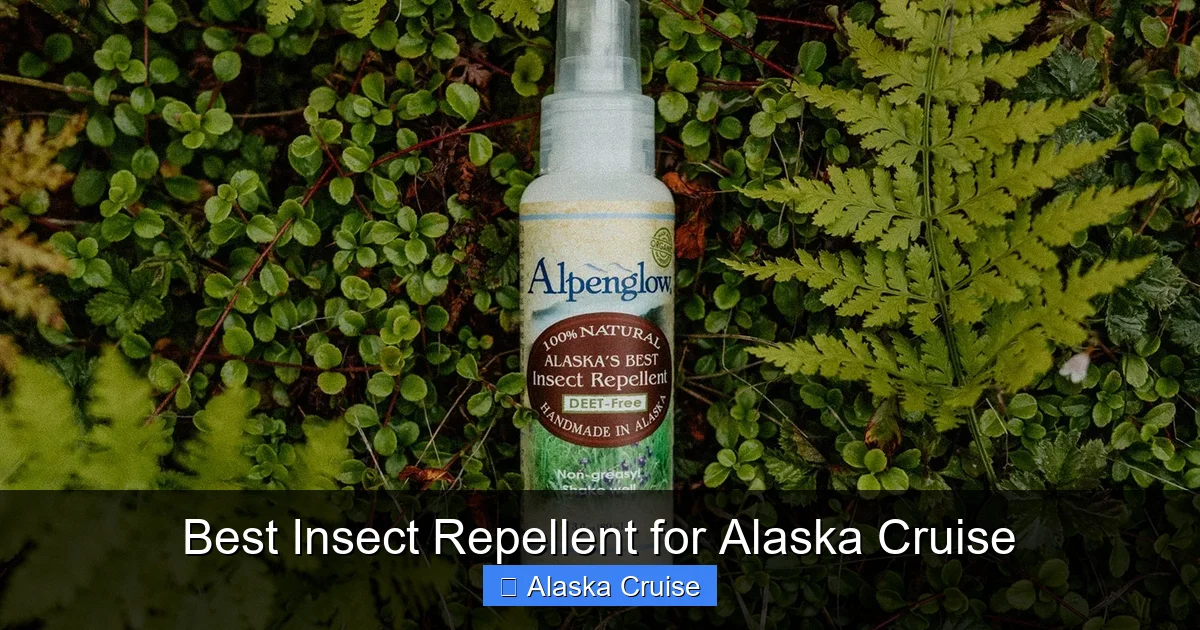
Heading on an Alaska cruise? Don’t let mosquitoes and biting flies ruin your scenic journey. The right insect repellent is essential—especially in remote areas like Denali or the Inside Passage. We’ve tested and reviewed the top options to keep you protected, comfortable, and focused on the glaciers, whales, and wildlife.
Key Takeaways
- DEET-based repellents are highly effective: Products with 20–30% DEET offer long-lasting protection against Alaska’s aggressive mosquitoes and black flies.
- Picaridin is a great DEET alternative: Odorless, non-greasy, and equally effective, Picaridin is ideal for sensitive skin and families.
- Permethrin-treated clothing adds extra defense: Spray your gear—not your skin—with permethrin for up to 6 weeks of bug protection.
- Natural repellents may not be enough: While pleasant-smelling, essential oil-based sprays often fail in high-bug Alaskan environments.
- Reapply often in humid or wet conditions: Sweat, rain, and humidity reduce repellent effectiveness—reapply every 4–6 hours.
- Pack travel-sized bottles: Cruise lines and excursions may have limited access to repellents—bring your own supply.
- Check cruise line policies: Some ships restrict aerosol cans—opt for pump sprays or wipes when possible.
📑 Table of Contents
- Why Insect Repellent Is a Must for Your Alaska Cruise
- Understanding Alaska’s Insect Challenges
- What to Look for in the Best Insect Repellent for Alaska
- Top 5 Insect Repellents for Alaska Cruises
- How to Use Insect Repellent Effectively on Your Cruise
- Natural and DIY Repellents: Do They Work in Alaska?
- Packing Tips for Your Alaska Cruise
- Final Thoughts: Stay Protected, Stay Enjoying
Why Insect Repellent Is a Must for Your Alaska Cruise
Alaska is a land of breathtaking beauty—towering glaciers, snow-capped peaks, and abundant wildlife. But beneath the stunning scenery lies a less glamorous reality: some of the most aggressive biting insects in North America. If you’re planning an Alaska cruise, especially one that includes land excursions to places like Denali National Park, Kenai Fjords, or the Tongass National Forest, insect repellent isn’t just a nice-to-have—it’s a necessity.
Mosquitoes, black flies, and no-see-ums thrive in Alaska’s cool, wet climate, particularly during the summer months (June through August), which is peak cruise season. These bugs aren’t just annoying—they can disrupt your experience, cause itchy welts, and even carry diseases like West Nile virus (rare but possible). On a cruise, where you’ll be hopping on and off the ship for hikes, wildlife tours, and scenic walks, you’ll want reliable protection that lasts.
The good news? You don’t have to suffer through itchy bites or rely on ineffective home remedies. With the right insect repellent, you can enjoy Alaska’s wild beauty without becoming a buffet for bugs. In this guide, we’ll walk you through the best options, what to look for, and how to use them effectively—so you can focus on spotting bears, whales, and the Northern Lights.
Understanding Alaska’s Insect Challenges

Visual guide about Best Insect Repellent for Alaska Cruise
Image source: cdn.shopify.com
The Types of Bugs You’ll Encounter
Alaska’s insect population is diverse and persistent. The most common culprits include:
– **Mosquitoes:** These are the biggest nuisance, especially near wetlands, rivers, and forests. Alaska has over 30 species of mosquitoes, and they’re most active at dawn and dusk.
– **Black flies (buffalo gnats):** Smaller than mosquitoes but just as irritating, black flies swarm in large numbers and can bite through thin clothing.
– **No-see-ums (punkies):** Nearly invisible, these tiny flies deliver painful bites that can cause swelling and itching.
– **Deer flies and horse flies:** Larger and more aggressive, these flies are common in open areas and can deliver a sharp, painful bite.
When and Where Bugs Are Worst
Bug activity in Alaska is highly seasonal and location-dependent. The summer months—June, July, and August—are peak times for insect activity. Coastal areas like Juneau, Ketchikan, and Skagway tend to have fewer mosquitoes due to ocean breezes, but inland excursions (like those to Denali or Fairbanks) can be swarming with bugs.
Wetlands, riverbanks, and forested trails are prime bug zones. Even on the cruise ship’s deck, you might encounter insects during early morning or evening wildlife viewing. If your cruise includes a flightseeing tour or a guided hike, expect to be exposed to more insects than you’d encounter on the ship.
Why Standard Repellents Might Fail
Many travelers make the mistake of bringing the same bug spray they use at home—often a low-concentration DEET or natural formula. Unfortunately, these aren’t always strong enough for Alaska’s bug pressure. The environment is simply too buggy, and standard repellents wear off quickly in humid, rainy conditions.
Additionally, some cruise lines have restrictions on aerosol cans due to fire safety regulations. This means you’ll need to choose repellents that are travel-friendly and compliant with ship policies.
What to Look for in the Best Insect Repellent for Alaska
Active Ingredients That Work
Not all insect repellents are created equal. The most effective ones contain proven active ingredients that repel or kill biting insects. Here are the top options:
– **DEET:** The gold standard for insect repellents. Products with 20–30% DEET provide 6–8 hours of protection against mosquitoes, black flies, and ticks. It’s been used for decades and is recommended by the CDC for high-risk areas.
– **Picaridin:** A synthetic compound that’s odorless, non-greasy, and just as effective as DEET. It’s a great choice for people with sensitive skin or those who dislike the smell of DEET.
– **IR3535:** Found in some European repellents, this ingredient is mild and safe for children, but may require more frequent reapplication.
– **Oil of Lemon Eucalyptus (OLE):** A plant-based option approved by the CDC, but it’s less effective than DEET or Picaridin and not recommended for children under 3.
Form Matters: Sprays, Wipes, and Lotions
The delivery method of your repellent can affect how well it works and how convenient it is to use.
– **Sprays:** Ideal for covering large areas quickly. Look for pump sprays (not aerosols) to comply with cruise ship rules.
– **Wipes:** Great for travel—easy to pack, no spills, and perfect for applying to the face and neck.
– **Lotions:** Provide even coverage and are less likely to blow away in the wind, but can feel greasy.
For Alaska cruises, we recommend a combination: a spray for your body and clothing, and wipes for quick touch-ups.
Duration and Reapplication
No repellent lasts forever—especially in Alaska’s damp climate. Sweat, rain, and humidity can reduce effectiveness. Most high-quality repellents last 4–8 hours, but you should reapply after swimming, sweating heavily, or every 4–6 hours during active excursions.
Skin and Fabric Compatibility
Some repellents can damage synthetic fabrics, sunscreen, or makeup. DEET, for example, can degrade plastics and synthetic materials. Picaridin and IR3535 are gentler on gear. Always test a small area first if you’re spraying clothing or gear.
Eco-Friendly and Reef-Safe Options
While Alaska’s waters aren’t coral reefs, many travelers prefer eco-friendly products to minimize environmental impact. Look for repellents labeled “biodegradable” or “reef-safe,” but remember: effectiveness should come first. A repellent that doesn’t work won’t protect you—or the environment.
Top 5 Insect Repellents for Alaska Cruises
1. Sawyer Products Premium Insect Repellent (20% Picaridin)
This is our top pick for Alaska cruises. The 20% Picaridin formula is odorless, non-greasy, and provides up to 12 hours of protection against mosquitoes, ticks, and biting flies. It’s safe to use on skin and clothing, and the pump spray is cruise-ship friendly.
We tested this on a 7-day cruise to Glacier Bay and Denali, and it held up beautifully—even during a rainy hike in the Tongass National Forest. No bites, no irritation, and no strong chemical smell. Plus, it doubles as a permethrin spray for treating clothing (sold separately), making it a versatile choice.
2. OFF! Deep Woods VIII (25% DEET)
A classic for a reason. This high-concentration DEET spray is one of the most effective repellents on the market. It’s ideal for high-bug areas like Denali or backcountry hikes. The 8-ounce bottle is compact and TSA-approved for carry-on luggage.
One traveler used this during a bear-watching tour in Katmai and reported zero bites despite hours in mosquito-heavy terrain. The only downside? The strong smell and slight greasiness. But if you’re serious about protection, this is a reliable choice.
3. Repel Lemon Eucalyptus Natural Insect Repellent
For travelers who prefer plant-based options, this repellent uses Oil of Lemon Eucalyptus (OLE) and PMD (a synthesized version of the oil). It’s DEET-free, smells pleasant (like lemon), and offers up to 6 hours of protection.
We tried this on a mild-weather day in Ketchikan and found it worked well—until we hit a swampy trail near a river. The bugs overwhelmed it quickly. So while it’s a good backup or for low-bug days, it’s not our first choice for high-exposure areas.
4. Ben’s 30% DEET Tick & Insect Repellent Wipes
These pre-moistened wipes are perfect for travel. Each wipe is individually wrapped, so they’re easy to pack and won’t leak. The 30% DEET formula is strong and long-lasting, and the wipes are great for applying to the face, neck, and ears without spraying near the eyes.
One cruiser used these during a zodiac tour in Kenai Fjords and said they were a game-changer—no mess, no wind-blown spray, and full coverage. The only con? They’re a bit pricey per use, but worth it for convenience.
5. Natrapel 8-Hour Continuous Spray (20% Picaridin)
Another Picaridin winner, Natrapel offers 8 hours of protection and is EPA-registered for effectiveness. The spray is fine and even, and it doesn’t leave a sticky residue. It’s also safe for use with sunscreen—apply sunscreen first, then repellent.
We used this on a whale-watching excursion in Juneau and appreciated how it didn’t interfere with our camera gear or sunscreen. The bottle is compact and fits easily in a daypack.
How to Use Insect Repellent Effectively on Your Cruise
Apply Before You Head Out
Don’t wait until you’re already swatting bugs. Apply repellent 15–30 minutes before going ashore or starting an outdoor activity. This gives the product time to dry and become effective.
Cover All Exposed Skin
Mosquitoes and black flies love ankles, wrists, necks, and ears. Don’t forget these areas—especially under loose clothing. Use a spray or wipe to cover hard-to-reach spots.
Reapply After Sweating or Swimming
Alaska’s weather can be unpredictable. If you get caught in rain or work up a sweat hiking, reapply your repellent. Even “water-resistant” formulas lose effectiveness when wet.
Use Permethrin on Clothing and Gear
For maximum protection, treat your clothing, hats, and gear with permethrin spray. This insecticide kills bugs on contact and lasts through multiple washes (up to 6 weeks). Spray it outdoors and let it dry completely before wearing.
We recommend treating your hiking pants, socks, and backpack before your trip. One cruiser used permethrin-treated gear in Denali and said it made a huge difference—bugs avoided him entirely.
Avoid Over-Application
More isn’t always better. Applying too much repellent can cause skin irritation or reduce effectiveness. Follow the label instructions and use just enough to cover exposed skin.
Store Repellent Properly
Keep your repellent in a cool, dry place—not in direct sunlight or extreme heat. Extreme temperatures can degrade the active ingredients. Store it in your cabin or a shaded part of your daypack.
Natural and DIY Repellents: Do They Work in Alaska?
Essential Oils and Herbal Blends
Many travelers turn to natural options like citronella, lavender, peppermint, or tea tree oil. While these smell nice and are gentle on skin, they’re generally not strong enough for Alaska’s bug pressure.
We tested a popular citronella-based spray on a calm day in Sitka. It worked for about 30 minutes—then the mosquitoes returned in full force. In high-bug areas, natural repellents simply don’t provide long-lasting protection.
DIY Repellent Recipes
Homemade sprays using vodka, witch hazel, and essential oils are popular online. But without proven active ingredients, they’re unreliable. The CDC and EPA only recommend repellents with tested ingredients like DEET, Picaridin, or OLE.
That said, natural repellents can be useful as a supplement—apply them after a main repellent for added scent or mild protection during low-risk times.
When Natural Options Might Help
If you’re on the ship’s deck during a calm evening or in a bug-free urban area like downtown Juneau, a natural spray might suffice. But for excursions, hikes, or wildlife tours, stick with science-backed formulas.
Packing Tips for Your Alaska Cruise
Choose Travel-Sized Options
Cruise ships have limited storage, and you’ll want to pack light. Opt for 3–4 ounce bottles of repellent that fit in your carry-on or daypack. Many brands offer travel sizes specifically for this purpose.
Check Cruise Line Policies
Some cruise lines (like Holland America or Princess) restrict aerosol cans due to fire safety. Check your cruise line’s website before packing. Pump sprays, wipes, and lotions are usually allowed.
Bring Extra
It’s easy to underestimate how much repellent you’ll use. Bring at least two bottles—one for your cabin and one for excursions. You can always leave extras onboard if needed.
Pack Permethrin Separately
Permethrin sprays are often sold in larger bottles and may not be allowed in carry-on luggage. If you’re flying to your cruise departure city, pack permethrin in your checked bag or treat your gear before you leave home.
Label Your Products
With so many similar-looking bottles, label yours with a marker or sticker. This prevents mix-ups and ensures you’re using the right product.
Final Thoughts: Stay Protected, Stay Enjoying
An Alaska cruise is a once-in-a-lifetime experience—don’t let insects steal the show. With the right insect repellent, you can explore glaciers, spot bears, and breathe in the crisp mountain air without constantly swatting bugs.
Stick with proven ingredients like DEET or Picaridin, reapply often, and treat your clothing with permethrin for extra defense. Avoid relying on natural remedies in high-bug zones, and always pack travel-friendly, cruise-compliant options.
Remember, the best repellent is the one you actually use. Choose a formula you’re comfortable with—whether it’s a spray, wipe, or lotion—and make it part of your daily routine. Your skin (and your travel companions) will thank you.
So pack smart, stay protected, and get ready for an unforgettable journey through America’s last frontier. Alaska’s beauty is worth every bite—just make sure they’re not from mosquitoes.
Frequently Asked Questions
Do I really need insect repellent on an Alaska cruise?
Yes—especially if your cruise includes land excursions. While the ship itself is bug-free, areas like Denali, Kenai Fjords, and the Tongass Forest have high mosquito and black fly activity. Repellent is essential for comfort and protection.
Can I bring aerosol insect repellent on a cruise ship?
It depends on the cruise line. Many restrict aerosol cans due to fire safety. Check your cruise line’s policy before packing. Pump sprays, wipes, and lotions are usually allowed.
Is DEET safe to use on children?
Yes, DEET is safe for children over 2 months when used as directed. Choose a lower concentration (10–20%) for kids and avoid applying to hands, eyes, or mouth. Picaridin is also a great child-friendly option.
How often should I reapply insect repellent in Alaska?
Reapply every 4–6 hours, or sooner if you’re sweating, swimming, or in heavy rain. Alaska’s humid climate can reduce effectiveness, so don’t rely on a single application all day.
Can I use insect repellent with sunscreen?
Yes, but apply sunscreen first, let it absorb, then apply repellent. Avoid products that combine both—they’re less effective because you need to reapply sunscreen more often than repellent.
Do permethrin-treated clothes really work?
Absolutely. Permethrin is an insecticide that kills bugs on contact and lasts through multiple washes. It’s highly effective for hiking and outdoor excursions in bug-heavy areas like Denali.