Looking for the best Alaska cruise to see whales and glaciers? This guide covers top itineraries, prime wildlife seasons, and expert tips to maximize your chances of spotting humpbacks, orcas, and calving glaciers. Whether you’re a first-time cruiser or seasoned traveler, we’ll help you choose the perfect voyage for an unforgettable Alaskan experience.
Dreaming of towering glaciers calving into icy waters while humpback whales breach just feet from your ship? You’re not alone. Alaska is one of the world’s premier destinations for natural wonders, and a cruise is the perfect way to experience its raw beauty. From the thunderous crash of ice falling into the sea to the graceful arc of a whale’s tail, every moment feels like a scene from a nature documentary. But not all Alaska cruises are created equal—especially when your goal is to see whales and glaciers up close.
Choosing the best Alaska cruise to see whales and glaciers means looking beyond glossy brochures and flashy amenities. It’s about timing, itinerary, ship size, and even the expertise of the onboard naturalists. The good news? With a little planning, you can maximize your chances of witnessing these awe-inspiring moments. Whether you’re a wildlife enthusiast, a photography lover, or simply someone who wants to feel small in the face of nature’s grandeur, this guide will help you pick the perfect voyage.
Key Takeaways
- Best Time to Cruise: May through September offers peak whale activity and accessible glaciers, with July and August being the most popular months.
- Top Itineraries: Look for cruises that include Glacier Bay National Park, Icy Strait Point, and Hubbard Glacier for the best wildlife and glacier viewing.
- Whale Species You’ll See: Humpback, orca, gray, and minke whales are common, especially near Juneau, Ketchikan, and Sitka.
- Glacier Highlights: Hubbard Glacier and Margerie Glacier are among the most active and dramatic, often calving ice into the sea.
- Small Ships Excel: Smaller vessels offer closer access to wildlife and remote fjords, enhancing your chances of intimate encounters.
- Pack Smart: Bring binoculars, waterproof layers, and a zoom lens for photography—weather can change quickly.
- Book Early: Alaska cruises fill fast, especially for peak summer months and specialty wildlife-focused sailings.
📑 Table of Contents
- Why an Alaska Cruise is the Ultimate Way to See Whales and Glaciers
- Best Time to Take an Alaska Cruise for Whales and Glaciers
- Top Alaska Cruise Itineraries for Whales and Glaciers
- Best Cruise Lines for Whale and Glacier Viewing
- What to Pack for an Alaska Cruise
- Tips for Maximizing Your Whale and Glacier Experience
- Environmental Considerations and Responsible Travel
- Conclusion
Why an Alaska Cruise is the Ultimate Way to See Whales and Glaciers
Alaska’s rugged coastline, deep fjords, and nutrient-rich waters create a perfect storm for wildlife and glacial activity. A cruise allows you to glide silently through these remote areas, often getting closer to nature than any land-based tour could. Unlike driving or flying, a ship becomes your mobile basecamp—waking up each morning in a new, untouched landscape.
One of the biggest advantages of a cruise is access. Many of Alaska’s most spectacular glaciers and whale hotspots are only reachable by boat. Places like Glacier Bay National Park, Tracy Arm Fjord, and the waters near Icy Strait Point are inaccessible by road, making a cruise the only practical way to visit. Plus, ships often travel at slow speeds through prime wildlife zones, giving you time to spot and appreciate the action.
Another perk? Onboard naturalists and marine biologists. Most major cruise lines employ experts who provide daily lectures, lead deck watches, and help identify species. These professionals dramatically increase your chances of spotting whales and understanding glacier dynamics. They’ll point out subtle signs—like blowholes in the distance or the sound of cracking ice—that you might otherwise miss.
The Magic of Glacier Viewing from Sea Level
There’s something profoundly moving about seeing a glacier from the water. Unlike viewing from a helicopter or distant overlook, a ship brings you face-to-face with these ancient rivers of ice. The scale is staggering. Hubbard Glacier, for example, is over 7 miles wide and rises 100 feet above the waterline. When it calves—shedding massive chunks of ice into the sea—the sound can be heard miles away.
Margerie Glacier in Glacier Bay is another showstopper. Known for its deep blue ice and frequent calving, it’s a favorite among photographers and nature lovers. Cruises that include Glacier Bay often spend a full day navigating its waters, allowing for multiple viewing angles and photo opportunities.
But glaciers aren’t just pretty to look at—they’re dynamic, living systems. The onboard naturalists will explain how climate change is affecting these ice giants, adding depth to your experience. You’ll learn about glacial retreat, the formation of icebergs, and how these frozen landscapes shape Alaska’s ecosystem.
Whale Watching: Alaska’s Ocean Giants
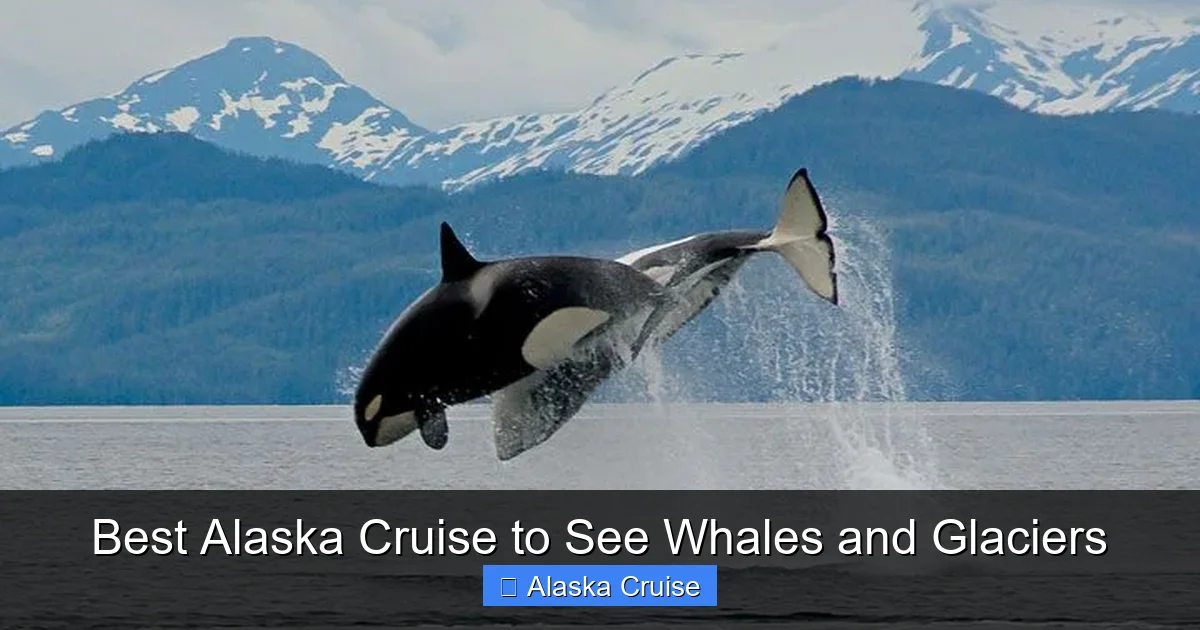
Alaska is a whale-watcher’s paradise. The cold, nutrient-rich waters of the North Pacific attract a variety of species, especially during the summer months when food is abundant. Humpback whales are the stars of the show. Known for their acrobatic breaches and complex songs, they’re often seen feeding in groups, using bubble nets to corral schools of fish.
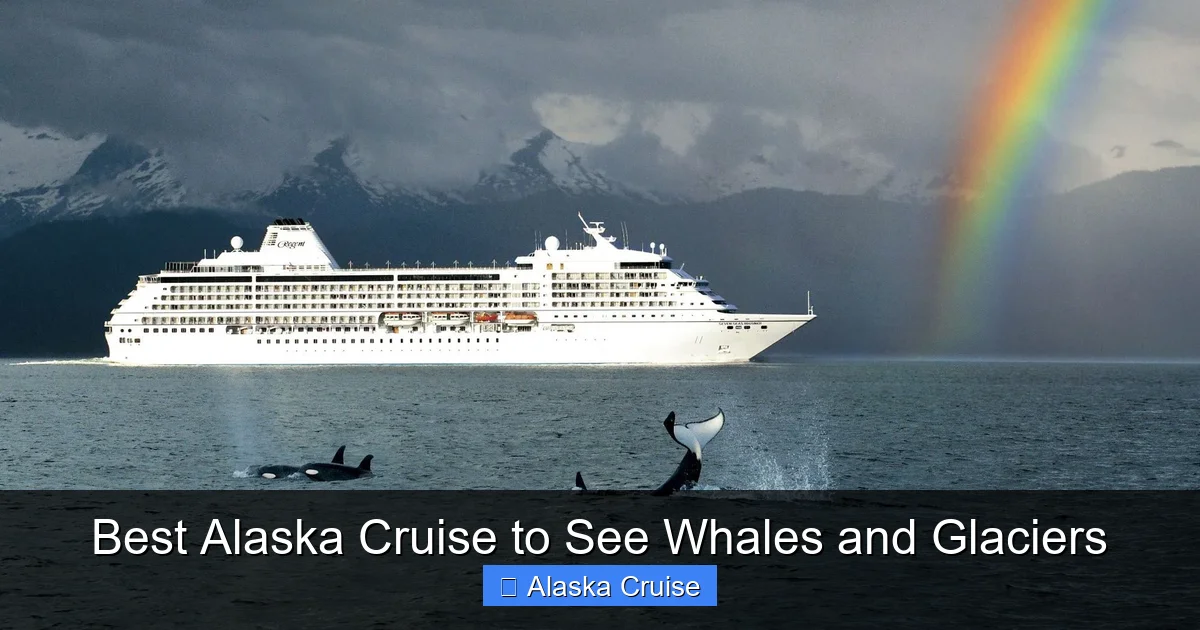
Orcas, or killer whales, are another highlight. These intelligent predators travel in pods and are frequently spotted near the coastlines of Juneau and Sitka. Gray whales, though less common, migrate through Alaskan waters in the spring and fall, often seen in shallow bays and estuaries.
Minke and fin whales also make appearances, though they’re shyer and harder to spot. The key to successful whale watching? Patience and location. Cruises that linger in known feeding grounds—like the waters around Icy Strait Point or Stephens Passage—give you the best odds.
Best Time to Take an Alaska Cruise for Whales and Glaciers
Visual guide about Best Alaska Cruise to See Whales and Glaciers
Image source: i.pinimg.com
Timing is everything when it comes to seeing whales and glaciers in Alaska. The cruise season runs from May to September, but each month offers a different experience.
May and early June are ideal for fewer crowds and lower prices. The weather is cooler, but the wildlife is already active. Glaciers are still accessible, and you might catch the tail end of the gray whale migration. Humpbacks are arriving to feed, and sea lions are abundant.
July and August are peak season—and for good reason. The days are long, the weather is mild, and wildlife activity is at its height. This is when you’ll see the most whales, especially humpbacks and orcas. Glaciers are also most active during these warmer months, with increased calving due to melting.
September offers a quieter, more intimate experience. The crowds thin out, but the wildlife is still present. You might even spot bears along the shoreline as they prepare for winter. Glaciers remain accessible, though some northern routes may start to close due to ice.
Weather and Sea Conditions
While Alaska’s summer weather is relatively mild, it’s still unpredictable. Rain is common, especially in the southern regions like Ketchikan. Pack layers, waterproof jackets, and sturdy footwear. Seas can be choppy in open waters, so if you’re prone to motion sickness, consider medication or acupressure bands.
That said, most cruise ships are designed to handle rough conditions, and captains are skilled at navigating safely. The trade-off? Breathtaking views and uncrowded decks when the weather clears.
Wildlife Activity by Month
– May: Early season; fewer whales but increasing activity. Glaciers are accessible.
– June: Humpbacks arrive in force. Sea otters and puffins are common.
– July: Peak whale season. Orcas and humpbacks are frequently spotted.
– August: Continued whale activity. Bears may be seen near river mouths.
– September: Fewer tourists, but whales still present. Fall colors begin.
Top Alaska Cruise Itineraries for Whales and Glaciers
Not all Alaska cruises are equal when it comes to wildlife and glacier viewing. The best itineraries include a mix of glacier stops, wildlife-rich ports, and scenic cruising days. Here are the top routes to consider.
Inside Passage Classic (Roundtrip from Seattle or Vancouver)
This 7-day route is a favorite for first-time cruisers. It typically includes stops in Ketchikan, Juneau, Skagway, and often a glacier day in Tracy Arm or Glacier Bay. The Inside Passage is rich in marine life, with frequent whale sightings near Icy Strait Point and Stephens Passage.
Ships like Holland America’s Nieuw Amsterdam and Princess Cruises’ Grand Princess offer this route with strong naturalist programs. Look for itineraries that include a full day in Glacier Bay—this is where the magic happens.
Glacier Bay Deep Dive (Roundtrip from Seattle or San Francisco)
For serious glacier lovers, a cruise that spends 24 hours in Glacier Bay National Park is a must. These itineraries often include Margerie and Lamplugh Glaciers, with opportunities for Zodiac tours or kayaking near the ice.
Cruises departing from San Francisco tend to be longer (10–14 days) and offer more time in Alaskan waters. This means more chances to see whales and fewer port stops, allowing for deeper exploration.
One-Way Gulf Route (Seattle to Seward or Vice Versa)
This 7- to 10-day journey crosses the Gulf of Alaska, offering access to both the Inside Passage and the dramatic glaciers of the Gulf Coast. Hubbard Glacier is a highlight—one of the few advancing glaciers in the world.
Ports like Ketchikan, Juneau, and Icy Strait Point provide excellent whale-watching opportunities. The one-way format means you’ll see more remote areas, including the Kenai Fjords near Seward.
Small Ship Expeditions (Uncruise, Lindblad, or Hurtigruten)
If you want an up-close, immersive experience, consider a small ship cruise. Vessels like Uncruise Adventures’ Safari Endeavour or Lindblad Expeditions’ National Geographic Quest carry fewer than 100 passengers and can navigate shallow fjords and narrow channels.
These ships often include kayaking, paddleboarding, and Zodiac excursions right up to glacier faces. Naturalists are usually on board full-time, and the pace is slower, allowing for deeper engagement with nature.
Best Cruise Lines for Whale and Glacier Viewing
Different cruise lines offer different strengths. Here’s how the major players stack up for wildlife and glacier experiences.
Holland America Line
Known for its strong naturalist program, Holland America partners with the Glacier Bay National Park Service to provide expert guides. Their ships often spend full days in Glacier Bay, and their itineraries include prime whale-watching spots.
The ms Zaandam and ms Volendam are popular choices, offering a balance of comfort and access. Their “Dine at Leisure” program means you won’t miss wildlife sightings due to rigid meal times.
Princess Cruises
Princess offers a wide range of Alaska itineraries, including the popular “Connoisseur” and “National Parks” sailings. Their ships feature the “Discovery at Sea” program, with marine biologists and interactive exhibits.
The Coral Princess and Island Princess are well-suited for glacier viewing, with large viewing areas and slow cruising speeds. Their one-way Gulf routes are excellent for seeing Hubbard Glacier.
Uncruise Adventures
For a more adventurous experience, Uncruise is hard to beat. Their small ships focus on active exploration, with daily kayaking, hiking, and Zodiac tours. They often anchor in remote bays for whale watching at dawn.
Their “Alaska’s Inside Passage” itinerary includes Icy Strait Point, Tracy Arm, and Glacier Bay, with a strong emphasis on wildlife and sustainability.
Lindblad Expeditions – National Geographic
Lindblad partners with National Geographic to offer science-driven voyages. Their ships carry photographers, naturalists, and even undersea specialists who use ROVs to explore marine life.
The National Geographic Quest and Venture are equipped with kayaks, Zodiacs, and hydrophones to listen to whale songs. Their itineraries are designed for maximum wildlife interaction.
Royal Caribbean and Norwegian Cruise Line
These lines offer larger ships with more amenities, but less time in prime wildlife zones. However, their shorter 4- to 5-day “sampler” cruises can still deliver great glacier and whale sightings, especially if they include Icy Strait Point.
Royal Caribbean’s Radiance of the Seas and Norwegian’s Norwegian Bliss are good options for families or those wanting a mix of adventure and onboard fun.
What to Pack for an Alaska Cruise
Packing for Alaska is all about layers and versatility. The weather can shift from sunny and 60°F to rainy and 45°F in a matter of hours.
Essential Clothing
– Waterproof jacket and pants (Gore-Tex or similar)
– Insulating layers (fleece or down)
– Moisture-wicking base layers
– Warm hat and gloves
– Sturdy, non-slip walking shoes
– Swimwear (for hot tubs or polar plunges!)
Gear and Accessories
– Binoculars (essential for whale and bird watching)
– Camera with zoom lens (glaciers and whales are often far away)
– Reusable water bottle
– Daypack for shore excursions
– Motion sickness remedies (just in case)
Photography Tips
A telephoto lens (200mm or more) is ideal for capturing whales and distant glaciers. Use a polarizing filter to reduce glare on water. Shoot in RAW format for better editing flexibility. And don’t forget extra batteries—cold weather drains them fast.
Tips for Maximizing Your Whale and Glacier Experience
Even on the best cruise, a little planning goes a long way.
Choose the Right Cabin
Oceanview or balcony cabins on the starboard (right) side of the ship often offer better views during scenic cruising days. Check your ship’s deck plan and itinerary to determine the best side.
Attend Naturalist Talks
These free lectures are packed with tips on where and when to look for wildlife. They’re also a great way to learn about Alaska’s ecosystems and conservation efforts.
Get Up Early
Wildlife is most active in the morning. Whales often feed at dawn, and glaciers are calmer before the day’s warmth triggers calving. Plus, you’ll have the deck to yourself.
Use the Ship’s Apps and Alerts
Many cruise lines now offer apps that notify you of wildlife sightings. Crew members often post updates on digital boards or announce sightings over the PA system.
Book Shore Excursions Wisely
Look for excursions that focus on wildlife and glaciers, such as whale-watching tours, glacier hikes, or kayaking in fjords. Avoid overly touristy options that don’t add value.
Environmental Considerations and Responsible Travel
Alaska’s ecosystems are fragile. As visitors, it’s our responsibility to minimize our impact.
Choose Eco-Friendly Cruise Lines
Look for lines with strong sustainability practices, such as waste reduction, fuel efficiency, and partnerships with conservation groups. Uncruise and Lindblad are leaders in this area.
Respect Wildlife
Stay at least 100 yards from whales and never chase or feed them. Use quiet voices on deck and avoid sudden movements that could disturb animals.
Leave No Trace
Pack out all trash, even on shore excursions. Avoid single-use plastics and support local businesses that prioritize sustainability.
Support Conservation
Consider donating to organizations like the Alaska SeaLife Center or the Glacier Bay National Park Conservancy. Many cruise lines offer onboard donation opportunities.
Conclusion
An Alaska cruise to see whales and glaciers is more than a vacation—it’s a journey into one of the planet’s last great wildernesses. The combination of towering ice walls, breaching whales, and pristine landscapes creates memories that last a lifetime. By choosing the right itinerary, cruise line, and timing, you can maximize your chances of witnessing these natural wonders up close.
Whether you’re sailing on a grand ocean liner or a nimble expedition vessel, the key is to stay present, pack smart, and embrace the unpredictability of nature. Bring your sense of wonder, your camera, and your raincoat—and get ready for the adventure of a lifetime.
Frequently Asked Questions
What is the best month to see whales in Alaska?
The best months to see whales in Alaska are July and August, when humpback and orca activity peaks. June and September also offer good sightings, with fewer crowds in September.
Can you see glaciers from a cruise ship?
Yes, many Alaska cruises include glacier viewing, with ships often stopping near Hubbard Glacier, Margerie Glacier, and in Glacier Bay National Park for close-up views and calving events.
Do I need binoculars on an Alaska cruise?
Yes, binoculars are highly recommended for spotting whales, birds, and distant glaciers. They enhance your experience and help you see details you might otherwise miss.
Are small ships better for wildlife viewing?
Small ships often provide better access to remote areas and allow for closer wildlife encounters. They also typically have more naturalists on board and offer active excursions like kayaking.
How far in advance should I book an Alaska cruise?
Book at least 6 to 12 months in advance, especially for peak summer months or specialty wildlife-focused sailings. Popular itineraries and balcony cabins fill up quickly.
Is it safe to be near calving glaciers?
Yes, cruise ships maintain a safe distance from calving glaciers. Captains are trained to navigate these areas carefully, and the experience is both safe and awe-inspiring.