Choosing the best Alaska cruise route means balancing scenic beauty, port stops, wildlife, and glacier views. Whether you prefer a roundtrip or one-way journey, the right itinerary can make all the difference in your Alaskan experience.
Dreaming of towering glaciers, breaching humpback whales, and charming coastal towns? Alaska is one of the world’s most breathtaking cruise destinations—and choosing the best Alaska cruise route can turn a great trip into an unforgettable adventure. With so many options, from short 7-day journeys to extended 14-day expeditions, it’s easy to feel overwhelmed. But don’t worry—this guide breaks down everything you need to know to pick the perfect itinerary.
Alaska’s rugged coastline, icy fjords, and abundant wildlife make it a top pick for nature lovers and cruise enthusiasts alike. Whether you’re sailing from Seattle, Vancouver, or Anchorage, the state offers a mix of awe-inspiring natural wonders and rich cultural experiences. From the Inside Passage’s lush rainforests to the Gulf of Alaska’s massive glaciers, each route has its own charm. The key is matching your travel style—whether you want relaxation, adventure, or a bit of both—with the right cruise path.
In this guide, we’ll explore the most popular Alaska cruise routes, highlight must-see ports, and share insider tips to help you plan your ideal voyage. Whether you’re a first-time cruiser or a seasoned traveler, understanding the differences between routes will help you make the most of your Alaskan journey.
Key Takeaways
- Inside Passage routes offer calm waters and frequent wildlife sightings: Ideal for first-time cruisers, these trips focus on coastal towns, rainforests, and marine life like whales and sea lions.
- Gulf of Alaska cruises reach deeper into the wilderness: These longer voyages include glacier-heavy destinations like Hubbard Glacier and Icy Strait Point, perfect for adventure seekers.
- Roundtrip cruises from Seattle or Vancouver maximize convenience: No need to fly home from a different city—great for families and those with limited time.
- One-way cruises (e.g., Seattle to Seward) offer extended exploration: Combine your cruise with a land tour through Denali National Park for a full Alaska experience.
- Peak season is May through September: July and August offer the warmest weather and longest daylight hours, but also the most crowds.
- Smaller ships access remote ports: Ships under 200 passengers can dock in places like Hoonah or Wrangell, offering a more intimate experience.
- Glacier viewing is best in late May to early July: Glaciers are most active during calving season, so you’ll see more dramatic icefalls and hear louder cracks.
📑 Table of Contents
- Understanding Alaska Cruise Routes: An Overview
- The Inside Passage: Classic Beauty and Coastal Charm
- Gulf of Alaska: Glaciers, Wilderness, and Adventure
- Roundtrip vs. One-Way Cruises: Which Is Right for You?
- Choosing the Right Cruise Line and Ship
- Best Time to Cruise Alaska: Seasonal Insights
- Packing Tips and What to Expect Onboard
- Conclusion: Finding Your Perfect Alaska Cruise Route
Understanding Alaska Cruise Routes: An Overview
Alaska cruise routes generally fall into two main categories: the Inside Passage and the Gulf of Alaska. Each offers a unique perspective on the state’s dramatic landscapes and diverse ecosystems. The Inside Passage is the most popular route, especially for first-time visitors. It hugs the southeastern coast of Alaska, winding through narrow channels lined with temperate rainforests, snow-capped peaks, and quaint towns. This route typically begins and ends in the same port—usually Seattle or Vancouver—making it a convenient roundtrip option.
The Gulf of Alaska route, on the other hand, ventures further north and west, offering access to larger glaciers and more remote wilderness areas. These cruises often start in one city and end in another—like Seattle to Seward or Vancouver to Whittier—requiring a flight home or a land tour extension. While longer and sometimes more expensive, Gulf routes provide a deeper immersion into Alaska’s raw beauty.
Another factor to consider is ship size. Larger cruise ships (2,000+ passengers) dominate the Inside Passage, offering extensive onboard amenities like multiple dining venues, theaters, and kids’ clubs. Smaller ships, often under 200 passengers, are better suited for Gulf routes and remote ports, where shallow waters and narrow channels limit access. These intimate vessels allow for closer wildlife encounters and more personalized service.
When choosing your route, think about what matters most: convenience, scenery, wildlife, or cultural experiences. The best Alaska cruise route isn’t one-size-fits-all—it’s the one that aligns with your interests, budget, and travel style.
The Inside Passage: Classic Beauty and Coastal Charm
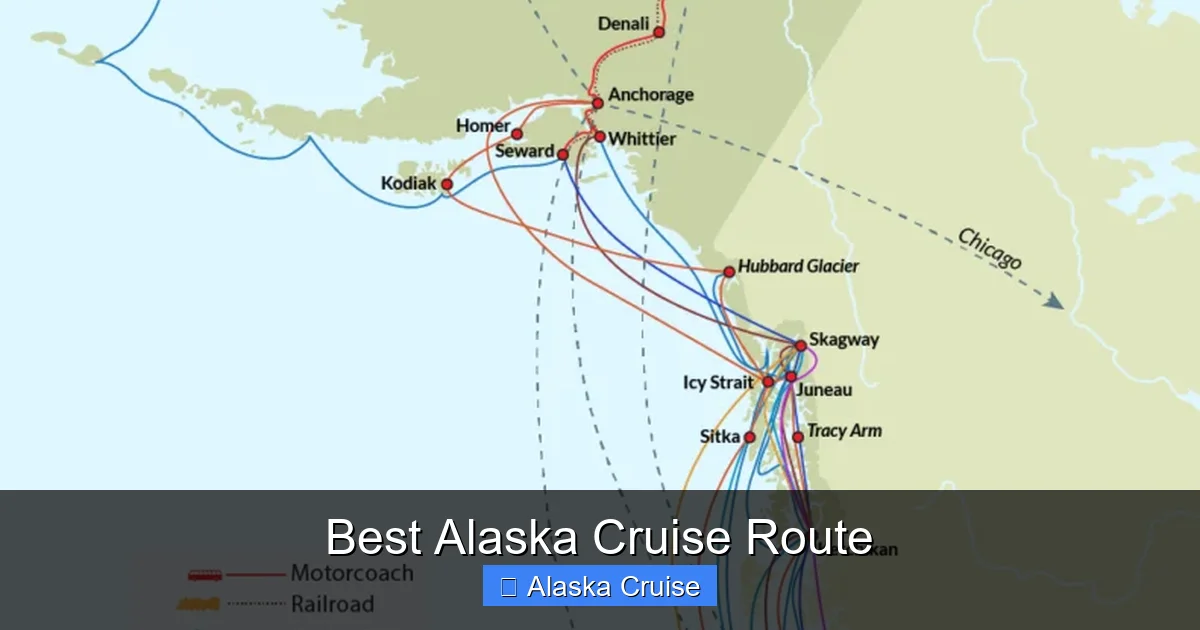
Visual guide about Best Alaska Cruise Route
Image source: oceanblissjourneys.com
The Inside Passage is the quintessential Alaska cruise experience. Stretching from Washington State up through British Columbia and into southeastern Alaska, this route is known for its calm waters, frequent wildlife sightings, and charming port towns. Most Inside Passage cruises last 7 to 10 days and depart from Seattle or Vancouver, making them ideal for travelers who want a hassle-free roundtrip journey.
One of the biggest draws of the Inside Passage is its accessibility. Ships sail through narrow channels surrounded by dense forests and snow-dusted mountains, offering panoramic views from every deck. You’ll pass by floating icebergs, watch eagles soar overhead, and maybe even spot a black bear foraging along the shore. The waters here are rich with marine life, so keep your eyes peeled for orcas, humpback whales, sea otters, and porpoises.
Top Ports on the Inside Passage Route
Ketchikan: Known as the “Salmon Capital of the World,” Ketchikan is your first real taste of Alaska. This colorful town clings to the steep shoreline, with wooden boardwalks and historic totem poles. Don’t miss a visit to Totem Bight State Park or a guided fishing tour. Many cruisers also take a floatplane ride over the Misty Fjords National Monument for jaw-dropping aerial views.
Juneau: Alaska’s capital city is accessible only by boat or plane, adding to its remote charm. Juneau sits at the base of Mount Juneau and offers easy access to the Mendenhall Glacier—a 13-mile-long river of ice that’s just a short drive from downtown. You can hike the glacier’s trails, take a helicopter tour, or even kayak near its face. Wildlife enthusiasts should book a whale-watching excursion; humpbacks are commonly seen feeding in the surrounding waters.
Skagway: Step back in time in this Gold Rush-era town. Skagway’s wooden sidewalks, historic saloons, and the iconic White Pass & Yukon Route Railway make it a favorite among history buffs. Take the train ride up the mountain for stunning views of the valley below, or hike the Chilkoot Trail for a taste of prospector life. Many cruise lines offer excursions that combine train rides with dog sledding or gold panning.
Best Time to Cruise the Inside Passage
The Inside Passage is most accessible from May through September. May and early June offer fewer crowds and lower prices, while July and August bring peak season with the warmest weather and longest days. September is ideal for fall colors and quieter ports, though some excursions may start winding down. Wildlife is active throughout the season, but whale sightings are most common in July and August.
Gulf of Alaska: Glaciers, Wilderness, and Adventure
For travelers seeking a more rugged and immersive experience, the Gulf of Alaska route is the way to go. These cruises typically last 9 to 14 days and often begin in one city and end in another—such as Seattle to Seward or Vancouver to Whittier. This one-way format allows for extended exploration and is perfect for combining with a land tour through Denali National Park or the Kenai Fjords.
The Gulf of Alaska route ventures into the state’s wilder, less-traveled regions. You’ll sail past massive tidewater glaciers, including the famous Hubbard Glacier—one of the largest in North America. At over 7 miles wide and nearly 800 feet tall, Hubbard Glacier is a spectacle of ice and sound. As the glacier calves, chunks of ice crash into the water with thunderous booms, creating icebergs that float past the ship.
Must-See Destinations on the Gulf Route
Hubbard Glacier: Often the highlight of any Gulf cruise, Hubbard Glacier is a must-see. Ships typically spend several hours cruising near the glacier’s face, giving passengers ample time to photograph the ice and listen to the natural symphony of cracking and calving. The best views are from the upper decks or outdoor promenades.
Icy Strait Point: Located near Hoonah, this private cruise destination offers a mix of adventure and culture. Ride the world’s largest zip line over the rainforest canopy, watch brown bears fish for salmon at nearby Anan Creek, or learn about Tlingit heritage at the cultural center. Icy Strait Point is also a prime spot for whale watching—humpbacks are frequently spotted here.
Glacier Bay National Park: A UNESCO World Heritage Site, Glacier Bay is a pristine wilderness area filled with glaciers, fjords, and wildlife. Ships enter the park early in the morning and spend the day cruising through icy waters. Rangers come aboard to share insights about the park’s ecology and history. Keep your camera ready—you might see glaciers calving, sea lions basking on ice floes, or even a bear on the shore.
Combining Cruise with a Land Tour
One of the biggest advantages of a Gulf of Alaska cruise is the ability to extend your trip with a land tour. Many cruise lines offer seamless packages that include a few days in Denali National Park, Fairbanks, or Anchorage. Imagine cruising past glaciers one day and spotting moose and caribou in Denali the next. These combo trips offer the best of both worlds—coastal beauty and inland adventure.
For example, a typical 12-day itinerary might include 7 days at sea and 5 days on land. You’ll disembark in Seward or Whittier, then take a scenic train ride to Denali. Spend a couple of days exploring the park on guided tours or hiking trails, then fly back home from Fairbanks or Anchorage. These packages are especially popular with travelers who want a comprehensive Alaska experience without the hassle of planning multiple legs.
Roundtrip vs. One-Way Cruises: Which Is Right for You?
One of the first decisions you’ll make when booking an Alaska cruise is whether to choose a roundtrip or one-way itinerary. Each has its pros and cons, depending on your travel preferences and logistics.
Roundtrip Cruises: Convenience and Simplicity
Roundtrip cruises depart and return to the same port—usually Seattle or Vancouver. This is the most convenient option for travelers who don’t want to deal with flights home from a different city. It’s also ideal for families, first-time cruisers, or anyone with limited vacation time.
Most roundtrip cruises follow the Inside Passage route, visiting ports like Ketchikan, Juneau, and Skagway. They typically last 7 days, though some extended versions go up to 10 days. The main advantage is simplicity: you fly into one city, cruise for a week, and fly home from the same place. No extra planning, no extra flights.
However, roundtrip cruises have limitations. You won’t reach the deeper wilderness areas like Glacier Bay or Hubbard Glacier. And because they’re so popular, ports can get crowded, especially in peak season.
One-Way Cruises: Extended Exploration and Adventure
One-way cruises start in one city and end in another—such as Seattle to Seward or Vancouver to Whittier. These are perfect for travelers who want a longer, more immersive experience. You’ll have more time at sea, visit more remote ports, and often combine your cruise with a land tour.
The downside is logistics. You’ll need to book a flight home from a different city, which can add cost and complexity. But for many, the trade-off is worth it. One-way cruises often include Glacier Bay, Hubbard Glacier, and Icy Strait Point—destinations that aren’t typically on roundtrip itineraries.
If you’re planning a one-way cruise, consider booking a cruise-land package. These bundles include your cruise, hotel stays, train rides, and tours, all coordinated by the cruise line. It’s a stress-free way to see more of Alaska without the hassle of planning every detail.
Choosing the Right Cruise Line and Ship
Not all Alaska cruises are created equal. The cruise line and ship you choose can greatly impact your experience. Here’s what to consider:
Large Cruise Lines: Amenities and Entertainment
Major cruise lines like Holland America, Princess, and Royal Caribbean dominate the Alaska market. These ships are floating resorts, with multiple dining options, Broadway-style shows, spas, and kids’ clubs. They’re great for families and travelers who want a mix of relaxation and activity.
Princess Cruises, for example, is known for its “North to Alaska” program, which includes local cuisine, cultural performances, and expert naturalists on board. Holland America offers longer itineraries and a more refined experience, with smaller crowds and elegant dining.
Small Ships: Intimacy and Access
If you prefer a quieter, more personal experience, consider a small ship cruise. Lines like UnCruise Adventures, Lindblad Expeditions, and Alaskan Dream Cruises operate vessels with fewer than 200 passengers. These ships can access remote ports and shallow waters that larger ships can’t reach.
Small ships often offer more hands-on experiences—think kayaking among icebergs, hiking in untouched wilderness, or Zodiac tours to see glaciers up close. The crew is usually more knowledgeable and engaged, and the atmosphere is more like a expedition than a vacation.
Budget vs. Luxury
Alaska cruises range from budget-friendly to ultra-luxury. Mainstream lines offer competitive pricing, especially if you book early or during shoulder season. Luxury lines like Seabourn and Silversea provide all-inclusive experiences with gourmet dining, spacious suites, and personalized service—but at a much higher price.
Consider what’s included: some lines include excursions, drinks, and Wi-Fi, while others charge extra. Read the fine print and compare total costs before booking.
Best Time to Cruise Alaska: Seasonal Insights
Timing is everything when it comes to an Alaska cruise. The season runs from May to September, but each month offers a different experience.
May and Early June: Quiet and Affordable
The shoulder season offers lower prices, fewer crowds, and the chance to see spring in Alaska. Glaciers are active, and wildlife is emerging from winter. However, some excursions may not be fully operational, and weather can be unpredictable.
July and August: Peak Season
These are the most popular months, with warm weather, long daylight hours, and full excursion availability. It’s the best time for whale watching, hiking, and glacier viewing. But expect higher prices and crowded ports.
September: Fall Colors and Fewer Crowds
September brings stunning fall foliage, especially in the Inside Passage. The weather is still mild, and crowds thin out. Some cruise lines offer discounts, and wildlife is still active. However, daylight hours shorten, and some tours may end by mid-September.
Packing Tips and What to Expect Onboard
Packing for an Alaska cruise requires preparation. The weather can change quickly, and layers are key. Bring a waterproof jacket, warm layers, sturdy walking shoes, and binoculars for wildlife spotting. Don’t forget sunscreen and sunglasses—glare off the water and ice can be intense.
Onboard, expect a mix of relaxation and activity. Most ships offer daily lectures by naturalists, cultural performances, and themed dinners. Shore excursions range from gentle walks to adrenaline-pumping adventures like dog sledding or glacier hiking. Book excursions early—popular tours sell out fast.
Conclusion: Finding Your Perfect Alaska Cruise Route
The best Alaska cruise route is the one that matches your interests, schedule, and travel style. Whether you choose the classic Inside Passage for its charm and convenience or the adventurous Gulf of Alaska for its glaciers and wilderness, you’re in for an unforgettable journey.
Take time to compare itineraries, consider ship size and cruise line, and think about whether a roundtrip or one-way cruise suits your needs. And don’t forget to book early—especially for peak season or popular excursions.
With its stunning landscapes, abundant wildlife, and rich culture, Alaska is a destination that rewards thoughtful planning. So pack your bags, grab your camera, and get ready to cruise into one of the world’s last great frontiers.
Frequently Asked Questions
What is the best month to take an Alaska cruise?
July and August offer the warmest weather, longest days, and best wildlife viewing, making them the most popular months. However, May and September provide fewer crowds and lower prices, with still-great conditions for cruising.
Can you see glaciers on an Inside Passage cruise?
Yes, but mostly smaller glaciers and icebergs. For massive tidewater glaciers like Hubbard or Glacier Bay, you’ll need a Gulf of Alaska cruise that ventures further north.
Do I need to book shore excursions in advance?
Yes, especially for popular activities like whale watching, dog sledding, or helicopter tours. These often sell out weeks or months in advance, particularly during peak season.
Are Alaska cruels family-friendly?
Absolutely. Many cruise lines offer kids’ clubs, family excursions, and educational programs. Roundtrip cruises from Seattle or Vancouver are especially convenient for families.
What should I pack for an Alaska cruise?
Pack layers, including a waterproof jacket, warm sweaters, and comfortable walking shoes. Don’t forget binoculars, sunscreen, and a camera with extra batteries.
Can I combine my cruise with a land tour?
Yes, many cruise lines offer cruise-land packages that include stays in Denali, Fairbanks, or Anchorage, plus train rides and guided tours—perfect for a full Alaska experience.