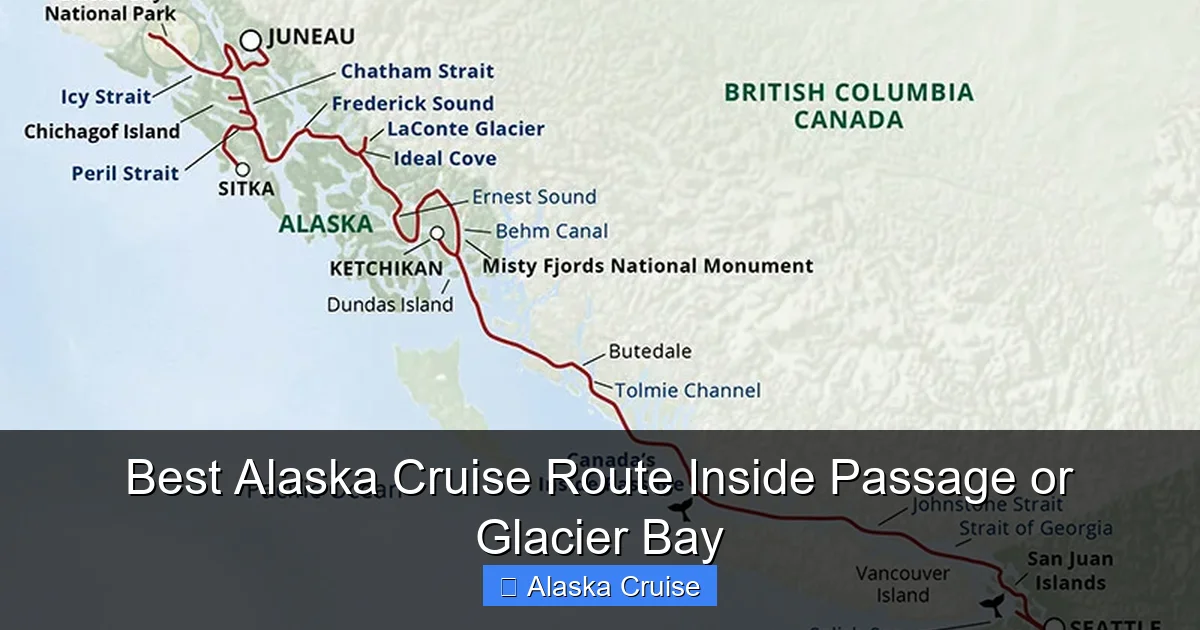
Choosing between an Alaska cruise through the Inside Passage and one that explores Glacier Bay comes down to what kind of adventure you crave. The Inside Passage offers charming coastal towns, lush rainforests, and frequent wildlife sightings, while Glacier Bay delivers jaw-dropping glaciers, remote wilderness, and UNESCO World Heritage status. Both routes deliver unforgettable experiences—this guide helps you pick the right one for your travel style.
Dreaming of towering glaciers, breaching humpback whales, and misty fjords wrapped in emerald forests? An Alaska cruise is one of the most breathtaking ways to experience the Last Frontier. But when it comes to planning your voyage, one big question looms: Should you sail the famed Inside Passage or venture into the wild heart of Glacier Bay?
You’re not alone in wondering. Both routes offer stunning scenery, incredible wildlife, and a front-row seat to nature’s grandeur. But they’re different experiences—like choosing between a charming coastal road trip and a remote wilderness expedition. The good news? Many Alaska cruises blend both, giving you the best of both worlds. Still, understanding the unique charms of each route helps you pick the itinerary that matches your travel dreams.
Whether you’re a first-time cruiser or a seasoned explorer, this guide breaks down everything you need to know about the best Alaska cruise route: Inside Passage or Glacier Bay. We’ll compare scenery, ports, wildlife, weather, excursions, and more—so you can set sail with confidence and excitement.
Key Takeaways
- Inside Passage cruises focus on coastal towns and scenic fjords: Ideal for travelers who love port stops, local culture, and milder weather with more predictable wildlife viewing.
- Glacier Bay cruises emphasize raw wilderness and massive glaciers: Best for nature purists seeking dramatic landscapes, calving ice, and a deeper connection to Alaska’s untamed beauty.
- Most major cruise lines include both routes in longer itineraries: A 7- to 10-day cruise often combines Glacier Bay National Park with Inside Passage ports like Juneau, Ketchikan, and Skagway.
- Wildlife varies by route and season: Inside Passage offers more consistent sightings of whales, bears, and eagles; Glacier Bay excels in marine mammals and seabird colonies.
- Weather and daylight differ significantly: Glacier Bay is cooler and more remote, while the Inside Passage has milder temps and longer daylight hours in summer.
- Shore excursions differ in focus: Inside Passage offers cultural tours, hiking, and flightseeing; Glacier Bay emphasizes kayaking, whale watching, and naturalist-led glacier tours.
- Book early for Glacier Bay access: Only a limited number of ships are permitted daily due to park conservation rules—secure your spot well in advance.
📑 Table of Contents
What Is the Inside Passage?
The Inside Passage is a protected waterway that winds along the Pacific coast of British Columbia and southeastern Alaska. Stretching over 1,000 miles, it’s a network of narrow channels, deep fjords, and sheltered inlets that shield ships from the rougher waters of the open Pacific. This route has been used for centuries by Indigenous peoples, fur traders, and gold prospectors—and today, it’s one of the most popular cruise corridors in the world.
Unlike open-ocean voyages, the Inside Passage offers calm seas and close-up views of coastal mountains, cascading waterfalls, and dense temperate rainforests. It’s also dotted with charming port towns that serve as gateways to Alaskan culture and adventure. Think totem poles in Ketchikan, gold rush history in Skagway, and Tlingit heritage in Juneau.
One of the biggest draws of the Inside Passage is its accessibility. Ships can dock in small towns, allowing passengers to explore local markets, hike scenic trails, or take guided tours—all within a few hours. The route is also ideal for families and first-time cruisers, thanks to its predictable weather and frequent wildlife sightings.
Top Ports of Call on the Inside Passage
The Inside Passage isn’t just about the water—it’s about the places you visit along the way. Each port offers a unique slice of Alaskan life, from historic mining towns to Indigenous cultural centers.
Ketchikan is often the first stop on southbound cruises. Known as the “Salmon Capital of the World,” this colorful town clings to the cliffs of Revillagigedo Island. Stroll along Creek Street, visit the Totem Heritage Center, or take a floatplane tour to Misty Fjords National Monument for jaw-dropping views of granite cliffs and waterfalls.
Juneau, Alaska’s capital, is accessible only by boat or plane—making it a true adventure destination. Here, you can hike the Mendenhall Glacier Trail, go whale watching in Stephens Passage, or take a dog sledding tour on a glacier (yes, really!). Juneau blends urban charm with wild surroundings, offering something for every traveler.
Skagway feels like a step back in time. This Gold Rush-era town still has wooden boardwalks and false-front buildings from the 1890s. Ride the White Pass & Yukon Route Railway for panoramic mountain views, pan for gold, or explore the Klondike Gold Rush National Historical Park. It’s history come to life.
Other notable stops include Wrangell, home to petroglyphs and the Anan Wildlife Observatory (a prime bear-viewing spot), and Haines, a quiet arts community with stunning mountain backdrops and excellent eagle-watching opportunities.
Scenery and Wildlife in the Inside Passage
The Inside Passage is a visual feast. As your ship glides through narrow channels, you’ll pass snow-capped peaks, old-growth forests, and cascading waterfalls that feed into the sea. The water itself is often glassy calm, reflecting the sky and surrounding mountains like a mirror.
Wildlife is abundant and often easy to spot. Humpback whales, orcas, and Dall’s porpoises are common, especially in summer when salmon runs attract marine predators. On land, black bears forage along riverbanks, bald eagles soar overhead, and sea lions bask on rocky outcrops. Birdwatchers will love the chance to see puffins, marbled murrelets, and kingfishers.
One of the best things about the Inside Passage is the frequency of sightings. Because the route stays close to shore and passes through rich feeding grounds, you’re likely to see wildlife almost daily. Many ships even have naturalists on board to point out animals and explain the ecosystem.
What Is Glacier Bay National Park?
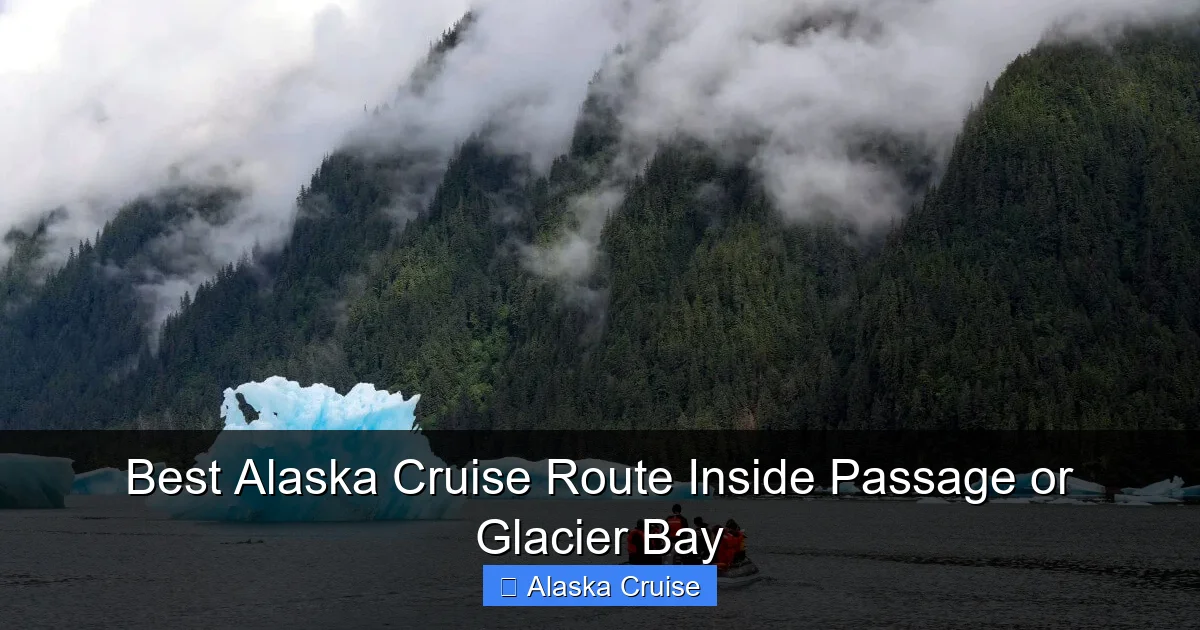
Visual guide about Best Alaska Cruise Route Inside Passage or Glacier Bay
Image source: uncruise-alaska.com
If the Inside Passage is a scenic coastal drive, Glacier Bay is a deep wilderness expedition. Located in the heart of the Tongass National Forest, Glacier Bay National Park and Preserve is a UNESCO World Heritage Site and one of the most pristine ecosystems on Earth. Spanning over 3.3 million acres, it’s home to massive tidewater glaciers, fjords carved by ice, and a stunning array of marine and terrestrial wildlife.
Unlike the Inside Passage, Glacier Bay is remote and largely undeveloped. There are no roads, no towns, and no cell service—just raw, untamed nature. Ships enter the park through the Grand Pacific and Johns Hopkins Glaciers, where towering walls of blue ice calve into the sea with thunderous cracks.
Visiting Glacier Bay feels like stepping into another world. The silence is profound, broken only by the sound of wind, waves, and the occasional roar of falling ice. It’s a place that reminds you of Earth’s power and beauty—and why conservation matters.
Glaciers and Ice Formations
Glacier Bay is famous for its dynamic glaciers, many of which are still advancing. The park contains over a dozen major tidewater glaciers, including the Margerie Glacier, which stretches over 21 miles and rises 200 feet above the water. When a chunk of ice breaks off—a process called “calving”—it sends waves rippling across the bay and echoes through the fjord.
One of the most dramatic sights is the Lamplugh Glacier, known for its deep blue ice and frequent calving events. The Johns Hopkins Glacier is another standout, with its sheer face and vibrant turquoise meltwater pools. These glaciers are not just beautiful—they’re also indicators of climate change, retreating and advancing in response to shifting temperatures.
Wildlife in Glacier Bay
Despite its icy reputation, Glacier Bay teems with life. The nutrient-rich waters support a rich food web, attracting marine mammals like humpback whales, orcas, sea otters, and harbor seals. Steller sea lions haul out on rocky islets, while porpoises zip alongside the ship.
Birdlife is equally impressive. Tufted puffins nest on cliff ledges, bald eagles perch in spruce trees, and kittiwakes swarm the skies. In the forests, brown bears (including the rare Glacier Bay bear subspecies) forage for berries and salmon, while mountain goats scale steep cliffs.
One of the best ways to experience Glacier Bay’s wildlife is from the ship’s deck. Naturalists often lead guided wildlife watches, using binoculars and spotting scopes to help passengers identify animals. Some ships even offer hydrophones so you can listen to whale songs beneath the surface.
Comparing the Two Routes: Inside Passage vs. Glacier Bay
So, which route is better? The answer depends on what you’re looking for. Let’s break it down side by side.
Scenery and Landscape
The Inside Passage offers lush, green landscapes with a mix of forests, waterfalls, and coastal towns. It’s picturesque and inviting, with a sense of human connection to the land. Glacier Bay, by contrast, is raw and dramatic—icy fjords, towering glaciers, and vast open spaces that feel almost otherworldly.
If you love vibrant colors and accessible beauty, the Inside Passage wins. If you’re drawn to stark, powerful landscapes and the thrill of witnessing nature’s forces, Glacier Bay is unmatched.
Wildlife Viewing
Both routes offer excellent wildlife, but the types and frequency differ. The Inside Passage provides more consistent sightings of whales, bears, and eagles, especially near river mouths and salmon streams. Glacier Bay excels in marine mammals and seabirds, with opportunities to see orcas, sea otters, and puffins in their natural habitat.
In short: Inside Passage = reliable and diverse wildlife. Glacier Bay = rare and dramatic encounters.
Port Stops and Cultural Experiences
This is where the Inside Passage shines. With multiple port calls, you can explore Alaskan towns, learn about Indigenous cultures, and enjoy local cuisine. Glacier Bay has no ports—ships slow down for scenic cruising and wildlife viewing, but there are no opportunities to disembark.
If you enjoy shore excursions, shopping, and cultural immersion, the Inside Passage is the clear winner. If you prefer uninterrupted nature and solitude, Glacier Bay is ideal.
Weather and Comfort
The Inside Passage has milder weather, with summer temperatures averaging 55–65°F (13–18°C). It’s also more sheltered, so seas are calmer. Glacier Bay is cooler, often 45–55°F (7–13°C), and can be windier due to its exposed location.
For travelers sensitive to cold or motion, the Inside Passage is more comfortable. Glacier Bay requires warmer clothing and a sense of adventure.
Accessibility and Crowds
The Inside Passage is more accessible, with frequent sailings and multiple cruise lines offering itineraries. It’s also more popular, so ships can feel busier. Glacier Bay has strict conservation rules—only two ships are allowed per day—making it more exclusive but harder to book.
If you want flexibility and variety, choose the Inside Passage. If you value exclusivity and pristine nature, Glacier Bay is worth the effort.
Best Cruise Lines for Each Route
Not all cruise lines are created equal when it comes to Alaska. Some specialize in luxury, others in adventure or family-friendly experiences. Here’s a look at the top options for each route.
Inside Passage Favorites
Holland America Line is a longtime favorite for Inside Passage cruises. Their ships are mid-sized, offering a balance of comfort and access. They include multiple port stops and have excellent naturalist programs.
Princess Cruises offers “Voyage of the Glaciers” itineraries that combine the Inside Passage with a land tour to Denali National Park. Their ships are larger, with more dining and entertainment options.
Norwegian Cruise Line (NCL) is great for families and first-timers. Their “Freestyle Cruising” allows flexible dining and activities, and they often include fun ports like Ketchikan and Skagway.
Glacier Bay Specialists
UnCruise Adventures is a small-ship operator that focuses on intimate, adventure-focused voyages. Their ships carry fewer than 100 passengers and spend multiple days in Glacier Bay, offering kayaking, hiking, and wildlife tours.
Lindblad Expeditions (in partnership with National Geographic) offers expedition-style cruises with expert naturalists, photographers, and scientists on board. Their ships are designed for exploration, with Zodiacs for up-close glacier viewing.
Royal Caribbean includes Glacier Bay on select 7-night itineraries, often combined with Inside Passage ports. Their larger ships offer more amenities, but the experience is less intimate.
Sample Itineraries: Combining Both Routes
The best Alaska cruise route? Often, it’s one that includes both the Inside Passage and Glacier Bay. Most 7- to 10-day cruises from Seattle or Vancouver do exactly that, giving you the perfect blend of culture, adventure, and natural wonder.
Here’s a sample 7-night itinerary:
- Day 1: Depart Seattle
- Day 2: At sea (enjoy ship amenities, attend naturalist talks)
- Day 3: Ketchikan (Inside Passage) – Explore Creek Street, visit totem parks, or take a floatplane tour
- Day 4: Juneau (Inside Passage) – Whale watching, Mendenhall Glacier hike, or dog sledding
- Day 5: Skagway (Inside Passage) – Ride the White Pass Railway or pan for gold
- Day 6: Glacier Bay National Park – Scenic cruising, glacier viewing, wildlife watching
- Day 7: At sea – Relax, enjoy lectures, and reflect on your journey
- Day 8: Arrive in Vancouver or Seattle
This itinerary gives you the best of both worlds: charming towns, cultural experiences, and the raw beauty of Glacier Bay. It’s a well-rounded adventure that satisfies all types of travelers.
Tips for Choosing Your Alaska Cruise Route
Still unsure? Here are some practical tips to help you decide:
- Consider your travel style: Do you prefer port stops and activities, or quiet time in nature? Inside Passage for culture, Glacier Bay for solitude.
- Think about the season: July and August offer the best weather and wildlife, but also the most crowds. May and September are quieter, with fewer tourists and lower prices.
- Check the itinerary details: Not all “Glacier Bay” cruises spend the same amount of time in the park. Look for ships that enter early in the morning and stay through the afternoon for the best light and wildlife.
- Book early: Glacier Bay permits are limited. If you want to visit, book at least 6–12 months in advance.
- Pack smart: Bring layers, waterproof gear, and binoculars. Even in summer, Alaska can be chilly and wet.
- Choose the right ship size: Smaller ships can get closer to glaciers and navigate narrower channels. Larger ships offer more amenities but may have less access.
Final Thoughts: Which Route Is Right for You?
There’s no wrong choice when it comes to an Alaska cruise—only the right choice for you. The Inside Passage is perfect for travelers who love exploring towns, learning about culture, and enjoying frequent wildlife sightings in a comfortable setting. Glacier Bay is ideal for nature lovers who crave dramatic landscapes, solitude, and the awe-inspiring power of glaciers.
But why choose? Most of the best Alaska cruise routes combine both, letting you experience the charm of coastal communities and the majesty of untouched wilderness. Whether you’re sipping coffee on deck as a whale breaches nearby or hiking through a rainforest in Ketchikan, Alaska will leave you breathless.
So pack your bags, bring your sense of wonder, and set sail on the adventure of a lifetime. The Last Frontier is waiting.
Frequently Asked Questions
Is Glacier Bay part of the Inside Passage?
No, Glacier Bay is not technically part of the Inside Passage, though many cruises include both. The Inside Passage refers to the coastal waterway through southeastern Alaska and British Columbia, while Glacier Bay is a separate national park located further north. However, most itineraries combine the two for a complete Alaskan experience.
Which route has better whale watching?
Both routes offer excellent whale watching, but the Inside Passage tends to have more consistent sightings due to salmon-rich waters near ports like Juneau and Ketchikan. Glacier Bay is better for orcas and humpbacks in deeper waters, especially during summer migrations.
Can you go ashore in Glacier Bay?
No, there are no port stops or opportunities to go ashore in Glacier Bay National Park. Ships slow down for scenic cruising and wildlife viewing, but passengers remain on board. The park is protected to preserve its pristine environment.
What’s the best time of year for an Alaska cruise?
Late May to early September is ideal. July and August offer the warmest weather, longest daylight, and peak wildlife activity. May and September are quieter, with fewer crowds and lower prices, but some excursions may be limited.
Do I need to book excursions in advance?
Yes, especially for popular activities like whale watching, dog sledding, and flightseeing. Shore excursions fill up quickly, particularly in Glacier Bay and major ports. Booking early ensures you get your top choices.
Are Alaska cruises suitable for families?
Absolutely. Many cruise lines offer family-friendly amenities, kids’ clubs, and educational programs. The Inside Passage, with its port stops and cultural activities, is especially great for families. Glacier Bay is more serene but still engaging for older children and teens.