The best month to cruise Alaska to see the northern lights is September. While auroras can appear from late August to early April, September offers the ideal mix of dark skies, clear weather, and active solar activity—plus, it’s still within the peak Alaska cruise season.
Key Takeaways
- September is the prime month: Offers long nights, minimal light pollution, and high auroral activity, all while cruise ships are still sailing.
- Northern lights are unpredictable: Even in the best months, sightings depend on solar activity, weather, and cloud cover—patience is key.
- Choose inland or remote ports: Places like Skagway, Haines, or Glacier Bay offer darker skies and better viewing than busier cities like Juneau.
- Book a cruise with extended evening port time: Cruises that dock overnight or late in remote towns increase your chances of seeing the aurora.
- Pack warm, dark-clothing gear: Layered clothing, headlamps with red lights, and a tripod for photography enhance the experience.
- Monitor aurora forecasts: Use apps like My Aurora Forecast or NOAA’s Space Weather Prediction Center to track real-time activity.
- Consider a pre- or post-cruise land tour: Extending your trip to Fairbanks or Denali increases your odds of seeing the lights under optimal conditions.
📑 Table of Contents
- Why the Northern Lights in Alaska Are a Once-in-a-Lifetime Experience
- Understanding the Aurora Borealis: What Makes the Lights Appear?
- Alaska Cruise Seasons: When Do Ships Sail and Why It Matters
- Why September Is the Best Month to Cruise Alaska to See the Northern Lights
- Best Cruise Itineraries for Northern Lights Viewing
- Tips for Maximizing Your Chances of Seeing the Northern Lights
- What to Expect: Realistic Expectations for Aurora Viewing on a Cruise
- Conclusion: Plan Your September Alaska Cruise for the Best Aurora Experience
Why the Northern Lights in Alaska Are a Once-in-a-Lifetime Experience
There’s something magical about standing under a sky painted with dancing ribbons of green, purple, and pink light. The northern lights, or aurora borealis, are one of nature’s most breathtaking displays—and Alaska is one of the best places on Earth to witness them. While many travelers dream of seeing the aurora, few realize that timing is everything. If you’re planning an Alaska cruise with the northern lights on your bucket list, you’ll want to know exactly when and where to go.
Alaska’s vast wilderness, minimal light pollution, and location under the “Auroral Oval”—a ring-shaped zone where auroras are most frequent—make it a prime destination for aurora chasers. But unlike visiting a museum or a national park, seeing the northern lights isn’t guaranteed. It depends on a mix of solar activity, weather, darkness, and luck. That’s why choosing the right month for your Alaska cruise is crucial.
Most people assume that winter is the best time to see the northern lights, and while that’s true for land-based trips to places like Fairbanks or Utqiaġvik (Barrow), it’s a different story when you’re on a cruise ship. Alaska cruises typically run from May to September, with peak season in June, July, and August. But here’s the catch: during the summer months, Alaska experiences nearly 24 hours of daylight. That means no darkness—and no northern lights. So, if you want to combine the beauty of an Alaska cruise with the chance to see the aurora, you need to think strategically about timing.
Understanding the Aurora Borealis: What Makes the Lights Appear?

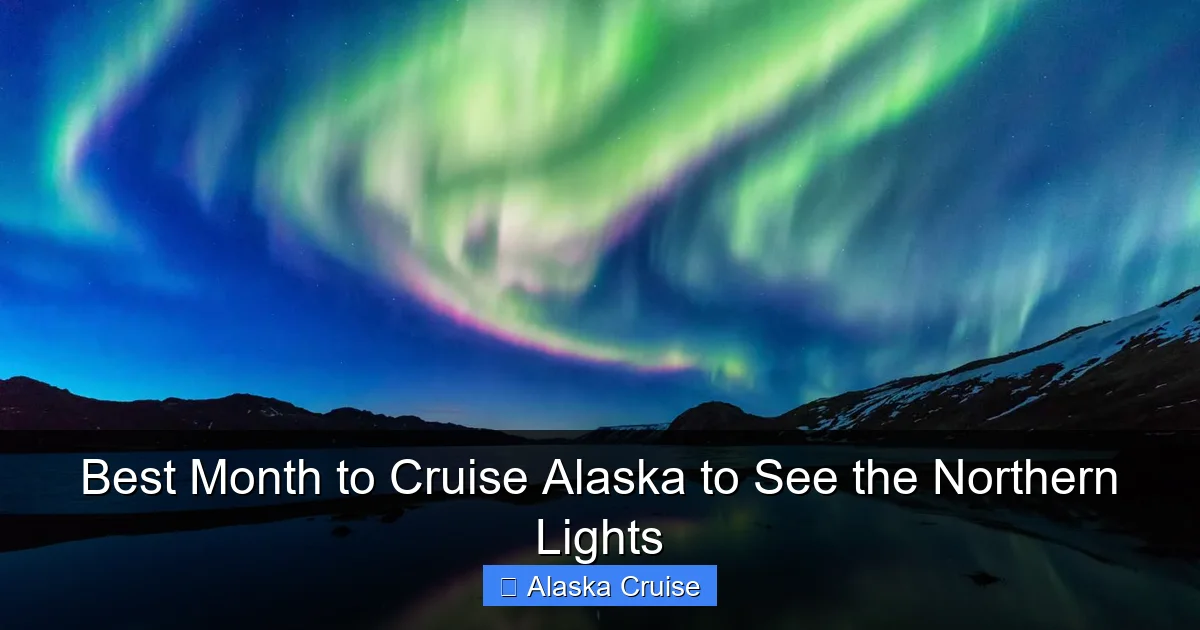
Visual guide about Best Month to Cruise Alaska to See the Northern Lights
Image source: elliestraveltips.com
Before diving into the best month to cruise Alaska to see the northern lights, it helps to understand what causes this stunning phenomenon. The northern lights occur when charged particles from the sun collide with gases in Earth’s atmosphere. These particles are carried toward the poles by the solar wind and are guided by Earth’s magnetic field. When they enter the atmosphere, they excite oxygen and nitrogen molecules, causing them to emit light.
The color of the aurora depends on which gas is excited and at what altitude. Oxygen emits green and red light—green is the most common and visible to the human eye. Nitrogen produces blue or purple hues. The intensity and frequency of the lights depend on solar activity, which follows an 11-year cycle. During periods of high solar activity, known as solar maximum, auroras are more frequent and vivid.
The aurora borealis is most commonly seen in a band around the North Pole called the Auroral Oval. This oval shifts with solar activity, but it consistently covers parts of Alaska, especially the interior and northern regions. That’s why places like Fairbanks, Denali, and the Arctic Circle are famous for aurora viewing. However, coastal areas—like those visited by cruise ships—can also offer good sightings, especially when the oval expands during strong solar storms.
One key factor in seeing the northern lights is darkness. The aurora is always present, but it’s only visible when the sky is dark enough. In Alaska, the summer months bring the “midnight sun,” where the sun doesn’t set at all in the far north. Even in southern coastal towns like Juneau or Ketchikan, daylight lasts well into the evening during June and July. That’s why summer cruises, while beautiful for glaciers and wildlife, are not ideal for aurora viewing.
Alaska Cruise Seasons: When Do Ships Sail and Why It Matters
Alaska cruises operate on a seasonal schedule, typically from early May to late September. This window aligns with the region’s mild weather, calmer seas, and accessibility to ports and attractions. However, each month within this season offers a different experience—especially when it comes to seeing the northern lights.
May: The Start of the Season
May marks the beginning of the Alaska cruise season. Days are getting longer, and the landscape is coming alive after winter. Wildlife is active, and glaciers are calving. However, May is still quite early for northern lights viewing. While the nights are dark enough in southern ports, solar activity tends to be lower in spring. Additionally, many cruise lines don’t offer extended evening port times in May, and cloud cover can be unpredictable.
June and July: Peak Summer, Midnight Sun
These are the busiest months for Alaska cruises. The weather is warmest, wildlife sightings are frequent, and the scenery is at its most vibrant. However, June and July are the worst months to see the northern lights. In southern Alaska, sunset can be as late as 10 p.m., and the sky doesn’t get truly dark until after midnight—if at all. In northern regions, the sun doesn’t set. Even if auroras are active, you won’t be able to see them in the bright twilight.
August: The Transition Month
August is a transitional month. The days are still long, but nights are getting darker. By late August, especially in northern ports like Skagway or Haines, the sky can be dark enough for aurora viewing after 10 p.m. However, cloud cover increases as fall approaches, and cruise itineraries may not include extended evening stays in remote areas.
September: The Sweet Spot
This is where things get exciting. September is widely considered the best month to cruise Alaska to see the northern lights. Here’s why:
– Nights are long enough for darkness: By mid-September, sunset occurs around 8 p.m. in southern Alaska, and the sky is fully dark by 9:30 p.m. In northern ports, darkness arrives even earlier.
– Solar activity increases: Historically, September sees a rise in geomagnetic activity, making auroras more likely.
– Cruise ships are still sailing: Most major cruise lines, including Holland America, Princess, and Norwegian, operate full itineraries through September.
– Weather is still favorable: While it can be cooler and wetter than summer, September often has clearer skies than October or November.
– Fewer crowds: After Labor Day, tourist numbers drop, meaning quieter ports and better access to viewing spots.
Why September Is the Best Month to Cruise Alaska to See the Northern Lights
If you’re serious about catching the northern lights on an Alaska cruise, September is your best bet. It’s the only month that combines the logistical advantages of the cruise season with the astronomical conditions needed for aurora viewing.
Dark Skies Return
By September, the long summer days are behind us. In cities like Juneau, sunset occurs around 7:45 p.m. by the end of the month, and the sky is fully dark by 9 p.m. In more northern ports like Skagway or Haines, darkness arrives even earlier. This is a game-changer for aurora hunters. While you might still need to stay up late, the window for viewing opens up significantly compared to June or July.
Increased Solar Activity
Solar activity tends to peak around the equinoxes—March and September. This is due to the alignment of Earth’s magnetic field with the solar wind, which allows more charged particles to enter the atmosphere. September, in particular, has a reputation among aurora chasers as one of the best months for strong, frequent displays. Historical data from the NOAA Space Weather Prediction Center shows that geomagnetic storms are more common in September than in the summer months.
Cruise Itineraries Still Active
Unlike land-based aurora tours, which often run from September through March, Alaska cruises don’t operate in winter. That makes September the last real chance to combine a cruise with aurora viewing. Most major cruise lines offer full 7- to 10-day itineraries through mid-September, with some extending into early October. These cruises visit key ports like Juneau, Skagway, Ketchikan, and Glacier Bay—many of which offer dark skies and minimal light pollution.
Better Weather Than Winter Months
While September can be cool and rainy, it’s still far more comfortable than winter. Average temperatures range from 45°F to 60°F (7°C to 15°C), and seas are generally calmer than in the stormy winter months. This makes it easier to enjoy outdoor viewing without battling extreme cold or rough waters.
Fewer Tourists, More Opportunities
After the summer rush, September brings fewer crowds. This means quieter ports, easier access to scenic viewpoints, and less light pollution from hotels and attractions. It’s also easier to book shore excursions or private tours focused on aurora viewing.
Best Cruise Itineraries for Northern Lights Viewing
Not all Alaska cruises are created equal when it comes to seeing the northern lights. To maximize your chances, you’ll want to choose an itinerary that includes extended evening port time in remote or northern locations.
Northbound Cruises Ending in Seward or Whittier
Cruises that start in Vancouver or Seattle and end in Seward (near Anchorage) or Whittier often spend more time in northern ports like Skagway and Haines. These areas are farther north and have darker skies. Look for itineraries that dock overnight or leave late in the evening—this gives you time to explore after dark.
Round-Trip Cruises with Late Departures
Some round-trip cruises from Seattle or Vancouver include late departures from ports like Juneau or Ketchikan. For example, a ship might arrive in Juneau at 8 a.m. and not depart until 11 p.m. This gives you 15 hours in port—plenty of time to take a helicopter tour, visit Mendenhall Glacier, and then head to a dark sky spot for aurora viewing after sunset.
Cruises That Visit Glacier Bay National Park
Glacier Bay is one of the most remote and pristine areas on any Alaska cruise. With no roads or towns, it offers some of the darkest skies in the region. While you won’t be able to disembark, being on deck at night with no light pollution can be an incredible aurora viewing experience—especially if the ship slows down or anchors overnight.
Smaller Ships and Expedition Cruises
Consider booking a smaller ship or an expedition-style cruise. These vessels often have more flexible itineraries and can linger in areas with high aurora potential. Companies like UnCruise Adventures, Lindblad Expeditions, and Alaskan Dream Cruises offer smaller groups and more intimate experiences, including guided aurora viewing on deck.
Tips for Maximizing Your Chances of Seeing the Northern Lights
Even in September, seeing the northern lights isn’t guaranteed. But with the right preparation and mindset, you can greatly increase your odds.
Check the Aurora Forecast
Before your trip, download apps like My Aurora Forecast, Aurora Alerts, or the NOAA Space Weather app. These tools provide real-time data on geomagnetic activity (measured by the KP index), cloud cover, and visibility. A KP index of 3 or higher is ideal for viewing in Alaska.
Get Away from City Lights
Light pollution is the enemy of aurora viewing. Even in small towns like Juneau or Ketchikan, streetlights and buildings can wash out the sky. Head to a remote area—like a beach, mountain overlook, or national park. In Skagway, try the Dyea Trail or the White Pass Summit. In Juneau, the Mount Roberts Tram area offers elevated views with less light.
Dress Warmly and Stay Comfortable
Aurora viewing often means standing still in the cold for long periods. Wear thermal base layers, a warm jacket, gloves, a hat, and waterproof boots. Bring a thermos of hot tea or cocoa to stay warm. A small camping chair or blanket can make the experience more comfortable.
Use a Camera with Manual Settings
The human eye is great for seeing the aurora, but a camera can capture details you might miss. Use a tripod and set your camera to manual mode: ISO 1600–3200, aperture f/2.8 or lower, and shutter speed 10–25 seconds. Avoid using flash or bright screens, as they can ruin your night vision.
Be Patient and Flexible
Auroras can appear suddenly and disappear just as fast. Some nights, you might see nothing. Other nights, the sky could erupt in color. Stay out as long as you can, and don’t get discouraged. Even a faint green glow is worth celebrating.
Consider a Land Extension
For the best aurora experience, consider adding a pre- or post-cruise land tour to Fairbanks or Denali. These inland locations are farther north and have higher aurora visibility rates. Fairbanks, in particular, is known as one of the best places in the world to see the northern lights, with clear skies and minimal light pollution.
What to Expect: Realistic Expectations for Aurora Viewing on a Cruise
It’s important to go into your Alaska cruise with realistic expectations. While September offers the best chance, seeing the northern lights is never guaranteed. Weather, cloud cover, and solar activity all play a role. Some travelers see vibrant displays; others see only faint glows or nothing at all.
That said, even a partial sighting can be unforgettable. A soft green arc across the horizon, a sudden flash of purple, or a slow-moving curtain of light can leave a lasting impression. And if you don’t see the aurora, an Alaska cruise in September still offers incredible experiences: calving glaciers, whale watching, hiking through temperate rainforests, and learning about Indigenous cultures.
Think of the northern lights as a bonus—a magical possibility that adds excitement to your journey. With the right timing, location, and preparation, you’ll give yourself the best possible chance to witness one of nature’s greatest shows.
Conclusion: Plan Your September Alaska Cruise for the Best Aurora Experience
If you’ve been dreaming of seeing the northern lights while cruising through Alaska’s stunning coastline, September is the month to book your trip. It’s the only time of year that combines the beauty of an Alaska cruise with the darkness and solar activity needed for aurora viewing. With longer nights, increased geomagnetic activity, and still-active cruise itineraries, September offers the perfect window for this once-in-a-lifetime experience.
Choose a cruise that visits northern ports like Skagway or Haines, look for extended evening port time, and pack your warmest clothes. Monitor aurora forecasts, get away from city lights, and be ready to stay up late. And if you’re serious about maximizing your chances, consider adding a land tour to Fairbanks or Denali.
While the northern lights are never guaranteed, September gives you the best odds. So set your sights on the September sky, and prepare to be amazed by the dance of the aurora borealis over the wild beauty of Alaska.
Frequently Asked Questions
Can you see the northern lights on an Alaska cruise?
Yes, but only during certain months. The northern lights are visible on Alaska cruises primarily in September, when nights are dark enough and solar activity is high. Summer months (June–August) have too much daylight for aurora viewing.
Is September too late for an Alaska cruise?
No, September is actually an ideal time to cruise Alaska. The weather is still mild, crowds are smaller, and it’s the best month to see the northern lights. Most major cruise lines operate full itineraries through mid-September.
Which Alaska cruise port is best for seeing the northern lights?
Skagway and Haines are among the best ports for aurora viewing due to their northern location and minimal light pollution. Glacier Bay also offers dark skies, though you won’t be able to disembark.
Do I need special equipment to see the northern lights?
No special equipment is required, but a camera with manual settings, a tripod, and warm clothing will enhance your experience. Red-light headlamps help preserve night vision.
What is the KP index, and why does it matter?
The KP index measures geomagnetic activity. A KP of 3 or higher increases the chances of seeing the northern lights in Alaska. You can check it using aurora forecast apps.
Can I see the northern lights in June or July on an Alaska cruise?
No, because Alaska experiences nearly 24 hours of daylight in summer. The sky doesn’t get dark enough for aurora visibility, even if solar activity is high.