The best month to cruise Alaska Inside Passage is July, offering warm weather, long daylight hours, peak wildlife activity, and calm seas. While June and August are also excellent choices, July strikes the perfect balance for most travelers seeking comfort and adventure.
Key Takeaways
- July is the peak month: Offers the warmest temperatures, longest days, and highest chance of spotting whales, bears, and other wildlife.
- June brings early-season charm: Fewer crowds, blooming wildflowers, and active wildlife make it a great alternative to July.
- August has lingering summer warmth: Still excellent for wildlife viewing and scenic beauty, with slightly lower prices than July.
- May and September are shoulder months: Offer budget-friendly fares and fewer tourists, but with cooler weather and shorter days.
- Weather varies significantly: Pack layers regardless of when you go—Alaska’s climate is unpredictable even in summer.
- Wildlife sightings peak mid-summer: July and August are best for whale migrations, bear foraging, and bird activity.
- Book early for July cruises: Demand is highest during peak season, so secure cabins and excursions well in advance.
📑 Table of Contents
- Introduction: Why the Timing of Your Alaska Cruise Matters
- Understanding the Alaska Cruise Season
- May: The Quiet Start to the Season
- June: The Sweet Spot for Early Summer
- July: The Peak of the Alaska Cruise Season
- August: Late Summer Magic
- September: The Quiet Farewell
- Conclusion: Choosing the Best Month for You
Introduction: Why the Timing of Your Alaska Cruise Matters
Planning a cruise through the Alaska Inside Passage is one of the most rewarding travel experiences you can have. Towering glaciers, misty fjords, lush rainforests, and abundant wildlife create a landscape that feels almost otherworldly. But to truly make the most of your journey, timing is everything. The best month to cruise Alaska Inside Passage isn’t just about comfort—it’s about maximizing your chances to see whales breaching, bears fishing for salmon, and glaciers calving into icy waters.
The Alaska cruise season runs from May through September, a narrow window when the weather is mild enough and the waters calm enough for safe and enjoyable travel. Each month within this period offers a unique flavor of Alaska. Some travelers prioritize warm weather and long days, while others prefer fewer crowds and lower prices. Understanding the differences between these months helps you choose the one that aligns with your travel style, budget, and bucket-list experiences.
Whether you’re a first-time cruiser or a seasoned adventurer, this guide will walk you through the pros and cons of each month, helping you decide when to set sail. From wildlife activity and weather patterns to pricing and crowd levels, we’ll cover everything you need to know to pick the ideal time for your Alaska Inside Passage cruise.
Understanding the Alaska Cruise Season

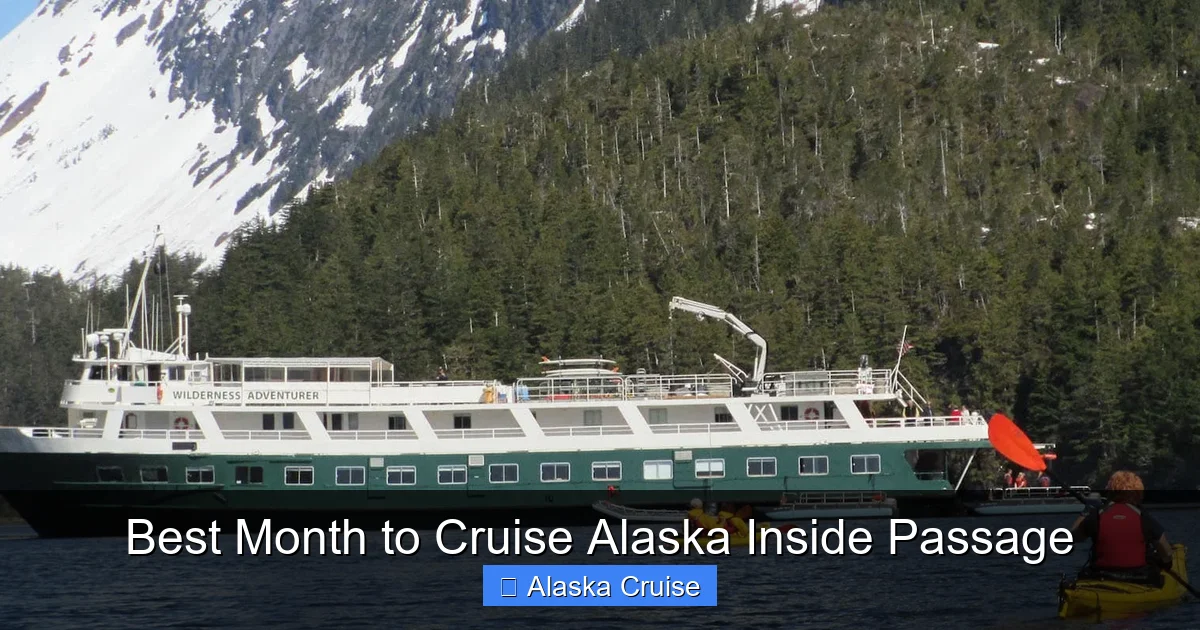
Visual guide about Best Month to Cruise Alaska Inside Passage
Image source: hollandamerica.com
The Alaska cruise season is relatively short, spanning just five months from late May to early September. This is due to the region’s subarctic climate, where winters are long, harsh, and often impassable for cruise ships. The Inside Passage—a network of coastal waterways stretching from Washington State up through British Columbia and into southeastern Alaska—is only navigable during these warmer months when ice melts and weather conditions stabilize.
Cruise lines typically begin their Alaska itineraries in mid-to-late May, with most ships arriving in early June. The season peaks in July and August, when the majority of travelers flock to Alaska for summer vacations. By early September, many ships begin winding down operations, with the final departures usually occurring by mid-September.
Each month within this window offers a different experience. Early-season cruises (May and June) often feature blooming landscapes and active wildlife emerging from winter hibernation. Mid-season (July) delivers the most favorable weather and longest days, making it the most popular time to go. Late-season cruises (August and September) offer lingering summer warmth, fewer tourists, and lower prices—though with the trade-off of cooler temperatures and shorter daylight hours.
Why the Inside Passage Is Special
The Inside Passage is more than just a route—it’s a destination in itself. This protected waterway winds through a maze of islands, inlets, and coastal mountains, offering some of the most dramatic scenery in North America. Unlike open-ocean cruises, the Inside Passage provides calm waters, reducing the risk of seasickness and allowing for closer views of coastal towns, wildlife, and natural wonders.
Key ports along the route include Juneau (Alaska’s capital), Skagway (a historic gold rush town), Ketchikan (known as the “Salmon Capital of the World”), and Victoria, British Columbia (a charming Canadian city with British flair). Many cruises also include scenic cruising through Glacier Bay National Park and Hubbard Glacier, where passengers can witness massive ice formations up close.
Because the Inside Passage is relatively narrow and sheltered, ships can navigate slowly, giving passengers ample time to take in the views. This makes it ideal for photography, wildlife watching, and simply soaking in the natural beauty. The timing of your cruise can greatly influence what you see and experience along this stunning coastline.
May: The Quiet Start to the Season
May marks the beginning of the Alaska cruise season, and while it’s the least crowded time to go, it’s also the most unpredictable in terms of weather. Temperatures during this month typically range from the mid-40s to low 60s Fahrenheit (7–16°C), and rain is common. However, for travelers seeking solitude and lower prices, May can be a rewarding choice.
One of the biggest advantages of a May cruise is the lack of crowds. Most schools are still in session, and summer vacation hasn’t yet begun, so ships are less full and ports are quieter. This means shorter lines at popular attractions, more personalized service on board, and a more relaxed pace overall.
Wildlife is also beginning to stir in May. Bears emerge from hibernation and can often be spotted foraging along the shoreline. Migratory birds return to the region, filling the air with song. Whales, including humpbacks and orcas, start arriving in Alaskan waters as the ocean warms and food sources become more abundant.
Pros and Cons of Cruising in May
Pros:
- Fewer crowds: Enjoy a more peaceful experience with less competition for shore excursions and onboard amenities.
- Lower prices: Cruise fares and airfare to gateway cities like Seattle or Vancouver are often significantly cheaper in May.
- Emerging wildlife: Early-season animal activity offers unique photo opportunities and a sense of discovery.
- Spring blooms: Wildflowers begin to bloom, adding splashes of color to the rugged landscape.
Cons:
- Cooler weather: Temperatures can be chilly, especially in the mornings and evenings, requiring warm layers.
- Shorter days: Daylight hours are increasing but still shorter than in summer, limiting sightseeing time.
- Unpredictable conditions: Rain, fog, and occasional snow are possible, especially in northern ports like Skagway.
- Limited excursion availability: Some outdoor activities, like glacier hikes or ziplining, may not be fully operational yet.
Who Should Consider May?
May is ideal for budget-conscious travelers, photographers, and those who prefer a quieter, more intimate cruise experience. If you don’t mind packing a rain jacket and don’t require peak summer warmth, May offers a unique glimpse into Alaska’s spring awakening. It’s also a great option for travelers with flexible schedules who want to avoid the summer rush.
June: The Sweet Spot for Early Summer
June is often considered one of the best months to cruise Alaska Inside Passage, especially for travelers who want to enjoy pleasant weather without the peak-season crowds. Temperatures during this month typically range from the upper 40s to mid-60s Fahrenheit (9–18°C), with longer daylight hours—up to 18 hours of sunlight in some areas by the end of the month.
One of June’s biggest draws is the explosion of life. After a long winter, the Alaskan landscape bursts into color. Wildflowers blanket the hillsides, rivers swell with snowmelt, and wildlife is highly active. Bears are frequently spotted along riverbanks, feeding on early salmon runs. Whales continue to migrate north, and bird colonies are bustling with nesting activity.
Weather and Conditions in June
June offers a significant improvement over May in terms of weather. Rainfall decreases, and the risk of snow is minimal. While mornings can still be cool, afternoons are often mild and comfortable, especially in southern ports like Ketchikan and Victoria. The longer days allow for extended sightseeing and more time to enjoy outdoor activities.
However, it’s still wise to pack layers. A waterproof jacket, warm sweater, and sturdy walking shoes are essential. Even in June, temperatures can drop quickly, especially on glacier tours or during early morning wildlife excursions.
Wildlife and Scenic Highlights
June is a prime time for wildlife viewing. Humpback whales are commonly seen breaching near the surface, and orcas patrol the waters in search of seals and fish. On land, black and brown bears are often spotted along the coast, particularly in areas like Admiralty Island near Juneau, known as “Fortress of the Bears.”
Glaciers are also at their most accessible in June. With less ice and snow covering the terrain, guided hikes and kayaking tours near glaciers like Mendenhall (near Juneau) are more feasible. The water is still cold, but the scenery is breathtaking, with turquoise meltwater lakes and towering ice walls.
Pros and Cons of Cruising in June
Pros:
- Great weather: Mild temperatures and increasing daylight make for comfortable travel.
- Active wildlife: Bears, whales, and birds are highly visible and active.
- Fewer crowds than July: Ships are less full, and ports are less congested.
- Lower prices than peak season: Fares are more affordable than in July and August.
- Scenic beauty: Blooming flora and flowing waterfalls enhance the landscape.
Cons:
- Cooler than July: Not as warm as mid-summer, especially in northern regions.
- Some excursions may be limited: A few seasonal activities might not be fully operational yet.
- Variable weather: Rain is still possible, particularly in the southern Inside Passage.
Who Should Consider June?
June is perfect for travelers who want a balance of good weather, wildlife sightings, and manageable crowds. It’s ideal for families, nature lovers, and those looking for a more relaxed pace than July. If you’re flexible with your travel dates and want to avoid the summer rush, June offers an excellent compromise.
July: The Peak of the Alaska Cruise Season
July is widely regarded as the best month to cruise Alaska Inside Passage. It’s the height of summer, with the warmest weather, longest days, and most reliable conditions for outdoor activities. Temperatures typically range from the mid-50s to low 70s Fahrenheit (13–22°C), and daylight can last up to 19 hours in some areas—giving you plenty of time to explore.
This is also the busiest month of the season. Schools are out, families are on vacation, and cruise ships are often at full capacity. Popular ports like Juneau, Skagway, and Ketchikan can feel crowded, and shore excursions may book up quickly. However, the trade-off is a vibrant, energetic atmosphere and the best chance to experience Alaska at its most lively.
Weather and Comfort in July
July offers the most stable and pleasant weather of the entire cruise season. Rainfall is moderate, and the risk of fog or snow is minimal. Mornings may still be cool, especially on glacier days, but afternoons are often warm and sunny. The long daylight hours allow for extended sightseeing, late dinners on deck, and even midnight sun experiences in northern regions.
Because of the favorable conditions, July is the best time for outdoor adventures. Glacier hikes, kayaking, ziplining, and wildlife tours are all in full swing. The calm seas also make for smooth sailing, reducing the chance of motion sickness and allowing for closer views of marine life.
Wildlife and Natural Phenomena
July is prime time for wildlife. Humpback whales are abundant, often seen feeding in large groups near the surface. Orcas, sea lions, and porpoises are also commonly spotted. On land, bears are highly active, particularly along salmon-rich rivers. Bald eagles soar overhead, and puffins nest on coastal cliffs.
Glaciers are at their most dramatic in July. With summer melt, ice calving events are more frequent, offering spectacular views of massive ice chunks crashing into the water. Hubbard Glacier, one of the largest tidewater glaciers in North America, is especially impressive during this time.
Pros and Cons of Cruising in July
Pros:
- Warmest weather: Most comfortable temperatures for outdoor activities.
- Longest days: Up to 19 hours of daylight for sightseeing and exploration.
- Peak wildlife activity: Best chance to see whales, bears, and birds.
- Full excursion availability: All seasonal activities and tours are operational.
- Vibrant atmosphere: Ships and ports are lively, with events and entertainment.
Cons:
- Highest crowds: Popular ports and attractions can be busy.
- Highest prices: Cruise fares, airfare, and excursions are most expensive.
- Booking challenges: Cabins and tours sell out quickly—early planning is essential.
- Less solitude: If you prefer quiet, this may not be the best month.
Who Should Consider July?
July is ideal for families, first-time cruisers, and travelers who want the full Alaska experience. If you prioritize warm weather, long days, and peak wildlife sightings, July is the clear winner. Just be prepared to book early and embrace the crowds as part of the summer adventure.
August: Late Summer Magic
August is another excellent month to cruise Alaska Inside Passage, offering many of the same benefits as July but with slightly lower prices and fewer crowds. Temperatures remain mild, typically ranging from the upper 50s to low 70s Fahrenheit (14–22°C), and daylight hours are still generous—though noticeably shorter than in July.
One of August’s unique advantages is the salmon run. As salmon return to rivers to spawn, bears become even more active, gathering along riverbanks to feed. This creates prime opportunities for bear viewing, especially in areas like Pack Creek on Admiralty Island or Anan Creek near Wrangell.
Weather and Conditions in August
August weather is similar to July, though slightly cooler, especially toward the end of the month. Rainfall increases slightly, but sunny days are still common. The long daylight hours allow for plenty of outdoor time, though evenings begin to cool more noticeably.
The seas remain calm, and glacier viewing is still excellent. However, as the season progresses, some glaciers may show more meltwater and exposed rock, which can affect the visual impact of calving events.
Wildlife and Seasonal Highlights
August is a fantastic time for bear watching. With salmon running in rivers, bears are often seen fishing in groups, providing incredible photo opportunities. Whales are still abundant, and bird activity remains high, with many species preparing for migration.
The landscape is lush and green, with late-blooming wildflowers and full foliage. Waterfalls are at their peak flow due to summer melt, creating stunning cascades in places like Tracy Arm Fjord.
Pros and Cons of Cruising in August
Pros:
- Great weather: Still warm and comfortable for most activities.
- Active wildlife: Bears and whales are highly visible.
- Lower prices than July: Fares and excursions are more affordable.
- Fewer crowds: Ships are less full, and ports are quieter.
- Salmon run: Unique opportunity to see bears fishing.
Cons:
- Cooler than July: Temperatures begin to drop, especially in northern ports.
- Shorter days: Daylight decreases noticeably by late August.
- Increased rain: Higher chance of precipitation as the season winds down.
- Some excursions may wind down: A few seasonal tours may begin to close.
Who Should Consider August?
August is perfect for travelers who want a balance of good weather, wildlife, and value. It’s ideal for couples, solo travelers, and those looking to avoid July’s peak crowds. If you’re flexible with timing and want to experience Alaska’s late-summer magic, August is a strong contender.
September: The Quiet Farewell
September marks the end of the Alaska cruise season, with most ships departing by mid-month. While it’s the least popular time to go, it offers a unique and peaceful experience for those willing to embrace the changing season. Temperatures range from the upper 40s to low 60s Fahrenheit (9–16°C), and daylight hours shrink rapidly.
One of September’s biggest draws is the fall colors. As the leaves change, the landscape transforms into a tapestry of gold, red, and orange—especially in areas like Haines and Skagway. The air is crisp, and the scenery is stunning.
Weather and Conditions in September
September weather is cooler and more variable. Rain is more frequent, and the risk of early snow increases, particularly in northern regions. However, sunny days are still possible, and the calm seas make for smooth sailing.
Daylight hours decrease significantly, with only about 12–14 hours of sun by mid-September. This limits sightseeing time but also creates beautiful golden-hour lighting for photography.
Wildlife and Seasonal Changes
Wildlife is still active in September. Bears continue to feed heavily in preparation for hibernation, and whales may still be seen, though in smaller numbers. Bird migration is underway, with flocks of geese and swans passing through.
Glaciers are still accessible, though some tours may be limited. The quieter ports offer a more reflective, intimate experience of Alaska.
Pros and Cons of Cruising in September
Pros:
- Lowest prices: Cruise fares and airfare are at their cheapest.
- Fewest crowds: Ships and ports are nearly empty.
- Fall colors: Stunning autumn scenery.
- Peaceful atmosphere: Ideal for relaxation and reflection.
Cons:
- Coolest weather: Requires warm clothing and layers.
- Shortest days: Limited daylight for activities.
- Unpredictable weather: Rain and early snow are possible.
- Limited excursions: Many seasonal tours are closed.
Who Should Consider September?
September is best for budget travelers, photographers, and those seeking solitude. If you don’t mind cooler weather and shorter days, it offers a unique and tranquil way to experience Alaska.
Conclusion: Choosing the Best Month for You
So, what is the best month to cruise Alaska Inside Passage? The answer depends on your priorities. If you want the warmest weather, longest days, and peak wildlife activity, July is the clear winner. It’s the most popular month for a reason—everything is in full swing, and the experience is unforgettable.
However, if you prefer fewer crowds and lower prices, June and August offer excellent alternatives with nearly the same benefits. June brings early summer charm and blooming landscapes, while August delivers late-summer magic and prime bear viewing.
For those on a budget or seeking a quieter experience, May and September provide unique opportunities to see Alaska in transition. Though cooler and less predictable, these shoulder months offer solitude and value.
Ultimately, there’s no wrong time to cruise the Inside Passage—only the right time for you. Consider your travel style, budget, and must-see experiences, and choose the month that aligns with your vision of the perfect Alaskan adventure.
Frequently Asked Questions
What is the best month to cruise Alaska Inside Passage for wildlife?
The best months for wildlife are July and August. During this time, whales, bears, and birds are most active. July offers peak whale migrations, while August is ideal for bear viewing during the salmon run.
Is July too crowded for an Alaska cruise?
July is the busiest month, with full ships and crowded ports. However, the vibrant atmosphere and excellent weather make it worthwhile for many travelers. Booking early helps secure preferred cabins and excursions.
Can you see glaciers in May or September?
Yes, glaciers are visible in both May and September, though conditions may be less predictable. May offers early access with fewer crowds, while September provides quieter views but cooler weather.
What should I pack for an Alaska cruise in June?
Pack layers, including a waterproof jacket, warm sweater, long pants, and sturdy walking shoes. Even in June, temperatures can vary, and rain is possible.
Are there discounts for cruising in August or September?
Yes, August and September often feature lower cruise fares and airfare. These months are less crowded, making them great for budget-conscious travelers.
How early should I book a July Alaska cruise?
Book at least 6–12 months in advance for July cruises. Popular itineraries and cabin categories sell out quickly due to high demand during peak season.