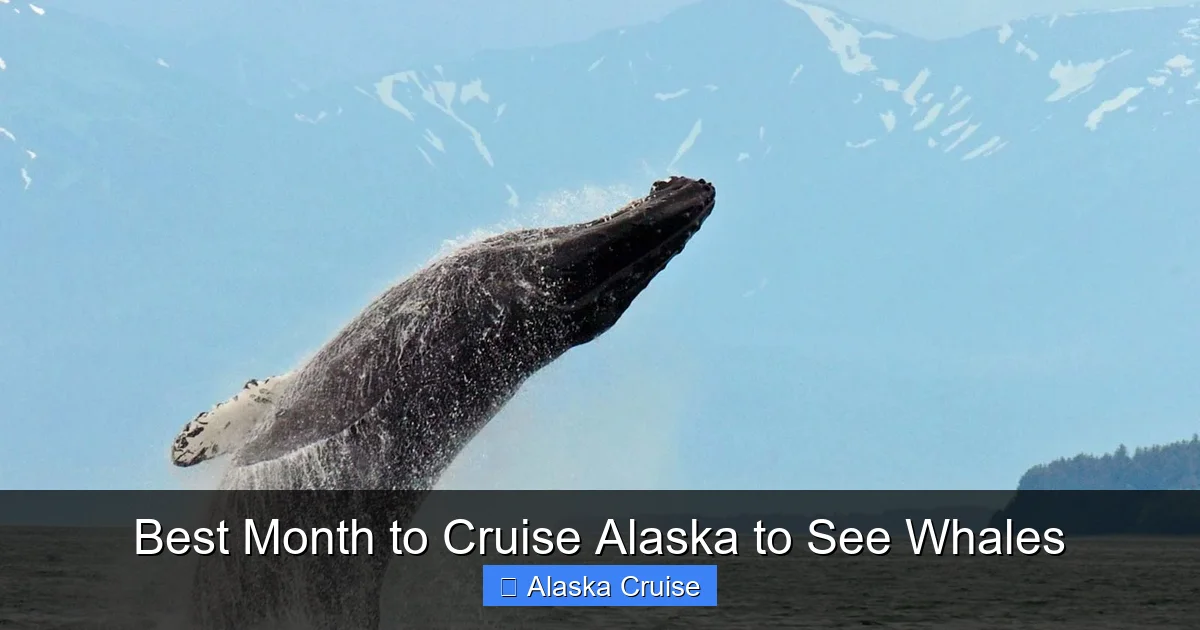
The best month to cruise Alaska to see whales is July, when humpbacks, orcas, and gray whales are most active and numerous. June and August also offer excellent sightings, with slightly different whale behaviors and fewer crowds.
Key Takeaways
- July is the peak month for whale watching in Alaska: Warm waters, abundant food, and long daylight hours attract large numbers of humpback, orca, and gray whales.
- June offers early-season whale activity: Ideal for travelers who want to avoid peak crowds while still enjoying strong sightings, especially near Glacier Bay and Icy Strait.
- August brings late-season opportunities: While numbers may dip slightly, August offers dramatic scenery, active feeding behaviors, and chances to see calves learning to hunt.
- Humpback whales are the most commonly seen species: Known for breaching, tail slapping, and bubble-net feeding, they’re a highlight on most Alaska cruises.
- Whale activity varies by region: Southeast Alaska (like Juneau and Ketchikan) sees more orcas, while the Inside Passage is prime for humpbacks and gray whales.
- Book excursions in advance: Popular whale-watching tours fill up quickly, especially in July, so reserve early for the best experience.
- Pack layers and binoculars: Weather can change fast, and having the right gear enhances your chances of spotting whales from deck or shore.
📑 Table of Contents
- Why Alaska Is a Whale-Watching Paradise
- Understanding Whale Migration in Alaska
- The Best Month to Cruise Alaska to See Whales: July
- June: A Great Alternative with Fewer Crowds
- August: Late-Season Whale Adventures
- Other Factors That Influence Whale Sightings
- How to Choose the Right Cruise for Whale Watching
- Final Thoughts: Planning Your Alaska Whale Adventure
Why Alaska Is a Whale-Watching Paradise
Alaska is one of the world’s premier destinations for whale watching, and for good reason. Its rugged coastline, nutrient-rich waters, and protected marine environments create the perfect habitat for a variety of whale species. From the icy fjords of Glacier Bay to the lush rainforests of the Tongass National Forest, Alaska’s natural beauty is matched only by its incredible marine life.
Each summer, thousands of whales migrate north to Alaska’s coastal waters to feed, mate, and raise their young. The long daylight hours, abundant krill, and schooling fish provide a feast that sustains these massive creatures during the warmer months. For travelers, this means front-row seats to one of nature’s most spectacular shows—watching whales breach, spout, and glide through the deep blue waters.
But not all months are created equal when it comes to whale sightings. Timing your Alaska cruise correctly can make the difference between spotting a few distant spouts and witnessing a pod of humpbacks launching themselves into the air. So, when is the best month to cruise Alaska to see whales? The answer isn’t one-size-fits-all, but understanding the seasonal patterns can help you plan the ultimate wildlife adventure.
Understanding Whale Migration in Alaska

Visual guide about Best Month to Cruise Alaska to See Whales
Image source: kellystilwell.com
To know when to go, it helps to understand where the whales are—and why. Alaska’s whale populations are primarily seasonal visitors. Most species spend the winter in warmer southern waters, such as Hawaii, Mexico, or the Baja Peninsula, where they mate and give birth. As spring arrives and ocean temperatures rise, they begin their long journey north to Alaska’s feeding grounds.
This migration typically starts in late spring and peaks in mid-summer. The timing varies slightly by species, but most whales arrive in Alaska between May and September. The peak feeding season runs from June through August, with July standing out as the absolute best time to see the highest concentration of whales.
Key Whale Species in Alaska
Several whale species call Alaska’s waters home during the summer months. Each has its own habits, migration patterns, and favorite hangouts. Here are the most common ones you’re likely to encounter:
- Humpback Whales: The stars of Alaska’s whale-watching scene. Known for their acrobatic breaches, complex songs, and cooperative feeding techniques like bubble-net fishing, humpbacks are a favorite among cruisers. They’re commonly seen in the Inside Passage, near Juneau, Sitka, and Glacier Bay.
- Orcas (Killer Whales): These intelligent, social predators are actually the largest members of the dolphin family. Both resident and transient orca pods frequent Alaskan waters, with residents feeding on fish and transients hunting marine mammals. They’re often spotted near Ketchikan, Petersburg, and the waters around the Kenai Fjords.
- Gray Whales: Famous for their epic migration—traveling up to 12,000 miles round-trip—gray whales pass through Alaska’s coastal waters in spring and fall. While they’re less common in summer, some linger into July, especially in the northern regions like Kodiak and the Gulf of Alaska.
- Minke Whales: Smaller and more elusive, minke whales are often seen near the surface, feeding on small fish and plankton. They’re less predictable but can appear anywhere along the cruise route.
- Fin Whales and Blue Whales: Rare but possible sightings, especially in deeper offshore waters. These massive baleen whales are less common but occasionally spotted by lucky cruisers.
Understanding which whales are active when can help you tailor your cruise itinerary and set realistic expectations.
The Best Month to Cruise Alaska to See Whales: July
If you’re looking for the ultimate whale-watching experience, July is the undisputed champion. This is the peak of Alaska’s summer season, and it’s when whale activity reaches its highest levels. The combination of warm waters, abundant food, and long daylight hours creates ideal conditions for both whales and whale watchers.
Why July Stands Out
In July, Alaska’s coastal waters are teeming with life. The spring plankton bloom has fueled a surge in krill and small fish, which in turn attracts massive numbers of whales. Humpbacks are especially active, often seen feeding in groups, breaching repeatedly, and even putting on coordinated displays like bubble-net feeding. This behavior, where a group of whales blows bubbles to corral fish into a tight ball, is a breathtaking sight that’s most common in July.
Orcas are also highly visible during this month. Resident pods are busy hunting salmon, while transient pods patrol the coastlines in search of seals and sea lions. Gray whales, though less numerous, can still be spotted in certain areas, particularly in the northern parts of the Inside Passage.
Ideal Locations for Whale Watching in July
Some ports and waterways are particularly famous for July whale sightings:
- Icy Strait Point (near Hoonah): This remote destination is a hotspot for humpback whales. The waters here are rich in herring, and the area is protected, making it a favorite feeding ground. Many cruise lines offer dedicated whale-watching excursions here, often with naturalist guides on board.
- Glacier Bay National Park: A UNESCO World Heritage Site, Glacier Bay is not only stunning for its glaciers but also a prime spot for humpback and orca sightings. The park’s strict visitor limits help preserve the natural environment, increasing your chances of undisturbed wildlife encounters.
- Juneau and Stephens Passage: This area is known for consistent whale activity. The deep, narrow channel funnels migrating whales through a concentrated area, making sightings more likely. Many Juneau-based tours head out to Auke Bay or Point Adolphus for the best views.
- Ketchikan and the Tongass Narrows: While Ketchikan is more famous for its totem poles and rainforests, the surrounding waters are also rich in marine life. Orcas and humpbacks are frequently seen here, especially during early morning excursions.
Tips for Maximizing Whale Sightings in July
To make the most of your July cruise, keep these tips in mind:
- Book a whale-watching excursion: While you might spot whales from the ship, a guided tour increases your chances dramatically. Look for small-boat tours with experienced captains and onboard naturalists.
- Go early in the morning: Whales are often most active at dawn, when the water is calm and fish are near the surface.
- Bring binoculars and a camera with zoom: Even from a distance, you’ll want to capture the moment. A telephoto lens helps, but even a smartphone with good zoom can work.
- Listen for whale spouts: The sound of a whale exhaling can help you locate them before you see them. Keep your ears open, especially in quiet bays.
- Be patient and respectful: Whales are wild animals. Keep a safe distance, avoid sudden movements, and never chase them.
July also means more crowds and higher prices, so booking your cruise and excursions well in advance is essential.
June: A Great Alternative with Fewer Crowds
While July is the peak, June offers a fantastic alternative for travelers who want strong whale sightings without the summer rush. Early summer in Alaska brings longer days, milder weather, and the beginning of the whale feeding frenzy.
Whale Activity in June
By mid-June, most humpback whales have arrived in Alaskan waters. They’re busy feeding and building up fat reserves for the winter migration. Orcas are also active, and gray whales can still be seen in certain areas, especially during the early part of the month.
One advantage of June is that the water is still relatively cool, which keeps fish and krill near the surface—making it easier for whales to feed and for you to spot them. Additionally, the lack of heavy tourist traffic means quieter waters and more intimate wildlife encounters.
Best Spots for June Whale Watching
- Glacier Bay: Even in June, this area is a whale magnet. The combination of glacial runoff and marine nutrients creates a rich feeding zone.
- Icy Strait Point: Less crowded than in July, but still teeming with humpbacks. June is a great time to see mothers with newborn calves.
- Sitka Sound: Known for its resident orca pods, Sitka offers reliable sightings in early summer. The surrounding islands provide sheltered waters perfect for whale activity.
June is also a great time to see other wildlife, including sea otters, puffins, and bald eagles. The landscapes are lush and green, and the glaciers are still actively calving—adding to the dramatic scenery.
Pros and Cons of Cruising in June
Pros:
- Fewer crowds and lower prices
- Active whale feeding behavior
- Beautiful spring-like scenery
- Higher chance of seeing newborn calves
Cons:
- Cooler weather—pack warm layers
- Some excursions may have limited availability
- Daylight hours are long, but not as extreme as July
For travelers who prioritize value and tranquility over peak activity, June is an excellent choice.
August: Late-Season Whale Adventures
August marks the tail end of Alaska’s whale season, but it’s far from a quiet month. While some whales begin their southward migration, many remain active, especially in the southern regions of the Inside Passage.
What to Expect in August
In August, humpback whales are still feeding heavily, but their behavior begins to shift. You might see more competitive displays, such as males battling for mates or females teaching calves advanced feeding techniques. Orcas remain active, and gray whales can still be spotted in certain areas, particularly in the Gulf of Alaska.
One unique aspect of August is the chance to see juvenile whales practicing their skills. Young humpbacks often mimic adult behaviors, including breaching and tail slapping, providing playful and endearing sightings.
Top August Whale-Watching Destinations
- Ketchikan and the Revillagigedo Channel: This area remains active through August, with orcas and humpbacks frequently seen near the shoreline.
- Petersburg and Frederick Sound: Known as the “whale watching capital of Alaska,” this region sees consistent activity well into August. The deep, nutrient-rich waters attract large pods.
- Kenai Fjords National Park: While not on all cruise itineraries, this area is a hotspot for orcas and humpbacks, especially near the Chiswell Islands.
Advantages and Challenges of August Cruises
Advantages:
- Stunning fall-like scenery with changing foliage
- Fewer tourists than July
- Active whale behavior, including calf training
- Cooler temperatures—great for layering and comfort
Challenges:
- Shorter daylight hours as the month progresses
- Some excursions may reduce frequency
- Weather can be more unpredictable
August is ideal for travelers who want a balance of wildlife, scenery, and solitude.
Other Factors That Influence Whale Sightings
While timing is crucial, several other factors can affect your chances of seeing whales on an Alaska cruise.
Weather and Sea Conditions
Calm, clear days are best for spotting whales. Rough seas can make it difficult to see spouts or breaches, and high winds may cancel excursions. July generally offers the most stable weather, but June and August can vary.
Time of Day
Early morning and late afternoon are prime times for whale activity. Many tours schedule departures at dawn to take advantage of calm waters and active feeding.
Cruise Itinerary and Route
Not all Alaska cruises are created equal. Ships that spend more time in the Inside Passage—especially near Icy Strait, Glacier Bay, and Stephens Passage—offer better whale-watching opportunities. Look for itineraries that include multiple stops in wildlife-rich areas.
Onboard Naturalists and Technology
Many cruise lines employ marine biologists or naturalists who can identify whale species and explain their behaviors. Some ships also use hydrophones to listen for whale songs, adding an auditory dimension to the experience.
How to Choose the Right Cruise for Whale Watching
With so many options, selecting the best cruise for whale watching can be overwhelming. Here’s how to narrow it down:
- Look for wildlife-focused itineraries: Some cruise lines, like UnCruise Adventures and Lindblad Expeditions, specialize in nature and wildlife experiences.
- Check the ports of call: Prioritize cruises that visit Icy Strait Point, Glacier Bay, Juneau, and Petersburg.
- Read reviews: Look for feedback from past passengers about whale sightings and excursion quality.
- Consider ship size: Smaller ships can access narrower channels and offer more intimate wildlife encounters.
- Book excursions early: Popular whale-watching tours sell out quickly, especially in July.
Final Thoughts: Planning Your Alaska Whale Adventure
So, what’s the best month to cruise Alaska to see whales? The short answer is July—but June and August are strong contenders depending on your priorities. July offers the highest whale activity, July’s long days and warm waters create the perfect storm for unforgettable sightings. But if you prefer fewer crowds and lower prices, June and August deliver excellent experiences with their own unique charms.
No matter when you go, Alaska’s whales are a natural wonder that will leave you in awe. From the thunderous crash of a humpback breaching to the silent glide of an orca pod cutting through the waves, these moments are what make an Alaska cruise truly magical.
Pack your camera, bring your sense of wonder, and get ready to witness one of the ocean’s greatest spectacles. Whether you’re a first-time cruiser or a seasoned traveler, seeing whales in the wild is an experience you’ll cherish for a lifetime.
Frequently Asked Questions
What is the best month to cruise Alaska to see whales?
The best month to cruise Alaska to see whales is July, when humpback, orca, and gray whales are most active and numerous. June and August also offer excellent sightings with fewer crowds.
Can you see whales in Alaska in May?
Whale sightings in May are rare, as most species haven’t arrived yet. Some gray whales may pass through during migration, but sightings are unpredictable and not recommended for whale-focused trips.
Are whales guaranteed on an Alaska cruise?
While whales are commonly seen, especially in July, sightings are never guaranteed. Factors like weather, location, and animal behavior play a role, but most cruises report high success rates.
What time of day are whales most active in Alaska?
Whales are most active in the early morning and late afternoon. Many whale-watching tours depart at dawn to take advantage of calm waters and peak feeding times.
Do I need to book whale-watching excursions in advance?
Yes, especially for popular tours in July. Excursions fill up quickly, so booking early ensures you get a spot and the best experience.
What should I bring for whale watching on an Alaska cruise?
Bring binoculars, a camera with zoom, warm layers, rain gear, and sunscreen. A hat and sunglasses are also helpful for long days on deck.