Choosing the best lens to take on an Alaska cruise can make or break your photo memories. With dramatic landscapes, fast-moving wildlife, and ever-changing light, you need versatile, durable, and high-performing glass. This guide breaks down the top lens options to help you capture Alaska’s beauty like a pro.
Key Takeaways
- Bring a telephoto lens (70-200mm or 100-400mm): Essential for capturing distant wildlife like whales, bears, and eagles without disturbing them.
- Pack a wide-angle lens (16-35mm): Perfect for sweeping glacier views, fjords, and expansive mountain ranges.
- Consider a versatile zoom lens (24-70mm f/2.8): Great for everyday shots, ports of call, and low-light interiors on the ship.
- Weather sealing is a must: Alaska’s damp, windy, and cold conditions demand lenses built to withstand the elements.
- Don’t forget a polarizing filter: Reduces glare off water and enhances sky and cloud contrast for more vibrant photos.
- Balance weight and performance: You’ll be carrying your gear on excursions, so prioritize portability without sacrificing image quality.
- Test your gear before you go: Familiarize yourself with your lenses to avoid fumbling during once-in-a-lifetime moments.
📑 Table of Contents
- Why Choosing the Right Lens Matters on an Alaska Cruise
- Understanding Alaska’s Photographic Challenges
- Top Lens Recommendations for Alaska Cruises
- Special Considerations for Alaska Cruise Photography
- What Not to Bring: Common Mistakes to Avoid
- Sample Lens Kits for Different Photographers
- Final Thoughts: Capturing the Magic of Alaska
Why Choosing the Right Lens Matters on an Alaska Cruise
An Alaska cruise is more than a vacation—it’s a visual feast. From towering glaciers calving into icy waters to bald eagles soaring above misty fjords, every moment feels like a postcard come to life. But capturing these fleeting, awe-inspiring scenes requires more than just a good camera. It demands the right lens.
Unlike a city tour or beach getaway, Alaska presents unique photographic challenges. You’re often far from your subjects—watching a humpback whale breach from a ship’s deck or spotting a grizzly bear along a distant riverbank. Lighting changes rapidly, shifting from soft morning glow to harsh midday sun and moody overcast skies. And let’s not forget the weather: rain, fog, and cold temperatures are common, even in summer.
That’s why selecting the best lens to take on an Alaska cruise isn’t just a nice-to-have—it’s essential. The right glass can mean the difference between a blurry, underexposed shot and a breathtaking image you’ll treasure forever. Whether you’re a seasoned photographer or a passionate amateur, understanding your lens options will help you make the most of this once-in-a-lifetime adventure.
Understanding Alaska’s Photographic Challenges
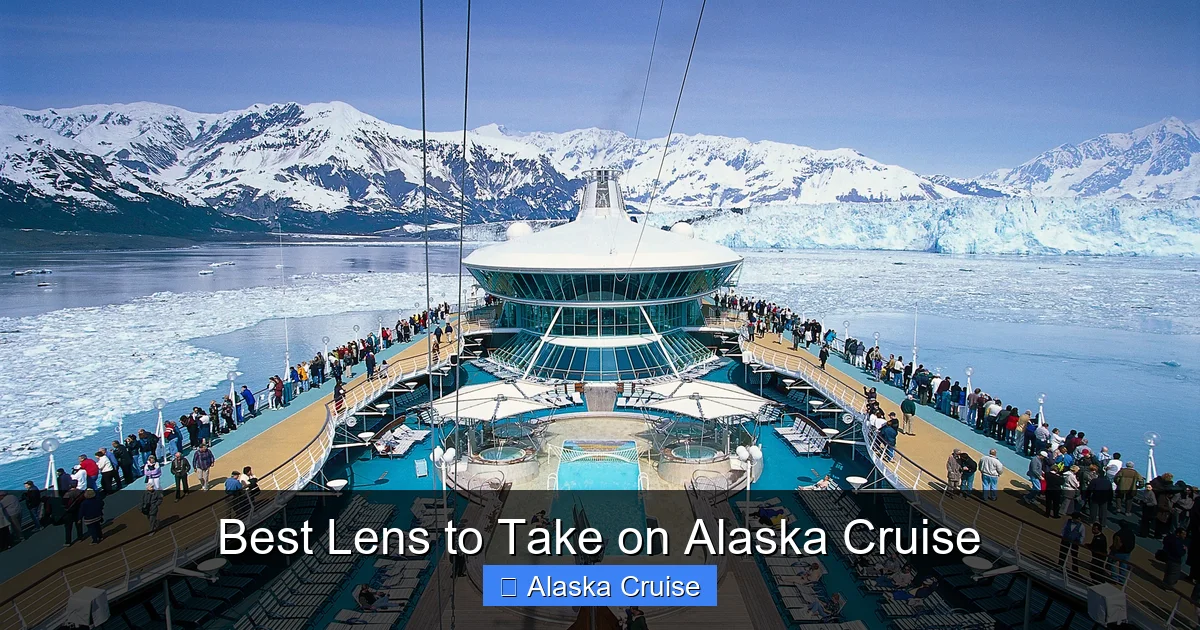
Visual guide about Best Lens to Take on Alaska Cruise
Image source: pyxis.nymag.com
Before diving into specific lens recommendations, it’s important to understand the unique conditions you’ll face in Alaska. These factors will directly influence your lens choices.
Distance to Subjects
One of the biggest challenges in Alaska is proximity—or lack thereof. Wildlife like whales, seals, and bears are often far from shore or viewed from a moving ship. Even on guided shore excursions, you may be kept at a safe distance for both your safety and the animals’. This means you’ll need serious reach to fill the frame with your subject.
A standard kit lens (like an 18-55mm) simply won’t cut it. You’ll end up with tiny, distant figures lost in a sea of landscape. That’s where telephoto lenses come in—they allow you to zoom in tightly on faraway action without losing detail.
Changing Light Conditions
Alaska’s light is famously unpredictable. Mornings can be soft and golden, perfect for portrait-style shots of landscapes. By midday, the sun can be harsh, creating strong shadows and blown-out skies. Afternoons often bring overcast skies, which can be great for even lighting but may require faster lenses or higher ISO settings.
Additionally, many cruise activities happen early in the morning or late in the evening—prime times for wildlife activity but challenging for exposure. A lens with a wide maximum aperture (like f/2.8) helps gather more light, giving you flexibility in low-light situations.
Weather and Environmental Factors
Rain, mist, and cold are part of the Alaskan experience. Salt spray from the ocean, sudden downpours, and freezing temperatures can damage unprotected gear. Lenses with weather sealing—rubber gaskets around mounts and buttons—are crucial for longevity and reliability.
Condensation is another issue. Moving from a warm cabin to cold outdoor air can cause lens fogging. While you can’t prevent it entirely, using sealed lenses and allowing gear to acclimate slowly helps minimize damage.
Mobility and Portability
You’ll be moving constantly—on and off the ship, hiking trails, riding buses, and exploring towns like Juneau, Ketchikan, and Skagway. Carrying heavy, bulky lenses can become a burden. Balancing performance with portability is key. A heavy telephoto might be ideal for wildlife, but if it’s too cumbersome, you might leave it in your cabin.
Top Lens Recommendations for Alaska Cruises
Now that we’ve covered the challenges, let’s look at the best lens options for your Alaska adventure. The ideal setup includes a mix of focal lengths to cover all scenarios.
1. Telephoto Zoom Lens (70-200mm f/2.8 or 100-400mm)
This is arguably the most important lens for an Alaska cruise. Whether you’re watching a pod of orcas from the deck or photographing a bear fishing for salmon, a telephoto lens brings distant subjects into sharp focus.
The 70-200mm f/2.8 is a favorite among travel photographers. It’s fast, sharp, and versatile. The constant f/2.8 aperture allows for beautiful background blur (bokeh) and performs well in low light—perfect for early morning wildlife sightings or dimly lit ship interiors.
If you’re serious about wildlife, consider stepping up to a 100-400mm lens. This range gives you even more reach, ideal for capturing animals at a distance without disturbing them. Models like the Canon EF 100-400mm II or the Sony FE 100-400mm GM are excellent choices, though they are heavier and more expensive.
Pro Tip: Use a monopod or tripod for stability, especially with heavier telephotos. Handheld shots at 400mm can be shaky without image stabilization.
2. Wide-Angle Zoom Lens (16-35mm f/2.8 or f/4)
Alaska’s landscapes are vast—glaciers stretch for miles, mountains rise sharply from the sea, and fjords carve deep into the coastline. A wide-angle lens captures the grandeur of these scenes.
The 16-35mm range is ideal for landscapes, allowing you to include foreground elements like rocks or wildflowers while still fitting in the massive backdrop. The f/2.8 version is better in low light and offers more creative control with depth of field, while the f/4 is lighter and more affordable.
Use this lens for glacier tours, scenic overlooks, and interior shots of totem poles or cultural exhibits in small towns. It’s also great for group photos on deck with the stunning Alaskan scenery behind you.
Pro Tip: Watch your horizons—wide-angle lenses can exaggerate tilt. Use the rule of thirds to keep your compositions balanced.
3. Standard Zoom Lens (24-70mm f/2.8)
Think of this as your “everyday” lens. It’s versatile enough for port towns, ship interiors, meals, and casual snapshots. The 24-70mm range covers wide shots of buildings and streets, as well as tighter portraits and detail shots.
The f/2.8 aperture makes it great for low-light situations—like dining rooms or evening events on the ship. It’s also sharp across the zoom range, making it a reliable workhorse.
Many photographers consider this lens indispensable. It’s often the first one they reach for when exploring a new port or capturing candid moments with travel companions.
Pro Tip: Pair this lens with a polarizing filter to reduce reflections on windows or water, especially when shooting from the ship’s deck.
4. Prime Lens (50mm f/1.8 or 85mm f/1.8)
While zooms offer flexibility, prime lenses deliver superior image quality and low-light performance. A 50mm f/1.8 is lightweight, affordable, and produces stunning portraits with creamy bokeh. It’s perfect for capturing intimate moments—friends laughing over coffee, a close-up of a totem pole’s carving, or a quiet sunrise over the water.
The 85mm f/1.8 is even better for portraits, offering flattering compression and background separation. It’s a great complement to your zoom lenses, especially if you enjoy photographing people.
Pro Tip: Use prime lenses during golden hour for dreamy, soft-lit portraits with the Alaskan wilderness as your backdrop.
Special Considerations for Alaska Cruise Photography
Beyond lens selection, there are several practical tips to ensure your gear performs well in Alaska’s unique environment.
Weather Protection and Gear Care
Always use lens hoods to shield your glass from rain and spray. Consider a rain cover or plastic bag with a hole for the lens when shooting in wet conditions. Silica gel packs in your camera bag help absorb moisture and prevent mold.
After exposure to salt air, gently wipe lenses with a microfiber cloth. Avoid touching the glass with wet hands. Store gear in a dry, temperature-stable place when not in use.
Filters: Polarizers and UV Protectors
A circular polarizing filter is one of the best investments you can make. It reduces glare off water, enhances sky contrast, and makes colors pop—especially useful when photographing glaciers, oceans, and forests.
UV filters protect the front element from scratches and salt damage. While they don’t improve image quality, they’re cheap insurance for your expensive glass.
Battery Life and Memory Cards
Cold weather drains batteries faster. Carry extras and keep them warm—store them in an inner pocket close to your body. Use high-capacity memory cards (64GB or more) and bring backups. You’ll take more photos than you think, especially on wildlife excursions.
Stabilization and Support
Image stabilization (IS, VR, or OSS) is a game-changer, especially with telephoto lenses. It allows you to shoot at slower shutter speeds without blur. For long exposures—like capturing the motion of water near a glacier—use a tripod or rest your camera on a stable surface.
What Not to Bring: Common Mistakes to Avoid
Even experienced photographers make errors when packing for Alaska. Here are a few to avoid:
– Overpacking lenses: You don’t need every lens you own. Stick to 2-3 versatile options to save weight and simplify your workflow.
– Ignoring weight: Heavy gear gets left behind. Choose lenses that balance performance and portability.
– Forgetting adapters or converters: If you’re using a teleconverter for extra reach, test it beforehand. Some combinations can reduce autofocus speed or image quality.
– Skipping the wide-angle: It’s easy to focus on wildlife and forget the landscapes. Don’t miss the chance to capture Alaska’s epic scenery.
– Not practicing beforehand: Fumbling with settings during a whale sighting is frustrating. Practice with your lenses at home or on a local trip.
Sample Lens Kits for Different Photographers
Not everyone has the same needs. Here are a few sample kits based on photography style and budget.
For the Casual Photographer
– 24-70mm f/4 lens (versatile and lightweight)
– 70-300mm f/4.5-5.6 lens (affordable telephoto with decent reach)
– Polarizing filter
– Extra battery and memory card
This setup covers most scenarios without breaking the bank or your back.
For the Enthusiast Photographer
– 24-70mm f/2.8 lens
– 100-400mm f/4.5-5.6 lens
– 16-35mm f/4 lens
– Circular polarizer and UV filters
– Monopod
This kit offers excellent coverage for landscapes, wildlife, and everyday shots.
For the Professional or Serious Amateur
– 16-35mm f/2.8 lens
– 24-70mm f/2.8 lens
– 70-200mm f/2.8 lens
– 100-400mm f/4.5-5.6 lens (or 200-600mm for extreme reach)
– Prime 50mm f/1.8 lens
– Tripod and rain cover
This setup is comprehensive but heavy. Ideal if you’re dedicated to photography and willing to carry the gear.
Final Thoughts: Capturing the Magic of Alaska
An Alaska cruise is a journey of a lifetime, and your photos should reflect that. The right lens won’t just improve your images—it will enhance your experience. When you’re standing on deck, watching a glacier calve with a thunderous crash, you’ll be glad you have the gear to capture it in all its glory.
Remember, the best lens to take on an Alaska cruise is the one you’ll actually use. Choose wisely, protect your gear, and stay flexible. Some of the best shots come from unexpected moments—a sudden rainbow over a fjord, a curious sea otter floating nearby, or the quiet beauty of a misty morning in Glacier Bay.
With the right lens in your bag, you’re not just a passenger on a cruise. You’re a storyteller, capturing the wild, untamed spirit of Alaska—one frame at a time.
Frequently Asked Questions
What is the best all-around lens for an Alaska cruise?
The 24-70mm f/2.8 is often considered the best all-around lens. It covers wide to short telephoto ranges, performs well in low light, and is versatile enough for landscapes, portraits, and everyday shots.
Do I need a telephoto lens for Alaska wildlife?
Yes, a telephoto lens (70-200mm or longer) is highly recommended. Wildlife like whales, bears, and eagles are often far away, and a telephoto lets you capture detailed, close-up shots without disturbing them.
Can I use my smartphone instead of a camera with interchangeable lenses?
Smartphones are convenient and improving, but they lack the reach and optical quality of dedicated lenses. For serious wildlife and landscape photography, a camera with interchangeable lenses is far superior.
Should I bring a tripod on an Alaska cruise?
A lightweight travel tripod or monopod is useful, especially for long exposures or stabilizing heavy telephoto lenses. However, many ship decks are unstable, so use it on shore excursions or stable surfaces.
How do I protect my lenses from rain and cold?
Use weather-sealed lenses, lens hoods, and rain covers. Store gear in a dry bag with silica gel packs. Allow equipment to acclimate slowly when moving between temperatures to prevent condensation.
Is a wide-angle lens necessary for Alaska?
Yes, a wide-angle lens (16-35mm) is essential for capturing Alaska’s vast landscapes, glaciers, and fjords. It helps convey the scale and drama of the scenery that telephoto lenses can’t fully capture.