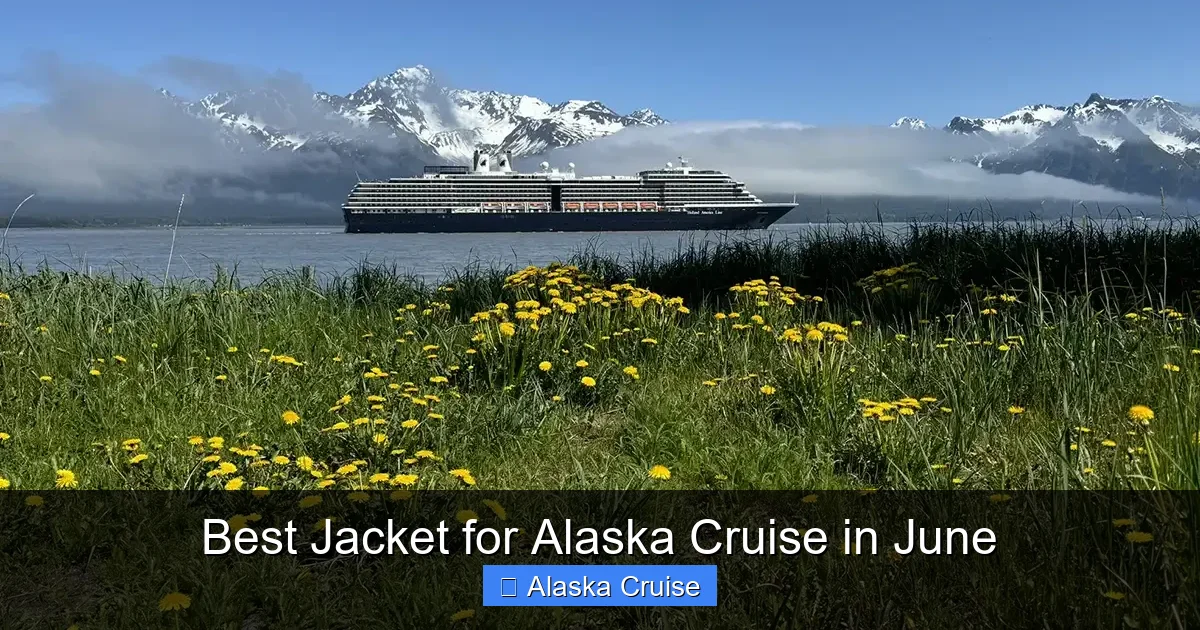
Choosing the right jacket for an Alaska cruise in June is essential for comfort and enjoyment. With temperatures ranging from 45°F to 65°F and frequent rain or wind, you need a versatile, waterproof, and breathable outer layer. The best jacket combines warmth, packability, and weather resistance—perfect for glacier views, wildlife tours, and coastal walks.
Key Takeaways
- Layering is key: Alaska’s June weather is unpredictable, so a jacket that works with base and mid-layers is essential for staying comfortable.
- Waterproof and breathable fabric: Look for jackets with Gore-Tex or similar membranes to stay dry during rain and damp coastal conditions.
- Wind resistance matters: Coastal winds can make it feel much colder, so a windproof shell is a must-have for deck time and shore excursions.
- Packable and lightweight: You’ll want a jacket that folds small for easy storage in your daypack or luggage without adding bulk.
- Hood and adjustable features: A helmet-compatible hood, adjustable cuffs, and hem help seal out the elements during active outings.
- Neutral colors recommended: Earth tones like gray, navy, or olive blend well with nature and reduce glare during wildlife photography.
- Invest in quality: A high-performance jacket may cost more upfront but will last for years and perform better in harsh conditions.
📑 Table of Contents
- Why Your Jacket Choice Matters on an Alaska Cruise in June
- Understanding Alaska’s June Weather: What to Expect
- Key Features to Look for in the Best Jacket for Alaska
- Layering Strategy: How to Build Your Alaska Outfit
- Top Jacket Recommendations for Alaska Cruises in June
- Packing Tips: How to Travel Smart with Your Jacket
- Common Mistakes to Avoid When Choosing a Jacket
- Final Thoughts: Stay Comfortable, Stay Adventurous
Why Your Jacket Choice Matters on an Alaska Cruise in June
An Alaska cruise in June is one of the most breathtaking travel experiences you can have. Glaciers calve into icy waters, whales breach near the ship, and lush rainforests stretch along rugged coastlines. But behind the stunning scenery lies a reality many first-time cruisers overlook: the weather. June in Alaska is not summer as you might know it. Temperatures hover between 45°F and 65°F, and rain, wind, and sudden cold snaps are common—even on sunny days.
That’s why your jacket isn’t just an accessory—it’s a critical piece of gear. You’ll be spending hours on deck, exploring small towns like Juneau or Ketchikan, and hiking on guided shore excursions. Without the right outer layer, you could end up shivering, soaked, or uncomfortable. The best jacket for an Alaska cruise in June does more than keep you warm. It keeps you dry, blocks wind, breathes when you’re active, and packs down small when the sun comes out.
Think of your jacket as your personal weather shield. It needs to adapt to changing conditions—morning fog, afternoon rain, and evening chills—all while staying lightweight and easy to carry. Whether you’re watching a glacier up close or strolling through a coastal village, the right jacket ensures you stay focused on the experience, not the discomfort.
Understanding Alaska’s June Weather: What to Expect
Visual guide about Best Jacket for Alaska Cruise in June
Image source: anytraveltips.com
Before choosing a jacket, it helps to understand what Alaska’s June climate is really like. Unlike the lower 48 states, Alaska doesn’t follow a typical seasonal pattern. June marks the beginning of summer, but “summer” here means mild temperatures, long daylight hours (up to 18 hours of sunlight in some areas), and frequent precipitation.
Temperatures typically range from 45°F to 65°F (7°C to 18°C), but wind chill can make it feel 10–15 degrees colder, especially on the open deck of a cruise ship or near the water. Coastal regions like Sitka and Ketchikan are known for their rainforests and can receive up to 10 inches of rain in June. Even in drier areas like Skagway, sudden showers are common.
Humidity is high, and fog often rolls in overnight, creating damp conditions that can seep into clothing. You might start your day in a light jacket, only to need a heavier layer by afternoon when a cold front moves in. Then, by evening, you could be back to a light shell as the sun returns.
This unpredictability means your jacket must be versatile. It should handle rain, resist wind, and allow moisture from sweat to escape. It should also work well with layers underneath—because in Alaska, layering is not optional; it’s survival.
Microclimates and Shore Excursions
Another factor to consider is the variety of microclimates you’ll encounter. A short boat ride can take you from a sunny fjord to a misty rainforest. Shore excursions might include hiking, kayaking, or wildlife watching—all of which require different levels of mobility and protection.
For example, a glacier tour in Juneau might involve walking on wet rocks and standing in cold, damp air near the ice. A whale-watching trip in Icy Strait Point could mean hours on a small boat in windy, choppy waters. In both cases, a waterproof, wind-resistant jacket is essential.
Even in towns, the weather can shift quickly. You might explore a museum in dry clothes, only to step outside into a sudden downpour. Having a reliable jacket on hand—or better yet, wearing it—can make all the difference.
Key Features to Look for in the Best Jacket for Alaska
Not all jackets are created equal, especially when it comes to Alaska’s demanding conditions. The best jacket for an Alaska cruise in June should meet several key criteria. Let’s break down what to look for.
Waterproof and Breathable Fabric
The top priority is a waterproof outer shell. Look for jackets made with high-quality membranes like Gore-Tex, eVent, or proprietary technologies from brands like Patagonia (H2No), The North Face (DryVent), or Arc’teryx (GORE-TEX Pro). These materials repel rain and snow while allowing sweat vapor to escape—keeping you dry from both outside and inside.
A waterproof rating of at least 10,000mm is recommended. This means the fabric can withstand a 10,000mm column of water before leaking. For Alaska’s frequent drizzle and sudden downpours, this level of protection is essential.
Breathability is equally important. A jacket that traps moisture will leave you clammy and cold, even if it’s waterproof. Look for a breathability rating (measured in g/m²/24hrs) of at least 10,000. Higher numbers mean better airflow, which is crucial during active excursions.
Wind Resistance
Wind can drop the perceived temperature significantly, especially on the water. A windproof jacket prevents cold air from cutting through your layers. Many waterproof jackets also offer wind resistance, but it’s worth checking the specs. Look for tightly woven fabrics or laminated constructions that block wind without adding bulk.
Some jackets include a wind flap behind the zipper—a small but effective feature that prevents drafts from sneaking in. This is especially useful during high-speed boat rides or when standing on exposed decks.
Adjustable Hood and Cuffs
A good hood is non-negotiable. It should be helmet-compatible (even if you’re not wearing a helmet, this means it fits over a hat or beanie), adjustable in multiple directions, and have a stiffened brim to keep rain out of your eyes. A hood that fits snugly but doesn’t restrict vision is ideal for photography and wildlife viewing.
Adjustable cuffs and hem are also important. Velcro or elastic cuffs let you seal out wind and rain, while a drawcord hem helps trap warmth. These features allow you to customize the fit based on the weather and your activity level.
Packability and Weight
You’ll want a jacket that’s lightweight and easy to carry. Many high-performance shells weigh under 1 pound and can be packed into their own pocket or a small stuff sack. This is crucial for cruise travel, where space is limited and you’ll be carrying your jacket on excursions.
A packable jacket should still offer full protection. Avoid ultra-light “emergency” shells that sacrifice durability and features. Instead, look for a balance—light enough to carry, strong enough to last.
Pockets and Ventilation
Functional pockets make a big difference. Look for zippered hand pockets that are high enough to stay accessible when wearing a backpack. Some jackets include chest pockets or internal mesh pockets for storing small items like lip balm, tissues, or a phone.
Ventilation is another smart feature. Pit zips (zippered vents under the arms) allow you to release heat during active hikes or long walks. They’re especially useful when transitioning from cold outdoor air to a warm indoor space like a ship’s lounge.
Layering Strategy: How to Build Your Alaska Outfit
The best jacket for an Alaska cruise in June is only part of the equation. To stay comfortable, you need a smart layering system. Think of it like building a sandwich: base layer, mid layer, and outer shell.
Base Layer: Moisture-Wicking and Warm
Your base layer sits next to your skin and manages moisture. Choose merino wool or synthetic fabrics like polyester or nylon. Avoid cotton—it absorbs sweat and takes forever to dry, leaving you cold.
Merino wool is a favorite among travelers because it’s soft, odor-resistant, and naturally insulating. A lightweight merino tee or long-sleeve shirt works well under a jacket. For colder days, consider a mid-weight base layer.
Mid Layer: Insulation on Demand
The mid layer provides warmth. Fleece jackets, down vests, or synthetic insulated jackets are great options. Fleece is breathable and dries quickly, making it ideal for active excursions. Down is incredibly warm for its weight but loses insulation when wet—so pair it with a waterproof shell.
A popular choice is a lightweight down or synthetic puffy jacket that can be worn under your shell or on its own during milder moments. Many travelers bring both a fleece and a puffy for maximum flexibility.
Outer Layer: Your Weather Shield
This is where your jacket comes in. The outer layer should be waterproof, windproof, and breathable. It protects your other layers from rain, snow, and wind while allowing sweat to escape.
When layering, make sure your jacket is roomy enough to fit over your mid layer without restricting movement. A slightly oversized fit also allows for better airflow and easier on/off access.
Accessories That Complement Your Jacket
Don’t forget the extras. A warm hat, gloves, and a buff or neck gaiter can make a big difference in comfort. Waterproof gloves are ideal for boat rides, while a lightweight beanie works for chilly evenings.
A good pair of waterproof hiking boots or sturdy sneakers with grip is also essential. Wet feet can ruin your trip, so invest in footwear that can handle rain and uneven terrain.
Top Jacket Recommendations for Alaska Cruises in June
With so many options on the market, it can be hard to choose. Here are some of the best jackets for an Alaska cruise in June, based on performance, durability, and traveler reviews.
Arc’teryx Beta LT Jacket
A top-tier choice for serious adventurers, the Arc’teryx Beta LT is made with GORE-TEX Pro fabric for maximum waterproofing and breathability. It’s lightweight, packable, and built to last. The helmet-compatible hood and pit zips make it ideal for active excursions. While it’s on the pricier side, it’s a long-term investment.
Patagonia Torrentshell 3L
A more affordable option, the Patagonia Torrentshell offers excellent value. It’s fully waterproof, breathable, and made from 100% recycled materials. The 3-layer construction is durable, and the jacket packs into its own pocket. It’s a favorite among eco-conscious travelers.
The North Face Resolve 2 Jacket
Great for budget-minded cruisers, the Resolve 2 is lightweight, waterproof, and wind-resistant. It features a stowable hood and zippered hand pockets. While not as technical as higher-end models, it performs well in typical June conditions.
Columbia Watertight II
Another budget-friendly pick, the Columbia Watertight II uses Omni-Tech waterproofing and is highly packable. It’s not as breathable as Gore-Tex, but it’s reliable for light to moderate rain. Ideal for travelers who want solid protection without the premium price.
Marmot PreCip Eco
Made with recycled materials and featuring NanoPro waterproofing, the Marmot PreCip Eco is lightweight and breathable. It’s a great mid-range option that balances performance and price. The hood adjusts well, and it packs into its own pocket.
Packing Tips: How to Travel Smart with Your Jacket
Packing for an Alaska cruise requires strategy. You’ll be moving between ship and shore, often with limited space. Here’s how to pack your jacket and gear efficiently.
Wear It on the Plane
The easiest way to save space is to wear your jacket on travel days. This frees up room in your luggage and ensures you have it when you arrive—especially important if your luggage is delayed.
Pack It in a Stuff Sack
Most high-quality jackets come with a stuff sack or can be compressed into a small bundle. Store it in your carry-on or daypack so it’s always accessible. Avoid folding it tightly in a suitcase where it might get crushed or forgotten.
Use Packing Cubes
Packing cubes help organize your layers. Keep your base and mid layers in one cube, and your jacket in another. This makes it easy to find what you need without unpacking everything.
Bring a Daypack
A lightweight, waterproof daypack is essential for excursions. Use it to carry your jacket, water, snacks, camera, and other essentials. Look for one with a chest or waist strap for comfort during long walks.
Check the Cruise Line’s Dress Code
Some cruise lines have formal nights or dining dress codes. Make sure your jacket doesn’t clash with evening wear. A neutral-colored shell in black, gray, or navy is versatile and stylish.
Common Mistakes to Avoid When Choosing a Jacket
Even experienced travelers make mistakes when packing for Alaska. Here are some common pitfalls and how to avoid them.
Choosing Style Over Function
A fashionable trench coat or lightweight windbreaker might look great, but it won’t stand up to Alaska’s weather. Prioritize performance over appearance. You can still look good in a technical jacket—many brands offer sleek, modern designs.
Ignoring the Hood
A jacket without a good hood is almost useless in the rain. Don’t skip this feature. Test the hood before you buy—make sure it fits over your head and hat, and that you can see clearly in all directions.
Overpacking Heavy Coats
A heavy parka might seem like a safe choice, but it’s overkill for June. You’ll overheat during excursions and struggle to pack it. Stick to a lightweight shell and rely on layers for warmth.
Forgetting Ventilation
Pit zips and breathable fabric prevent overheating. Without them, you’ll sweat inside your jacket and feel clammy. Look for jackets with ventilation options, especially if you plan to hike or kayak.
Not Testing Before You Go
Always try on your jacket with your layers underneath. Make sure it’s comfortable, mobile, and doesn’t restrict your arms or shoulders. A jacket that fits poorly will ruin your experience.
Final Thoughts: Stay Comfortable, Stay Adventurous
An Alaska cruise in June is a once-in-a-lifetime adventure. From towering glaciers to playful sea otters, the sights are unforgettable. But to truly enjoy the journey, you need to be prepared—especially when it comes to your outerwear.
The best jacket for an Alaska cruise in June is one that keeps you dry, blocks the wind, and adapts to changing conditions. It’s not about having the most expensive gear, but about choosing wisely and layering smart. Invest in a high-quality waterproof shell, pair it with merino base layers and a warm mid layer, and you’ll be ready for anything.
Remember, comfort is key. When you’re not worrying about the cold or the rain, you can focus on what really matters: the beauty of Alaska, the thrill of discovery, and the memories you’ll carry home.
So before you set sail, take the time to choose the right jacket. Your future self—standing on the deck, camera in hand, face turned toward the wind—will thank you.
Frequently Asked Questions
What temperature is it in Alaska in June?
In June, Alaska’s coastal regions typically range from 45°F to 65°F (7°C to 18°C). However, wind and rain can make it feel colder, especially on the water or during excursions.
Do I need a heavy winter jacket for an Alaska cruise in June?
No, a heavy parka is usually overkill. A lightweight waterproof shell with layering options is more practical and versatile for June’s mild but unpredictable weather.
Can I wear a raincoat instead of a technical jacket?
A basic raincoat may keep you dry but often lacks breathability and wind resistance. For comfort during active excursions, a technical shell with ventilation is a better choice.
Should I bring more than one jacket?
One high-quality waterproof shell is usually enough, especially if you layer properly. Some travelers bring a lightweight puffy jacket for extra warmth during colder moments.
What color jacket is best for Alaska?
Neutral colors like gray, navy, or olive are ideal. They blend with the natural environment and reduce glare, which is helpful for wildlife photography.
Can I wash my jacket after the cruise?
Yes, most technical jackets can be machine washed with a gentle detergent. Always check the care label and use a waterproofing treatment afterward to maintain performance.