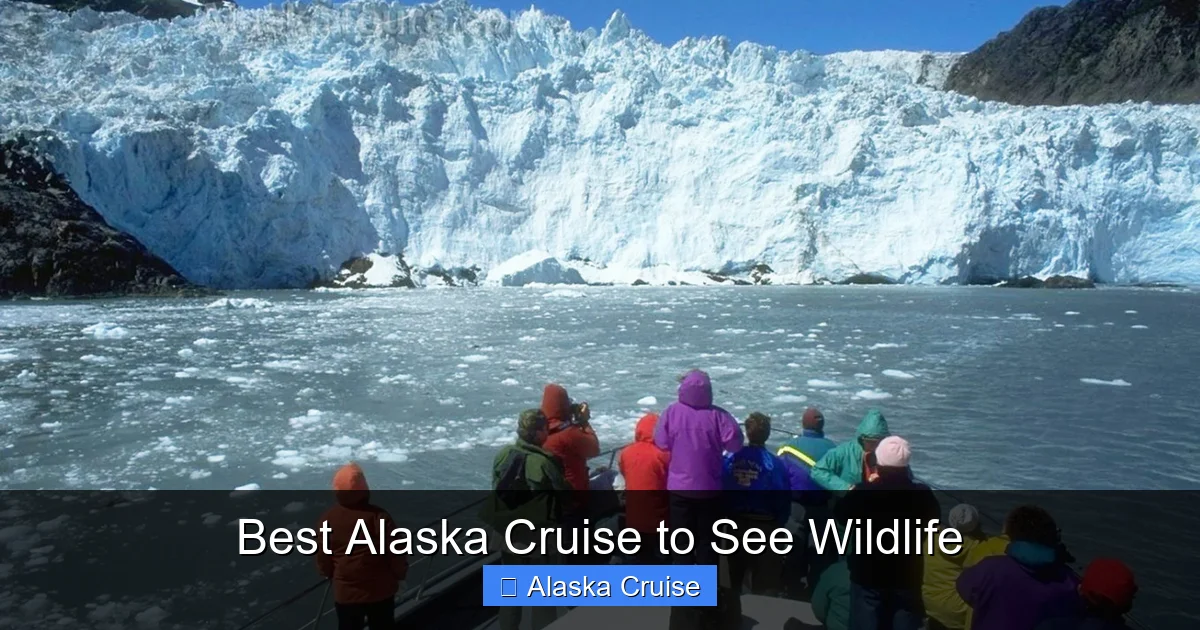
Choosing the best Alaska cruise to see wildlife means picking a voyage that maximizes your chances of spotting whales, bears, puffins, and more in their natural habitat. With the right itinerary, expert guides, and timing, you can experience Alaska’s untamed beauty up close—without sacrificing comfort or value.
Key Takeaways
- Best time to go is May through September: This window offers peak wildlife activity, calmer seas, and longer daylight hours for sightseeing.
- Smaller ships increase wildlife viewing opportunities: Ships under 200 passengers can access remote inlets and get closer to wildlife without disturbing natural behaviors.
- Glacier Bay and Icy Strait Point are must-visit stops: These areas are hotspots for humpback whales, sea lions, brown bears, and bald eagles.
- Look for naturalist-led excursions: Cruises with onboard naturalists or guided shore tours offer deeper insights and better wildlife spotting.
- Choose an itinerary with multiple glacier stops: Hubbard Glacier and Tracy Arm Fjord provide dramatic backdrops and rich marine ecosystems.
- Pack binoculars and a good camera: Wildlife often appears at a distance, so optical gear is essential for capturing the moment.
- Book early for the best cabins and deals: Popular wildlife-focused cruises sell out fast, especially during peak summer months.
📑 Table of Contents
- Why Alaska Is a Wildlife Lover’s Dream Destination
- When to Go: Timing Your Cruise for Maximum Wildlife Sightings
- Top Itineraries for Wildlife Viewing
- Choosing the Right Ship: Size Matters for Wildlife Viewing
- Must-See Wildlife Hotspots on an Alaska Cruise
- Tips for Maximizing Your Wildlife Viewing Experience
- Conclusion: Finding Your Perfect Alaska Wildlife Cruise
Why Alaska Is a Wildlife Lover’s Dream Destination
Alaska isn’t just a cruise destination—it’s a living, breathing wildlife sanctuary. From the icy fjords of the Inside Passage to the vast wilderness of the Gulf of Alaska, this northern frontier is home to some of the most diverse and abundant animal populations in North America. Whether you’re hoping to catch a glimpse of a breaching humpback whale, watch brown bears fish for salmon, or spot a bald eagle soaring above a glacier, Alaska delivers unforgettable encounters.
What makes Alaska so special for wildlife viewing is its pristine ecosystems. With over 60% of the state designated as protected land, animals thrive in their natural environments without heavy human interference. This means you’re not just seeing wildlife—you’re witnessing it in its purest form. The state’s long, rugged coastline, dense temperate rainforests, and nutrient-rich waters create ideal conditions for marine mammals, birds, and land animals alike.
But not all Alaska cruises are created equal when it comes to wildlife. Some itineraries focus more on shopping and city stops, while others are carefully designed to maximize your chances of seeing animals in action. That’s why choosing the best Alaska cruise to see wildlife requires a bit of research. The right ship, route, and timing can turn a good trip into a once-in-a-lifetime adventure.
When to Go: Timing Your Cruise for Maximum Wildlife Sightings
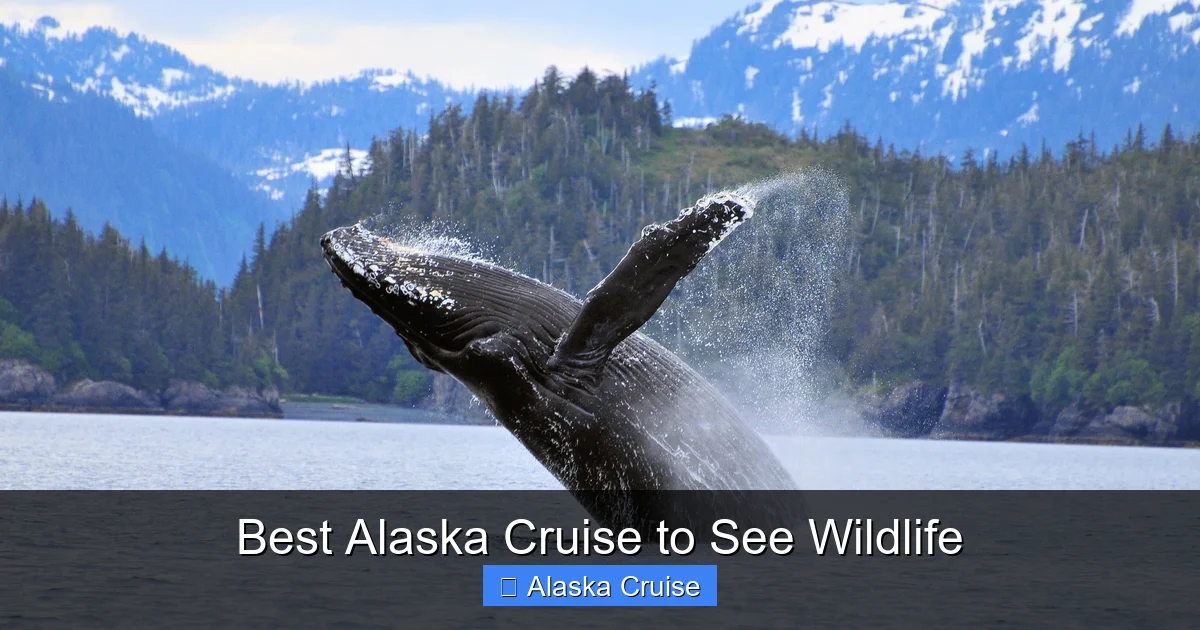
Visual guide about Best Alaska Cruise to See Wildlife
Image source: travelalaska.com
Timing is everything when it comes to spotting Alaska’s wild residents. The cruising season runs from May through September, but each month offers a slightly different wildlife experience.
May and Early June: The Quiet Season
If you prefer fewer crowds and don’t mind cooler temperatures, May and early June are excellent choices. This is when many animals are most active after a long winter. Brown bears emerge from hibernation and can often be seen foraging along riverbanks. Migratory birds, including puffins and bald eagles, return to nest in coastal cliffs. Sea lions and harbor seals are also commonly spotted lounging on rocky outcrops.
One advantage of traveling early in the season is that cruise ships are less crowded, and you may have more opportunities for one-on-one time with naturalists and guides. However, some remote areas may still be ice-covered, limiting access to certain fjords.
July and August: Peak Wildlife Activity
These are the most popular months for a reason. July and August offer the warmest weather, longest days, and the highest chances of seeing whales. Humpback whales, orcas, and minke whales are frequently spotted feeding in nutrient-rich waters. This is also prime time for bear viewing, especially in places like Admiralty Island and Katmai National Park, where brown bears gather to feast on salmon.
Birdwatchers will love this period too. Puffins, cormorants, and tufted puffins are busy raising their chicks, and eagle nests are full of activity. The downside? More tourists. If you’re looking for solitude, consider booking a smaller ship or choosing a less-traveled itinerary.
September: The Golden Season
As summer fades into fall, September brings a magical transformation. The landscape turns golden, and wildlife prepares for winter. This is one of the best times to see bears, as they’re hyper-focused on eating to build fat reserves. Whale activity remains strong, and you may even spot migrating gray whales heading south.
Another perk of September cruising? Lower prices and fewer crowds. Many families have returned home, and cruise lines often offer last-minute deals. Just be prepared for cooler weather and the possibility of rain.
Top Itineraries for Wildlife Viewing
Not all Alaska cruise routes are equal when it comes to wildlife. Some sail through busy ports with limited natural access, while others venture deep into remote wilderness areas. Here are the top itineraries that consistently deliver the best wildlife experiences.
Inside Passage: Classic Wildlife Route
The Inside Passage is the most popular Alaska cruise route, and for good reason. Stretching from Seattle or Vancouver up to Skagway or Juneau, this journey winds through narrow channels, lush forests, and icy fjords. It’s ideal for first-time cruisers and families.
Key wildlife hotspots along the Inside Passage include:
– **Ketchikan:** Known as the “Salmon Capital of the World,” this port offers excellent opportunities to see eagles, sea lions, and even black bears. Take a guided kayak tour through nearby Misty Fjords for a chance to spot otters and porpoises.
– **Juneau:** Home to the Mendenhall Glacier, Juneau also offers whale-watching tours in Stephens Passage. Humpback whales are frequently seen here, especially in July and August.
– **Skagway:** While known for its Gold Rush history, Skagway is also a gateway to Glacier Bay National Park, where you can see glaciers calving and marine life thriving in icy waters.
Most Inside Passage cruises last 7 to 10 days and are offered by major lines like Holland America, Princess, and Norwegian Cruise Line. These ships are larger but often include naturalist programs and wildlife-focused excursions.
Gulf of Alaska: The Wilderness Adventure
For travelers seeking a more rugged, remote experience, the Gulf of Alaska itinerary is unmatched. These cruises typically sail round-trip from Seattle or Vancouver, with one-way journeys ending in Seward or Whittier (near Anchorage). This route includes longer days at sea and visits to some of Alaska’s most dramatic landscapes.
Highlights include:
– **Hubbard Glacier:** At over 7 miles wide, this is one of the largest tidewater glaciers in North America. The surrounding waters are rich with marine life, including seals, sea lions, and orcas.
– **Icy Strait Point:** Located near Hoonah, this stop is a favorite for bear and whale watching. The area is home to one of the highest concentrations of brown bears in the world. Many cruises offer bear-viewing excursions via boat or elevated walkways.
– **Glacier Bay National Park:** A UNESCO World Heritage Site, Glacier Bay is a haven for wildlife. You’ll likely see humpback whales, sea otters, harbor seals, and countless seabirds. The park is only accessible by boat or plane, making it a pristine and untouched destination.
Cruises on this route are often operated by smaller lines like UnCruise Adventures, Lindblad Expeditions, or small ships from Princess and Holland America. These vessels are designed for exploration and often include Zodiac landings, kayaking, and expert-led wildlife tours.
Round-Trip from Anchorage (Whittier or Seward)
If you’re starting or ending your trip in Alaska, a round-trip cruise from Anchorage offers a unique perspective. These itineraries often include Kenai Fjords National Park, where you can see puffins, sea otters, and even mountain goats on coastal cliffs.
One standout stop is **Resurrection Bay**, a protected inlet teeming with marine life. Many cruises offer wildlife-focused day trips from Seward, including whale-watching and glacier-viewing excursions. This route is ideal for travelers who want to combine a cruise with a land tour of Denali National Park or the Kenai Peninsula.
Choosing the Right Ship: Size Matters for Wildlife Viewing
When it comes to spotting wildlife, the size of your cruise ship can make a big difference. Larger ships offer more amenities, but they’re often restricted from entering narrow fjords or getting close to wildlife due to their size and draft.
Small Ships: The Wildlife Advantage
Ships with fewer than 200 passengers are ideal for wildlife enthusiasts. These vessels can navigate shallow waters, access remote inlets, and get closer to shore without disturbing animals. They also tend to have more flexible itineraries, allowing captains to linger when wildlife is spotted.
For example, UnCruise Adventures operates small, nimble ships that focus entirely on nature and adventure. Their itineraries include daily wildlife excursions, guided hikes, and even snorkeling with sea lions. Similarly, Lindblad Expeditions partners with National Geographic to offer expert-led cruises with naturalists, photographers, and marine biologists on board.
One of the biggest perks of small ships is the personalized experience. With fewer passengers, you’ll have more opportunities to interact with guides, ask questions, and participate in hands-on activities. Many small ships also offer elevated viewing platforms, bow cameras, and quiet engines to minimize disturbance.
Larger Ships: Comfort and Convenience
That said, larger ships aren’t without their advantages. Lines like Princess and Holland America offer spacious cabins, multiple dining options, and entertainment venues. They also often include naturalist programs and wildlife-focused shore excursions.
For families or travelers who value comfort and variety, a larger ship can be a great choice. Just be aware that you may spend more time in ports and less time exploring remote areas. However, many large ships now offer “expedition-style” itineraries with added wildlife focus, so it’s worth researching specific voyages.
Expedition Ships: The Best of Both Worlds
A growing number of cruise lines are launching expedition ships that blend the comfort of larger vessels with the agility of small boats. These ships, such as those from Seabourn, Silversea, and Hurtigruten, are designed for adventure travel and often include Zodiacs, kayaks, and expert guides.
Expedition ships typically carry 200–400 passengers and are built to navigate icy waters and remote coastlines. They offer a more intimate experience than mega-ships while still providing luxury amenities like fine dining, spa services, and spacious suites.
Must-See Wildlife Hotspots on an Alaska Cruise
Alaska is full of incredible wildlife destinations, but some locations stand out for their density and diversity of animals. Here are the top spots you won’t want to miss.
Glacier Bay National Park
This 3.3-million-acre park is a UNESCO World Heritage Site and one of the most biologically diverse areas in Alaska. As your ship glides through the bay, you’ll witness towering glaciers calving into the sea, creating thunderous splashes that echo across the water.
Wildlife here is abundant. Humpback whales feed in the nutrient-rich waters, often breaching just feet from the ship. Sea otters float on their backs, cracking clams with rocks, while harbor seals rest on ice floes. On land, you might spot brown bears, moose, and bald eagles nesting in the spruce forests.
Most cruise ships spend a full day in Glacier Bay, with a park ranger joining the crew to provide commentary and answer questions. The experience is both educational and awe-inspiring.
Icy Strait Point
Located on Chichagof Island, Icy Strait Point is a privately owned destination that’s become a favorite for wildlife lovers. The area is home to one of the largest populations of brown bears in Alaska, with some estimates suggesting over 1,000 bears in the surrounding wilderness.
One of the best ways to see bears is via a guided boat tour through the strait. These excursions often include sightings of sea lions, otters, and whales. For a bird’s-eye view, take the world’s largest zipline, which soars over the forest canopy and offers panoramic views of the coastline.
Icy Strait Point also features a cultural center where you can learn about the Tlingit people, Alaska’s indigenous inhabitants. Combine wildlife viewing with cultural immersion for a truly enriching experience.
Tracy Arm Fjord
Often called “Alaska’s most beautiful fjord,” Tracy Arm is a narrow, glacially carved inlet surrounded by towering cliffs and waterfalls. The fjord is home to black bears, mountain goats, and seals, but its real draw is the wildlife-rich waters.
As your ship navigates the fjord, keep your eyes peeled for harbor seals lounging on icebergs and humpback whales feeding near the surface. The fjord’s remote location means you’ll likely have the area to yourself, making it a serene and intimate wildlife experience.
Note: Access to Tracy Arm can be limited by ice conditions, especially early in the season. Be sure to check with your cruise line about the likelihood of entry.
Kenai Fjords National Park
Located near Seward, Kenai Fjords is a marine wonderland. The park’s coastline is dotted with sea caves, glaciers, and abundant wildlife. One of the best ways to explore is via a small boat tour, which gets you closer to animals than a large cruise ship ever could.
Highlights include:
– **Puffin colonies:** These colorful seabirds nest on coastal cliffs and are often seen flying low over the water.
– **Sea otters:** Playful and curious, sea otters are a joy to watch as they float on their backs and use tools to crack open shellfish.
– **Whales:** Orcas and humpbacks are frequently spotted in Resurrection Bay, especially during summer feeding season.
Many cruise lines offer day trips to Kenai Fjords from Seward, making it easy to combine a cruise with a land-based adventure.
Tips for Maximizing Your Wildlife Viewing Experience
Even on the best Alaska cruise to see wildlife, a little preparation can go a long way. Here are some practical tips to help you make the most of your trip.
Pack the Right Gear
– **Binoculars:** A good pair of 8×42 or 10×42 binoculars is essential for spotting distant animals.
– **Camera with zoom lens:** Wildlife often appears far from the ship, so a telephoto lens (300mm or more) is ideal.
– **Layered clothing:** Alaska weather can change quickly. Pack waterproof outer layers, warm mid-layers, and moisture-wicking base layers.
– **Motion sickness remedies:** Rough seas can happen, especially in the Gulf of Alaska. Bring ginger chews, patches, or medication just in case.
Be Patient and Observant
Wildlife doesn’t follow a schedule. Some days you’ll see dozens of animals; other days, you might spot just one. The key is to stay alert and keep your eyes on the water and shoreline. Naturalists on board can help point out subtle signs—like a splash, a bird diving, or a ripple in the water—that signal nearby animals.
Respect Wildlife and the Environment
Remember, you’re a guest in Alaska’s wild spaces. Keep a safe distance from animals, never feed them, and follow all guidelines provided by your cruise line and park rangers. Quiet observation is not only safer—it’s more respectful and often leads to better sightings.
Book Shore Excursions in Advance
Popular wildlife tours, like bear-viewing flights or whale-watching boat trips, sell out quickly. Book your excursions as soon as possible, ideally when you book your cruise. Look for small-group tours led by certified naturalists for the best experience.
Stay Flexible
Weather and wildlife are unpredictable. Your captain may alter the route to follow a pod of whales or avoid a storm. Embrace the adventure and trust that your crew is working to give you the best possible experience.
Conclusion: Finding Your Perfect Alaska Wildlife Cruise
Choosing the best Alaska cruise to see wildlife is about more than just picking a ship or a route—it’s about aligning your travel style with your wildlife goals. Whether you prefer the comfort of a large ship, the intimacy of a small expedition vessel, or the adventure of a land-and-sea combo, Alaska offers something for every kind of traveler.
The key is to prioritize itineraries that spend time in wildlife-rich areas like Glacier Bay, Icy Strait Point, and Kenai Fjords. Travel during peak season for the best chances of sightings, and don’t forget to pack your binoculars and camera. With a little planning and a lot of curiosity, your Alaska cruise can become a wildlife adventure you’ll never forget.
So set sail, keep your eyes peeled, and get ready to witness the wild heart of Alaska.
Frequently Asked Questions
What is the best time of year to see wildlife on an Alaska cruise?
The best time is from May through September. July and August offer the highest chances of seeing whales and bears, while May and September provide fewer crowds and unique seasonal behaviors like bear foraging and bird nesting.
Can I see bears on an Alaska cruise?
Yes, especially on itineraries that include Icy Strait Point, Glacier Bay, or Katmai National Park. Brown bears are often seen fishing for salmon in rivers and along coastlines during summer months.
Do I need binoculars on an Alaska cruise?
Absolutely. Wildlife is often spotted at a distance, and binoculars help you see details like whale blows, bear cubs, or puffin beaks without disturbing the animals.
Are small ships better for wildlife viewing?
Generally, yes. Smaller ships can access remote areas, get closer to shore, and offer more personalized wildlife excursions with expert guides.
What wildlife can I expect to see on an Alaska cruise?
Common sightings include humpback whales, orcas, sea lions, sea otters, brown and black bears, bald eagles, puffins, and harbor seals. Occasionally, you may spot moose, mountain goats, or even wolves.
Do cruise ships stop for wildlife sightings?
Many ships, especially smaller expedition vessels, will slow down or pause when wildlife is spotted. Larger ships may not stop, but they often provide commentary and viewing opportunities from the deck.