Choosing the best Alaska cruise route can make or break your adventure. Whether you’re after glacier views, wildlife sightings, or cultural stops, the right itinerary ensures you see Alaska’s highlights without missing a beat. This guide breaks down the top routes so you can sail with confidence.
Dreaming of towering glaciers, breaching humpback whales, and misty fjords wrapped in evergreen forests? An Alaska cruise might just be the adventure you’ve been waiting for. But with so many routes, departure cities, and itinerary options, it’s easy to feel overwhelmed. Don’t worry—you’re not alone. Every year, thousands of travelers face the same question: Which Alaska cruise route is truly the best?
The good news? There’s no single “right” answer. The best Alaska cruise route depends on your travel style, time frame, budget, and what kind of experience you’re after. Are you a wildlife enthusiast hoping to spot orcas and brown bears? A photographer chasing the perfect shot of a calving glacier? Or maybe you’re looking for a relaxing family vacation with scenic beauty and charming coastal towns?
This guide will walk you through the most popular and rewarding Alaska cruise routes, helping you match your dream trip to the perfect itinerary. From the classic Inside Passage to the rugged Gulf of Alaska, we’ll cover the highlights, hidden gems, and practical tips to ensure your voyage is unforgettable.
Key Takeaways
- Inside Passage routes offer calm waters, lush rainforests, and frequent wildlife sightings—ideal for first-time cruisers.
- Gulf of Alaska cruises cross open water to reach remote glaciers like Hubbard and Sawyer, perfect for dramatic scenery.
- Roundtrip voyages from Seattle or Vancouver are convenient and often include popular ports like Juneau and Ketchikan.
- One-way cruises between Seattle and Seward provide access to Denali National Park via land tours.
- Small-ship and expedition cruises access hidden fjords and remote Inuit communities not reachable by large liners.
- Peak season is May to September, with July and August offering the warmest weather and longest daylight hours.
- Book early for better cabin selection and pricing, especially for popular routes like Glacier Bay.
📑 Table of Contents
- Understanding Alaska Cruise Routes: What Sets Them Apart
- The Classic Inside Passage Route: A First-Timer’s Favorite
- Gulf of Alaska Cruises: For the Adventure Seeker
- Roundtrip vs. One-Way Cruises: Which Is Right for You?
- Small-Ship and Expedition Cruises: Off the Beaten Path
- Best Time to Cruise Alaska: Timing Your Trip
- Tips for Choosing and Booking Your Alaska Cruise
- Conclusion: Finding Your Perfect Alaska Cruise Route
Understanding Alaska Cruise Routes: What Sets Them Apart
Alaska cruise routes aren’t just about where you go—they’re about how you get there and what you see along the way. The state’s dramatic coastline, dotted with islands, inlets, and mountain ranges, means that different routes offer vastly different experiences.
At a high level, Alaska cruises fall into two main categories: **Inside Passage routes** and **Gulf of Alaska routes**. Each has its own rhythm, scenery, and port stops.
The **Inside Passage** hugs the southeastern coast of Alaska, winding through a protected network of waterways between the mainland and a string of islands. This route is known for its calm seas, frequent wildlife sightings, and access to charming towns like Ketchikan, Juneau, and Skagway. It’s the most popular choice for first-time cruisers and families, thanks to its accessibility and predictable weather.
In contrast, **Gulf of Alaska cruises** venture into the open waters of the Pacific, crossing the Gulf to reach more remote destinations like Seward, Whittier, and the awe-inspiring Hubbard Glacier. These routes often include longer sea days but reward passengers with jaw-dropping glacier views and a greater sense of wilderness.
Some cruises combine both styles—starting in Seattle or Vancouver, sailing up the Inside Passage, then crossing the Gulf to end in Seward (or vice versa). These one-way “open-jaw” itineraries are perfect for travelers who want to experience the full range of Alaska’s coastal beauty and pair their cruise with a land tour into Denali National Park.
Why Route Choice Matters
Choosing the right route isn’t just about checking off destinations—it’s about matching your travel goals. For example, if you’re short on time and want to maximize port stops, a 7-day Inside Passage cruise from Vancouver might be ideal. But if you’re after raw, untamed nature and don’t mind a few extra sea days, a 10-day Gulf of Alaska voyage could be your best bet.
Also consider the time of year. While Alaska’s cruising season runs from May to September, the weather and wildlife activity vary significantly. Early-season cruises (May–June) offer fewer crowds and lower prices, while mid-summer (July–August) brings peak wildlife activity and longer daylight hours. Late-season trips (September) can offer stunning fall colors and a quieter, more intimate experience.
The Classic Inside Passage Route: A First-Timer’s Favorite
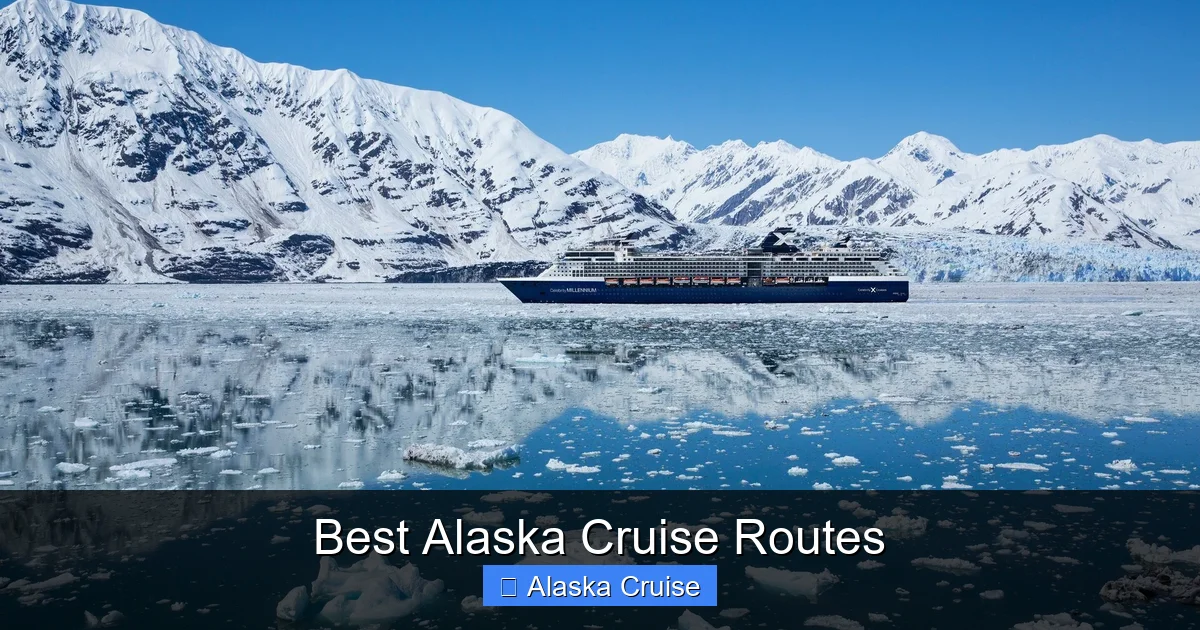
Visual guide about Best Alaska Cruise Routes
Image source: celebritycruises.com
If you’re new to Alaska cruising, the Inside Passage is where most travelers begin—and for good reason. This scenic, sheltered waterway stretches from Washington State up through British Columbia and into southeastern Alaska, offering a gentle introduction to the region’s natural wonders.
Most Inside Passage cruises depart from **Seattle** or **Vancouver**, making them convenient for U.S. and Canadian travelers. These roundtrip itineraries typically last 7 days and include stops in three to four Alaskan ports, with a mix of glacier viewing and cultural experiences.
Typical Itinerary Highlights
A standard 7-day Inside Passage cruise might look like this:
– **Day 1:** Depart Seattle or Vancouver
– **Day 2:** At sea (or brief stop in Victoria, BC)
– **Day 3:** Ketchikan – Known as the “Salmon Capital of the World,” this colorful town offers totem pole parks, rainforest hikes, and opportunities to see black bears fishing in the rivers.
– **Day 4:** Tracy Arm or Endicott Fjord – A full day of glacier viewing, often with a stop near the Sawyer Glaciers. Keep your camera ready for icebergs and seals lounging on ice floes.
– **Day 5:** Juneau – Alaska’s capital is accessible only by boat or plane. Here, you can take a whale-watching tour, ride the Mount Roberts Tram, or visit the Mendenhall Glacier.
– **Day 6:** Skagway – Step back in time in this Gold Rush-era town. Ride the historic White Pass & Yukon Route Railway or explore the Chilkat Mountains.
– **Day 7:** Return to port
This route is beloved for its balance of nature, history, and comfort. The waters are calm, the ports are well-developed for tourism, and the scenery is consistently stunning.
Why It’s Great for Families and First-Timers
The Inside Passage is ideal for families because it minimizes seasickness (thanks to protected waters) and offers a variety of shore excursions for all ages. Kids will love the wildlife tours, while adults appreciate the mix of relaxation and adventure.
First-time cruisers also benefit from the predictable schedule and frequent port calls. You’re never more than a day away from land, which can be reassuring if you’re new to ocean travel.
That said, the Inside Passage can feel a bit “touristy” during peak season. Popular spots like Ketchikan’s Creek Street can get crowded, and some travelers crave more remote, off-the-beaten-path experiences.
Gulf of Alaska Cruises: For the Adventure Seeker
If you’re ready to trade convenience for grandeur, a Gulf of Alaska cruise might be your perfect match. These itineraries venture beyond the sheltered waters of the Inside Passage, crossing the open Gulf to reach Alaska’s wilder, more remote coastlines.
Most Gulf of Alaska cruises are **one-way voyages**, departing from Seattle or Vancouver and ending in Seward or Whittier (near Anchorage), or vice versa. This “open-jaw” format allows travelers to combine their cruise with a land tour into Denali National Park—a huge draw for nature lovers.
What Makes This Route Special
The Gulf of Alaska route is all about scale and drama. You’ll spend more time at sea, but the payoff is access to some of the most spectacular glaciers in North America.
One of the biggest highlights is **Hubbard Glacier**, North America’s largest tidewater glacier. At over 7 miles wide and nearly 300 feet high, it’s a sight that stops you in your tracks. Ships often pause near the glacier’s face, giving passengers time to watch for calving events—when massive chunks of ice break off and crash into the water.
Other key stops include:
– **Icy Strait Point:** A privately owned Native Alaskan destination near Hoonah, offering zip-lining, bear viewing, and cultural performances.
– **Glacier Bay National Park:** A UNESCO World Heritage Site where you’ll cruise past active glaciers, sea otters, and possibly humpback whales. Note: Only a limited number of ships are allowed in Glacier Bay each day, so this is a rare treat.
– **Seward or Whittier:** Gateway ports to Kenai Fjords National Park and the Alaska Railroad, which connects to Denali.
Who Should Choose This Route?
The Gulf of Alaska cruise is best suited for travelers who:
– Want to see the “big” glaciers up close
– Don’t mind a few extra sea days
– Are interested in combining their cruise with a land adventure
– Prefer a more immersive, less crowded experience
Because these cruises are longer (typically 9–14 days) and often one-way, they require more planning and flexibility. But for many, the reward—standing in awe before a towering wall of ice—is worth every extra mile.
Roundtrip vs. One-Way Cruises: Which Is Right for You?
One of the biggest decisions when booking an Alaska cruise is choosing between a roundtrip or one-way itinerary. Both have pros and cons, and the best choice depends on your travel style and logistics.
Roundtrip Cruises: Convenience and Simplicity
Roundtrip cruises depart and return to the same port—usually Seattle or Vancouver. These are the most popular options, especially for first-time cruisers and families.
**Pros:**
– No need to arrange separate transportation at the end
– Easier to pack and unpack just once
– Often more budget-friendly due to roundtrip airfare deals
**Cons:**
– You’ll retrace your route, which can feel repetitive
– Limited access to remote areas like Seward or Whittier
– Less opportunity to combine with a Denali land tour
If you’re short on time or prefer a hassle-free vacation, a roundtrip cruise is a solid choice. Just be aware that you’ll see the same ports twice, and you’ll miss out on some of Alaska’s most dramatic western scenery.
One-Way Cruises: Adventure and Flexibility
One-way cruises, also known as “open-jaw” itineraries, start in one city and end in another—typically Seattle to Seward or Vancouver to Whittier. These are ideal for travelers who want to maximize their Alaska experience.
**Pros:**
– Access to both the Inside Passage and Gulf of Alaska
– Opportunity to add a land tour to Denali or Fairbanks
– No backtracking—every day brings new scenery
– Often include Glacier Bay, which is rarely on roundtrip routes
**Cons:**
– Requires booking separate flights home from a different city
– Can be more expensive due to one-way airfare
– More complex logistics
If you’re up for a little extra planning, a one-way cruise can be incredibly rewarding. Many travelers fly into Seattle, cruise to Seward, then take the scenic Alaska Railroad to Denali for a few days before flying home from Fairbanks.
Small-Ship and Expedition Cruises: Off the Beaten Path
For travelers who want to go deeper—literally and figuratively—small-ship and expedition cruises offer a completely different Alaska experience.
While large cruise ships carry thousands of passengers and stick to major ports, small ships (often under 200 guests) can navigate narrow fjords, anchor in remote bays, and visit communities that larger vessels can’t reach.
What to Expect on a Small-Ship Cruise
Expedition-style cruises focus on exploration, education, and intimate wildlife encounters. Think Zodiac landings on remote beaches, guided hikes through old-growth forests, and onboard naturalists who bring the landscape to life.
Popular small-ship operators include **UnCruise Adventures**, **Lindblad Expeditions**, and **Hurtigruten**. These companies often sail from Juneau or Sitka and venture into lesser-known areas like:
– **Frederick Sound:** A prime spot for whale watching, especially humpbacks and orcas.
– **Baranof Island:** Home to the quiet town of Sitka and abundant brown bear populations.
– **Glacier Bay’s outer reaches:** Where few ships venture, offering solitude and pristine wilderness.
Who Should Consider a Small-Ship Cruise?
These cruises are perfect for:
– Nature lovers and photographers
– Travelers seeking a more active, immersive experience
– Those who prefer smaller groups and personalized service
– Anyone tired of crowded ports and cookie-cutter tours
Keep in mind that small-ship cruises are often more expensive and may have limited onboard amenities. But for many, the trade-off—fewer people, more adventure—is well worth it.
Best Time to Cruise Alaska: Timing Your Trip
Alaska’s cruising season runs from **May to September**, but each month offers a different flavor of the Last Frontier.
May–Early June: The Quiet Season
– **Pros:** Lower prices, fewer crowds, blooming wildflowers, and active wildlife (bears emerging from hibernation).
– **Cons:** Cooler weather, some attractions may not be fully open, shorter daylight hours.
This is a great time for budget-conscious travelers and those who prefer a quieter experience.
Mid-June to August: Peak Season
– **Pros:** Warmest weather, longest days (up to 18–20 hours of daylight), full access to tours and attractions, peak wildlife activity (whale migrations, bear fishing).
– **Cons:** Highest prices, largest crowds, limited cabin availability.
If you want the full Alaska experience with ideal conditions, July and August are hard to beat.
September: The Shoulder Season
– **Pros:** Stunning fall colors, fewer tourists, lower prices, active wildlife (salmon runs, bear sightings).
– **Cons:** Cooler temperatures, some tours may close, shorter days.
September offers a peaceful, scenic alternative to the summer rush. It’s especially beautiful in the Tongass National Forest and along the Inside Passage.
Tips for Choosing and Booking Your Alaska Cruise
Now that you know the routes, it’s time to make your decision. Here are some practical tips to help you choose and book the best Alaska cruise for your needs.
1. Book Early for the Best Deals and Selection
Alaska cruises—especially popular routes like Glacier Bay—sell out fast. Booking 9–12 months in advance gives you the best cabin choices and often lower prices. Many cruise lines offer early-bird discounts and onboard credit promotions.
2. Compare Cruise Lines and Ships
Not all cruise lines are created equal. Major players like **Norwegian Cruise Line**, **Princess Cruises**, and **Holland America** offer large ships with plenty of amenities. But if you prefer a more intimate experience, consider smaller lines like **American Queen Voyages** or **Seabourn**.
Look at ship size, itinerary, included excursions, and onboard activities. Some ships have better viewing decks for glaciers, while others focus on luxury or family fun.
3. Consider Shore Excursions Carefully
Shore excursions can make or break your port experience. While cruise lines offer convenient, curated tours, they’re often pricey. Research independent operators in advance—many offer similar experiences at lower prices.
Popular excursions include:
– Whale watching in Juneau
– Dog sledding on a glacier (via helicopter)
– Gold panning in Skagway
– Rainforest ziplining in Ketchikan
Book early, especially for high-demand activities like helicopter tours.
4. Pack Smart for Alaska’s Weather
Alaska’s weather is famously unpredictable. Even in summer, temperatures can range from 40°F to 70°F. Pack layers, a waterproof jacket, sturdy walking shoes, and binoculars for wildlife viewing.
Don’t forget:
– Sunscreen and sunglasses (glare off the water and ice is intense)
– Insect repellent (especially in forested areas)
– A good camera with extra batteries
5. Be Flexible and Open-Minded
Alaska doesn’t always follow a schedule. Glaciers calve unexpectedly, whales appear out of nowhere, and weather can delay port calls. Embrace the unpredictability—it’s part of the magic.
Conclusion: Finding Your Perfect Alaska Cruise Route
There’s no one-size-fits-all answer to the question “What’s the best Alaska cruise route?” The right choice depends on your interests, timeline, and travel style.
If you’re looking for a relaxed, family-friendly adventure with frequent port stops and calm seas, the **Inside Passage** is your go-to. For those craving drama, glaciers, and a chance to explore Denali, a **Gulf of Alaska one-way cruise** is the way to go. And if you want to escape the crowds and dive deep into Alaska’s wild heart, consider a **small-ship expedition**.
No matter which route you choose, you’re in for an unforgettable journey. From the thunderous crack of a calving glacier to the silent glide of a kayak through a fjord, Alaska’s beauty is as vast as its coastline. So pack your bags, bring your sense of wonder, and get ready to sail into one of the world’s last great frontiers.
Frequently Asked Questions
What is the best month to take an Alaska cruise?
The best month depends on your priorities. July and August offer the warmest weather, longest days, and peak wildlife activity, making them ideal for most travelers. May and September are quieter and cheaper, with unique seasonal beauty.
Can you see glaciers on an Inside Passage cruise?
Yes! While Inside Passage cruises don’t typically reach the massive tidewater glaciers of the Gulf, they often include stops at Tracy Arm or Endicott Fjord, where you can see active glaciers like the Sawyer Glaciers up close.
Do I need to book shore excursions in advance?
It’s highly recommended, especially for popular activities like helicopter tours, dog sledding, and whale watching. These can sell out weeks in advance, particularly during peak season.
Are Alaska cruises suitable for kids?
Absolutely. Many cruise lines offer kids’ clubs, family-friendly excursions, and educational programs. The Inside Passage route is especially good for families due to calm waters and frequent port stops.
What should I wear on an Alaska cruise?
Layers are key. Bring a waterproof jacket, warm sweaters, comfortable walking shoes, and accessories like hats and gloves. Even in summer, temperatures can be cool, especially on deck during glacier viewing.
Can I visit Denali National Park on an Alaska cruise?
Yes, but only if you book a one-way cruise ending in Seward or Whittier. From there, you can take the Alaska Railroad or a bus tour to Denali. Roundtrip cruises don’t typically include access to the park.