
The best month for an Alaskan cruise is July, offering warm weather, long daylight hours, and peak wildlife activity. However, June and August also provide excellent experiences with fewer crowds and unique seasonal highlights, making the entire summer season ideal for exploring Alaska’s breathtaking coastline.
Planning an Alaskan cruise is one of the most exciting travel decisions you can make. From towering glaciers and snow-capped mountains to playful whales and curious bears, Alaska offers a front-row seat to some of nature’s most dramatic performances. But with a cruise season that only runs from May to September, choosing the right time to go can make all the difference in your experience. So, what’s the best month for an Alaskan cruise?
The answer isn’t one-size-fits-all. It depends on what you want to see, how you like your weather, and how much company you’re comfortable with. Some travelers crave warm sunshine and long days, while others prefer quieter ports and lower prices. Whether you’re a wildlife enthusiast, a photography lover, or simply someone who wants to unwind in stunning scenery, there’s a perfect month for your Alaskan adventure.
In this guide, we’ll break down each month of the cruise season, highlighting the pros and cons, weather patterns, wildlife activity, and crowd levels. By the end, you’ll have a clear picture of when to set sail—and why July often takes the crown as the best month for an Alaskan cruise.
Key Takeaways
- July is the peak month: Warmest temperatures, longest days, and abundant wildlife make July the top choice for most travelers.
- June offers early-season beauty: Fewer crowds, blooming wildflowers, and active wildlife mark June as a fantastic alternative.
- August brings fall colors and calm seas: Cooler temps, stunning autumn foliage, and fewer tourists make August a favorite for many.
- May and September are shoulder months: Lower prices and quieter ports, but with more variable weather and shorter daylight.
- Wildlife viewing varies by month: Bears are most active in July and August, while whales are commonly seen from May through September.
- Weather plays a big role: Pack layers regardless of the month—Alaska’s climate can change quickly.
- Book early for peak months: Cruises in June, July, and August fill up fast, so reserve 6–12 months in advance.
📑 Table of Contents
Why Timing Matters for Your Alaskan Cruise
Alaska’s cruise season is short—just five months long—and each month brings its own unique flavor. Unlike tropical destinations where you can cruise year-round, Alaska’s weather and natural rhythms are deeply tied to the seasons. That means the timing of your trip can dramatically affect what you see and do.
For example, if you’re hoping to spot humpback whales breaching near Juneau or watch brown bears fishing for salmon in Ketchikan, you’ll want to be there when those animals are most active. Similarly, if you dream of hiking through wildflower-covered meadows or kayaking in calm, glassy waters, you’ll need to choose a month with favorable conditions.
Crowds are another big factor. July is the busiest month, with ships sailing at full capacity and popular excursions booking up months in advance. If you prefer a more relaxed pace and don’t mind slightly cooler weather, June or August might be a better fit. And if budget is a concern, May and September often offer significant discounts—though with more unpredictable weather.
Ultimately, the best month for an Alaskan cruise is the one that aligns with your travel style and priorities. Let’s dive into each month to help you decide.
May: The Start of the Season
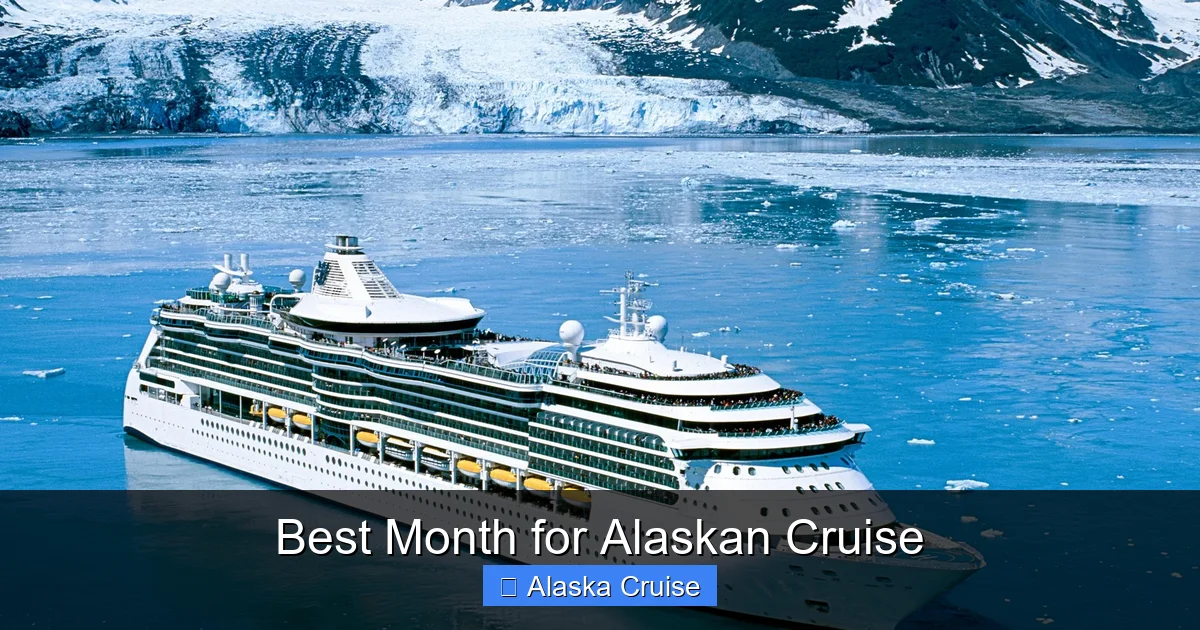
Visual guide about Best Month for Alaskan Cruise
Image source: s3.amazonaws.com
May marks the beginning of Alaska’s cruise season, and while it’s not the most popular time to visit, it has its own quiet charm. If you’re looking for a more intimate experience with fewer tourists and lower prices, May could be your month.
Weather in May
Temperatures in May are cool but gradually warming. In southern ports like Seattle (a common departure point), you can expect highs in the 50s to low 60s°F (10–16°C). Once you reach Alaska, temperatures vary by region. In Ketchikan and Juneau, daytime highs typically range from 50°F to 60°F (10–15°C), while Skagway and Glacier Bay might be a bit cooler, especially in the mornings.
Rain is common in May, especially in the coastal rainforest areas. Pack a waterproof jacket, sturdy shoes, and layers you can easily add or remove. Mornings can be chilly, but afternoons often warm up nicely—especially if the sun comes out.
Wildlife and Scenery
May is a great time for early-season wildlife viewing. Many animals are emerging from winter hibernation or returning from migration. You might spot bald eagles nesting, sea lions basking on rocks, and even the first whales of the season—humpbacks and orcas begin arriving in May.
Glaciers are still impressive, and the snow-capped mountains provide a dramatic backdrop. While wildflowers haven’t fully bloomed yet, the landscape is lush and green, with snowmelt feeding waterfalls and streams.
Pros and Cons of Cruising in May
One of the biggest advantages of a May cruise is the lower cost. Cruise lines often offer early-season discounts, and airfare to departure cities like Seattle or Vancouver tends to be cheaper. You’ll also enjoy shorter lines at popular attractions and more availability for shore excursions.
However, there are trade-offs. Some smaller towns and attractions may not be fully open yet, and weather can be unpredictable. Daylight hours are increasing rapidly—by late May, you’ll have nearly 18 hours of daylight—but it’s still not as long as in summer.
If you’re flexible, adventurous, and don’t mind a bit of rain, May can be a rewarding time to cruise Alaska. It’s ideal for travelers who want to beat the crowds and experience the state in a quieter, more transitional phase.
June: The Sweet Spot for Many Travelers
June is often considered one of the best months for an Alaskan cruise—right before the peak summer rush. You get longer days, improving weather, and active wildlife, all while avoiding the biggest crowds.
Weather in June
June brings noticeably warmer temperatures. In most Alaskan ports, daytime highs range from 55°F to 65°F (13–18°C), with occasional warmer days reaching the low 70s°F (21–23°C). Nights are cool but rarely freezing, especially in coastal areas.
Rain is still possible, but showers tend to be shorter and less frequent than in May. The longer daylight hours—up to 19 hours by the end of the month—mean you’ll have plenty of time to explore, take photos, and enjoy evening deck strolls under the soft Alaskan twilight.
Wildlife and Scenery
June is a magical time for nature lovers. Wildflowers begin to bloom, painting meadows with bursts of color. Salmon start their upstream migration, attracting bears and eagles to riverbanks. Whale sightings increase, with humpbacks, orcas, and even gray whales frequently spotted near the coast.
Glaciers are still massive and active, and cruise ships often get close to calving glaciers in places like Hubbard Glacier or Glacier Bay. The combination of snow-covered peaks, green valleys, and sparkling blue water creates picture-perfect scenery.
Pros and Cons of Cruising in June
One of the biggest perks of a June cruise is the balance it strikes. You get great weather, fewer crowds than July, and lower prices than the peak summer months. Many travelers find June to be the ideal compromise between comfort and cost.
Shore excursions are widely available, and most towns and attractions are fully operational. It’s also a great time for outdoor activities like hiking, kayaking, and ziplining, as trails are clear and conditions are generally favorable.
The main downside is that June is still part of the shoulder season, so some remote areas or smaller lodges might not be open yet. Also, while weather is improving, it’s not as consistently warm as July.
Overall, June is a fantastic choice for travelers who want a high-quality Alaskan experience without the July crowds.
July: The Peak of the Season
If you’re looking for the best overall experience, July is widely regarded as the best month for an Alaskan cruise. It’s the warmest, sunniest, and most active time of the year—making it the top pick for families, first-time cruisers, and anyone who wants to maximize their Alaskan adventure.
Weather in July
July is Alaska’s warmest month. In most coastal cities, daytime highs average between 60°F and 70°F (15–21°C), with some inland areas reaching the mid-70s°F (24°C). Nights are mild, rarely dropping below 50°F (10°C).
Rainfall decreases compared to earlier months, and sunny days are more common. The nearly 20 hours of daylight mean you can enjoy long excursions, late dinners, and even midnight sun viewing in northern regions.
Wildlife and Scenery
July is prime time for wildlife. Brown bears are frequently seen fishing for salmon in rivers and along coastlines. Whales are abundant, with frequent sightings of humpbacks, orcas, and even rare species like minke whales. Sea otters, puffins, and bald eagles are also common.
The landscape is at its greenest, with wildflowers in full bloom and waterfalls at their peak flow from melting snow. Glaciers remain impressive, and cruise ships often get close-up views of calving ice in places like Tracy Arm or Endicott Arm.
Pros and Cons of Cruising in July
The biggest advantage of July is the combination of ideal weather, peak wildlife activity, and full access to all attractions and excursions. It’s the best time for families with children, as kids are on summer break and many cruise lines offer special programming.
However, July is also the busiest month. Ships are often at full capacity, ports can be crowded, and popular tours—like whale watching or helicopter glacier landings—book up months in advance. Prices are at their highest, and airfare to departure cities tends to be more expensive.
If you’re set on cruising in July, it’s essential to book early—ideally 9 to 12 months ahead. This ensures you get your preferred cabin category, itinerary, and shore excursions.
Despite the crowds, July remains the favorite month for many travelers. The energy is high, the scenery is stunning, and the chances of perfect weather are better than any other time.
August: A Close Second with Unique Charms
August is another excellent choice for an Alaskan cruise, often ranking just behind July in popularity. While temperatures begin to cool slightly, the month offers its own unique rewards—especially for those who enjoy fall colors and quieter ports.
Weather in August
August starts warm but gradually cools toward the end of the month. Early August feels much like July, with daytime highs in the 60s°F (15–20°C). By late August, temperatures can dip into the 50s°F (10–15°C), especially in the mornings and evenings.
Rain becomes more likely as the month progresses, but sunny days are still common. Daylight hours are still long—around 16–18 hours—giving you plenty of time to explore.
Wildlife and Scenery
August is a fantastic time for bear viewing. As salmon runs peak, bears congregate along rivers and coastlines, making for incredible wildlife photography opportunities. Whales are still frequently seen, and birdwatchers may spot migrating species preparing for their journey south.
One of August’s standout features is the changing foliage. In inland areas like Skagway and Haines, the first hints of fall color appear—golden aspens and red maples contrast beautifully with evergreen forests. This natural transformation adds a new layer of beauty to the landscape.
Pros and Cons of Cruising in August
The main advantage of August is the balance it offers. You still get great weather and active wildlife, but with fewer crowds than July. Many families with school-age children choose August so they can travel after the July rush but before school starts.
Prices are slightly lower than in July, and there’s often more availability for cabins and excursions. It’s also a great time for outdoor enthusiasts, as hiking and kayaking conditions remain excellent.
The downside is that some attractions may begin to wind down toward the end of the month, and weather can become more unpredictable. Also, daylight hours are noticeably shorter than in July, which may affect evening activities.
Overall, August is a smart choice for travelers who want a high-quality experience with a bit more peace and quiet.
September: The Quiet Farewell
September marks the end of the cruise season, and while it’s not for everyone, it offers a unique and peaceful way to experience Alaska.
Weather in September
Temperatures drop quickly in September. Early in the month, highs may still reach the 60s°F (15°C), but by late September, they often fall into the 40s and 50s°F (7–13°C). Rain is more frequent, and the first snowflakes can appear in higher elevations.
Daylight hours shrink rapidly—by the end of the month, you’ll have about 12 hours of daylight, compared to nearly 20 in July.
Wildlife and Scenery
September is a great time for bear viewing, as they prepare for hibernation by feeding heavily on late-season salmon. Whale sightings are still possible, though less frequent than in summer. Migrating birds, including bald eagles, are often seen in large numbers.
The fall colors are at their peak in early September, especially in inland areas. The contrast of golden leaves against snow-dusted mountains creates a stunning visual experience.
Pros and Cons of Cruising in September
The biggest advantage of a September cruise is the low cost. Cruise lines offer significant discounts to fill ships, and airfare is often cheaper. You’ll also enjoy very few crowds and a more intimate experience in ports and on excursions.
However, the weather is the main drawback. Cold, rain, and even early snow can impact outdoor activities. Some attractions and tours may be closed, and daylight is limited.
September is best for experienced travelers who are prepared for variable conditions and don’t mind packing extra layers. It’s ideal for photographers, wildlife enthusiasts, and anyone seeking a quieter, more reflective Alaskan journey.
How to Choose the Best Month for Your Cruise
With so many great options, how do you decide which month is right for you? Here are a few questions to help guide your decision:
– What’s your priority? If wildlife and warm weather are key, July or August may be best. If you prefer fewer crowds and lower prices, consider June or September.
– Who’s traveling? Families with young children often prefer July when schools are out. Solo travelers or couples may enjoy the quieter vibe of May or September.
– What activities do you want to do? Hiking and kayaking are best in June through August. Bear viewing peaks in July and August. Fall photography is ideal in early September.
– How flexible is your schedule? If you can travel in May or September, you’ll save money and avoid crowds. If you’re limited to summer break, July is your best bet.
No matter when you go, an Alaskan cruise is a once-in-a-lifetime experience. The key is to match the month to your travel style and expectations.
Final Thoughts: Why July Stands Out
While every month in Alaska has its own magic, July consistently earns the title of the best month for an Alaskan cruise. It offers the warmest weather, the longest days, and the most active wildlife—all while providing full access to excursions and attractions.
That said, June and August are excellent alternatives, offering many of the same benefits with fewer crowds and lower prices. May and September are ideal for budget-conscious travelers or those seeking a more solitary experience.
Ultimately, the best month is the one that fits your vision of Alaska. Whether you’re chasing whales, hiking glaciers, or simply soaking in the scenery, there’s a perfect time—and a perfect cruise—waiting for you.
Frequently Asked Questions
What is the best month for an Alaskan cruise?
The best month for an Alaskan cruise is July, offering the warmest weather, longest daylight hours, and peak wildlife activity. However, June and August are also excellent choices with fewer crowds and great conditions.
Is it cold on an Alaskan cruise in July?
No, July is the warmest month, with daytime temperatures typically ranging from 60°F to 70°F (15–21°C). Nights are cool but mild, so pack layers for comfort.
Can you see whales on an Alaskan cruise in September?
Yes, whale sightings are still possible in September, especially early in the month. Humpbacks and orcas are the most commonly seen, though sightings become less frequent as the season ends.
Are Alaskan cruises crowded in August?
August is less crowded than July but still busy, especially early in the month. By late August, crowds begin to thin, making it a good time for a quieter experience.
What should I pack for an Alaskan cruise in June?
Pack layers, including a waterproof jacket, warm sweater, comfortable hiking shoes, and quick-dry clothing. Don’t forget sunglasses, sunscreen, and a hat—even in June, the sun can be strong.
Are there discounts for Alaskan cruises in May or September?
Yes, May and September are shoulder months with lower prices and special promotions. You can often save significantly on cruise fares and airfare, though weather may be less predictable.