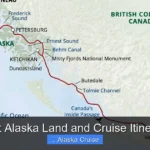
Choosing the best month for Alaska Inside Passage cruise depends on your priorities—weather, wildlife, crowds, and scenery. While July offers peak conditions, shoulder months like May and September provide unique advantages. This guide helps you decide when to sail for the ideal balance of comfort, value, and unforgettable experiences.
Planning an Alaska Inside Passage cruise is one of the most exciting travel decisions you can make. Glaciers that tower like ancient cathedrals, whales breaching in icy waters, and towns steeped in gold rush history—this journey offers a front-row seat to nature’s grandest show. But with cruise season stretching from May to September, choosing the right time to go can feel overwhelming. When is the weather most comfortable? When will you see the most wildlife? And how do you avoid the crowds without sacrificing the experience?
The truth is, there’s no single “perfect” month for everyone. Your ideal time depends on what matters most to you—whether it’s spotting a grizzly bear fishing for salmon, sailing under the midnight sun, or enjoying a peaceful fjord without a thousand other tourists. Some travelers prioritize warm weather and full access to excursions, while others seek solitude and lower prices. The good news? Every month in the Alaska cruise season has something special to offer.
In this guide, we’ll break down each month from May through September, comparing weather, wildlife, crowds, pricing, and unique seasonal events. We’ll help you understand what to expect so you can pick the best month for your Alaska Inside Passage cruise based on your travel style and goals. Whether you’re a first-time cruiser or a seasoned Alaskan adventurer, this detailed breakdown will ensure your trip is as magical as the destination itself.
Key Takeaways
- June to August is the peak season for Alaska cruises, offering the warmest weather and longest daylight hours.
- July is the most popular month due to ideal temperatures, abundant wildlife, and full access to ports and excursions.
- May and September are shoulder months with fewer crowds, lower prices, and unique seasonal highlights like spring blooms or fall colors.
- Wildlife viewing varies by month—bears are most active in July and August, while whales are abundant from May through September.
- Weather is unpredictable year-round, so pack layers and be ready for rain, even in summer.
- Port availability and glacier calving are best from mid-June to early September when ice melts and routes open.
- Booking early saves money—especially for peak months—while last-minute deals may be available in shoulder seasons.
📑 Table of Contents
Understanding the Alaska Cruise Season
The Alaska cruise season runs from early May to late September, a window of just five months when the weather is mild enough and the waters calm enough for safe and enjoyable sailing. This period aligns with the region’s brief summer, when snow melts, rivers swell, and wildlife emerges from winter hibernation. The Inside Passage—a network of coastal waterways stretching from Washington State up through British Columbia and into southeastern Alaska—becomes accessible as ice recedes and ports reopen.
Each month within this season brings its own rhythm. Early season (May) offers a sense of discovery, with fewer tourists and a landscape waking up. Mid-season (June to August) delivers peak conditions: long days, warm temperatures, and bustling ports. Late season (September) wraps up with crisp air, fall colors, and a quieter, more reflective atmosphere. Understanding these phases helps you align your expectations with reality.
One key factor to remember is that Alaska’s weather is famously unpredictable. Even in July, you might encounter rain or chilly winds. Conversely, September can surprise you with sunny, mild days. That’s why packing smart—layers, waterproof gear, and versatile clothing—is essential no matter when you go. Also, cruise lines often adjust itineraries based on ice conditions, especially in Glacier Bay National Park, so flexibility is part of the adventure.
Why Timing Matters for Your Cruise Experience
Timing your Alaska cruise isn’t just about avoiding rain—it’s about maximizing what you see and do. Wildlife, for example, behaves differently each month. Humpback whales migrate through the Inside Passage from May to September, but peak sightings often occur in July and August when they feed heavily in nutrient-rich waters. Bears, especially along the Tongass National Forest and in places like Admiralty Island, are most active in July and August during salmon runs.
Port operations also vary. Some smaller towns, like Haines or Skagway, may have limited services in May or September. Excursions like dog sledding on glaciers or flightseeing tours depend on weather and ice conditions, which are most reliable from mid-June onward. If you’re dreaming of kayaking near a calving glacier or hiking a mossy rainforest trail, mid-summer offers the best access.
Crowds are another consideration. July and August are the busiest months, with ships often sailing at full capacity. If you prefer a more intimate experience, May or September might be better. And while peak season means more people, it also means more entertainment, dining options, and onboard activities. Weighing these factors helps you choose a month that matches your travel personality.
May: The Quiet Beginnings of Cruise Season

Visual guide about Best Month for Alaska Inside Passage Cruise
Image source: holidayvacations.com
May marks the start of the Alaska cruise season, offering a unique blend of early-season charm and growing accessibility. While not as warm or bustling as summer months, May has its own quiet magic. The landscape is fresh and green, rivers are swollen with snowmelt, and the air carries the scent of blooming wildflowers. For travelers who value solitude and lower prices, May can be an excellent choice.
Temperatures in May typically range from 40°F to 60°F (4°C to 15°C), with longer daylight hours than in winter—up to 16 hours by the end of the month. Rain is common, but sunny days do occur, especially in southern ports like Ketchikan and Juneau. Cruise ships begin arriving in early May, though some itineraries may start later depending on ice conditions in northern routes.
Pros and Cons of Cruising in May
One of the biggest advantages of a May cruise is the lack of crowds. You’ll share ports with fewer tourists, making it easier to explore shops, museums, and trails at your own pace. Prices are also lower—both for cruise fares and excursions—since demand hasn’t peaked yet. This is a great time to score deals, especially if you book early or look for last-minute offers.
Wildlife is beginning to stir. Black bears emerge from hibernation and can be spotted along coastal trails. Whales are present, though sightings may be less frequent than in summer. Migratory birds return, filling the skies with song. Onboard, you’ll enjoy a more relaxed atmosphere, with fewer families and more solo travelers or couples.
However, May has its drawbacks. Some attractions and tours may not be fully operational. For example, helicopter tours to glaciers might be limited due to lingering snow, and certain hiking trails could still be muddy or closed. Glacier Bay National Park may have restricted access if ice hasn’t fully cleared. Also, daylight, while increasing, isn’t as extreme as in June—so you won’t experience the full midnight sun effect.
What to Expect in May: Wildlife, Weather, and Ports
In May, the Inside Passage feels like it’s waking up. Ketchikan, known as the “Salmon Capital of the World,” begins its fishing season, and you might see early runs of king salmon. Juneau offers scenic hikes like the Mendenhall Glacier Trail, where snow may still linger at higher elevations. Skagway, with its Gold Rush history, opens its saloons and museums, though some outdoor activities remain limited.
Wildlife sightings are promising but not guaranteed. Humpback whales are starting to arrive, and orcas may be spotted near the coast. Sea lions and seals bask on rocky outcrops, and bald eagles soar above the treetops. On land, black bears forage for berries and roots, and moose can be seen near wetlands.
Weather-wise, pack for cool, damp conditions. A waterproof jacket, warm layers, and sturdy shoes are essential. Even on sunny days, a breeze off the water can make it feel chilly. But don’t let the weather deter you—May’s quieter ports and lower prices offer a peaceful introduction to Alaska’s wonders.
June: The Start of Peak Season
June is when the Alaska cruise season truly comes alive. With warmer temperatures, longer days, and fully operational ports, it’s a favorite among travelers seeking a balance of comfort and adventure. Daylight stretches to nearly 18 hours by the solstice, giving you more time to explore, sightsee, and soak in the scenery. This is also when most cruise lines run their full schedules, offering a wide range of itineraries and excursions.
Temperatures in June average between 50°F and 65°F (10°C to 18°C), though it can feel cooler on the water or in shaded areas. Rain is still possible, but sunny days are more frequent than in May. The landscape is lush and green, with wildflowers in full bloom and waterfalls roaring from melting snow.
Why June Is a Great Time to Cruise
June offers the best of both worlds: fewer crowds than July and August, but nearly full access to attractions and tours. You’ll find most excursions available, from whale watching and glacier tours to cultural experiences in native villages. Ports like Juneau, Skagway, and Ketchikan are bustling but not overwhelmed, making it easier to enjoy local cuisine, shop for souvenirs, and take guided walks.
Wildlife is abundant. Humpback whales are now feeding actively in the Inside Passage, and whale-watching tours often report multiple sightings. Bears are frequently seen along riverbanks and in coastal forests, especially as salmon begin their upstream journey. Sea otters, porpoises, and bald eagles are common sights, and birdwatchers will delight in the variety of species.
Glacier viewing is excellent in June. Mendenhall Glacier near Juneau and the glaciers in Glacier Bay are accessible, and calving events—where chunks of ice break off into the water—are more likely as temperatures rise. Flightseeing tours offer breathtaking aerial views of ice fields and fjords, and many operate reliably this time of year.
Packing Tips and What to Bring in June
June’s variable weather calls for smart packing. Bring a mix of lightweight and warm clothing, including a waterproof shell, fleece or sweater, and quick-dry pants. Layering is key—mornings on deck can be chilly, while afternoons in port may be warm. Don’t forget sunglasses, sunscreen, and a hat, as the sun is strong and reflects off the water.
Comfortable walking shoes are a must for shore excursions, and binoculars will enhance wildlife viewing. A reusable water bottle and daypack are handy for port days. And while June is generally pleasant, always be prepared for sudden weather changes—Alaska’s moods shift quickly.
July: The Peak of the Alaska Cruise Season
July is the undisputed peak month for Alaska Inside Passage cruises. It’s when the weather is warmest, the days are longest, and the region is at its most vibrant. With schools out and families on vacation, cruise ships sail at or near capacity, and ports buzz with activity. If you’re looking for the full Alaska experience—complete with ideal conditions and maximum access—July is hard to beat.
Temperatures in July typically range from 55°F to 70°F (13°C to 21°C), making it the warmest month of the cruise season. Rain is still possible, but sunny days are common, especially in southern Alaska. Daylight lasts up to 18 hours, giving you ample time to enjoy every moment onboard and ashore.
The Best of Everything in July
July delivers peak wildlife activity. Salmon runs are in full swing, drawing bears to rivers and streams. Brown bears, in particular, are often spotted fishing in places like Pack Creek on Admiralty Island. Humpback whales are abundant, and orcas may be seen hunting in pods. Sea lions, otters, and porpoises are frequently spotted, and birdlife is at its most diverse.
Glacier calving is dramatic in July, as warmer temperatures cause ice to break off with thunderous crashes. Glacier Bay National Park is fully accessible, and ships often spend the entire day cruising among towering ice walls. Shore excursions like kayaking, hiking, and dog sledding are widely available, and many operate at full capacity.
Ports are lively and welcoming. Juneau offers whale-watching tours, Mendenhall Glacier visits, and cultural performances. Skagway hosts Gold Rush reenactments and scenic train rides on the White Pass & Yukon Route. Ketchikan features totem pole parks, rainforest walks, and salmon bake dinners. Even smaller communities like Haines and Wrangell open their doors with local festivals and artisan markets.
Dealing with Crowds and Booking Tips
The downside of July’s popularity is the crowds. Popular excursions can sell out weeks in advance, and ports may feel busy, especially on weekends. To avoid disappointment, book your cruise and key tours early—ideally 6 to 12 months ahead. Consider choosing less crowded ports or opting for early-morning or late-afternoon excursions to beat the rush.
Onboard, dining and entertainment may be more crowded, but most ships handle the volume well. If you prefer a quieter experience, look for smaller ships or luxury lines that offer more personalized service. Alternatively, consider a cruise that includes lesser-known ports like Sitka or Petersburg, which see fewer visitors.
Despite the crowds, July’s energy is infectious. The combination of perfect weather, abundant wildlife, and full access to activities makes it the best month for many travelers. Just be prepared to plan ahead and embrace the lively atmosphere.
August: Still Great, But Changing
August continues the peak season with warm weather and excellent conditions, but subtle changes begin to appear. While still a fantastic time to cruise, August marks the beginning of the seasonal shift toward fall. Days are still long—around 16 hours of daylight—but nights grow cooler, and the first hints of autumn color may appear in the higher elevations.
Temperatures in August are similar to July, ranging from 55°F to 70°F (13°C to 21°C). Rain becomes slightly more frequent, especially in the latter half of the month, but sunny days are still common. Wildlife remains active, though some species begin to prepare for migration or winter.
What Makes August Special
August is ideal for travelers who want peak-season benefits without the July crowds. While still busy, ports are slightly less packed, and excursions are easier to book. This is also a great time for families, as kids are still on summer break, but the rush has eased a bit from July’s peak.
Wildlife viewing remains strong. Bears are still active during salmon runs, and whales continue to feed in the Inside Passage. In fact, some whale species, like orcas, may be more visible in August as they follow late-season salmon. Bird migrations begin, offering opportunities to see species like sandhill cranes and Arctic terns.
Glacier viewing is still excellent, though calving may slow slightly as ice stabilizes. Flightseeing and kayaking tours operate reliably, and many travelers find August’s slightly cooler air more comfortable for outdoor activities.
Preparing for the Seasonal Shift
As August progresses, be ready for cooler evenings and the possibility of rain. Pack a warm jacket and waterproof gear, and consider bringing a light scarf or hat for deck time. Some higher-elevation hikes may have patches of snow, so check trail conditions before heading out.
Ports remain open and active, but some seasonal businesses may start to wind down by late August. If you’re visiting in the latter half of the month, confirm that your desired tours and restaurants are still operating. That said, most major attractions stay open through September, so you’ll still have plenty to do.
September: The Quiet Farewell
September is the final month of the Alaska cruise season, offering a peaceful and reflective end to the summer. While weather cools and daylight shortens, the landscape transforms into a tapestry of gold, red, and orange. For travelers who enjoy solitude, lower prices, and the beauty of seasonal change, September can be a magical time to cruise.
Temperatures in September range from 45°F to 60°F (7°C to 15°C), with crisp mornings and cool evenings. Rain is more likely, especially in the latter half of the month, but sunny days still occur. Daylight drops to about 12 hours by the end of September, bringing earlier sunsets and a cozier atmosphere onboard.
The Charm of a Late-Season Cruise
One of September’s biggest draws is the lack of crowds. Ships sail with fewer passengers, and ports feel quiet and unhurried. This is ideal for travelers who want to explore at their own pace, enjoy intimate conversations with locals, and take photos without a crowd in the background.
Wildlife is still present, though behavior changes. Bears are actively feeding to prepare for hibernation, and salmon runs may continue in some rivers. Whales are still around, though sightings may decrease as they begin to migrate south. Birdwatchers will enjoy the start of fall migrations, with flocks of geese and swans passing through.
Glacier viewing remains possible, though some northern routes may close earlier in the month. Glacier Bay is usually accessible through mid-September, but check with your cruise line for updates. Shore excursions like hiking, fishing, and cultural tours are often available, though options may be more limited than in summer.
Packing and Planning for September
September calls for warmer clothing. Bring a waterproof jacket, insulated layers, gloves, and a warm hat. Even on mild days, the ocean breeze can make it feel chilly. Sturdy, waterproof shoes are essential for wet trails and boardwalks.
Book your cruise early to secure the best cabins and itineraries, as September sailings can fill up quickly—especially for popular routes. Look for cruise lines that offer flexible cancellation policies, in case weather affects your plans. And don’t forget your camera—September’s fall colors and softer light create stunning photo opportunities.
Conclusion: Choosing Your Perfect Month
So, what’s the best month for Alaska Inside Passage cruise? The answer depends on what you value most. If you want the warmest weather, longest days, and full access to everything Alaska has to offer, July is the top choice. For a balance of good conditions and fewer crowds, June and August are excellent. If you prefer solitude, lower prices, and the beauty of seasonal change, May and September shine.
No matter when you go, an Alaska cruise is a journey you’ll never forget. The glaciers, wildlife, and landscapes are timeless. The key is to match your travel style with the season’s rhythm. Pack smart, plan ahead, and stay flexible. Whether you’re watching a whale breach under the midnight sun or sipping coffee as a bear fishes in a river, Alaska will leave you in awe.
Frequently Asked Questions
What is the best month for whale watching on an Alaska cruise?
The best months for whale watching are July and August, when humpback whales are most active and abundant in the Inside Passage. However, sightings are also common in May, June, and September, especially in areas like Juneau and Icy Strait.
Is it safe to cruise Alaska in May?
Yes, it’s safe to cruise in May. Ships are equipped for the conditions, and ports are open. However, some excursions may be limited due to weather or ice, so check with your cruise line for details.
Will I see glaciers in September?
Yes, you can still see glaciers in September, especially in Glacier Bay and near Juneau. However, access may be limited later in the month, so earlier September sailings offer better chances.
How cold does it get on an Alaska cruise?
Temperatures typically range from 40°F to 70°F (4°C to 21°C) during cruise season. It can feel cooler on the water or in shaded areas, so layers and a waterproof jacket are essential.
Are there mosquitoes on Alaska cruises?
Mosquitoes are more common in inland areas and during early summer. Onboard and in most ports, they’re rarely an issue. If you plan to hike, bring insect repellent, especially in May and June.
Can I see the Northern Lights on an Alaska cruise?
The Northern Lights are not visible during the cruise season (May–September) due to extended daylight. For aurora viewing, you’d need to visit Alaska in winter, typically from late September to March.