Planning an Alaska cruise? The best month for Alaska cruise depends on your priorities—whether it’s mild weather, wildlife viewing, or fewer crowds. June through August offers peak conditions, but shoulder months like May and September bring unique perks like lower prices and stunning fall colors.
Key Takeaways
- June to August is the most popular time for Alaska cruises due to warm weather, long daylight hours, and abundant wildlife activity.
- May and September are ideal for budget travelers seeking lower prices, fewer crowds, and unique seasonal experiences like spring blooms or autumn foliage.
- Wildlife sightings peak in July, with whales, bears, and migratory birds most active during this time.
- Weather varies significantly by month, with July and August offering the most stable conditions, while May and September can be unpredictable.
- Glacier viewing is best from late May to early September, when calving activity is at its peak and visibility is clearest.
- Daylight hours increase dramatically in summer, with nearly 19 hours of sunlight in June—perfect for sightseeing and photography.
- Booking early is crucial, especially for peak months, as cabins and excursions fill up quickly.
📑 Table of Contents
Best Month for Alaska Cruise: A Complete Guide to Timing Your Adventure
So, you’re dreaming of cruising through icy fjords, spotting humpback whales breaching in the distance, and standing in awe before towering glaciers. An Alaska cruise is one of the most breathtaking travel experiences on Earth—but when should you go? Choosing the best month for Alaska cruise can make or break your trip. It’s not just about the weather; it’s about wildlife, scenery, crowds, and even your budget.
Alaska’s cruise season runs from May to September, a narrow window when the weather is mild enough for ships to navigate safely and ports to remain accessible. But within those five months, each offers a unique flavor. Some travelers want the warmest weather and longest days, while others prefer quieter ports and lower prices. Whether you’re a wildlife enthusiast, a photography lover, or just looking for a relaxing getaway, timing your cruise right ensures you get the most out of your Alaskan adventure.
In this guide, we’ll break down each month of the Alaska cruise season, highlighting the pros and cons, weather patterns, wildlife activity, and what to expect on deck and ashore. By the end, you’ll know exactly when to book your voyage—and why.
Understanding Alaska’s Cruise Season

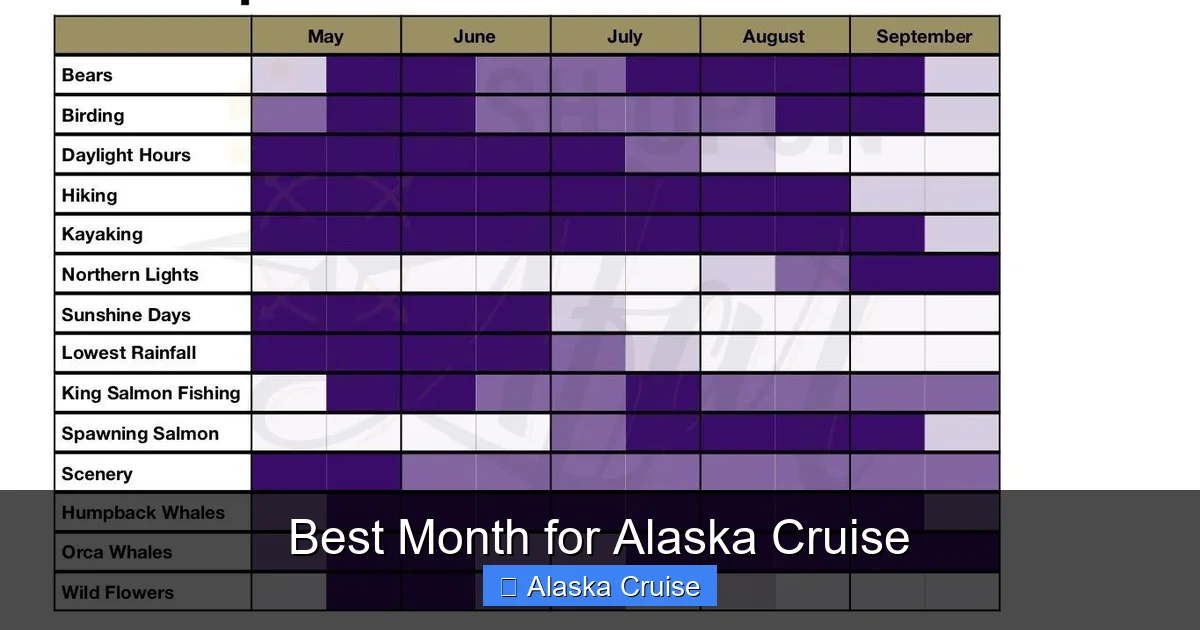
Visual guide about Best Month for Alaska Cruise
Image source: lifewellcruised.com
Alaska’s cruise season is short but spectacular. It typically runs from early May to late September, with the majority of ships operating between June and August. This timing isn’t random—it’s dictated by climate, daylight, and accessibility. The state’s northern latitude means long, harsh winters with heavy snowfall and frozen waterways, making cruising impossible for most of the year. But once spring arrives, the landscape transforms into a vibrant, wildlife-rich paradise.
The season kicks off in May, when the snow begins to melt, rivers thaw, and the first migratory birds return. By June, the days are long and the weather is warming up. July and August are the peak months—warm, busy, and full of activity. Then, as September arrives, the crowds thin, the air turns crisp, and the mountains begin to blush with autumn colors.
Each month offers something different. If you’re looking for the best month for Alaska cruise, you’ll need to weigh factors like temperature, wildlife, pricing, and crowd levels. Let’s dive into each month to help you decide.
May: The Quiet Start to the Season
May marks the beginning of Alaska’s cruise season, and it’s a time of renewal. The landscape is waking up after a long winter, and while it’s still on the cooler side, the scenery is fresh and unspoiled. This is one of the best months for Alaska cruise if you’re looking for a more intimate experience with fewer tourists.
Temperatures in May typically range from 40°F to 60°F (4°C to 15°C), depending on your itinerary. Coastal areas like Ketchikan and Juneau are milder, while inland destinations such as Skagway can be cooler. Rain is possible, so packing layers and a waterproof jacket is essential.
One of the biggest draws of a May cruise is the lower prices. Since it’s the shoulder season, cruise lines often offer discounts on cabins and early-booking promotions. You’ll also find better availability for popular excursions like whale watching, dog sledding, and glacier hikes.
Wildlife is beginning to stir. Bald eagles are active, and you might spot sea lions and harbor seals along the coast. While whale sightings are less common than in summer, some early migrators like orcas and humpbacks can still be seen. On land, bears are emerging from hibernation and can sometimes be spotted near riverbanks feeding on early salmon runs.
Glacier viewing is excellent in May. The ice is still thick, and calving activity is frequent, especially in places like Glacier Bay and Hubbard Glacier. The water is calm, and the views are dramatic—perfect for photographers.
One thing to keep in mind: some ports and attractions may have limited hours or seasonal closures in early May. For example, certain hiking trails or wildlife tours might not be fully operational until later in the month. But if you’re flexible and don’t mind a few quirks, May can be a magical time to explore Alaska.
June: Long Days and Lush Landscapes
June is when Alaska truly comes alive. This is one of the most popular months for Alaska cruise, and for good reason. The weather is warming up, the days are long, and the scenery is lush and green. It’s a great balance between comfort and adventure.
Temperatures in June average between 50°F and 65°F (10°C to 18°C), with coastal areas staying mild and inland spots warming up nicely. Rain is still possible, but sunny days are more frequent than in May. The real highlight, though, is the daylight. In early June, you’ll enjoy up to 18 hours of sunlight, and by the summer solstice (around June 21), some northern ports experience nearly 20 hours of daylight. This means more time for sightseeing, photography, and enjoying the views from your balcony.
Wildlife is abundant in June. Whales are migrating north, and humpbacks, orcas, and gray whales are commonly spotted in places like Icy Strait and Frederick Sound. On land, black and brown bears are active, often seen fishing for salmon in rivers near Juneau and Ketchikan. Birdwatchers will love the return of puffins, murres, and a variety of seabirds nesting along the cliffs.
Glacier viewing remains excellent, with clear skies and calm waters making for ideal conditions. Hubbard Glacier, one of the most active glaciers in North America, often calves dramatically in June, sending massive ice chunks crashing into the sea.
Crowds begin to pick up in June, especially in popular ports like Juneau and Skagway. However, it’s still less busy than July and August, so you’ll have a bit more breathing room. Excursions are fully operational, and most attractions are open.
If you’re looking for a mix of good weather, wildlife, and fewer crowds, June is one of the best months for Alaska cruise. It’s also a great time for families, as kids are often on summer break and the long days allow for extended exploration.
July: Peak Season for Wildlife and Weather
July is the heart of Alaska’s cruise season—and for many travelers, it’s the best month for Alaska cruise. The weather is at its warmest, wildlife is at its most active, and the scenery is at its peak. But with all that comes higher prices and bigger crowds.
Temperatures in July typically range from 55°F to 70°F (13°C to 21°C), making it the warmest month of the season. Coastal areas remain comfortable, while inland destinations like Skagway can get quite warm during the day. Rain is less frequent than in spring, though afternoon showers are still possible.
Wildlife is the star of July. This is prime time for whale watching—humpbacks are feeding aggressively in nutrient-rich waters, often putting on spectacular shows with breaching and tail slapping. Orcas and minke whales are also commonly seen. On land, bears are busy fishing for salmon, and you might spot them along riverbanks or in national parks like Denali (if your cruise includes a land tour).
Birdlife is also thriving. Puffins are nesting, and bald eagles are everywhere. Moose, mountain goats, and even the occasional wolf can be spotted in certain areas, especially during guided wildlife tours.
Glacier calving is frequent in July, with Hubbard Glacier and Mendenhall Glacier offering dramatic displays. The long daylight hours—up to 19 hours in some areas—mean you can enjoy sunset views over the ice long after dinner.
The downside? July is the busiest month. Ports like Juneau, Ketchikan, and Skagway are packed with cruise ships, and popular excursions like helicopter tours and dog sledding can book up weeks in advance. Prices are at their highest, and cabin availability is limited.
If you’re set on traveling in July, book early—ideally 9 to 12 months in advance. Consider choosing less crowded ports or opting for smaller ships that visit more remote destinations. Despite the crowds, July offers an unmatched Alaskan experience for those who want the full package: warmth, wildlife, and wonder.
August: Warm Weather and Autumn Hints
August is another top contender for the best month for Alaska cruise. The weather remains warm, wildlife is still active, and the first signs of autumn begin to appear. It’s a great alternative to July if you want similar conditions with slightly fewer crowds.
Temperatures in August are similar to July, ranging from 55°F to 70°F (13°C to 21°C). Coastal areas stay mild, while inland spots may cool slightly toward the end of the month. Rain is possible, but sunny days are common.
Wildlife remains abundant. Whales are still feeding in Alaskan waters, and bear sightings are frequent, especially as salmon runs peak in rivers. Bird activity begins to shift as some species start their southward migration, but many seabirds and raptors remain.
One of the unique perks of an August cruise is the changing landscape. In the latter half of the month, you’ll start to see the first hints of fall—golden aspens, red fireweed, and tinted mountain slopes. This creates stunning photo opportunities, especially in places like Glacier Bay and Tracy Arm Fjord.
Glacier viewing is still excellent, with clear skies and active calving. However, by late August, some glaciers may begin to recede slightly as summer melt continues.
Crowds are slightly lower than in July, making August a good compromise between peak season energy and shoulder-season tranquility. Prices are still high, but you may find last-minute deals as the season winds down.
August is ideal for travelers who want warm weather, active wildlife, and a taste of autumn beauty—all without the July rush.
September: Fall Colors and Farewell to Summer
September marks the end of Alaska’s cruise season, and it’s a time of transition. The weather cools, the crowds thin, and the landscape transforms into a canvas of gold, red, and orange. For many, this is one of the best months for Alaska cruise—especially if you love fall scenery and quieter ports.
Temperatures in September range from 45°F to 60°F (7°C to 15°C), with cooler nights and crisp mornings. Rain becomes more frequent, and snow is possible in higher elevations. Layering is essential, and waterproof gear is a must.
Wildlife is still present, though activity begins to slow. Bears are preparing for hibernation and can be seen gorging on late salmon runs. Whales are still around, but sightings become less predictable as they begin migrating south. Birdwatchers will enjoy the fall migration, with thousands of birds passing through coastal areas.
The real highlight of September is the fall foliage. In places like Haines and Skagway, the mountains blaze with color, creating a stunning backdrop for your cruise. It’s a photographer’s dream.
Glacier viewing remains good, though calving activity may decrease as temperatures drop. Some glaciers, like Mendenhall, are still accessible, but weather can impact visibility.
Crowds are significantly lower in September, making it a peaceful time to explore. Prices drop, and last-minute deals are common. Excursions may have reduced hours, but most popular tours are still available.
If you’re flexible and don’t mind cooler weather, September offers a unique and beautiful way to experience Alaska—with fewer people and more solitude.
How to Choose the Best Month for Your Alaska Cruise
Now that you know what each month offers, how do you decide? The best month for Alaska cruise depends on your priorities. Here are some tips to help you choose:
- For warm weather and long days: Choose June, July, or August.
- For wildlife viewing: July is best, but June and August are also strong.
- For fewer crowds and lower prices: May or September.
- For fall colors: Late August to September.
- For glacier calving: Late May through August.
- For photography: June for greenery, September for fall colors.
Consider your travel style. Are you a nature lover who wants to see bears and whales? Go in July. Are you on a budget and don’t mind cooler temps? Try May or September. Do you want the full summer experience? June or August might be perfect.
Also, think about your itinerary. Some routes, like those visiting Glacier Bay, are only accessible during certain months. Check with your cruise line for seasonal availability.
Finally, book early—especially for peak months. Alaska cruises sell out fast, and the best cabins and excursions go quickly.
Packing Tips for Your Alaska Cruise
No matter when you go, packing smart is key. Alaska’s weather can change quickly, so layers are essential. Here’s a quick packing checklist:
- Base layers: Moisture-wicking shirts and long johns.
- Mid layers: Fleece or wool sweaters.
- Outer layers: Waterproof and windproof jacket and pants.
- Footwear: Waterproof hiking boots and warm socks.
- Accessories: Hat, gloves, scarf, and sunglasses.
- Extras: Binoculars, camera, reusable water bottle, and motion sickness remedies.
Even in summer, it can get chilly on deck—especially during glacier viewing. And don’t forget sunscreen and insect repellent, especially in July and August.
Conclusion
So, what’s the best month for Alaska cruise? The answer depends on what you’re looking for. June through August offers the warmest weather, longest days, and most active wildlife—making them the most popular times to visit. But May and September bring their own magic: lower prices, fewer crowds, and unique seasonal beauty like spring blooms or autumn colors.
Whether you’re chasing whales, photographing glaciers, or simply soaking in the stunning scenery, Alaska delivers an unforgettable experience no matter when you go. The key is to match your travel style with the right month. Book early, pack wisely, and get ready for the adventure of a lifetime.
Frequently Asked Questions
What is the best month for Alaska cruise in terms of weather?
The best month for Alaska cruise in terms of weather is July, when temperatures are warmest—ranging from 55°F to 70°F (13°C to 21°C)—and rainfall is less frequent. August is also excellent, with similar conditions and slightly fewer crowds.
Can you see whales on an Alaska cruise in May?
Yes, you can see whales in May, though sightings are less common than in summer. Early migrators like orcas and humpbacks may be spotted, but peak whale activity occurs in July and August.
Is September too cold for an Alaska cruise?
September isn’t too cold, but it’s cooler than summer, with temperatures ranging from 45°F to 60°F (7°C to 15°C). It’s ideal for travelers who enjoy crisp air and fall colors, but you’ll need warm layers.
Are Alaska cruises cheaper in May or September?
Yes, both May and September are cheaper than peak summer months. Cruise lines often offer discounts during these shoulder seasons, making them great options for budget-conscious travelers.
What wildlife can you see in June on an Alaska cruise?
In June, you can see whales (humpbacks, orcas), bears fishing for salmon, bald eagles, puffins, and a variety of seabirds. Wildlife is active as the landscape comes alive after winter.
Do all cruise ships operate in May and September?
Most major cruise lines operate in May and September, but some smaller ships or specific itineraries may have limited availability. It’s best to check with your cruise line for seasonal schedules.