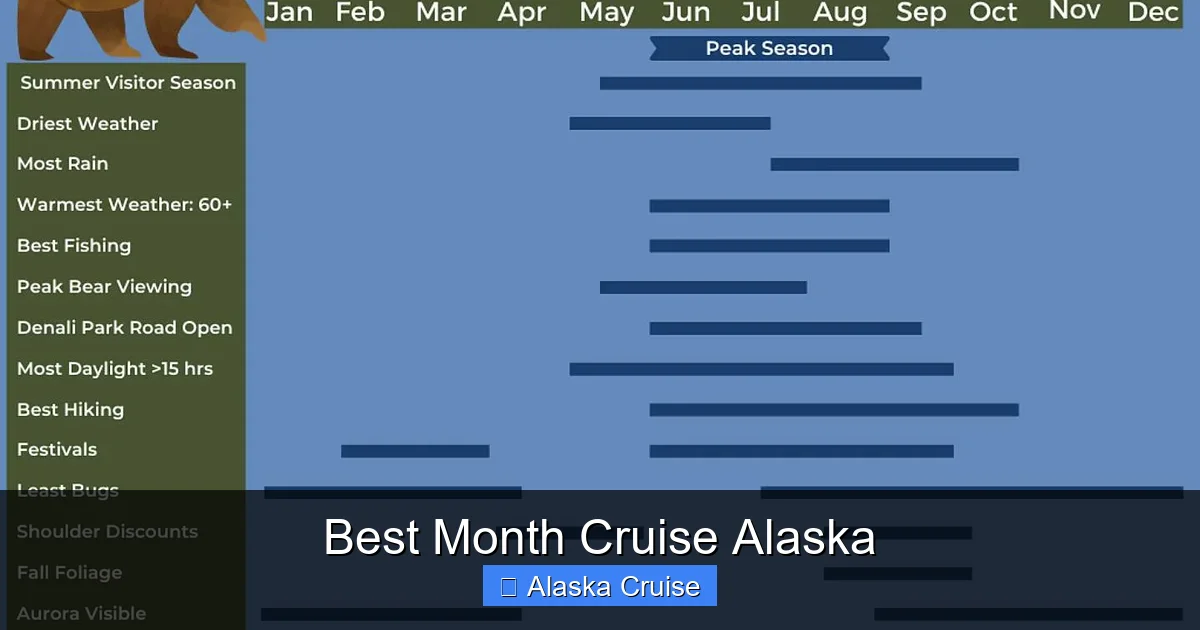
Choosing the best month for an Alaska cruise can make or break your trip. From mild weather and long daylight hours to peak wildlife sightings and glacier calving, timing is everything. This guide breaks down each month’s pros and cons so you can pick the perfect time for your Alaskan adventure.
Dreaming of towering glaciers, misty fjords, and bald eagles soaring above snow-capped peaks? An Alaska cruise delivers all that and more. But with a cruising season that stretches from May to September, choosing the right time to go can feel overwhelming. Should you chase the midnight sun in June or enjoy quieter ports in September? Is July worth the crowds for the wildlife? The truth is, there’s no single “best” month—only the best month *for you*, based on your priorities.
Alaska’s cruise season is short but spectacular. Each month offers a unique flavor of the Last Frontier, from the quiet awakening of spring in May to the golden hues of early fall in September. Whether you’re a wildlife enthusiast, a photography buff, or simply craving a peaceful escape from the daily grind, timing your trip right ensures you get the most out of your journey. This guide will walk you through every month of the Alaska cruise season, highlighting weather patterns, wildlife activity, crowd levels, pricing, and must-see experiences—so you can confidently pick the perfect time for your Alaskan adventure.
Key Takeaways
- May and September offer fewer crowds and lower prices: These shoulder months provide a quieter experience with decent weather and active wildlife, ideal for budget-conscious travelers.
- June through August is peak season for a reason: Warmest temperatures, longest days, and the best chance to see bears, whales, and blooming wildflowers make summer the most popular time to cruise Alaska.
- Wildlife viewing peaks in July: This is the prime month for spotting humpback whales, orcas, sea lions, and brown bears fishing for salmon.
- Glacier views are clearest in late summer: By August, snowmelt reveals more of the glaciers’ striking blue ice, and calving activity increases.
- Daylight varies dramatically by month: In June, you’ll enjoy nearly 18–20 hours of daylight, while September offers around 12–14 hours—still plenty for sightseeing.
- Pack layers regardless of the month: Alaska’s weather is unpredictable; even in summer, temperatures can swing from 40°F to 70°F.
- Book early for summer cruises: Popular itineraries fill up fast, so reserve your cabin 9–12 months in advance for the best selection.
📑 Table of Contents
Understanding Alaska’s Cruise Season
Alaska’s cruise season officially runs from early May to late September, a narrow window dictated by weather, daylight, and wildlife cycles. Unlike tropical destinations that welcome tourists year-round, Alaska’s harsh winters make cruising impossible from October through April. This limited season means demand is high, especially during the summer months.
The season is often divided into three phases: shoulder season (May and September), early summer (June), peak summer (July and August), and late summer (September). Each phase offers distinct advantages and trade-offs. For example, May brings lower prices and fewer tourists, but some attractions may still be closed due to lingering snow. September, on the other hand, offers crisp air and fall colors, but daylight hours shrink rapidly.
One of the biggest factors influencing your experience is daylight. In June, you’ll enjoy nearly 20 hours of daylight in places like Juneau and Ketchikan—perfect for squeezing in extra excursions. By September, daylight drops to around 12 hours, which is still ample for sightseeing but may limit your time in port. Understanding these seasonal shifts helps you set realistic expectations and plan accordingly.
Why Timing Matters in Alaska
Alaska isn’t just another cruise destination—it’s a dynamic, ever-changing landscape shaped by nature’s rhythms. The timing of your visit affects everything from what you see to how you feel. For instance, wildlife behavior shifts dramatically throughout the season. Bears are most active in July when salmon runs peak, while whales migrate through the Inside Passage primarily between June and August.
Weather is another critical factor. While Alaska is often imagined as cold and snowy, summer temperatures can be surprisingly mild—especially along the coast. However, rain is common, and microclimates mean you could experience sunshine in one port and fog in the next. Packing smart and dressing in layers is essential, no matter when you go.
Crowds and pricing also fluctuate significantly. Summer months draw families, retirees, and international travelers, leading to packed ships and higher fares. If you prefer a more relaxed pace, consider cruising in May or September when ships are less crowded and ports feel more authentic.
May: The Quiet Start to the Season
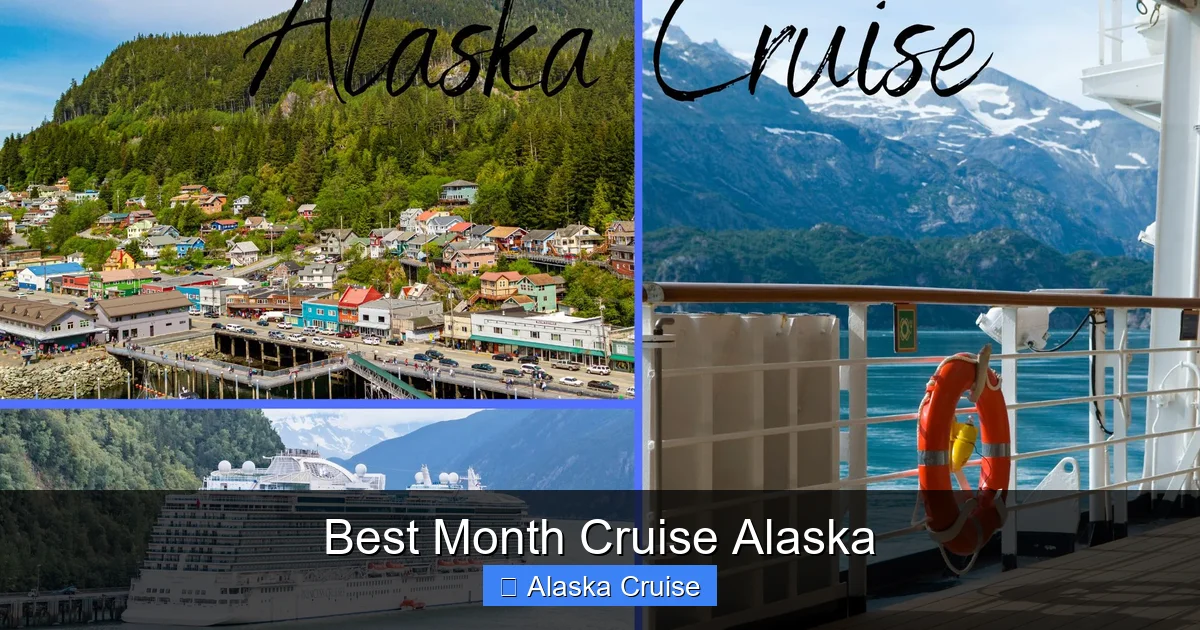
Visual guide about Best Month Cruise Alaska
Image source: cruisefever.net
May marks the beginning of Alaska’s cruise season, offering a peaceful and affordable way to experience the region before the summer rush. While it’s still early in the year, the landscape is coming alive—snow is melting, rivers are swelling, and wildlife is emerging from winter hibernation.
Temperatures in May typically range from 40°F to 60°F, with increasing daylight each week. By the end of the month, you’ll enjoy up to 16 hours of daylight, giving you plenty of time to explore. However, be prepared for variable weather—rain is common, and some mountain passes may still have snow.
One of the biggest advantages of cruising in May is the lack of crowds. Ships operate at lower capacity, and ports like Skagway and Juneau feel more like local towns than tourist hubs. This makes for a more intimate experience, with easier access to shore excursions and fewer lines at popular attractions.
Wildlife and Scenery in May
While May isn’t peak wildlife season, it’s still a great time to spot animals. Bald eagles are abundant, and sea lions can often be seen lounging on rocky outcrops. Whale sightings are less common than in summer, but humpbacks begin arriving in late May. On land, bears are emerging from hibernation and can sometimes be spotted foraging near riverbanks.
The scenery in May is lush and green, with waterfalls at their most powerful due to snowmelt. Glaciers are still snow-covered, which can make them appear less dramatic than in late summer, but the contrast against the emerging greenery is stunning. If you’re a fan of photography, the soft light and fewer tourists make May an ideal time for capturing serene landscapes.
Pros and Cons of Cruising in May
Pros:
- Lower cruise fares and fewer crowds
- Authentic, less commercialized port experiences
- Beautiful spring scenery with blooming wildflowers
- Good chance to see bears and eagles
Cons:
- Cooler temperatures and higher chance of rain
- Some attractions and tours may not be fully operational
- Fewer whale sightings compared to summer
- Shorter daylight hours than June or July
If you’re looking for a budget-friendly, peaceful Alaska cruise with a touch of spring magic, May is a solid choice—just pack a good rain jacket and flexible expectations.
June: The Start of Peak Season
June is when Alaska truly comes alive. The days are long, the weather is warming, and the cruise ships are filling up. This month marks the transition from shoulder season to peak season, offering a balance of good weather, active wildlife, and manageable crowds.
Temperatures in June typically range from 50°F to 65°F, with occasional warmer days. Rain is still possible, but sunshine becomes more frequent. By mid-June, daylight stretches to nearly 18 hours in southern Alaska—perfect for early morning wildlife tours and late-evening glacier viewing.
One of the highlights of June is the blooming of wildflowers. Lupines, fireweed, and alpine blooms paint the landscape in vibrant colors, especially in areas like Glacier Bay and Tracy Arm Fjord. The long days also mean more time for excursions, from whale watching in Juneau to dog sledding on a glacier near Skagway.
Wildlife Highlights in June
June is an excellent month for wildlife enthusiasts. Humpback whales arrive in force, and orcas can often be spotted near the coast. Sea otters, seals, and sea lions are active, and birdwatchers will delight in the abundance of puffins, cormorants, and bald eagles.
On land, black and brown bears are frequently seen near rivers and estuaries, preparing for the upcoming salmon run. If you’re lucky, you might even spot a moose or a Sitka deer grazing in the meadows. Guided wildlife tours are widely available, and many cruise lines offer naturalist-led excursions that enhance your chances of sightings.
Why June Is a Great Compromise
June strikes a sweet spot between the quiet of May and the frenzy of July and August. You’ll enjoy better weather and more operational tours than in May, but without the peak-season crowds and prices. It’s also a great time for families, as schools are still in session, so ports feel less crowded than in July.
Cruise lines often launch their full summer schedules in June, meaning more itinerary options and onboard activities. Whether you’re sailing with Holland America, Princess, or Norwegian Cruise Line, you’ll find a wide range of ships and routes to choose from.
July: Peak Wildlife and Summer Energy
July is widely considered the best month for an Alaska cruise—and for good reason. It’s the height of summer, with warm weather, long days, and the most active wildlife of the season. If your priority is seeing bears, whales, and glaciers at their most dramatic, July is the time to go.
Temperatures in July average between 55°F and 70°F, making it the warmest month of the cruise season. While rain is still possible, sunny days are more common, and the long daylight hours—up to 19 hours in some areas—allow for extended exploration.
Wildlife at Its Peak
July is prime time for wildlife viewing. The salmon runs are in full swing, drawing brown bears to rivers and streams in places like Katmai National Park and Admiralty Island. Guided bear-viewing tours are highly recommended, as they offer safe and ethical ways to observe these magnificent animals in their natural habitat.
Whale watching is also at its best in July. Humpback whales are abundant, often seen breaching and feeding near the surface. Orcas, minke whales, and even the occasional gray whale can be spotted, especially in areas like Icy Strait and Frederick Sound. Many cruise ships have onboard naturalists who provide commentary and help passengers identify species.
Glaciers and Scenery in July
By July, glaciers have shed much of their winter snow, revealing the stunning blue ice beneath. Glacier calving—the dramatic process of ice breaking off into the water—is more frequent, creating thunderous splashes and floating icebergs. Popular glacier stops like Hubbard Glacier, Mendenhall Glacier, and Glacier Bay are at their most impressive.
The scenery is lush and vibrant, with green forests, wildflower meadows, and snow-capped peaks. Waterfalls are still strong from snowmelt, and the combination of ice, water, and wildlife makes for unforgettable photo opportunities.
Drawbacks of July Cruises
The main downside of July is the crowds. Ships are often at full capacity, and popular excursions—like flightseeing over glaciers or whale-watching tours—can sell out weeks in advance. Ports like Juneau and Ketchikan can feel busy, especially on weekends.
Prices are also at their highest, with cruise fares and airfare peaking during this time. If you’re traveling with a family or on a budget, July may require more planning and a higher investment.
August: Late Summer Magic
August continues the summer momentum, offering warm weather, active wildlife, and some of the clearest glacier views of the season. While crowds remain high, the experience is still exceptional, especially for those who want to maximize their time in Alaska.
Temperatures in August are similar to July, ranging from 55°F to 70°F. The days are still long—around 16–17 hours of daylight—giving you ample time for sightseeing. Rain becomes slightly more frequent toward the end of the month, but sunny days are still common.
Wildlife and Salmon Runs
August is still a great month for wildlife, though some species begin to shift their behavior. Bears remain active, especially in areas with late salmon runs. Whale sightings are still strong, though some humpbacks begin migrating south by late August.
One unique advantage of August is the chance to see baby animals. Seal pups, bear cubs, and young birds are often visible, adding a charming element to your wildlife encounters. Birdwatchers will also enjoy the variety of migratory species passing through.
Glacier Views and Calving Activity
By August, glaciers are at their most photogenic. The snow has melted, revealing the deep blue ice that makes Alaskan glaciers so iconic. Calving activity increases as warmer temperatures cause more ice to break off, creating dramatic splashes and icebergs that float through the fjords.
This is also a great time for glacier hiking or kayaking excursions, as trails are clear and conditions are stable. Many cruise lines offer guided tours that get you up close to the ice, providing a once-in-a-lifetime experience.
Why August Is Worth Considering
August offers many of the same benefits as July—great weather, active wildlife, and stunning scenery—but with slightly fewer crowds as families begin preparing for the school year. It’s also a good time for last-minute bookings, as some cruise lines offer discounts to fill remaining cabins.
If you’re flexible with dates and want to experience Alaska at its peak without the absolute height of summer crowds, August is an excellent choice.
September: The Quiet Farewell
September marks the end of the cruise season, offering a peaceful and scenic way to experience Alaska as summer fades into fall. While daylight hours shrink and temperatures cool, the landscape transforms into a palette of gold, red, and orange—making it a favorite among photographers and nature lovers.
Temperatures in September range from 45°F to 60°F, with cooler nights and increasing chances of rain. Daylight drops to around 12–14 hours by the end of the month, but there’s still plenty of time for exploration.
Fall Colors and Scenic Beauty
One of the biggest draws of September is the fall foliage. While Alaska doesn’t have the dense forests of New England, areas like the Tongass National Forest and the Mendenhall Valley burst into color as cottonwoods, birch, and willow trees turn golden. The contrast against the blue glaciers and dark waters is breathtaking.
Wildlife is still active, though some species begin migrating. Bears are busy fattening up for winter, and whales may still be spotted early in the month. Bird migrations are in full swing, offering opportunities to see geese, swans, and raptors.
Pros and Cons of September Cruises
Pros:
- Stunning fall scenery and fewer crowds
- Lower cruise fares and last-minute deals
- Authentic, peaceful port experiences
- Good chance to see bears and migratory birds
Cons:
- Cooler temperatures and higher chance of rain
- Shorter daylight hours
- Some tours and attractions may close early in the month
- Fewer whale sightings as migration begins
September is ideal for travelers seeking a quieter, more reflective Alaska experience. It’s also a great time for solo travelers, couples, or those looking to avoid the summer rush.
How to Choose the Best Month for Your Cruise
With so many factors to consider, how do you decide which month is right for you? Start by identifying your top priorities. Are you most interested in wildlife, scenery, weather, or budget? Do you prefer quiet ports or lively onboard activities?
If wildlife is your main focus, July is the clear winner. For glacier views and long days, June through August are ideal. If you’re on a budget or dislike crowds, May or September may be better choices.
Consider your travel companions, too. Families with young children may prefer July or August when schools are out, while retirees might appreciate the quieter shoulder months. Solo travelers and photographers often enjoy September for its peaceful atmosphere and stunning light.
Finally, book early—especially for summer cruises. Popular itineraries fill up quickly, and prices rise as departure dates approach. Use cruise comparison sites, sign up for fare alerts, and consider working with a travel agent who specializes in Alaska.
Packing Tips for Any Month
No matter when you go, packing for an Alaska cruise requires preparation. The key is layering. Start with a moisture-wicking base layer, add an insulating mid-layer like fleece, and top it off with a waterproof outer shell.
Don’t forget:
- Waterproof hiking boots
- Warm hat and gloves (even in summer)
- Sunglasses and sunscreen (glare off the water is intense)
- Binoculars for wildlife viewing
- Camera with extra batteries (cold drains them fast)
- Reusable water bottle and daypack
Even in July, temperatures can drop quickly on the water or at higher elevations. Be ready for anything, and you’ll stay comfortable no matter the weather.
Conclusion
There’s no single “best month” for an Alaska cruise—only the best month for your unique travel style and goals. Whether you’re chasing bears in July, enjoying fall colors in September, or savoring the quiet beauty of May, Alaska delivers an unforgettable experience every time.
By understanding the seasonal rhythms of the Last Frontier, you can choose a time that aligns with your priorities and ensures a trip filled with wonder, adventure, and natural beauty. So pack your bags, grab your camera, and get ready to cruise into one of the most spectacular destinations on Earth.
Frequently Asked Questions
What is the best month for whale watching in Alaska?
The best month for whale watching is July, when humpback whales are most active and abundant in Alaskan waters. June and August also offer excellent sightings, but July provides the highest chance of seeing breaching whales and feeding behaviors.
Is it cold on an Alaska cruise in July?
No, July is the warmest month, with temperatures typically ranging from 55°F to 70°F. However, it can still feel chilly on the water or in shaded areas, so dressing in layers is recommended.
Can you see the Northern Lights on an Alaska cruise?
No, the Northern Lights are not visible during the cruise season (May–September) due to nearly constant daylight. Aurora viewing is best from late September to March, when nights are dark.
Are Alaska cruises expensive in September?
Generally, yes—September cruises are often cheaper than summer months, with lower fares and last-minute deals available. This makes it a great option for budget travelers.
Do I need a passport for an Alaska cruise?
It depends on the itinerary. Closed-loop cruises (departing and returning to the same U.S. port) do not require a passport, but it’s highly recommended in case of emergencies or port changes.
What should I wear on an Alaska cruise?
Pack layers, including a waterproof jacket, warm fleece, moisture-wicking base layers, and sturdy walking shoes. Even in summer, temperatures can vary widely, and rain is common.