The best month for an Alaska cruise depends on your priorities—wildlife, weather, or fewer crowds. June and July offer long days and peak wildlife, while August brings milder weather and vibrant fall colors. Early September is ideal for Northern Lights and lower prices.
Key Takeaways
- June offers long daylight hours and abundant wildlife sightings. It’s a top choice for families and first-time cruisers wanting full access to ports and excursions.
- July is the warmest and busiest month, with peak glacier calving and whale activity. Expect larger crowds but the most predictable weather.
- August provides a balance of good weather, fewer crowds, and stunning fall foliage. It’s ideal for travelers seeking a quieter experience with still-active wildlife.
- Early September is perfect for Northern Lights and lower cruise prices. While temperatures drop, the chance to see the aurora and enjoy peaceful ports increases.
- May and late September are shoulder months with trade-offs. You’ll save money and avoid crowds but may face limited excursions and colder weather.
- Wildlife viewing peaks in June through August. Bears, whales, and puffins are most active during these months, especially in Glacier Bay and Inside Passage routes.
- Weather varies widely across Alaska’s regions. Coastal areas like Juneau are milder, while inland spots like Skagway can be cooler—pack layers regardless of the month.
📑 Table of Contents
- Introduction: Why Timing Matters for Your Alaska Cruise
- Understanding Alaska’s Cruise Season
- Best Month for Wildlife Viewing
- Weather and Climate by Month
- Glacier Viewing and Calving Activity
- Port Experiences and Excursions by Month
- Cost and Crowd Considerations
- Northern Lights and Night Sky Viewing
- Packing Tips for Every Month
- Conclusion: Choosing Your Perfect Alaska Cruise Month
Introduction: Why Timing Matters for Your Alaska Cruise
Imagine standing on the deck of a cruise ship, binoculars in hand, as a humpback whale breaches just 50 yards away. Or picture yourself hiking through a misty rainforest, the air crisp and clean, with the distant rumble of a glacier calving into the sea. These are the kinds of moments that make an Alaska cruise unforgettable—but when you go can make all the difference.
Alaska’s cruise season runs from May to September, a short window that packs in dramatic landscapes, abundant wildlife, and some of the most stunning natural phenomena on Earth. Yet, each month offers a unique experience. Whether you’re chasing the Northern Lights, hoping to spot a grizzly bear, or simply want comfortable weather for exploring ports, choosing the best month for your Alaska cruise is crucial. This guide will walk you through the pros and cons of each month, helping you pick the perfect time for your adventure.
Understanding Alaska’s Cruise Season
Alaska’s cruise season is relatively short, typically spanning from early May to late September. This is due to the state’s extreme climate—harsh winters make ports inaccessible and excursions unsafe. Most major cruise lines, including Holland America, Princess, and Norwegian, operate during this period, with the majority of sailings concentrated between June and August.
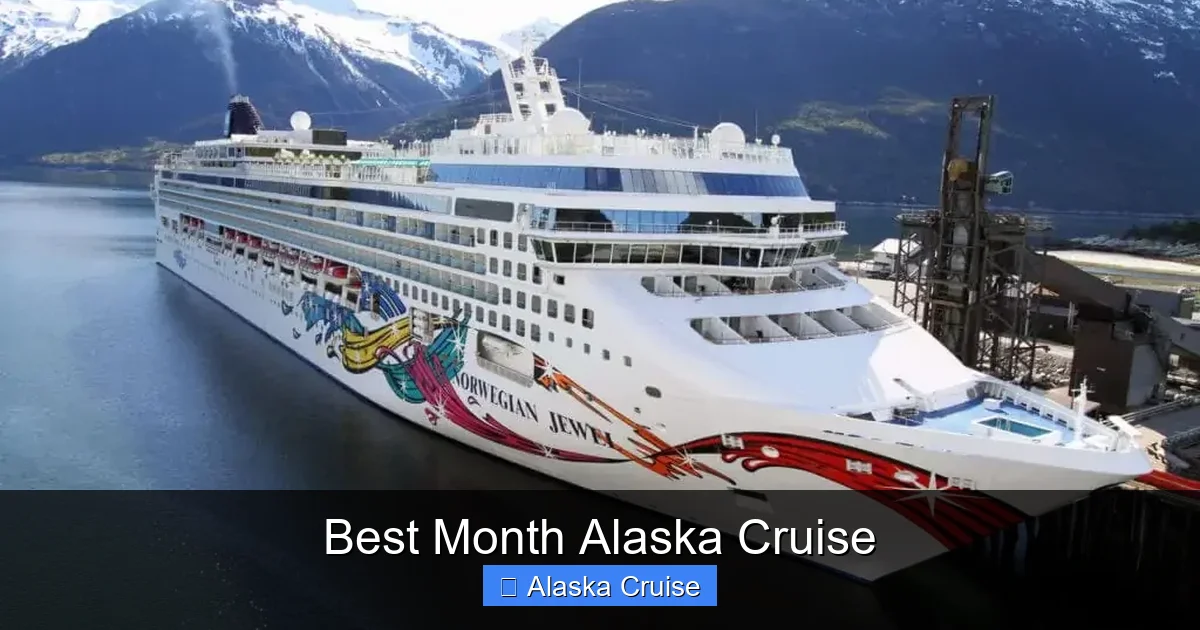
Visual guide about Best Month Alaska Cruise
Image source: highseascruising.com
Why the Season Is Limited
Alaska’s geography plays a big role in its short cruise season. The state is vast, with many ports accessible only by sea or air. In winter, ice can block waterways, and snow can shut down roads and trails. Additionally, daylight hours shrink dramatically, making sightseeing difficult. By May, the ice begins to melt, ports reopen, and wildlife becomes active again—signaling the start of cruise season.
Peak vs. Shoulder Months
The cruise season can be divided into three phases: shoulder months (May and September), peak months (June, July, August), and the height of peak season (mid-June to mid-August). Each phase offers different advantages. Shoulder months mean lower prices and fewer crowds, but also cooler weather and fewer excursion options. Peak months deliver the best weather and full access to activities, but at a higher cost and with more tourists.
Regional Variations
It’s also important to note that Alaska isn’t one uniform climate zone. Coastal towns like Ketchikan and Juneau enjoy milder temperatures due to the ocean’s influence, while inland areas like Skagway can be cooler and windier. The Inside Passage route—popular with most cruise lines—stays relatively temperate, but glacier-heavy areas like Hubbard Glacier or Tracy Arm can feel chilly even in summer.
Best Month for Wildlife Viewing
If seeing wildlife is at the top of your bucket list, timing your Alaska cruise correctly is essential. Alaska is home to some of the most diverse and accessible wildlife in North America, and the best sightings happen during specific months.
Whales: June to August
Humpback whales, orcas, and gray whales are most commonly spotted between June and August. These months coincide with the peak of the salmon run, which draws whales into shallow waters to feed. Popular whale-watching spots include Icy Strait Point near Hoonah and the waters around Juneau. Many cruise lines offer dedicated whale-watching excursions, often led by marine biologists.
Bears: July and August
For bear sightings, July and August are prime. Brown bears and black bears are frequently seen along riverbanks, especially in areas like Pack Creek on Admiralty Island or Anan Creek near Wrangell. These locations offer guided bear-viewing tours where you can safely observe bears catching salmon. Early morning and late evening are the best times for sightings.
Sea Otters, Puffins, and More
Sea otters are commonly seen year-round, but they’re most active in summer. Puffins, with their colorful beaks and comical appearance, nest along coastal cliffs from May to August. Look for them near Glacier Bay or on the shores of Baranof Island. Sea lions and harbor seals are also frequently spotted lounging on rocks or swimming alongside ships.
Birdwatching Opportunities
Alaska is a birdwatcher’s paradise. From bald eagles soaring overhead to tufted puffins nesting in sea cliffs, the state hosts over 400 bird species. June and July are ideal for birdwatching, as migratory birds return to breed. Bring binoculars and a field guide—or join a naturalist-led tour for expert insights.
Weather and Climate by Month
Alaska’s weather can be unpredictable, but understanding the typical conditions for each month helps you pack wisely and set realistic expectations.
May: Cool and Unpredictable
May marks the start of the cruise season. Temperatures range from 40°F to 60°F (4°C to 15°C), but rain is common. Some ports may still have lingering snow, and not all excursions are available. However, you’ll enjoy long daylight hours and fewer crowds. It’s a great time for budget travelers willing to trade comfort for savings.
June: Mild and Bright
June is one of the most popular months for a reason. Daylight lasts up to 18 hours in some areas, giving you plenty of time to explore. Temperatures average 50°F to 65°F (10°C to 18°C), though it can feel cooler on the water. Rain is still possible, but sunny days are more frequent. Wildlife is active, and most excursions are up and running.
July: Warmest and Busiest
July is the warmest month, with temperatures reaching 60°F to 70°F (15°C to 21°C) in coastal areas. It’s also the busiest, with schools on summer break and families hitting the road. Expect larger crowds at ports and on excursions. However, the weather is generally stable, and glacier calving is at its peak—don’t miss the thunderous crash of ice falling into the sea.
August: Comfortable and Colorful
August offers a sweet spot between good weather and fewer crowds. Temperatures are similar to July, but the tourist rush begins to ease after mid-month. One highlight is the start of fall colors—tundra turns vibrant shades of red, orange, and gold, especially in interior regions. It’s a photographer’s dream.
September: Cool and Quiet
September brings cooler temperatures, ranging from 40°F to 55°F (4°C to 13°C). Rain increases, and some excursions may close by mid-month. However, this is the best time to see the Northern Lights, especially in the northern parts of the state. The trade-off? Lower prices and peaceful ports. If you don’t mind bundling up, September can be magical.
Glacier Viewing and Calving Activity
One of the main draws of an Alaska cruise is the chance to see massive glaciers up close. But when is the best time to witness these icy giants in action?
Peak Calving Season: June to August
Glacier calving—the process of ice breaking off into the water—is most dramatic from June to August. Warmer temperatures and increased meltwater lubricate the glaciers, causing more frequent and larger calving events. Popular glaciers like Mendenhall (near Juneau), Hubbard (on the Gulf of Alaska), and Sawyer (in Tracy Arm) are best viewed during these months.
Best Glaciers to Visit
Hubbard Glacier is one of the most active and accessible. At over 7 miles wide, it’s a must-see for any Alaska cruise. Mendenhall Glacier, located just outside Juneau, offers easy access via a visitor center and hiking trails. For a more remote experience, Tracy Arm Fjord features twin glaciers surrounded by towering cliffs and waterfalls.
Tips for Glacier Viewing
Bring a waterproof jacket and layers—even in summer, glacier areas can be chilly and damp. Book a glacier-viewing excursion if your ship doesn’t sail close enough. Kayaking near a glacier offers an intimate perspective, while flightseeing tours provide aerial views of vast ice fields. Always listen to your guide—glaciers can be dangerous up close.
Port Experiences and Excursions by Month
Each port in Alaska offers unique experiences, but the availability of excursions varies by month. Knowing what’s open when can help you plan your itinerary.
Ketchikan: The Gateway to the Inside Passage
Ketchikan, known for its totem poles and rainforest hikes, is usually the first port of call. In May, some cultural sites and tours may still be closed, but by June, everything is in full swing. Don’t miss the Misty Fjords flightseeing tour or a visit to the Totem Heritage Center.
Juneau: Whales, Glaciers, and Gold Rush History
Juneau offers a mix of adventure and history. Whale-watching tours run from May to September, but June through August offer the highest success rates. The Mount Roberts Tramway provides stunning views, and the city’s gold rush museums are open all season. In September, you might catch the start of the salmon run at the Macaulay Salmon Hatchery.
Skagway: Adventure in the Klondike
Skagway is a hub for outdoor activities. The White Pass and Yukon Route Railroad operates from May to September, offering scenic train rides through mountain passes. Hiking, gold panning, and dog sledding demos are available, but some high-elevation trails may be snow-covered in May and September.
Glacier Bay and Hubbard Glacier
These natural wonders are highlights of most itineraries. Glacier Bay National Park is accessible from June to August, with ranger-led programs on board ships. Hubbard Glacier is often included in Gulf of Alaska cruises and is best viewed in July and August when calving is most active.
Lesser-Known Ports
Smaller ports like Haines, Wrangell, and Sitka offer a more authentic Alaskan experience. Haines is known for its art scene and wildlife, while Wrangell is a gateway to Anan Creek Bear Observatory. These ports are less crowded and often open later in the season, making them ideal for September travelers.
Cost and Crowd Considerations
Your budget and tolerance for crowds will heavily influence the best month for your Alaska cruise.
Peak Season Pricing
June, July, and August are the most expensive months. Cruise fares, flights, and excursions can be 20–30% higher than in shoulder months. Booking early is essential—many popular sailings sell out a year in advance.
Shoulder Month Savings
May and September offer significant savings. Cruise lines often discount fares to fill ships, and airfare to Seattle or Vancouver (common departure cities) tends to be lower. You’ll also find better deals on hotels and pre-cruise packages.
Crowd Levels
Expect large crowds in July, especially in popular ports like Juneau and Skagway. Lines for excursions can be long, and popular restaurants may require reservations. In contrast, September feels peaceful—many locals say it’s their favorite time to visit.
Booking Tips
Book your cruise 9–12 months in advance for the best selection and prices. Consider a repositioning cruise in May or September—these one-way sailings often offer lower fares and unique itineraries. Also, look for promotions like free gratuities or onboard credit.
Northern Lights and Night Sky Viewing
While the Northern Lights (aurora borealis) are more commonly associated with winter, they can be seen in Alaska as early as late August and through September.
Best Time for Aurora Viewing
The aurora is visible when the sky is dark and clear, which becomes possible after the summer solstice. Late August and September offer the first real chances to see the lights, especially in northern regions like Fairbanks or the Arctic Circle. However, most cruise itineraries don’t go that far north, so your best bet is a land tour extension after your cruise.
Stargazing Opportunities
Even without the aurora, Alaska’s summer nights offer incredible stargazing. With minimal light pollution, the Milky Way is often visible. Some cruise lines offer astronomy-themed events or guided night sky tours.
Tips for Aurora Chasers
If seeing the Northern Lights is a priority, consider extending your trip with a land tour to Fairbanks or Denali National Park. These areas have higher aurora activity and longer periods of darkness. Pack a warm sleeping bag and a camera with manual settings for the best photos.
Packing Tips for Every Month
No matter when you go, packing smart is key to enjoying your Alaska cruise.
Layering Is Essential
Alaska’s weather changes quickly. Pack moisture-wicking base layers, insulating mid-layers (like fleece), and a waterproof outer shell. Even in July, temperatures on the water can drop into the 40s.
Footwear Matters
Waterproof hiking boots are a must for shore excursions. Bring comfortable walking shoes for port days and non-slip shoes for the ship’s decks.
Don’t Forget the Extras
Binoculars are essential for wildlife and glacier viewing. A good camera with a zoom lens will help you capture distant sights. Pack sunscreen, sunglasses, and a hat—yes, even in Alaska, the sun can be strong.
What to Leave Behind
Avoid heavy luggage. Most cruise cabins have limited storage, and you’ll be moving between ports. Leave formal wear at home unless your cruise includes a special dinner night.
Conclusion: Choosing Your Perfect Alaska Cruise Month
There’s no single “best” month for an Alaska cruise—only the best month for you. If you want warm weather, full access to excursions, and peak wildlife, June through August is ideal. For a quieter, more affordable trip with the chance to see fall colors and the Northern Lights, consider September. May offers budget-friendly fares and long days, but with more uncertainty.
Ultimately, Alaska’s beauty shines in every season. Whether you’re marveling at a calving glacier, spotting a whale breach, or sipping coffee while watching the mist roll over a fjord, the experience will stay with you forever. So pack your bags, choose your month, and get ready for the adventure of a lifetime.
Frequently Asked Questions
What is the best month for an Alaska cruise for families?
June and July are ideal for families. The weather is warmest, most excursions are available, and kids are on summer break. Long daylight hours allow for more activities and sightseeing.
Can you see the Northern Lights on an Alaska cruise?
It’s rare to see the Northern Lights on a standard cruise itinerary, as most routes stay in southern coastal areas. For better chances, extend your trip with a land tour to northern regions like Fairbanks in late August or September.
Is September too cold for an Alaska cruise?
September can be cool, with temperatures ranging from 40°F to 55°F, but it’s manageable with proper layers. It’s a great time for fewer crowds, lower prices, and stunning fall colors.
Are excursions available in May and September?
Some excursions may be limited or unavailable in May and September due to weather or seasonal closures. Check with your cruise line in advance and book popular tours early.
What should I pack for an Alaska cruise in July?
Pack layers, including a waterproof jacket, fleece, and warm base layers. Bring binoculars, comfortable walking shoes, sunscreen, and a hat. Even in summer, it can be chilly on the water.
Which cruise line is best for Alaska?
Top choices include Holland America, Princess, and Norwegian Cruise Line, all of which offer extensive Alaska itineraries with naturalist guides, educational programs, and diverse excursion options.