Choosing the right monocular for an Alaska cruise can make all the difference in spotting whales, bears, and towering glaciers up close. With the right optics, you’ll capture stunning moments without lugging around heavy gear—lightweight, waterproof, and powerful are the keys to success.
Key Takeaways
- Compact and lightweight design: Ideal for travel and long days on deck, a good monocular won’t weigh you down.
- Waterproof and fog-proof construction: Essential for Alaska’s unpredictable weather and sea spray.
- 8x to 10x magnification: Offers the best balance between zoom power and image stability for viewing distant wildlife.
- Multi-coated lenses: Enhance brightness and clarity, especially in low-light conditions like early mornings or overcast skies.
- Close focus capability: Allows you to observe nearby birds or details on the shoreline without switching optics.
- Durable and non-slip grip: Ensures a secure hold even in cold, wet, or gloved hands.
- Compatibility with tripods or phone adapters: Adds versatility for steady shots or sharing photos with friends.
📑 Table of Contents
- Why a Monocular Is a Must-Have for Your Alaska Cruise
- What to Look for in the Best Monocular for Alaska
- Top Features of a High-Performance Alaska Cruise Monocular
- Top Monocular Recommendations for Alaska Cruises
- How to Use Your Monocular Like a Pro on an Alaska Cruise
- Common Mistakes to Avoid When Choosing a Monocular
- Conclusion: Make Every Moment Count on Your Alaska Cruise
Why a Monocular Is a Must-Have for Your Alaska Cruise
An Alaska cruise is one of the most breathtaking travel experiences on the planet. From towering glaciers calving into icy waters to pods of humpback whales breaching just off the ship’s bow, the scenery and wildlife are nothing short of spectacular. But here’s the catch—many of these incredible sights happen at a distance. That’s where a high-quality monocular comes in.
Unlike binoculars, which offer dual-eye viewing, a monocular is a single-lens optical device that’s compact, lightweight, and easy to use with one hand. This makes it perfect for cruise passengers who are constantly on the move, leaning over railings, or snapping photos. You don’t want to miss a bald eagle soaring overhead or a sea otter floating on its back because your gear is too bulky or slow to deploy.
A good monocular lets you zoom in quickly and clearly, giving you a front-row seat to nature’s grandest show. Whether you’re anchored near Glacier Bay National Park or cruising through the Inside Passage, having a reliable monocular in your pocket can turn a good trip into an unforgettable one. It’s not just about seeing farther—it’s about seeing better.
What to Look for in the Best Monocular for Alaska
Visual guide about Best Monocular for Alaska Cruise
Image source: images-na.ssl-images-amazon.com
When shopping for a monocular for your Alaska cruise, it’s easy to get overwhelmed by technical specs and flashy marketing. But don’t worry—we’ve broken it down into the essentials. The best monocular for Alaska should balance power, durability, and ease of use, all while fitting comfortably in your daypack or jacket pocket.
First, consider magnification. Most experts recommend an 8x or 10x magnification for wildlife viewing. An 8x monocular gives you a wide field of view and is easier to hold steady, while a 10x offers more zoom for distant details like bear tracks on a beach or the texture of a glacier’s surface. Avoid anything above 12x unless you plan to mount it on a tripod—higher magnifications amplify hand shake, making images shaky and hard to follow.
Next, look at the objective lens diameter. This is the number after the “x” in the spec (e.g., 8×42 means a 42mm lens). A larger lens gathers more light, which is crucial in Alaska’s often overcast or low-light conditions. A 40mm to 42mm lens is ideal—big enough for brightness, but not so large that it adds bulk.
Lens coatings are another critical factor. Multi-coated or fully multi-coated lenses reduce glare and improve contrast, making colors pop and details sharper. This is especially helpful when viewing dark wildlife against bright snow or water. Also, check for phase correction coatings if available—they enhance resolution and are common in higher-end models.
Don’t overlook build quality. Alaska’s weather can shift in minutes—sun one moment, rain the next. Your monocular should be fully waterproof and fog-proof, sealed with O-rings and filled with nitrogen or argon gas to prevent internal condensation. A rubber armor coating adds grip and protects against drops, which is a real concern on a rocking ship deck.
Finally, consider ease of use. Look for a focus wheel that’s smooth and responsive, and a design that’s comfortable to hold, even with gloves. Some models include a built-in reticle or rangefinder, which can help estimate distances—useful when trying to gauge how far away a whale is from the ship.
Top Features of a High-Performance Alaska Cruise Monocular
Let’s dive deeper into the features that make a monocular truly shine on an Alaska cruise. These aren’t just nice-to-haves—they’re game-changers when you’re trying to spot a distant orca or a hidden mountain goat on a cliffside.
Waterproof and Fog-Proof Design
Alaska is famous for its misty fjords, sudden rain showers, and salty sea spray. A monocular that isn’t waterproof is practically useless on a cruise. Look for models rated IPX7 or higher, meaning they can withstand immersion in water up to 1 meter deep for 30 minutes. This ensures your optics stay dry even if you accidentally drop it in a puddle or get caught in a downpour.
Fog-proofing is equally important. Temperature changes between the warm cabin and cold deck can cause internal fogging, ruining your view at the worst possible moment. Nitrogen or argon purging prevents this by displacing moisture inside the housing. It’s a small detail, but one that can save your entire wildlife-watching experience.
Close Focus Capability
You might think a monocular is only for long-distance viewing, but Alaska’s wildlife often comes surprisingly close. Sea lions bask on nearby rocks, bald Eagles perch on low branches, and kayakers paddle just yards from the ship. A monocular with a close focus distance of 6 to 8 feet lets you zoom in on these nearby details without switching to a different optic.
For example, imagine spotting a group of harbor seals lounging on a floating iceberg just 20 feet away. With a close-focus monocular, you can observe their whiskers, fur patterns, and even their curious expressions. This level of detail adds a whole new layer to your experience.
Lightweight and Pocket-Sized
Cruise days are long, and you’ll be carrying your gear for hours. A heavy monocular can become a burden, especially when you’re also juggling a camera, sunscreen, and a warm jacket. The best models weigh under 12 ounces and fit easily in a jacket pocket or small pouch.
Compactness also means you’re more likely to actually use it. If your monocular is too bulky, you might leave it in your cabin—and miss that once-in-a-lifetime shot of a brown bear catching salmon in a river. A pocket-sized design ensures it’s always within reach.
Non-Slip Grip and Durable Build
Deck conditions on a cruise ship can be slippery, especially when wet or icy. A monocular with a textured rubber armor coating gives you a secure grip, even with cold or gloved hands. This is crucial when you’re leaning over the railing for a better view or adjusting focus quickly.
Durability matters too. Ships rock, bags get dropped, and gear gets jostled. A well-built monocular with a reinforced housing can survive minor impacts without losing alignment or clarity. Look for models with a reputation for ruggedness—brands like Vortex, Leica, and Bushnell often lead in this category.
Compatibility with Accessories
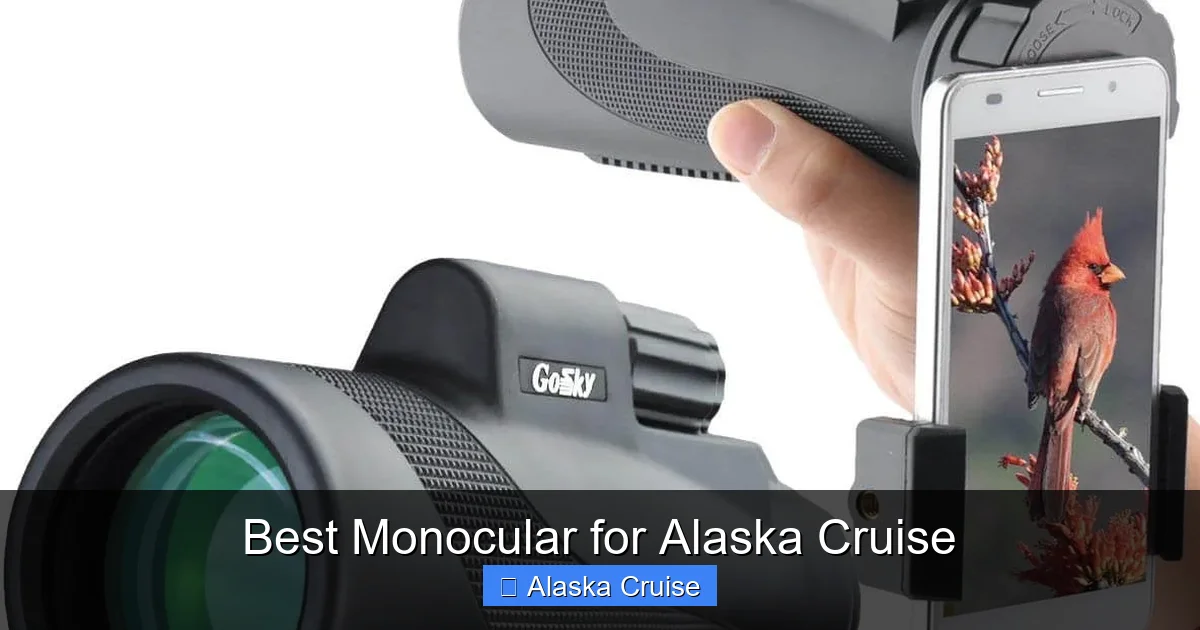
Some of the best monoculars offer optional accessories that enhance their functionality. A tripod adapter lets you mount your monocular for ultra-steady viewing—perfect for long observation sessions or photography. Phone adapters allow you to attach your smartphone and capture high-quality zoomed images or videos, which you can instantly share with friends or post online.
For example, if you spot a pod of orcas swimming alongside the ship, you can quickly attach your phone, record a short video, and send it to your family back home. These small add-ons turn your monocular into a versatile tool for both viewing and documenting your adventure.
Top Monocular Recommendations for Alaska Cruises
Now that you know what to look for, let’s explore some of the best monoculars on the market that are perfectly suited for an Alaska cruise. These models combine performance, durability, and portability to deliver an exceptional viewing experience.
Vortex Optics Solo 10×36 Monocular
The Vortex Solo 10×36 is a favorite among outdoor enthusiasts for good reason. With 10x magnification and a 36mm objective lens, it offers excellent brightness and detail, even in low light. The fully multi-coated lenses deliver sharp, color-accurate images, and the close focus of just 6.5 feet makes it ideal for nearby wildlife.
It’s waterproof, fog-proof, and built with a rugged rubber armor that provides a secure grip. Weighing only 9.7 ounces, it’s light enough to carry all day. Plus, Vortex offers a lifetime warranty—so if anything goes wrong, they’ll repair or replace it for free. This peace of mind is priceless on a remote cruise.
Leica Monovid 8×20 Monocular
If you’re looking for premium optics in a tiny package, the Leica Monovid is hard to beat. At just 4.4 ounces, it’s one of the lightest monoculars available, yet it delivers Leica’s legendary image quality. The 8x magnification and 20mm lens are perfect for quick spotting and general viewing.
It’s waterproof up to 16 feet and features a built-in retractable eyepiece cover for lens protection. The Monovid also includes a unique “close focus” feature that lets you switch to a macro mode for viewing objects as close as 2 feet—great for examining seashells or bird feathers on the shore. It’s compact enough to fit in a shirt pocket, making it ideal for travelers who value minimalism.
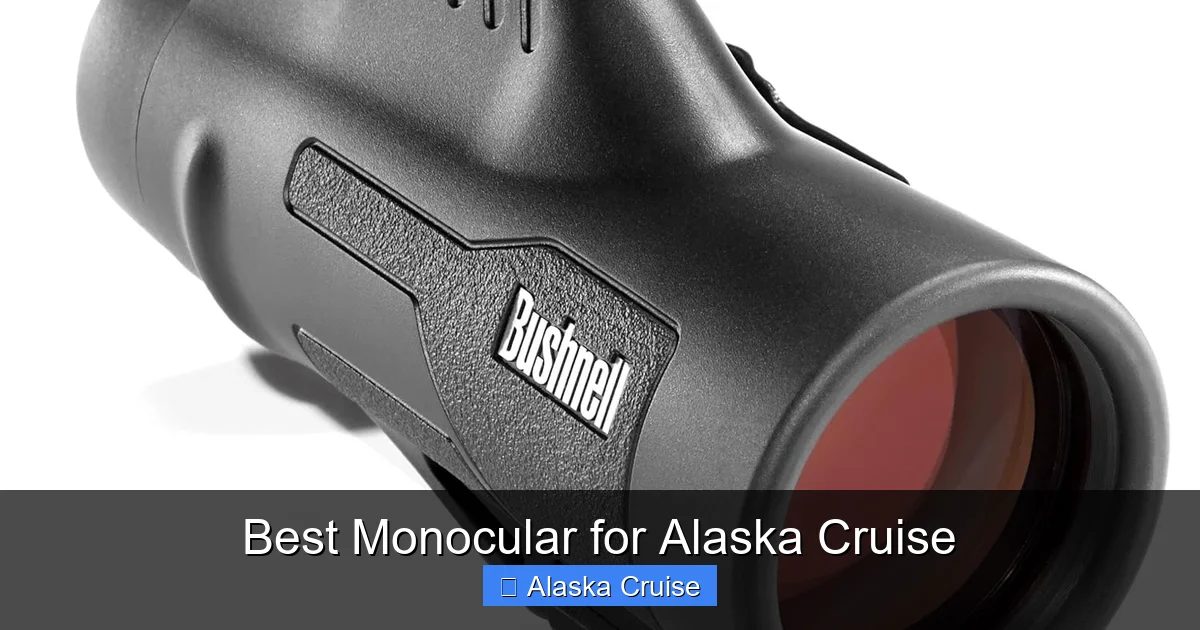
Bushnell Legend Ultra HD 10×42 Monocular
For those who want maximum brightness and clarity, the Bushnell Legend Ultra HD is a top contender. With a 42mm objective lens and ED (extra-low dispersion) glass, it delivers stunning color fidelity and reduced chromatic aberration—meaning no purple fringing around bright objects.
It’s fully waterproof, fog-proof, and features a non-slip grip for secure handling. The 10x magnification is powerful yet manageable, and the close focus of 8 feet allows for detailed near viewing. At 13.4 ounces, it’s a bit heavier than some models, but the image quality justifies the weight for serious wildlife watchers.
Nikon Prostaff 7S 8×42 Monocular
Nikon is known for its optical excellence, and the Prostaff 7S lives up to the reputation. This monocular offers 8x magnification with a 42mm lens, striking a great balance between zoom and field of view. The multi-coated lenses ensure bright, clear images, even in overcast conditions common in Alaska.
It’s waterproof, fog-proof, and built with a durable rubber armor. The focus wheel is smooth and precise, allowing for quick adjustments. At 12.3 ounces, it’s lightweight enough for all-day use. Nikon also includes a limited lifetime warranty, adding extra value.
Opticron Explorer WP 10×42 Monocular
The Opticron Explorer WP is a rugged, no-nonsense monocular designed for serious outdoor use. It features 10x magnification, a 42mm lens, and fully multi-coated optics for excellent light transmission. The close focus of 7.5 feet makes it versatile for both distant and nearby viewing.
It’s fully waterproof and fog-proof, with a textured grip for secure handling. The build quality is exceptional, with a magnesium chassis that’s both strong and lightweight. At 14.1 ounces, it’s on the heavier side, but the durability and optical performance make it a favorite among expedition travelers.
How to Use Your Monocular Like a Pro on an Alaska Cruise
Owning a great monocular is one thing—using it effectively is another. Here are some practical tips to help you get the most out of your optics during your Alaska adventure.
Stabilize Your View
Even the steadiest hands can’t eliminate all shake, especially on a moving ship. To reduce blur, brace your elbow against your body or lean against the ship’s railing. If you’re using a high-magnification model (10x or above), consider bringing a small travel tripod or using a monopod for extra stability.
Some cruisers use a scarf or jacket as a makeshift support—drape it over the railing and rest your monocular on top. It’s a simple trick, but it can make a big difference in image clarity.
Scan Slowly and Systematically
When looking for wildlife, avoid rapid, jerky movements. Instead, scan the horizon slowly, left to right or top to bottom. This methodical approach helps your eyes detect movement more easily. Start with a wide view, then zoom in once you spot something of interest.
For example, when approaching a glacier, first scan the entire face for cracks, crevasses, or calving activity. Then, use your monocular to zoom in on specific areas where birds or seals might be resting.
Use the Golden Hours
Wildlife is most active during dawn and dusk—the “golden hours” of photography and observation. These times also offer softer, warmer light that enhances colors and reduces glare. Try to be on deck early in the morning or late in the evening for the best viewing opportunities.
Mornings are especially magical in Alaska. The air is crisp, the water is calm, and animals like bears and eagles are out foraging. A monocular lets you observe them from a safe distance without disturbing their natural behavior.
Keep Your Lens Clean
Salt spray, rain, and fingerprints can quickly degrade image quality. Always carry a microfiber cloth and lens cleaning solution. Wipe the lens gently in a circular motion, and avoid using clothing, which can scratch the surface.
Consider using a lens cap or cover when not in use. Some monoculars come with a built-in cover, but if yours doesn’t, a small neoprene sleeve can provide extra protection.
Practice Before You Go
Don’t wait until you’re on the cruise to figure out how your monocular works. Practice focusing, adjusting the diopter (if applicable), and scanning at home or in a local park. The more familiar you are with your gear, the quicker you’ll be able to use it in the field.
Try using it to watch birds in your backyard or distant landmarks. This will help you build confidence and improve your observation skills before the big trip.
Common Mistakes to Avoid When Choosing a Monocular
Even with all this information, it’s easy to make mistakes when selecting a monocular. Here are some common pitfalls to watch out for.
Choosing Too Much Magnification
It’s tempting to go for the highest magnification available, but more isn’t always better. Magnifications above 12x are difficult to hold steady and often result in shaky, unusable images. Stick to 8x or 10x for the best balance of power and stability.
Ignoring Weather Resistance
Alaska’s weather is unpredictable. A monocular that isn’t waterproof or fog-proof will fail you when you need it most. Always check the IP rating and ensure it’s nitrogen or argon purged.
Overlooking Weight and Size
A heavy monocular might offer great optics, but if it’s uncomfortable to carry, you won’t use it. Choose a model that’s light and compact enough to take with you every day.
Skipping Lens Coatings
Cheaper monoculars often skimp on lens coatings, resulting in dim, washed-out images. Always look for multi-coated or fully multi-coated lenses for the best brightness and contrast.
Forgetting About Close Focus
Many travelers assume monoculars are only for long distances. But Alaska’s wildlife often comes close. A model with a close focus under 8 feet adds versatility and enhances your experience.
Conclusion: Make Every Moment Count on Your Alaska Cruise
An Alaska cruise is a journey of a lifetime, filled with awe-inspiring landscapes and unforgettable wildlife encounters. But to truly appreciate the grandeur of glaciers, the grace of whales, and the solitude of the wilderness, you need the right tools. A high-quality monocular is one of the most valuable—and often overlooked—pieces of gear you can bring.
It’s not just about seeing farther. It’s about seeing with clarity, comfort, and confidence. Whether you’re spotting a distant mountain goat, watching a glacier calve, or observing a family of sea otters, your monocular brings you closer to the magic of Alaska without disturbing its natural rhythm.
From compact, pocket-sized models like the Leica Monovid to rugged, high-performance options like the Vortex Solo, there’s a monocular out there for every traveler. Focus on the features that matter—waterproofing, magnification, lens quality, and ease of use—and you’ll find a companion that enhances every moment of your cruise.
So pack your bags, book your cabin, and don’t forget your monocular. With the right optics in hand, you’re ready to experience Alaska like never before.
Frequently Asked Questions
What magnification is best for an Alaska cruise monocular?
An 8x or 10x magnification is ideal for Alaska cruises. It provides enough zoom to see distant wildlife and glaciers clearly, while remaining stable and easy to use without a tripod.
Do I need a waterproof monocular for Alaska?
Yes, absolutely. Alaska’s weather is unpredictable, and sea spray is common on cruise decks. A waterproof and fog-proof monocular ensures reliable performance in wet or humid conditions.
Can I use a monocular with my smartphone?
Many modern monoculars are compatible with phone adapters, allowing you to attach your smartphone and capture zoomed photos or videos. Check compatibility before purchasing.
Is a monocular better than binoculars for a cruise?
A monocular is often better for cruises due to its compact size, lightweight design, and ease of use with one hand. It’s ideal for quick spotting and doesn’t require two-handed operation.
How do I keep my monocular steady on a moving ship?
Brace your elbow against your body, lean on the railing, or use a small tripod or monopod. A scarf or jacket can also serve as a makeshift stabilizer.
What’s the best time of day to use a monocular on an Alaska cruise?
Early morning and late evening—known as the golden hours—are best. Wildlife is more active, and the soft, warm light enhances visibility and image quality.