Choosing the best luggage for an Alaskan cruise means balancing durability, weather resistance, and smart packing. With unpredictable weather and varied activities, the right suitcase or duffel can make or break your trip. This guide helps you pick gear that’s tough, functional, and cruise-friendly.
Key Takeaways
- Weatherproof is a must: Alaska’s rain, snow, and humidity demand luggage with water-resistant or waterproof materials to protect your belongings.
- Size matters for cruise logistics: Opt for carry-ons or medium-sized checked bags (under 50 lbs) to meet cruise line limits and fit in cabin storage.
- Wheels and handles are crucial: Choose suitcases with 360-degree spinner wheels and telescoping handles for easy movement across docks, terminals, and uneven terrain.
- Durability over style: Hard-shell polycarbonate or ballistic nylon resists dents and tears better than soft, lightweight fabrics in rugged environments.
- Pack smart with compartments: Look for expandable designs, compression straps, and multiple pockets to organize layers, gear, and souvenirs.
- Consider a duffel or backpack combo: A rolling duffel or convertible backpack adds flexibility for shore excursions and limited cabin space.
- Test your luggage before you go: Do a trial pack to ensure everything fits and the bag handles well—don’t wait until departure day.
📑 Table of Contents
- Why the Right Luggage Makes All the Difference on an Alaskan Cruise
- Understanding Alaska’s Unique Packing Challenges
- Top Features to Look for in Alaskan Cruise Luggage
- Best Types of Luggage for an Alaskan Cruise
- Top Luggage Picks for Alaskan Cruises
- Packing Tips for Your Alaskan Cruise
- Final Thoughts: Choose Wisely, Travel Confidently
Why the Right Luggage Makes All the Difference on an Alaskan Cruise
An Alaskan cruise isn’t your typical beach getaway. You’re not just packing for sun and sand—you’re preparing for glacier hikes, rainforest walks, whale watching in choppy seas, and sudden downpours that can appear out of nowhere. The weather in Alaska is famously unpredictable, shifting from sunny skies to icy rain in a matter of minutes. That’s why the luggage you choose isn’t just about convenience—it’s about comfort, safety, and peace of mind.
Imagine arriving at your port in Juneau, only to find your suitcase soaked through because it wasn’t water-resistant. Or worse, your bag gets damaged during transit and you’re stuck with a broken zipper in the middle of a remote fjord. These aren’t just minor inconveniences—they can derail your entire trip. The best luggage for an Alaskan cruise is built to handle the elements, the logistics of cruise travel, and the unique demands of adventure tourism.
But it’s not just about surviving the weather. Cruise ships have strict size and weight limits, cabin storage is often limited, and you’ll be moving your bag multiple times—from the airport to the port, onto the ship, and back again. You might also take short flights to reach your departure city or use smaller boats for shore excursions. Your luggage needs to be versatile, easy to maneuver, and tough enough to keep up.
In this guide, we’ll walk you through everything you need to know to choose the best luggage for your Alaskan cruise. From materials and size to wheels and organization features, we’ll break down what works, what doesn’t, and why. Whether you’re a seasoned cruiser or a first-timer, this advice will help you pack smarter, travel lighter, and enjoy every moment of your Alaskan adventure.
Understanding Alaska’s Unique Packing Challenges
Visual guide about Best Luggage for Alaskan Cruise
Image source: theseamanmom.com
Weather: Rain, Wind, and Rapid Changes
Alaska’s climate is as dramatic as its landscapes. Coastal regions like Ketchikan and Sitka are among the rainiest places in the U.S., with annual rainfall exceeding 160 inches in some areas. Even in summer, temperatures can hover around 50–60°F (10–15°C), and sudden storms are common. You’ll need layers—lots of them—and your luggage must protect those layers from moisture.
Waterproof or highly water-resistant luggage is non-negotiable. Look for sealed seams, coated zippers, and materials like TPU-laminated nylon or polycarbonate shells. A simple rain cover can help, but it’s better to start with a bag that’s inherently weatherproof.
Activities Demand Versatility
An Alaskan cruise isn’t just about sitting on the deck with a drink in hand. You’ll likely be zodiacing to glaciers, hiking through temperate rainforests, visiting native villages, and maybe even dog sledding on a glacier. Each activity requires different gear—hiking boots, rain jackets, warm fleeces, binoculars, cameras, and more.
This means your luggage needs to accommodate a wide range of items, from bulky outerwear to delicate electronics. Compartmentalization is key. Look for bags with separate shoe compartments, padded laptop sleeves, and compression straps to keep everything secure.
Cruise Logistics: Size, Weight, and Storage
Cruise lines like Holland America, Princess, and Royal Caribbean have specific baggage policies. Most allow one or two checked bags per person (typically up to 50 lbs each) and one carry-on. Oversized or overweight bags may incur fees or be delayed.
Cabin storage is another concern. Staterooms on ships are compact, with limited closet space and under-bed storage. A large, rigid suitcase might not fit easily. That’s why many travelers prefer medium-sized checked bags (24–26 inches) or rolling duffels that can be stowed under the bed.
Transportation and Mobility
You’ll be moving your luggage across airports, shuttle buses, cruise terminals, and possibly small tender boats. Uneven docks, steep ramps, and crowded walkways are common. A suitcase with smooth-rolling wheels and a sturdy handle is essential. Spinner wheels (four wheels that rotate 360 degrees) offer the best maneuverability in tight spaces.
Also consider how you’ll carry your bag when wheels aren’t practical—like on a hiking trail or up a flight of stairs. Some travelers opt for a hybrid approach: a rolling checked bag for the cruise and a lightweight backpack for excursions.
Top Features to Look for in Alaskan Cruise Luggage
1. Weather Resistance and Durability
The best luggage for an Alaskan cruise can withstand rain, snow, and rough handling. Hard-shell suitcases made from polycarbonate (like those from Samsonite or Travelpro) offer excellent impact resistance and often come with water-resistant coatings. Soft-shell bags made from ballistic nylon (like those from Patagonia or The North Face) are lightweight and flexible, with many models featuring water-repellent finishes.
Look for features like:
– TSA-approved locks with water-resistant seals
– Reinforced corners to protect against drops
– Zippers with storm flaps or waterproof coatings
– Sealed seams to prevent water seepage
Even if your bag isn’t fully waterproof, a high-quality rain cover (often included or sold separately) can add an extra layer of protection.
2. Size and Weight Considerations
Most cruise lines allow two checked bags per passenger, each under 50 lbs. A 24- or 26-inch suitcase is ideal—large enough to hold several weeks’ worth of clothing and gear, but small enough to fit in cabin storage.
Carry-ons should be under 22 x 14 x 9 inches to meet airline and cruise standards. A 20- or 21-inch carry-on is perfect for essentials like medications, electronics, and a change of clothes in case your checked bag is delayed.
Avoid oversized bags (28+ inches) unless you’re traveling for an extended period. They’re harder to maneuver, more likely to be overweight, and may not fit under the bed.
3. Wheels and Handles: Mobility Matters
Spinner wheels are the gold standard for cruise travel. They allow you to glide your bag sideways, turn corners easily, and navigate crowded terminals without straining your arms. Look for wheels made from durable polyurethane that can handle rough surfaces.
The telescoping handle should extend smoothly and lock securely at multiple heights. Test it before you buy—some handles wobble or jam, which can be frustrating when you’re rushing to board.
For added flexibility, consider a bag with both wheels and backpack straps. Some rolling duffels (like the Osprey Sojourn or Patagonia Black Hole Wheeled Duffel) convert into backpacks, making them perfect for shore excursions.
4. Organization and Compartmentalization
A well-organized bag saves time and reduces stress. Look for:
– Multiple interior pockets for small items
– Compression straps to secure clothing and prevent shifting
– A separate wet/dry compartment for damp gear
– Expandable zippers for extra space on the return trip (when you’ve bought souvenirs)
Some high-end models include built-in laundry bags, shoe compartments, and even USB charging ports. While not essential, these features can enhance your travel experience.
5. Security and TSA Compliance
TSA-approved locks are a must if you’re flying to your cruise departure city. These locks allow TSA agents to inspect your bag without cutting the lock. Many modern suitcases come with built-in TSA locks, which are convenient and secure.
Avoid bags with external zippers that can be easily cut or picked. Hard-shell suitcases with recessed zippers offer better protection than exposed ones.
Best Types of Luggage for an Alaskan Cruise
Hard-Shell Suitcases: Protection and Style
Hard-shell luggage is a top choice for Alaskan cruises due to its durability and weather resistance. Polycarbonate shells are lightweight yet strong, resisting dents and scratches. Brands like Samsonite, Delsey, and Travelpro offer models with scratch-resistant finishes and multi-directional spinner wheels.
Pros:
– Excellent protection against impacts and moisture
– Sleek, modern designs
– Often come with built-in TSA locks
Cons:
– Less flexible—can’t squeeze into tight spaces
– Heavier than soft-shell options when empty
Best for travelers who prioritize protection and don’t mind a slightly heavier bag.
Soft-Shell Suitcases: Lightweight and Flexible
Soft-shell bags made from ballistic nylon or polyester are lighter and more flexible than hard-shell options. They can compress slightly to fit under beds or in overhead bins and often have more external pockets for quick access.
Brands like Eagle Creek, Patagonia, and The North Face make rugged, travel-ready soft-shell suitcases with water-resistant coatings.
Pros:
– Lightweight and easy to carry
– More pockets and external storage
– Can compress to fit tight spaces
Cons:
– Less protection against crushing or sharp objects
– May absorb water if not properly treated
Best for travelers who want versatility and don’t carry fragile items.
Rolling Duffels: The Best of Both Worlds
Rolling duffels combine the spaciousness of a duffel bag with the convenience of wheels. They’re ideal for Alaskan cruises because they’re roomy, durable, and easy to stow.
Look for models with:
– Reinforced bottoms for dragging over rough surfaces
– Multiple carry options (wheels, backpack straps, handles)
– Water-resistant materials
The Osprey Sojourn 60 and Patagonia Black Hole Wheeled Duffel 70L are excellent choices. They’re rugged, weather-resistant, and designed for adventure travel.
Pros:
– Huge capacity
– Easy to pack and unpack
– Great for uneven terrain
Cons:
– Can be heavy when full
– Less structured—may tip over if overloaded
Best for travelers who pack heavy or plan multiple excursions.
Carry-On Luggage: Essentials Only
Your carry-on should hold everything you need for the first 24–48 hours: medications, travel documents, electronics, a change of clothes, and any valuables. A 20- or 21-inch spinner with a padded laptop sleeve and multiple compartments is ideal.
Brands like Away, Briggs & Riley, and Travelpro offer high-quality carry-ons with durable shells, smooth wheels, and smart organization.
Tip: Pack a lightweight, packable daypack in your carry-on. You’ll use it for shore excursions, and it can double as a personal item on the plane.
Top Luggage Picks for Alaskan Cruises
1. Samsonite Winfield 3 DLX Hardside Luggage
A top-rated hard-shell suitcase with a scratch-resistant polycarbonate shell, 360-degree spinner wheels, and a TSA-approved lock. Available in 24″ and 28″ sizes, it’s lightweight yet durable. The interior features cross straps and a zippered divider for easy organization.
Why it’s great for Alaska: Weather-resistant, easy to maneuver, and built to last. The 24″ model fits perfectly in cruise cabins.
2. Patagonia Black Hole Wheeled Duffel 70L
Made from 100% recycled, water-resistant ripstop polyester, this duffel is tough, eco-friendly, and adventure-ready. It has a telescoping handle, smooth-rolling wheels, and converts into a backpack.
Why it’s great for Alaska: Handles rain, mud, and rough terrain with ease. The 70L capacity is perfect for multi-week trips.
3. Travelpro Platinum Elite 21” Carry-On Spinner
Designed with input from flight attendants, this carry-on is lightweight, durable, and packed with smart features. It has a built-in USB port, compression straps, and a suiter compartment for wrinkle-free clothing.
Why it’s great for Alaska: Compact, reliable, and perfect for keeping essentials close.
4. Osprey Sojourn 60 Wheeled Convertible
A hybrid rolling duffel that converts into a backpack. Made from durable, water-resistant fabric, it’s ideal for travelers who want flexibility.
Why it’s great for Alaska: Use it as a rolling bag on the ship and a backpack on the trail. The 60L size is spacious without being unwieldy.
5. Delsey Helium Aero Hardside Luggage
A lightweight hard-shell suitcase with a unique dual-spinner wheel system for ultra-smooth rolling. The exterior is scratch-resistant, and the interior has a zippered mesh divider and tie-down straps.
Why it’s great for Alaska: Combines durability with ease of movement—perfect for busy ports and terminals.
Packing Tips for Your Alaskan Cruise
Layer Smart, Pack Light
Alaska’s weather demands layers, but that doesn’t mean overpacking. Stick to a color-coordinated wardrobe (blues, grays, blacks) so you can mix and match. Pack:
– 2–3 base layers (merino wool or synthetic)
– 2–3 mid-layers (fleece or lightweight down)
– 1–2 waterproof outer shells
– 3–4 pairs of pants (quick-dry hiking pants work well)
– 5–7 tops (moisture-wicking)
– 1–2 pairs of shoes (hiking boots + casual shoes)
Use packing cubes to organize by category (tops, bottoms, underwear) and compress your clothes to save space.
Protect Your Electronics
Moisture and cold can damage cameras, phones, and batteries. Store electronics in padded cases and keep them in your carry-on. Bring waterproof phone cases and extra batteries—cold weather drains power faster.
Don’t Forget the Essentials
Pack a small first-aid kit, sunscreen (yes, even in Alaska!), lip balm with SPF, hand sanitizer, and a reusable water bottle. A compact umbrella or packable rain jacket is also wise.
Leave Room for Souvenirs
Alaska is full of unique crafts, art, and local goods. Leave 10–15% of your bag empty for souvenirs. If your luggage is expandable, use that feature on the return trip.
Label Everything
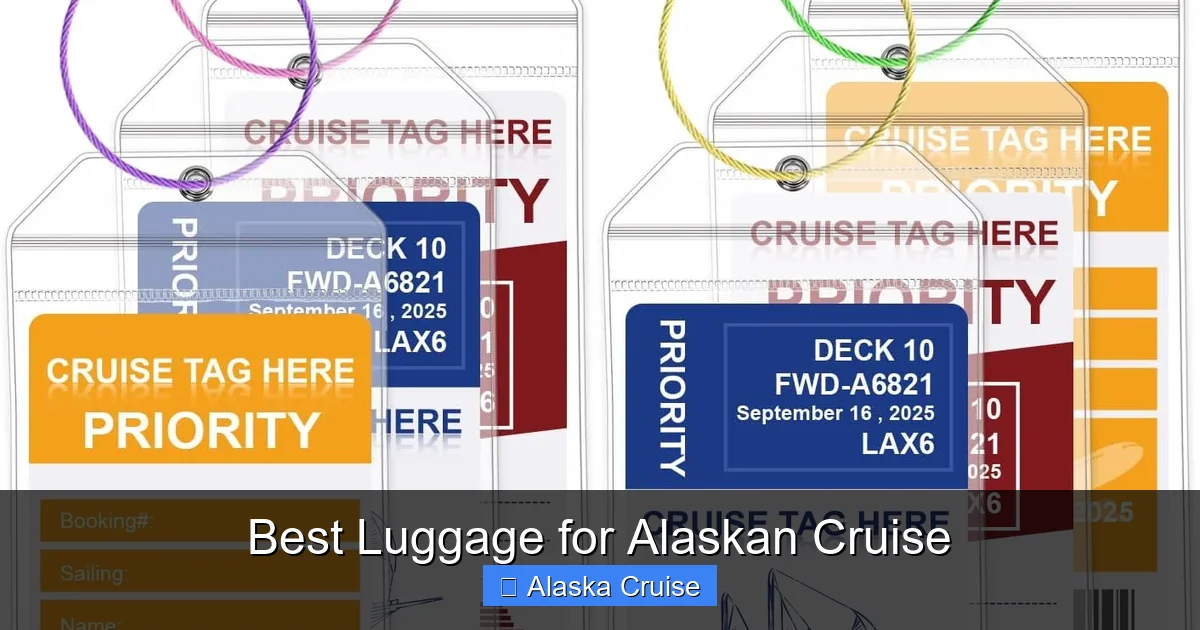
Use a durable luggage tag with your name, phone number, and email. Consider adding a second tag inside your bag in case the external one is lost.
Final Thoughts: Choose Wisely, Travel Confidently
An Alaskan cruise is a once-in-a-lifetime experience—don’t let poor luggage choices ruin it. The best luggage for an Alaskan cruise is more than just a container for your clothes; it’s a tool that supports your adventure. It needs to be tough enough to handle rain and rough handling, smart enough to keep your gear organized, and compact enough to fit in a cruise cabin.
Invest in quality. A well-made suitcase or duffel may cost more upfront, but it will last for years and perform better under pressure. Test your bag before you go, pack strategically, and don’t forget the small details—like a rain cover or packing cubes.
With the right luggage, you’ll spend less time worrying about your gear and more time marveling at glaciers, spotting wildlife, and soaking in the raw beauty of Alaska. So pack smart, travel light, and get ready for the adventure of a lifetime.
Frequently Asked Questions
What size luggage is best for an Alaskan cruise?
A 24- or 26-inch checked suitcase is ideal for most Alaskan cruises. It’s large enough to hold several weeks of clothing and gear, but small enough to fit under the bed and meet cruise line weight limits (usually under 50 lbs).
Do I need waterproof luggage for Alaska?
Yes. Alaska’s coastal regions are rainy and humid. Water-resistant or waterproof luggage protects your clothes and electronics from moisture. Look for sealed seams, coated zippers, and materials like polycarbonate or TPU-laminated nylon.
Can I bring a duffel bag on a cruise?
Absolutely. Rolling duffels are great for cruises because they’re spacious, durable, and easy to stow. Just make sure it has wheels and a handle for easy transport, and keep it under the weight limit.
Should I check my luggage or carry it on?
Most travelers check a medium-sized bag and carry on a smaller one with essentials. This way, you’re prepared if your checked bag is delayed, and you have easy access to medications, electronics, and a change of clothes.
What’s the best way to organize luggage for a cruise?
Use packing cubes to separate clothing by type (tops, bottoms, underwear). Pack heavy items at the bottom, use compression straps, and keep frequently used items in exterior pockets or your carry-on.
Can I bring hiking gear on a cruise?
Yes, but pack it wisely. Hiking boots, rain jackets, and backpacks take up space. Consider wearing your boots on travel days and using a compact daypack for excursions. Store gear in a separate compartment to keep your main luggage tidy.