Choosing the best lenses for an Alaskan cruise ensures you capture stunning glaciers, wildlife, and dramatic landscapes. From wide-angle to telephoto, the right glass makes all the difference in preserving your memories with clarity and detail.
Key Takeaways
- Wide-angle lenses (16-35mm) are ideal for capturing vast Alaskan landscapes, glaciers, and fjords in a single frame. They help emphasize scale and depth, especially when shooting from a moving ship or shore excursions.
- Telephoto lenses (70-200mm or 100-400mm) are essential for wildlife photography. Use them to safely photograph bears, whales, eagles, and mountain goats from a distance without disturbing the animals.
- Fast prime lenses (like 50mm f/1.8) excel in low-light conditions. Alaska’s long summer twilight and overcast skies demand lenses that perform well in dim lighting, especially during early morning or evening excursions.
- Weather-sealed lenses protect against rain, fog, and salt spray. Alaska’s coastal climate is unpredictable, so investing in durable, sealed optics ensures your gear stays functional throughout the trip.
- Image stabilization (IS/VR) reduces blur from boat movement and handheld shooting. This feature is crucial when photographing from a rocking ship or during bumpy zodiac tours.
- A versatile zoom lens (24-70mm f/2.8) offers flexibility for everyday shots. It’s great for portraits, group photos, and spontaneous moments without needing to switch lenses constantly.
- Consider weight and portability. You’ll be carrying your gear on hikes and excursions, so balance performance with convenience to avoid fatigue.
📑 Table of Contents
- Why the Right Lens Matters on an Alaskan Cruise
- Understanding Alaska’s Unique Photography Challenges
- Top Lens Types for Alaskan Cruise Photography
- Weather Resistance and Durability
- Image Stabilization: A Must-Have Feature
- Balancing Weight, Cost, and Performance
- Practical Tips for Shooting on an Alaskan Cruise
- Conclusion
Why the Right Lens Matters on an Alaskan Cruise
An Alaskan cruise is one of the most visually stunning travel experiences on Earth. From towering glaciers calving into icy waters to pods of humpback whales breaching near your ship, every moment feels like a scene from a nature documentary. But capturing these fleeting moments requires more than just a good camera—it demands the right lens.
Unlike other destinations, Alaska presents unique photographic challenges. The lighting changes rapidly, wildlife appears unexpectedly, and you’re often shooting from a moving vessel. Add in unpredictable weather, from sudden rain showers to thick fog, and you’ll quickly realize that not all lenses are created equal. Choosing the best lenses for an Alaskan cruise isn’t just about getting sharp photos—it’s about being prepared for every possible scenario nature throws your way.
Whether you’re a seasoned photographer or a casual traveler with a smartphone and a DSLR, investing in the right glass can transform your photo album from ordinary to extraordinary. The goal is to balance versatility, image quality, and durability so you can focus on enjoying the journey while still capturing jaw-dropping images.
Understanding Alaska’s Unique Photography Challenges
Unpredictable Weather and Lighting
Alaska’s coastal regions are known for their rapidly changing weather. One moment you’re basking in golden-hour sunlight, and the next, you’re shrouded in dense fog or caught in a sudden downpour. This unpredictability means your lenses must perform well in low light and resist moisture.
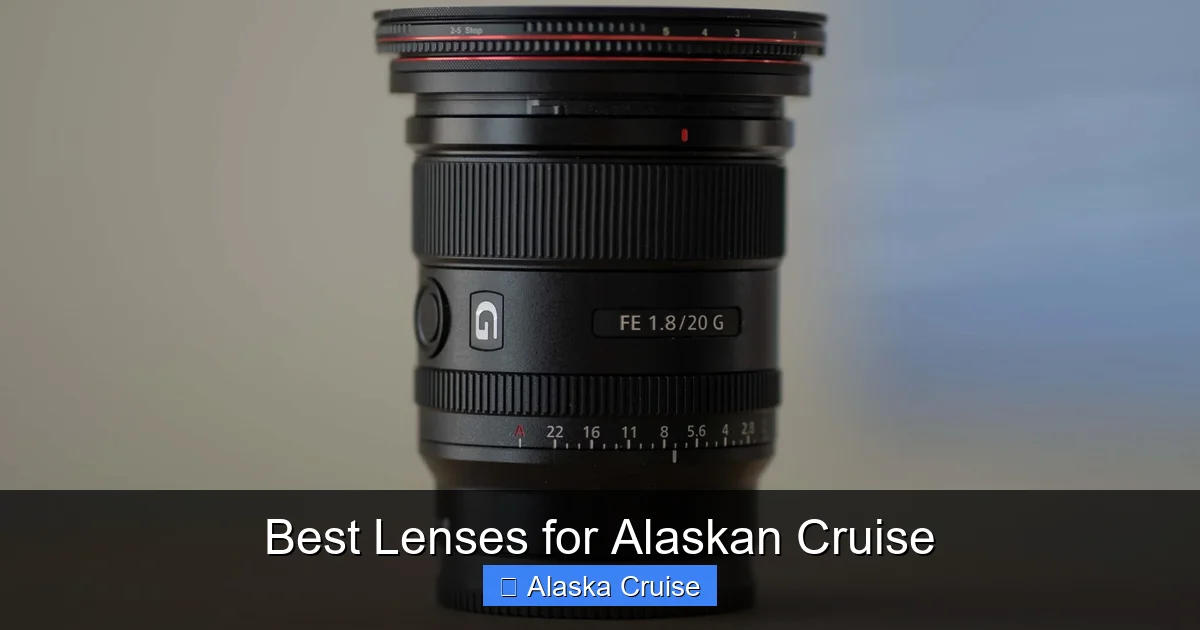
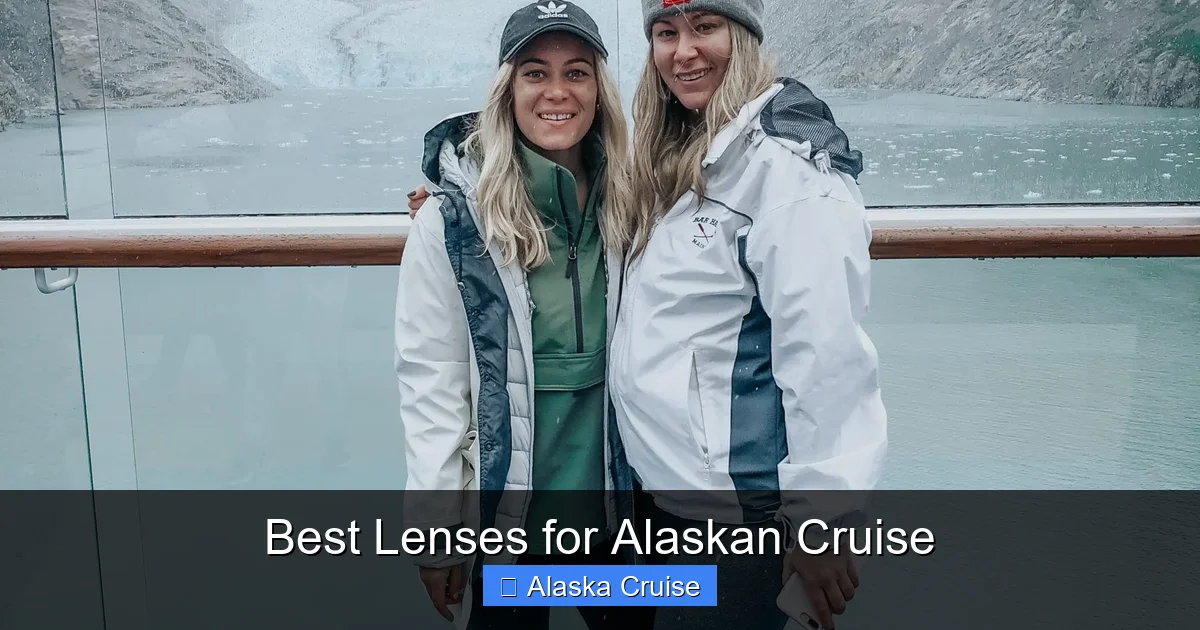
Visual guide about Best Lenses for Alaskan Cruise
Image source: nextinphotography.com
Overcast skies are common, especially in Southeast Alaska. While this soft, diffused light is great for portraits, it can make landscapes look flat without proper exposure. Lenses with wide apertures (like f/2.8 or lower) allow more light in, helping maintain fast shutter speeds and reduce noise in your images.
Shooting from a Moving Platform
Most of your photography will happen from the deck of a cruise ship or a smaller excursion boat. These vessels are rarely still—waves, wind, and engine vibrations can all cause camera shake. Without image stabilization, even the slightest movement can blur your photos, especially at longer focal lengths.
Lenses with built-in stabilization (like Nikon’s VR or Canon’s IS) are a game-changer. They compensate for hand movement and boat motion, allowing you to shoot at slower shutter speeds without sacrificing sharpness. This is especially helpful when photographing wildlife or landscapes from a distance.
Wildlife at a Distance
Alaska is home to some of the most incredible wildlife on the planet—bears fishing for salmon, orcas gliding through icy waters, and bald eagles perched on towering spruce trees. But getting close to these animals is both unsafe and often prohibited. That’s where telephoto lenses come in.
Wildlife photography demands reach. A 200mm lens might work for birds, but for bears or whales, you’ll want at least 300mm, preferably 400mm or more. Longer focal lengths allow you to fill the frame with distant subjects while maintaining a respectful and safe distance.
Top Lens Types for Alaskan Cruise Photography
1. Wide-Angle Lenses (16-35mm)
Wide-angle lenses are your best friend when it comes to capturing Alaska’s epic landscapes. Think of the towering peaks of the Inside Passage, the vast expanse of Glacier Bay, or the dramatic cliffs of Tracy Arm Fjord. These scenes are too big for standard lenses—you need something that can take it all in.
A 16-35mm f/2.8 lens is a popular choice among travel photographers. It offers a broad field of view, excellent sharpness, and a fast aperture for low-light conditions. The f/2.8 aperture also allows for beautiful background blur when you want to isolate a subject, like a lone kayaker in front of a glacier.
When using a wide-angle lens, get low to the ground or position yourself close to foreground elements—like rocks, driftwood, or wildflowers—to create depth and scale. This technique, known as “foreground interest,” makes your photos more dynamic and immersive.
2. Telephoto Lenses (70-200mm and 100-400mm)
If wildlife is on your must-photograph list, a telephoto lens is non-negotiable. The 70-200mm f/2.8 is a versatile workhorse. It’s great for portraits, group shots, and mid-range wildlife. Its fast aperture makes it ideal for early morning or evening excursions when light is scarce.
For serious wildlife shooters, the 100-400mm f/4.5-5.6 is a top pick. This lens gives you the reach needed to photograph bears from a safe distance or capture a whale’s tail fluke as it disappears beneath the waves. While it’s heavier and pricier, the image quality and flexibility are unmatched.
Tip: Use a monopod or rest your elbows on the ship’s railing to stabilize long lenses. Even with image stabilization, a little extra support goes a long way in preventing fatigue and blur.
3. Standard Zoom Lenses (24-70mm f/2.8)
The 24-70mm f/2.8 is the Swiss Army knife of camera lenses. It covers a wide range of focal lengths, from wide shots of your ship docked in Juneau to tight portraits of fellow travelers. Its constant f/2.8 aperture ensures consistent exposure and beautiful bokeh across the zoom range.
This lens is perfect for everyday use—whether you’re exploring a small coastal town, snapping candid moments at dinner, or photographing a totem park. It’s also lightweight enough to carry all day without weighing you down.
Many photographers pair the 24-70mm with a telephoto lens, using the standard zoom for general shooting and switching to the telephoto when wildlife appears. This two-lens setup covers nearly all scenarios without requiring constant lens changes.
4. Fast Prime Lenses (50mm f/1.8 or 85mm f/1.8)
Prime lenses—those with a fixed focal length—may seem limiting, but they offer incredible image quality and low-light performance. The 50mm f/1.8, often called the “nifty fifty,” is affordable, lightweight, and produces stunningly sharp images with creamy background blur.
Use it for intimate portraits, low-light interiors (like the ship’s lounge at sunset), or creative shots of Alaskan culture—think a close-up of a Tlingit carving or a steaming cup of coffee against a snowy backdrop. The wide aperture lets in more light, so you can shoot in dim conditions without raising your ISO too high.
The 85mm f/1.8 is another excellent choice for portraits. Its longer focal length compresses the background, making subjects stand out beautifully. It’s ideal for photographing people against scenic backdrops without distortion.
5. Super Telephoto Lenses (150-600mm)
For the ultimate wildlife experience, consider a super telephoto lens like the 150-600mm. These lenses are popular among birdwatchers and wildlife enthusiasts for their incredible reach. Imagine photographing a grizzly bear fishing in a river from half a mile away—this lens makes it possible.
While heavy and expensive, super telephotos are worth it if wildlife is your primary focus. Modern versions often include advanced stabilization and weather sealing, making them more practical for travel. Just be prepared to carry extra support, like a tripod or monopod, especially on long excursions.
Weather Resistance and Durability
Why Weather Sealing Matters
Alaska’s coastal environment is tough on gear. Salt spray from the ocean, sudden rain showers, and high humidity can damage unprotected lenses. Water droplets can fog up the front element, and salt crystals can scratch coatings over time.
Weather-sealed lenses are designed to resist moisture, dust, and extreme temperatures. Look for models with rubber gaskets around the mount and zoom/focus rings. Brands like Canon, Nikon, Sony, and Sigma offer high-quality sealed options across their lens lines.
Even with a sealed lens, it’s wise to carry a microfiber cloth, lens hood, and a protective filter. A UV or clear filter adds an extra layer of protection against scratches and salt buildup. Just make sure it’s high-quality—cheap filters can degrade image quality.
Protecting Your Gear on Shore Excursions
When you disembark for hikes, kayaking, or zodiac tours, your gear is exposed to even harsher conditions. Use a padded camera bag with a rain cover, and consider a dry bag for extra protection. Keep silica gel packs in your bag to absorb moisture.
Avoid changing lenses in wet or windy conditions. If you must switch, do it inside a sheltered area or inside your waterproof jacket. Always carry a backup body or smartphone as a secondary option in case your primary camera fails.
Image Stabilization: A Must-Have Feature
Image stabilization (IS) or vibration reduction (VR) is one of the most underrated features in a lens. It allows you to shoot at slower shutter speeds without camera blur—perfect for low-light conditions or when shooting from a moving boat.
For example, without stabilization, you might need a shutter speed of 1/500s to freeze motion with a 200mm lens. With IS, you can drop to 1/60s or even slower and still get sharp results. This is especially helpful during early morning whale-watching tours or evening glacier cruises when light is fading.
Most modern telephoto and standard zoom lenses include stabilization. When shopping, look for lenses labeled “IS,” “VR,” “OSS,” or “OS” depending on the brand. It’s a small feature that makes a big difference in real-world shooting.
Balancing Weight, Cost, and Performance
It’s tempting to bring every lens you own, but Alaska cruises involve a lot of walking, climbing, and carrying. Heavy gear can slow you down and drain your energy. The key is to find a balance between performance and portability.
For most travelers, a two-lens kit is ideal: a 24-70mm f/2.8 for general use and a 70-200mm f/2.8 or 100-400mm for wildlife. This setup covers 90% of shooting scenarios without overloading your bag.
If you’re on a budget, consider third-party lenses from brands like Tamron or Sigma. They often offer similar performance to name-brand lenses at a lower price. The Tamron 70-180mm f/2.8, for example, is lighter and more affordable than Canon or Nikon equivalents while still delivering excellent image quality.
Don’t forget about your camera body. A full-frame sensor performs better in low light and gives you more flexibility with lenses. But crop-sensor cameras (like APS-C) have a magnification advantage, effectively extending the reach of your telephoto lens. A 200mm lens on a crop sensor acts like a 300mm, which can be helpful for wildlife.
Practical Tips for Shooting on an Alaskan Cruise
Shoot in RAW Format
Always shoot in RAW, not JPEG. RAW files contain more data, giving you greater flexibility in post-processing. This is crucial in Alaska, where lighting can be tricky and you may need to recover shadows or adjust white balance later.
Use a Polarizing Filter
A circular polarizing filter reduces glare from water and enhances sky contrast. It’s especially useful when photographing glaciers, fjords, or wildlife near the water. Just be aware that it reduces light by about 1-2 stops, so you may need to adjust your exposure.
Anticipate Wildlife Behavior
Whales often surface in predictable patterns, and bears are most active at dawn and dusk. Research common behaviors and be ready with your telephoto lens. Patience pays off—wait quietly and let the animals come to you.
Respect Wildlife and Guidelines
Never approach animals too closely, especially bears and whales. Use your telephoto lens to maintain a safe distance. Follow park rules and listen to your guides—they know the best spots and times for photography.
Backup Your Photos Daily
With so many once-in-a-lifetime shots, losing your photos would be devastating. Bring a portable hard drive or use cloud storage to back up your images every night. Consider a dual-slot camera that writes to two memory cards simultaneously for extra security.
Conclusion
An Alaskan cruise is a photographer’s dream—packed with dramatic landscapes, incredible wildlife, and unforgettable moments. But to truly capture the magic, you need the right tools. The best lenses for an Alaskan cruise are those that combine versatility, durability, and optical excellence.
Start with a wide-angle lens for sweeping vistas, add a telephoto for wildlife, and include a fast standard zoom for everyday shooting. Prioritize weather sealing and image stabilization to handle Alaska’s tough conditions. And don’t forget the little things—filters, tripods, and backup storage can make or break your photo success.
Ultimately, the goal isn’t to carry every lens under the sun, but to choose wisely and shoot confidently. With the right gear in your bag, you’ll return home not just with memories, but with a gallery of images that do justice to one of the world’s last great wildernesses.
Frequently Asked Questions
What is the best all-around lens for an Alaskan cruise?
The 24-70mm f/2.8 is the best all-around lens for most travelers. It covers a versatile range of focal lengths, performs well in low light, and is great for landscapes, portraits, and everyday shots without needing constant lens changes.
Do I really need a telephoto lens for Alaska?
Yes, if you plan to photograph wildlife. Bears, whales, and eagles are often far away, and a telephoto lens (70-200mm or longer) lets you capture them safely and clearly without disturbing their natural behavior.
Can I use my smartphone instead of a camera?
Smartphones are great for casual shots, but they lack the zoom range, low-light performance, and image quality of a dedicated camera with interchangeable lenses. For serious photography, a DSLR or mirrorless camera is recommended.
How do I protect my lenses from rain and salt spray?
Use weather-sealed lenses, carry a rain cover for your bag, and attach a UV filter to protect the front element. Wipe down your gear after exposure to saltwater and store it in a dry, sealed container when not in use.
Is image stabilization necessary on a cruise ship?
Absolutely. Boat movement can cause camera shake, especially with telephoto lenses. Image stabilization helps reduce blur and allows for sharper photos, even when shooting from a rocking deck.
Should I bring a tripod on my Alaskan cruise?
A lightweight travel tripod can be useful for long exposures of glaciers or low-light scenes, but it’s not essential for most travelers. A monopod or using the ship’s railing for support is often sufficient and more convenient.