Alaska’s best land and sea cruises combine the thrill of ocean exploration with immersive onshore adventures. These hybrid trips offer glacier views, wildlife spotting, and cultural experiences—perfect for travelers seeking depth and variety.
Dreaming of icy fjords, towering glaciers, and wild bears roaming through emerald forests? Alaska isn’t just a destination—it’s a sensory overload in the best possible way. And if you want the full experience, nothing beats a land and sea Alaska cruise. These unique journeys let you glide through pristine waters by day and explore rugged backcountry by land, all in one seamless trip.
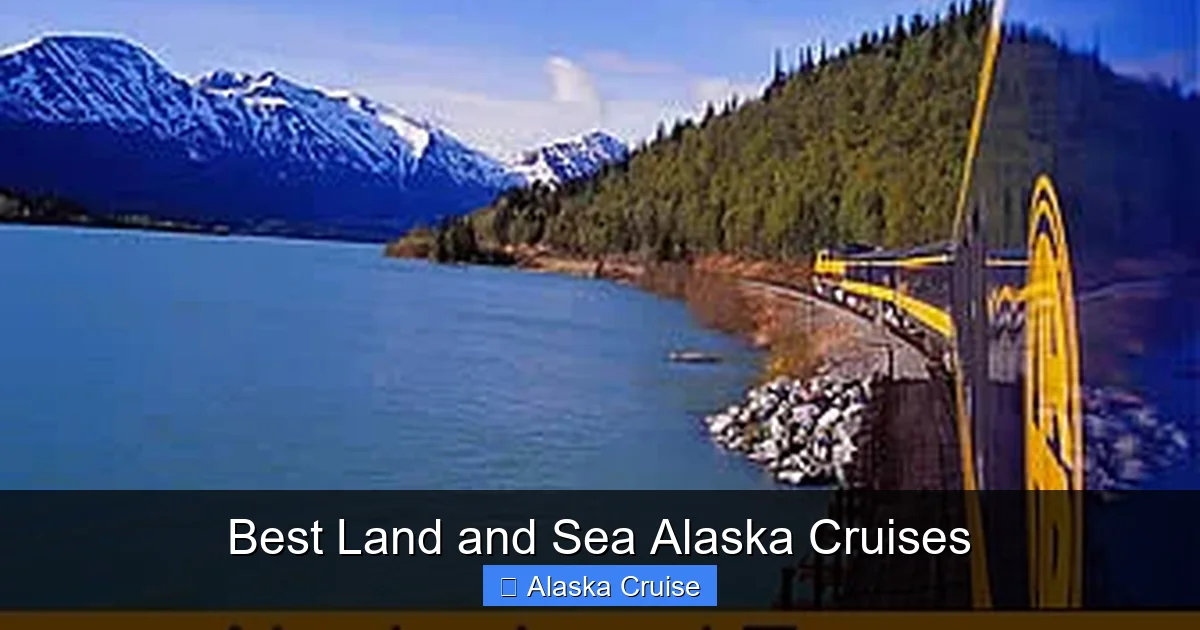
Unlike traditional cruises that begin and end at the dock, land and sea itineraries extend your adventure beyond the shoreline. Think of it as the best of both worlds: the luxury and convenience of a cruise ship paired with the raw beauty of Alaska’s interior. You’ll wake up to whales breaching off the starboard side, then step off the ship to hike through Denali’s tundra or ride the scenic Alaska Railroad through the Chugach Mountains. It’s immersive, flexible, and unforgettable.
Whether you’re a first-time visitor or a seasoned traveler, Alaska’s vast landscapes can feel overwhelming to plan. That’s where land and sea cruises shine—they do the heavy lifting. From arranging park permits to coordinating rail transfers, these trips are designed for ease and depth. You get expert guides, comfortable lodging, and curated excursions, all while avoiding the stress of booking multiple legs of travel. In short, it’s Alaska made simple—without sacrificing adventure.
Key Takeaways
- Land and sea cruises blend ship travel with overland tours: Enjoy the comfort of a cruise while exploring national parks, scenic railways, and remote wilderness.
- Glacier Bay and Hubbard Glacier are must-see stops: These iconic ice formations are best viewed from the water, often with ranger-led commentary.
- Wildlife viewing is exceptional: Expect to see bears, whales, eagles, and sea otters in their natural habitats.
- Denali National Park is a highlight on land: Many itineraries include a visit to this vast wilderness, often via the Alaska Railroad.
- Best time to go is May through September: Mild weather, longer days, and active wildlife make this the ideal window.
- Choose between small ships and large liners: Smaller vessels access remote fjords, while larger ships offer more amenities and entertainment.
- Book early for the best cabins and excursions: Popular routes and national park lodges fill up quickly, especially for summer departures.
📑 Table of Contents
Why Choose a Land and Sea Alaska Cruise?
Alaska is a land of extremes—towering peaks, sprawling glaciers, and wildlife that roams free. But getting around can be tough. Roads are limited, distances are vast, and weather can change in minutes. That’s why a land and sea cruise is such a smart choice. It removes the logistical headaches and lets you focus on the experience.
These hybrid trips are built for travelers who want more than just a scenic boat ride. You’ll spend several days at sea, cruising through narrow channels like Tracy Arm or Glacier Bay, then disembark for multi-day land tours. Imagine kayaking beside a calving glacier one morning, then flying over Denali National Park in a small bush plane the next. That’s the magic of a land and sea itinerary.
One of the biggest advantages is access. Many of Alaska’s most stunning natural wonders—like Kenai Fjords or the remote wilderness around Wrangell-St. Elias—are only reachable by boat or small aircraft. A land and sea cruise often includes these hard-to-reach spots, giving you a front-row seat to nature’s grandeur. Plus, you’ll travel with a group of like-minded adventurers, making it easy to share the awe (and the photos).
Another perk? Comfort. After a day of hiking or wildlife tours, you return to a cozy cabin, hot meals, and maybe even a hot tub under the northern lights. It’s rugged adventure without roughing it. And because these trips are all-inclusive or nearly so, you won’t be surprised by hidden costs. Most cover lodging, most meals, park fees, and guided excursions—making budgeting a breeze.
Perfect for First-Time Visitors
If it’s your first trip to Alaska, a land and sea cruise is the ideal way to get oriented. You’ll see the state’s highlights without getting lost in the details. Think of it as Alaska 101—curated, guided, and stress-free. You’ll learn about Tlingit culture in Juneau, spot humpback whales near Ketchikan, and stand in awe of Denali, North America’s tallest peak.
These trips often include expert naturalists and local guides who bring the landscape to life. They’ll explain how glaciers form, point out bear tracks on a trail, or share stories of gold rush history. It’s education wrapped in adventure.
Great for Families and Multi-Generational Travel
Land and sea cruises are also fantastic for families. Kids love the wildlife sightings and hands-on activities, while grandparents appreciate the comfort and accessibility. Many itineraries offer kid-friendly excursions like gold panning, ranger-led walks, or interactive museum visits. Plus, having everything planned means less stress for parents—more time to enjoy the views (and maybe a quiet cup of coffee).
Top Destinations on a Land and Sea Alaska Cruise
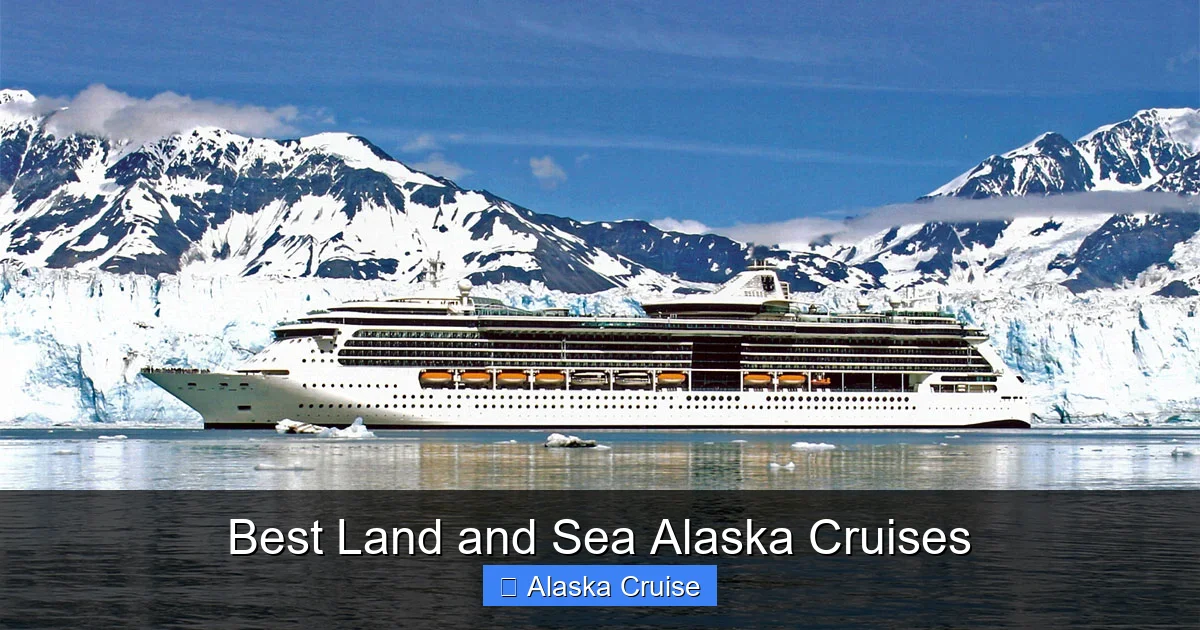
Visual guide about Best Land and Sea Alaska Cruises
Image source: cruisestoalaska.com
Alaska is huge—over 660,000 square miles of wilderness. But a well-planned land and sea cruise hits the sweet spots. Here are the destinations you’ll likely visit—and why they’re worth your time.
Glacier Bay National Park
This UNESCO World Heritage Site is a crown jewel of any Alaska cruise. Spanning over 3.3 million acres, Glacier Bay is home to massive tidewater glaciers, deep fjords, and abundant marine life. Most ships spend a full day here, often with a National Park Service ranger joining the crew to provide commentary.
As you glide through the bay, keep your camera ready. You might see glaciers calving—huge chunks of ice crashing into the water with a thunderous splash. It’s nature’s fireworks. Wildlife sightings are common too: humpback whales feeding near the surface, sea lions basking on rocky outcrops, and bald eagles soaring above.
Pro tip: Bring binoculars and dress in layers. Even in summer, it can be chilly on deck. And don’t forget your rain jacket—Glacier Bay is known for sudden weather shifts.
Hubbard Glacier
At over 7 miles wide and 700 feet tall, Hubbard Glacier is one of the largest tidewater glaciers in North America. It’s a dramatic sight, especially when it calves. Some years, the glacier even advances, closing off Russell Fjord and creating a temporary lake—a phenomenon known as a “glacier dam.”
Most ships approach Hubbard Glacier slowly, giving you time to take in the scale and beauty. The ice is a stunning blue, thanks to compressed snow that’s been frozen for centuries. You’ll likely hear the glacier before you see it—the deep groans and cracks as it shifts and breaks.
This is also a great spot for photography. The contrast between the white ice, dark water, and surrounding mountains makes for dramatic shots. Just be respectful—stay quiet and give the glacier space. It’s a living, breathing part of the ecosystem.
Denali National Park
No Alaska trip is complete without Denali. This 6-million-acre park is home to Denali (formerly Mount McKinley), which rises 20,310 feet above sea level. The park is a wildlife sanctuary, with grizzly bears, moose, caribou, Dall sheep, and wolves roaming freely.
Most land and sea cruises include a 2- to 3-day stay near Denali, often in a lodge just outside the park entrance. From there, you’ll take a guided bus tour into the park. These tours go deep into the wilderness, far beyond the visitor center. You’ll travel on the park’s single road, which winds through tundra, rivers, and mountain vistas.
Wildlife sightings are common, but not guaranteed—that’s part of the adventure. Bring a good zoom lens and patience. And don’t expect to see the summit of Denali every day. The mountain is often shrouded in clouds, earning it the nickname “The High One.” But when it peeks out? Pure magic.
Kenai Fjords National Park
Located near Seward, this park is a marine wonderland. Over 40 glaciers flow from the Harding Icefield into the fjords below. The best way to experience it? By boat. Most land and sea itineraries include a full-day cruise through the fjords, often with a naturalist on board.
You’ll pass by glaciers like Exit Glacier, which is accessible by foot and offers a rare chance to walk right up to a glacier. Further out, you might see orcas, sea otters, and puffins. The water is crystal clear, and the silence—broken only by bird calls and ice cracking—is profound.
If you’re lucky, you’ll witness a glacier calving event. It’s loud, powerful, and humbling. Just remember: keep a safe distance. These events can create large waves.
Inside Passage Towns: Juneau, Ketchikan, and Skagway
These coastal towns are cultural and historical hubs. Each offers a unique flavor of Alaska.
Juneau, the state capital, is accessible only by boat or plane. It’s surrounded by mountains and glaciers, with a charming downtown full of art galleries and local shops. Don’t miss the Mendenhall Glacier, just a short drive from town. You can walk the trails, take a guided tour, or even go ice climbing.
Ketchikan calls itself the “Salmon Capital of the World,” and it’s easy to see why. The town is built on stilts over the water, with boardwalks connecting historic buildings. Visit the Totem Heritage Center to see restored totem poles, or take a floatplane tour over Misty Fjords National Monument.
Skagway is a gold rush town frozen in time. Wooden sidewalks, false-front buildings, and the sound of steam whistles transport you back to 1898. The White Pass and Yukon Route Railway is a must—ride the narrow-gauge train up the mountain for breathtaking views.
Best Time to Take a Land and Sea Alaska Cruise
Timing is everything in Alaska. The cruise season runs from May to September, but each month offers a different experience.
May and Early June: Shoulder Season
These months are quieter and more affordable. The weather is cooler, but the landscapes are lush and green. Wildlife is active, and you’ll have more space on excursions. However, some lodges and tours may not be fully open yet.
Mid-June to August: Peak Season
This is the busiest time—and for good reason. The weather is mild, the days are long (up to 19 hours of daylight in June), and everything is open. It’s the best time for wildlife viewing, especially bears fishing for salmon in July and August.
But book early. Popular itineraries and Denali lodges fill up a year in advance.
September: Fall Colors and Fewer Crowds
As summer fades, the tundra turns golden and red. The crowds thin out, and the air is crisp. Wildlife is still active, and you might catch the northern lights if you’re lucky. Some ships offer special fall-themed cruises with photography workshops and cultural events.
Choosing the Right Cruise Line and Itinerary
Not all land and sea cruises are created equal. The right choice depends on your travel style, budget, and interests.
Small Ships vs. Large Liners
Small ships (under 200 passengers) offer intimacy and access. They can sail into narrow fjords and anchor closer to glaciers. Lines like UnCruise Adventures, Lindblad Expeditions, and Alaskan Dream Cruises specialize in these experiences. They often include kayaking, paddleboarding, and Zodiac tours.
Large liners (1,000+ passengers), like those from Holland America, Princess, and Celebrity, offer more amenities—multiple dining options, theaters, spas, and kids’ clubs. They follow similar routes but may spend less time in remote areas.
Land Tour Length
Most land and sea cruises include 2 to 5 days on land. Shorter tours might focus on Denali and a scenic rail ride. Longer ones could include Wrangell-St. Elias National Park, the Kenai Peninsula, or even a flightseeing tour over the Arctic.
Consider your energy level. Land days can be active—hiking, bus rides, and early starts. If you prefer a slower pace, look for itineraries with more downtime.
Included vs. Optional Excursions
Some cruises include all excursions in the price. Others offer a base package with optional add-ons (like dog sledding on a glacier or a helicopter tour). Read the fine print. Optional excursions can add $500–$1,500 per person.
Lodging Quality
Where you stay on land matters. Top-tier itineraries use lodges inside or near national parks—like Kantishna Roadhouse in Denali or Kenai Fjords Wilderness Lodge. These offer comfort, local charm, and easy access to nature.
Budget options might use chain hotels in towns like Anchorage or Fairbanks. They’re fine, but you’ll spend more time commuting.
Packing Tips and What to Bring
Alaska’s weather is unpredictable. Even in summer, temperatures can range from 40°F to 70°F. Rain is common, and wind can make it feel colder.
Layering is Key
Pack in layers: a moisture-wicking base layer, insulating mid-layer (like fleece), and a waterproof outer shell. Avoid cotton—it stays wet and cold.
Footwear Matters
Bring waterproof hiking boots with good grip. You’ll be walking on uneven terrain, boardwalks, and possibly wet docks. Comfortable walking shoes are a must.
Don’t Forget the Extras
– Binoculars for wildlife spotting
– Reusable water bottle
– Power bank for your phone
– Sunglasses and sunscreen (yes, even in Alaska)
– Camera with extra batteries (cold drains them fast)
– Lightweight daypack for excursions
What Not to Bring
Avoid bringing drones—most national parks ban them. Also, don’t pack bear spray unless you know how to use it. Most guided tours provide safety briefings and don’t allow personal spray.
Final Thoughts: Is a Land and Sea Cruise Right for You?
A land and sea Alaska cruise is more than a vacation—it’s a journey into one of the last great wildernesses on Earth. It’s for travelers who want depth, not just scenery. Who want to learn, explore, and connect with nature on a deeper level.
If you value convenience, comfort, and expert guidance, this is the way to go. You’ll see more, learn more, and stress less. And at the end of each day, you’ll have stories worth telling—and photos worth framing.
So, is it worth it? Absolutely. Alaska is too vast, too wild, and too beautiful to experience halfway. A land and sea cruise lets you see it all—without missing a thing.
Frequently Asked Questions
What is a land and sea Alaska cruise?
A land and sea Alaska cruise combines a traditional cruise with multi-day overland tours. You’ll sail through scenic waterways like Glacier Bay, then disembark to explore national parks, ride scenic railways, and stay in wilderness lodges.
How long do land and sea cruises typically last?
Most land and sea Alaska cruises last between 10 and 14 days. This includes 5 to 7 days at sea and 3 to 7 days on land, depending on the itinerary and cruise line.
Are land and sea cruises expensive?
Prices vary, but expect to pay $3,000 to $8,000 per person, depending on the cruise line, cabin type, and included excursions. Luxury and small-ship options tend to be on the higher end.
Can I customize my land and sea cruise?
Some cruise lines offer customizable itineraries, especially with add-on excursions or pre/post-cruise extensions. However, the core land and sea route is usually fixed. Work with a travel agent for the best options.
What wildlife can I expect to see?
Common sightings include humpback and orca whales, sea otters, sea lions, bald eagles, black and grizzly bears, moose, and Dall sheep. Wildlife varies by location and season.
Do I need travel insurance for an Alaska cruise?
Yes, highly recommended. Alaska’s remote locations and unpredictable weather can lead to delays or cancellations. Look for a policy that covers trip interruption, medical evacuation, and adventure activities.