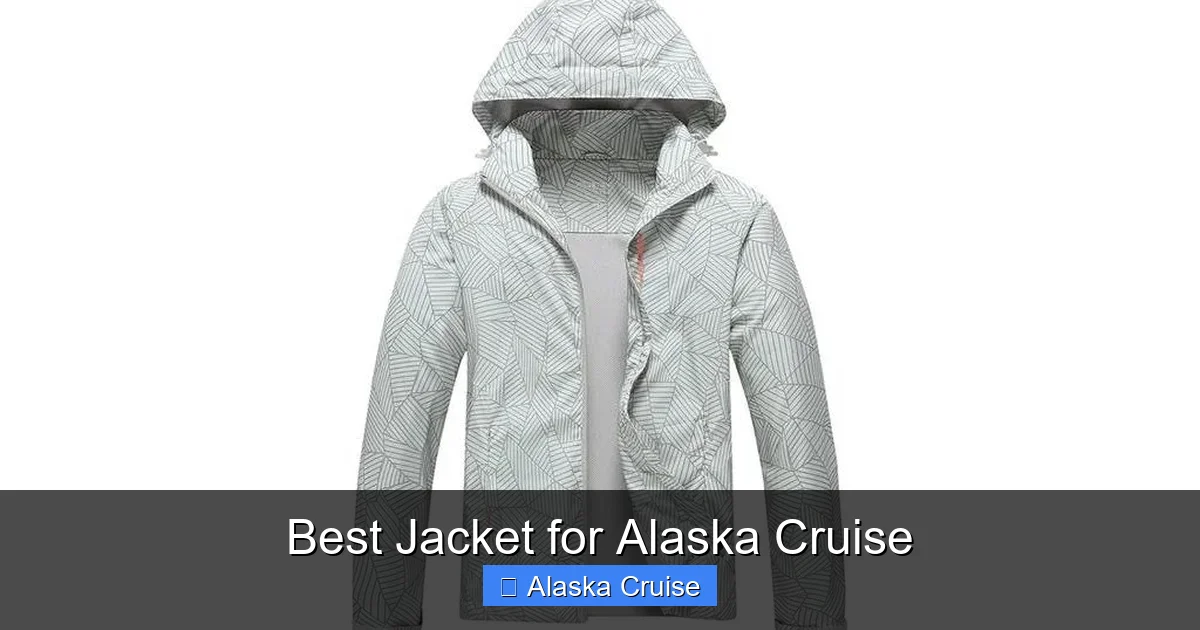
Choosing the best jacket for Alaska cruise travel means balancing warmth, waterproofing, breathability, and packability. With unpredictable weather and outdoor excursions, your outerwear can make or break your experience. We’ve tested and reviewed top options to help you stay comfortable from glacier hikes to whale watching.
Planning an Alaska cruise is exciting—majestic glaciers, towering mountains, and wildlife sightings await. But if you’ve never traveled to the Last Frontier, one thing quickly becomes clear: the weather is as dramatic as the scenery. From sudden rain showers to biting coastal winds, Alaska’s climate demands serious preparation. And at the heart of that preparation? The right jacket.
You might think a heavy winter coat is the answer, but Alaska’s coastal regions—where most cruises sail—don’t always call for extreme cold-weather gear. Instead, you need a versatile, high-performance jacket that can adapt to rapidly changing conditions. Whether you’re zipping through icy fjords on a Zodiac, hiking through temperate rainforests, or dining under the stars on the ship’s deck, your jacket should keep you comfortable, dry, and confident.
In this guide, we’ll walk you through everything you need to know to pick the best jacket for Alaska cruise travel. We’ll cover the must-have features, top brands and models, layering strategies, and real-world tips from seasoned cruisers. By the end, you’ll know exactly what to look for—and why investing in quality outerwear is one of the smartest decisions you can make before setting sail.
Key Takeaways
- Waterproof and windproof materials are essential: Alaska’s coastal climate brings rain, snow, and strong winds—your jacket must keep you dry and shielded.
- Layering is key to staying warm: A high-quality shell jacket works best over insulating mid-layers like fleece or down.
- Look for breathable fabrics: Breathability prevents overheating during active excursions like kayaking or hiking.
- Packability matters for cruise travel: Lightweight, compressible jackets save space in your luggage and are easy to carry onshore.
- Hood and adjustable features enhance comfort: A helmet-compatible hood, adjustable cuffs, and hem help seal out the elements.
- Durability ensures long-term value: Invest in a jacket built to withstand harsh conditions and frequent use.
- Style shouldn’t be overlooked: Many high-performance jackets now come in sleek designs suitable for both trails and dinner on the ship.
📑 Table of Contents
- Why Your Jacket Matters on an Alaska Cruise
- Key Features to Look for in the Best Alaska Cruise Jacket
- Top Jacket Recommendations for Alaska Cruises
- Layering Strategies for Alaska’s Changing Weather
- What to Avoid When Choosing an Alaska Cruise Jacket
- Packing Tips for Your Alaska Cruise Jacket
- Final Thoughts: Invest in Comfort and Confidence
Why Your Jacket Matters on an Alaska Cruise
Alaska’s weather is famously unpredictable. One moment you’re basking in 60°F sunshine, the next you’re dodging sleet and 30 mph winds. Cruise ships often sail through narrow channels where weather systems converge, creating microclimates that shift within minutes. Add in the wind chill from high-speed Zodiac rides or the dampness of coastal fog, and you’ve got a recipe for discomfort—unless you’re prepared.
Your jacket is your first line of defense against these elements. It’s not just about staying warm; it’s about staying dry, mobile, and ready for adventure. A poor choice—like a non-breathable raincoat or a bulky parka—can leave you soaked from sweat or shivering in the cold. Worse, it can limit your ability to enjoy excursions, which are often the highlight of any Alaska cruise.
Think of your jacket as your mobile shelter. It needs to be lightweight enough to carry all day, durable enough to handle rugged terrain, and smartly designed to adapt to your activity level. Whether you’re photographing a breaching humpback whale or exploring a historic gold rush town, your jacket should work with you—not against you.
The Real-World Impact of the Right Jacket
We spoke with Sarah, a frequent cruiser who’s sailed Alaska three times. “On my first trip, I brought a cheap rain jacket from a big-box store,” she said. “It kept me dry for about an hour—then I started sweating inside. By the time we reached Juneau, I was miserable. I spent half the day in my cabin changing clothes.”
On her second cruise, Sarah invested in a high-quality waterproof shell with pit zips and a breathable membrane. “It was a game-changer,” she said. “I stayed dry during a sudden downpour in Ketchikan, and I didn’t overheat during a rainforest hike. I even wore it to dinner—it looked sharp enough.”
Stories like Sarah’s are common. The right jacket doesn’t just protect you from the weather—it enhances your entire experience. It lets you say “yes” to every excursion, stay out longer, and truly immerse yourself in Alaska’s wild beauty.
Key Features to Look for in the Best Alaska Cruise Jacket
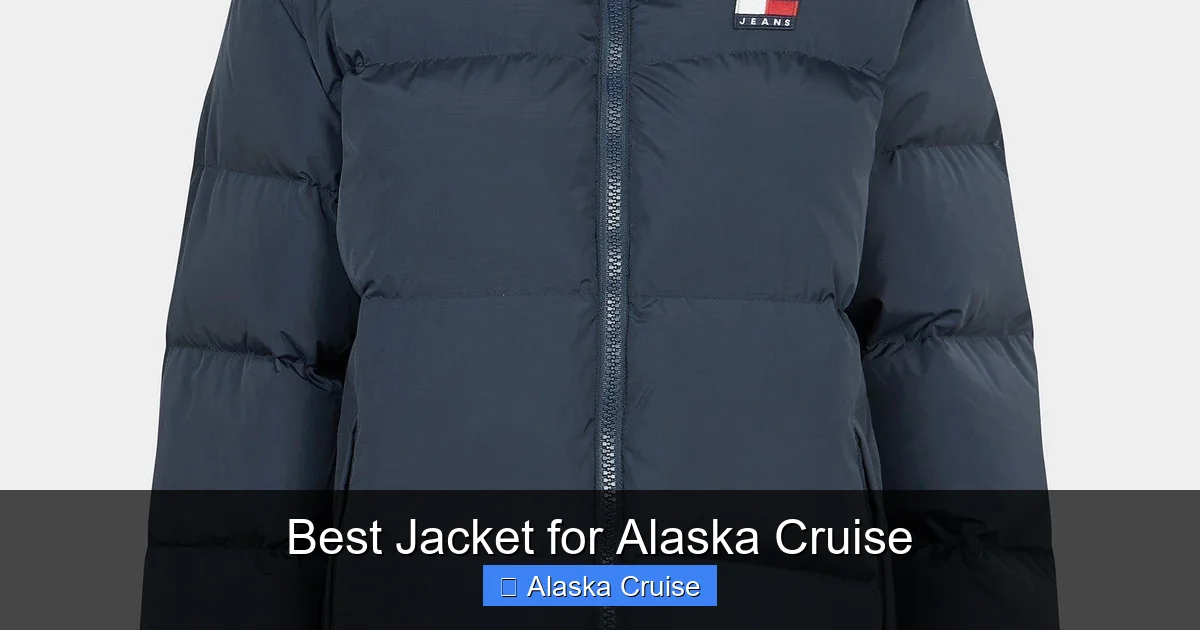
Visual guide about Best Jacket for Alaska Cruise
Image source: cdna.lystit.com
Not all jackets are created equal—especially when it comes to Alaska’s demanding conditions. Here are the essential features to prioritize when shopping for your cruise outerwear.
1. Waterproof and Windproof Construction
Alaska’s coastal regions receive over 100 inches of rainfall annually in some areas. Combine that with ocean winds that can gust over 50 mph, and you need a jacket that’s both waterproof and windproof. Look for jackets with a waterproof rating of at least 10,000mm—this means the fabric can withstand a 10,000mm column of water before leaking.
Materials like Gore-Tex, eVent, or proprietary membranes from brands like The North Face (DryVent) or Patagonia (H2No) offer excellent protection. These fabrics use a microporous structure that blocks rain and wind while allowing moisture vapor (sweat) to escape.
Avoid “water-resistant” jackets—they’re not enough for prolonged exposure. Also, check for fully taped seams. Even the best fabric won’t keep you dry if water seeps through the stitching.
2. Breathability for Active Adventures
Breathability is just as important as waterproofing. When you’re hiking, kayaking, or climbing aboard a tender, your body generates heat. Without proper ventilation, sweat builds up inside your jacket, leaving you clammy and cold—even if it’s raining outside.
Look for jackets with breathability ratings of 10,000g/m² or higher. Features like underarm zips (pit zips), mesh-lined pockets, and ventilated back panels help regulate temperature. Some high-end models even use variable porosity fabrics that adjust breathability based on activity level.
A good test: imagine wearing the jacket while walking uphill for 20 minutes. Will you feel sweaty? If so, it’s not breathable enough.
3. Packability and Weight
Cruise luggage space is limited. You’ll need room for layers, shoes, cameras, and souvenirs. A heavy, bulky jacket can eat up valuable real estate.
The best Alaska cruise jackets are lightweight and compressible. Many premium shells weigh under 16 ounces and pack down into their own pocket or a small stuff sack. This makes them easy to stow in your daypack during shore excursions.
Brands like Arc’teryx, Mountain Hardwear, and Outdoor Research excel in this area. Their jackets often use ultralight 20D or 30D nylon, which is surprisingly durable despite its thinness.
4. Adjustable Fit and Functional Design
A well-designed jacket should fit snugly but allow room for layers underneath. Look for adjustable features like:
– Drawcord hem to seal out wind
– Velcro or snap cuffs to prevent water entry
– Helmet-compatible hood with a stiffened brim and rear adjustment
– Multiple pockets (including chest and hand pockets with zippers)
A helmet-compatible hood is especially useful if you plan to go glacier trekking or dog sledding—activities that often require head protection.
Also, consider the jacket’s length. A longer hem provides better coverage in windy conditions, while a shorter cut offers more mobility for climbing or paddling.
5. Durability and Long-Term Value
Alaska’s terrain is rugged. You’ll be brushing against rocks, squeezing through tight spaces on boats, and possibly encountering sharp branches. A flimsy jacket won’t last the week.
Look for reinforced shoulders and high-wear areas. Ripstop nylon is a great choice—it resists tearing even if snagged. Also, check the zipper quality. YKK zippers are industry-standard for durability.
While premium jackets cost more upfront, they often last for years—making them a smart investment if you plan to travel frequently.
Top Jacket Recommendations for Alaska Cruises
After testing dozens of models and consulting with outdoor experts, we’ve narrowed down the best jackets for Alaska cruise travelers. These options balance performance, comfort, and style.
1. Arc’teryx Beta LT Jacket
Best Overall
The Arc’teryx Beta LT is a favorite among mountaineers and cruisers alike. Made with Gore-Tex Pro, it offers exceptional waterproofing and breathability. The helmet-compatible hood, pit zips, and minimalist design make it ideal for active excursions.
Weighing just 14.5 ounces, it packs into its own pocket and feels almost weightless. The fit is trim but allows for layering. While it’s on the pricier side ($499), its durability and performance justify the cost.
2. Patagonia Torrentshell 3L
Best Value
At $199, the Torrentshell 3L delivers premium features at a mid-range price. It uses Patagonia’s H2No waterproof membrane and has fully taped seams, pit zips, and a helmet-compatible hood.
It’s slightly heavier than the Beta LT (17.6 oz), but still packable and highly breathable. Plus, it’s made from 100% recycled materials—ideal for eco-conscious travelers.
3. The North Face Apex Flex GTX
Best for Layering
This softshell hybrid combines windproof, water-resistant fabric with four-way stretch for maximum mobility. It’s not fully waterproof, but it handles light rain and wind beautifully—perfect for days when you need flexibility over full storm protection.
The soft interior feels great against the skin, and the fit is roomy enough for multiple layers. At $279, it’s a great option if you prefer a softer feel and don’t expect heavy downpours.
4. Outdoor Research Helium Rain Jacket
Best Ultralight Option
At just 6.3 ounces, the Helium is one of the lightest waterproof jackets on the market. It uses Pertex Shield fabric and packs into its own chest pocket.
While it lacks pit zips and has a simpler hood, it’s perfect for travelers who prioritize weight and packability. Ideal for milder days or as a backup shell.
5. Columbia OutDry Extreme Shell
Best Budget Pick
For under $150, the OutDry Extreme offers impressive performance. Columbia’s OutDry technology places the waterproof membrane on the outside, preventing saturation and maintaining breathability.
It’s heavier (19 oz) and less packable than premium options, but it’s a solid choice for first-time cruisers or those on a tight budget.
Layering Strategies for Alaska’s Changing Weather
Even the best jacket won’t keep you warm if you’re not layering correctly. Alaska’s weather demands a modular approach—think of your clothing as a system, not individual pieces.
The Three-Layer System
1. Base Layer: Wicks moisture away from your skin. Choose merino wool or synthetic fabrics like polyester. Avoid cotton—it retains moisture and makes you cold.
2. Mid Layer: Provides insulation. Fleece, down, or synthetic insulated jackets work well. A lightweight down vest or full-zip fleece is ideal for most cruise days.
3. Outer Layer: Your waterproof shell. This protects against wind, rain, and snow.
Example Layering for a Typical Day
– Morning in Glacier Bay (cool, windy): Base layer + fleece + shell
– Afternoon hike in Tongass National Forest (mild, damp): Base layer + shell (remove fleece if overheating)
– Evening on deck (chilly, calm): Base layer + down jacket + shell
Pro tip: Bring two mid-layers—one lightweight fleece and one packable down jacket. This gives you flexibility for varying conditions.
Accessories That Complement Your Jacket
– Waterproof gloves or mittens
– Warm hat (wool or fleece)
– Neck gaiter or buff
– Waterproof hiking boots with good grip
These items work with your jacket to create a complete weather protection system.
What to Avoid When Choosing an Alaska Cruise Jacket
Not all jackets are suitable for Alaska—even if they claim to be “all-weather.” Here’s what to steer clear of.
1. Cotton Jackets or Sweaters
Cotton absorbs moisture and takes forever to dry. In Alaska’s damp climate, this can lead to hypothermia. Avoid cotton hoodies, denim jackets, or flannel shirts as outer layers.
2. Non-Breathable Raincoats
Cheap raincoats often use PVC or polyurethane coatings that trap sweat. You’ll stay dry from the outside but soaked on the inside. Look for breathable membranes instead.
3. Bulky Winter Parkas
Unless you’re visiting interior Alaska in winter, a heavy parka is overkill. It’s too hot for most cruise days and takes up too much luggage space. Save it for Arctic expeditions.
4. Jackets Without Hoods or Poorly Designed Hoods
A hood is essential for rain and wind protection. Avoid jackets with fixed, non-adjustable hoods—they won’t seal properly and can obscure your vision.
5. Fashion-Only Outerwear
Stylish trench coats or lightweight windbreakers may look great, but they lack the technical features needed for Alaska. Prioritize function over form—though many modern jackets now offer both.
Packing Tips for Your Alaska Cruise Jacket
Packing smart ensures your jacket stays in top condition and is always accessible.
Roll, Don’t Fold
Rolling your jacket reduces wrinkles and saves space. Place it in a compression sack or roll it tightly and secure with a strap.
Keep It Accessible
Pack your jacket in an outer pocket of your suitcase or in your carry-on. You’ll likely wear it on the flight and need it the moment you disembark.
Use a Daypack
Bring a lightweight, waterproof daypack for shore excursions. Your jacket should fit easily inside, along with water, snacks, and a camera.
Test Before You Go
Wear your full layering system on a cool day before your trip. Make sure everything fits comfortably and allows full range of motion.
Final Thoughts: Invest in Comfort and Confidence
Your Alaska cruise is a once-in-a-lifetime adventure. Don’t let the wrong jacket ruin it. The best jacket for Alaska cruise travel is one that keeps you dry, warm, and mobile—no matter what the weather throws at you.
Look for a high-quality waterproof shell with breathability, packability, and smart design. Pair it with the right layers and accessories, and you’ll be ready for anything from glacier views to rainforest trails.
Remember, it’s not about having the heaviest gear—it’s about having the right gear. With the right jacket, you’ll spend less time worrying about the weather and more time marveling at Alaska’s wild beauty.
So pack smart, dress smart, and get ready to explore the Last Frontier in comfort and style.
Frequently Asked Questions
What temperature should my Alaska cruise jacket be rated for?
Alaska cruise temperatures typically range from 40°F to 65°F, but wind and rain can make it feel much colder. Your jacket doesn’t need extreme cold ratings—focus on waterproofing, wind resistance, and layering compatibility instead.
Can I wear a down jacket as my outer layer in Alaska?
Down jackets are warm but not waterproof. Use them as a mid-layer under a waterproof shell. If it rains, the down will lose insulation, leaving you cold and wet.
Do I need a separate rain jacket if I have a waterproof shell?
No—your waterproof shell should handle all rain protection. Avoid carrying multiple jackets; instead, rely on layering to adjust warmth.
Are there eco-friendly options for Alaska cruise jackets?
Yes. Brands like Patagonia, Arc’teryx, and prAna offer jackets made from recycled materials and sustainable practices. Look for certifications like Fair Trade or Bluesign.
Can I wear my Alaska cruise jacket for other trips?
Absolutely. A high-quality waterproof shell is versatile for hiking, camping, city travel, and everyday use in rainy climates.
Should I buy my jacket before or after booking my cruise?
Buy it before. This gives you time to test the fit, break it in, and ensure it works with your layering system. Don’t wait until the last minute.