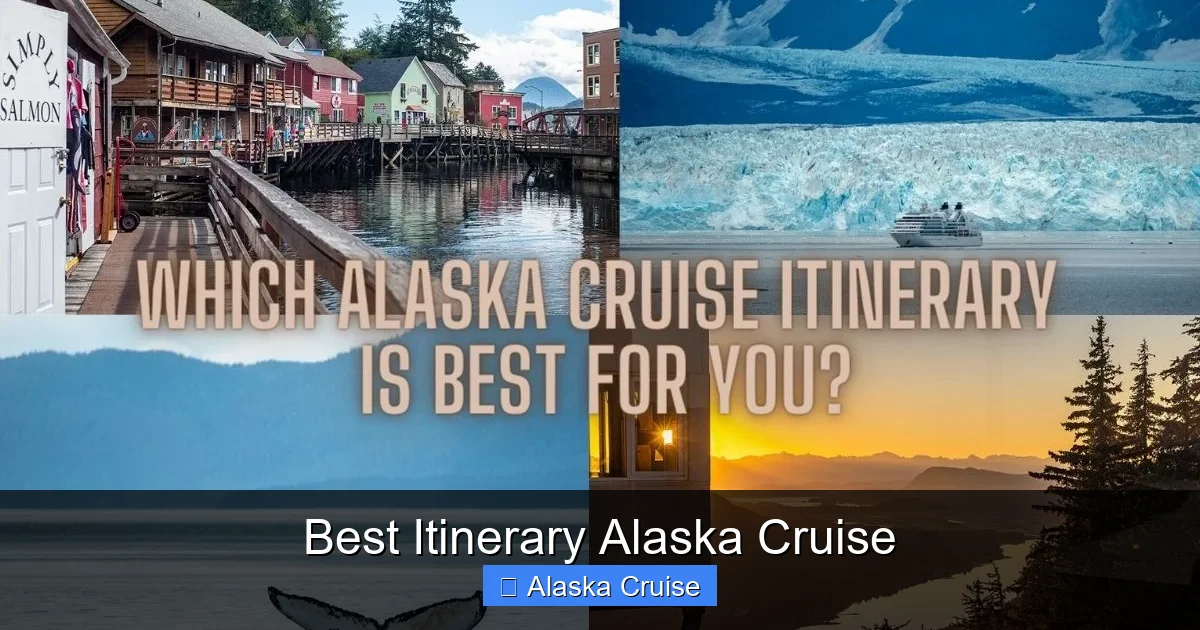
Planning the best itinerary Alaska cruise means balancing scenic beauty, wildlife sightings, and port experiences. Whether you’re chasing glaciers, native culture, or small-town charm, the right route makes all the difference. This guide breaks down top itineraries, must-see stops, and insider tips to help you choose the perfect Alaskan adventure.
Key Takeaways
- Glacier Bay National Park is a must-see: Most top itineraries include a full-day scenic cruise through this UNESCO World Heritage Site, offering close-up views of calving glaciers and marine wildlife.
- 7-night roundtrip cruises offer the best value: Departing from Seattle or Vancouver, these routes cover key ports like Juneau, Skagway, and Ketchikan without backtracking.
- Inside Passage routes highlight lush scenery: Cruises traveling through the Inside Passage offer calm waters, dense rainforests, and frequent whale sightings—ideal for first-time cruisers.
- Denali National Park extensions enhance the experience: Adding a land tour to Denali allows you to explore Alaska’s interior, spot grizzly bears, and ride the scenic Alaska Railroad.
- Best time to cruise is May through September: Summer months offer longer days, milder weather, and peak wildlife activity, though shoulder seasons provide fewer crowds and lower prices.
- Small ships access remote areas: Boutique cruise lines like UnCruise or Lindblad Expeditions reach lesser-known fjords and indigenous communities not accessible to larger vessels.
- Pack layers and rain gear: Alaska’s weather is unpredictable—even in summer—so waterproof jackets, warm layers, and sturdy footwear are essential.
Why an Alaska Cruise Should Be on Your Bucket List
Alaska isn’t just a destination—it’s a transformation. Imagine waking up to misty fjords, watching a glacier calve into the sea with a thunderous crack, or spotting a humpback whale breaching just off the ship’s bow. An Alaska cruise offers all this and more, blending natural wonder with cultural discovery in a way few other vacations can match.
Unlike land-based trips, a cruise lets you see vast stretches of coastline, remote islands, and towering ice fields without constant packing and unpacking. You sleep comfortably onboard while your ship glides through some of the most dramatic scenery on Earth. Plus, with expert naturalists, guided shore excursions, and onboard lectures, you’ll gain deep insights into Alaska’s ecosystems, history, and indigenous cultures.
Whether you’re a nature lover, photography enthusiast, or simply craving a break from the ordinary, an Alaska cruise delivers. It’s not just about the sights—it’s about the feeling of awe that stays with you long after you’ve returned home. And with so many itineraries to choose from, there’s a perfect route for every traveler.
Top Alaska Cruise Itineraries for 2024–2025
Choosing the best itinerary Alaska cruise starts with understanding your priorities. Do you want glacier views? Wildlife encounters? Cultural immersion? Or a mix of everything? Below are the most popular and highly rated routes, each offering a unique slice of Alaska.
7-Night Roundtrip from Seattle (Inside Passage)
This is one of the most convenient and scenic options, especially for U.S. travelers. Ships depart from Seattle and sail north through the Inside Passage, stopping at Ketchikan, Juneau, Skagway, and often Glacier Bay or Tracy Arm Fjord before returning south.
Why it’s great: No international travel required, easy airport access, and a balanced mix of nature and culture. You’ll see towering waterfalls, old-growth forests, and charming Gold Rush towns—all while enjoying full-service dining and entertainment onboard.
Sample ports:
- Ketchikan: Known as the “Salmon Capital of the World,” this colorful town offers rainforest hikes, totem pole parks, and opportunities to watch bears fishing at nearby Brooks Falls.
- Juneau: Alaska’s capital is only accessible by boat or plane. Don’t miss a helicopter tour to Mendenhall Glacier or a whale-watching excursion in Stephens Passage.
- Skagway: Step back in time in this well-preserved Gold Rush town. Ride the historic White Pass & Yukon Route Railway or hike the Chilkoot Trail.
Best for: First-time cruisers, families, and travelers who prefer a classic Alaska experience with minimal hassle.
7-Night Roundtrip from Vancouver (Inside Passage)
Similar to the Seattle route but departing from Vancouver, BC, this itinerary often includes an extra stop in Victoria, British Columbia, before heading north. It’s ideal for travelers already in Canada or those who want a taste of Pacific Northwest charm.
Why it’s great: You’ll enjoy the scenic sail under the Lions Gate Bridge, explore Victoria’s English-inspired gardens and pubs, and still hit all the major Alaskan ports. The route also tends to have slightly calmer seas, making it a good choice for those prone to motion sickness.
Sample ports:
- Victoria, BC: Stroll through Butchart Gardens, visit the Royal BC Museum, or enjoy high tea at the Fairmont Empress Hotel.
- Ketchikan, Juneau, Skagway: Same highlights as the Seattle route, with added time to explore each port.
Best for: International travelers, couples, and those who enjoy a mix of urban and wild experiences.
7-Night One-Way (Northbound or Southbound)
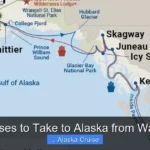
These itineraries sail between Vancouver and Seward (near Anchorage) or Whittier, offering a more immersive journey through Alaska’s coastal wilderness. Northbound cruises typically depart in May–June, while southbound ones run July–September.
Why it’s great: You’ll spend more time in Alaska’s remote regions, with extended scenic cruising in places like Glacier Bay and the Hubbard Glacier. The one-way format also allows you to combine your cruise with a land tour of Denali National Park or Fairbanks.
Sample ports:
- Seward: Gateway to Kenai Fjords National Park. Take a boat tour to see glaciers, sea lions, and puffins, or hike the Exit Glacier trail.
- Hubbard Glacier: One of the largest tidewater glaciers in North America. Ships often stop for hours to let passengers watch calving events.
- Haines: A quieter port with strong Tlingit culture, art galleries, and access to Chilkat Bald Eagle Preserve.
Best for: Adventure seekers, photographers, and travelers planning a multi-week Alaska trip.
10- to 14-Night Extended Itineraries
For those who want to go deeper, extended cruises offer more time in port, additional scenic cruising, and access to remote areas like the Aleutian Islands or the Gulf of Alaska. These are often offered by luxury or expedition lines like Seabourn, Silversea, or National Geographic.
Why it’s great: You’ll visit lesser-known ports like Sitka, Wrangell, or even Russian-influenced St. Paul Island. These cruises often include expert-led excursions, Zodiac landings, and cultural exchanges with local communities.
Sample highlights:
- Sitka: Explore the Russian Bishop’s House, watch bald eagles soar over Sitka Sound, and learn about Tlingit history at the Sheldon Jackson Museum.
- Wrangell: Visit the Stikine River, known as the “Grand Canyon of the Stikine,” and see petroglyphs at Petroglyph Beach.
- Unalaska/Dutch Harbor: Part of the Aleutian Islands, this remote port offers dramatic volcanic landscapes and a glimpse into Alaska’s fishing industry.
Best for: Experienced travelers, luxury cruisers, and those seeking an off-the-beaten-path adventure.
Must-See Ports and Excursions on the Best Alaska Cruise Itineraries
While the ship’s route sets the stage, it’s the ports and excursions that bring your Alaska cruise to life. Here’s what not to miss at each major stop—and how to make the most of your time ashore.
Ketchikan: Rainforests, Totems, and Salmon
Ketchikan is your first taste of Alaska’s wild beauty. Nestled between the Tongass National Forest and the Pacific Ocean, this town is a gateway to pristine nature and rich indigenous culture.
Top excursions:
- Misty Fjords National Monument Flightseeing: Soar over waterfalls, cliffs, and glacial valleys in a small plane or helicopter. It’s one of the most breathtaking experiences in Alaska.
- Totem Bight State Park: Walk among restored totem poles and learn about Tlingit, Haida, and Tsimshian traditions.
- Rainforest Canopy Tour: Zip-line through the treetops or walk suspended bridges for a bird’s-eye view of the forest.
Insider tip: Visit the Southeast Alaska Discovery Center for interactive exhibits on local wildlife and ecosystems. It’s free and great for all ages.
Juneau: Glaciers, Whales, and Gold Rush History
As Alaska’s capital, Juneau blends natural wonders with historical charm. It’s also one of the few ports where you can walk right into the wilderness from downtown.
Top excursions:
- Mendenhall Glacier Helicopter Tour: Land on the ice for a guided walk or simply hover above for stunning photos. Some tours include a dog sledding demo on the glacier.
- Whale Watching in Auke Bay: Humpback whales, orcas, and sea lions are commonly spotted. Look for tours that use hydrophones to hear whale songs.
- Mount Roberts Tramway: Ride up to a alpine trail with panoramic views of the city and surrounding mountains.
Insider tip: Try the local seafood—especially king crab or halibut—at a waterfront restaurant like The Hangar on the Wharf.
Skagway: Gold Rush Drama and Scenic Railways
Skagway feels like a movie set from the 1898 Klondike Gold Rush. Wooden boardwalks, saloons, and costumed actors bring history to life.
Top excursions:
- White Pass & Yukon Route Railway: Ride a historic steam train through steep cliffs and tunnels. The “Gateway to the Klondike” offers incredible views and photo ops.
- Chilkoot Trail Hike: Follow the path of gold prospectors up to the alpine pass. Guided tours provide historical context and safety.
- Dog Sledding Experience: Meet sled dogs and learn about mushing culture at a local kennel.
Insider tip: Visit the Klondike Gold Rush National Historical Park Visitor Center to see artifacts and watch a short film about the era.
Glacier Bay National Park: A UNESCO Wonder
This 3.3-million-acre park is a highlight of nearly every best itinerary Alaska cruise. Ships enter slowly, allowing passengers to soak in the silence and grandeur.
What to expect:
- Glacier viewing: Look for active tidewater glaciers like Margerie and Grand Pacific. Calving events—when chunks of ice break off—are thrilling but unpredictable.
- Wildlife sightings: Keep an eye out for harbor seals, sea otters, brown bears, and bald eagles.
- Naturalist talks: Park rangers board the ship to share insights about geology, ecology, and conservation.
Insider tip: Bring binoculars and dress warmly—even in summer, it can be chilly on deck. Sit on the port (left) side for the best glacier views on most ships.
Tracy Arm or Endicott Arm: Fjord Adventures
These narrow, glacier-carved fjords offer intimate encounters with ice and wildlife. Ships often sail deep into the fjord, sometimes stopping just feet from towering ice walls.
Top experiences:
- Sawyer Glacier: In Tracy Arm, this twin glacier is known for its deep blue ice and frequent calving.
- Whale and seal sightings: These fjords are prime feeding grounds for humpbacks and harbor seals.
- Kayaking or Zodiac tours: Some lines offer small-boat excursions for up-close exploration.
Insider tip: These fjords are weather-dependent—clouds and rain can limit visibility. Have a backup plan, but don’t worry if your ship skips it; Glacier Bay is usually the main event.
Choosing the Right Cruise Line for Your Alaska Adventure
Not all cruise lines are created equal when it comes to Alaska. Your choice affects everything from ship size and itinerary to onboard experience and excursion quality. Here’s a breakdown of top options.
Mainstream Lines: Family-Friendly and Affordable
Lines like Carnival, Norwegian Cruise Line (NCL), and Royal Caribbean offer large ships with tons of amenities—pools, theaters, multiple dining venues—and competitive pricing.
Pros: Great for families, lots of entertainment, frequent departures, and budget-friendly options.
Cons: Ships can feel crowded, less time in port, and fewer expert-led excursions.
Best for: First-time cruisers, families with kids, and those looking for a fun, all-in-one vacation.
Luxury Lines: Comfort and Exclusivity
Regent Seven Seas, Crystal, and Seabourn offer all-suite accommodations, gourmet dining, and personalized service. Many include airfare, shore excursions, and gratuities.
Pros: High-end service, spacious cabins, inclusive pricing, and access to premium excursions.
Cons: Higher price point, fewer departures, and less nightlife.
Best for: Couples, luxury travelers, and those who value comfort and convenience.
Expedition Lines: Adventure and Education
UnCruise Adventures, Lindblad Expeditions (in partnership with National Geographic), and Hurtigruten focus on small ships, expert guides, and immersive experiences.
Pros: Intimate ships, wildlife-focused itineraries, Zodiac landings, and educational programs.
Cons: Fewer onboard amenities, higher cost, and less predictable schedules due to weather.
Best for: Nature lovers, photographers, and travelers seeking authentic, off-the-beaten-path experiences.
River and Coastal Cruise Lines
American Queen Voyages and Alaskan Dream Cruises offer smaller vessels that explore coastal towns and even inland rivers like the Yukon.
Pros: Unique routes, local connections, and cultural immersion.
Cons: Limited availability, fewer luxury amenities.
Best for: Travelers interested in history, culture, and regional exploration.
Best Time to Take an Alaska Cruise
Timing can make or break your Alaska cruise experience. While the official season runs from May to September, each month offers distinct advantages.
May–Early June: Shoulder Season
The season kicks off with fewer crowds, lower prices, and blooming wildflowers. Wildlife is active, and you might see newborn bear cubs or migrating birds.
Pros: Great value, peaceful ports, and good weather.
Cons: Some excursions may not be available yet, and daylight hours are shorter than in peak summer.
Mid-June–August: Peak Season
This is the most popular time to cruise, with long daylight hours (up to 18 hours in Juneau), warm weather, and full excursion availability.
Pros: Best weather, all activities running, and peak wildlife activity.
Cons: Higher prices, crowded ports, and limited cabin availability.
September: Fall Colors and Fewer Crowds
As summer ends, the landscape transforms with golden aspens and red fireweed. Wildlife prepares for winter, and cruise lines often offer discounts.
Pros: Stunning fall scenery, lower prices, and fewer tourists.
Cons: Cooler temperatures, shorter days, and some excursions may end by mid-September.
Insider tip: Book early for peak season (December–January for the following summer), but consider last-minute deals in September for significant savings.
Packing Tips for Your Alaska Cruise
Alaska’s weather is famously unpredictable. Even in summer, you can experience rain, wind, and temperatures ranging from 40°F to 70°F. Packing smart ensures you stay comfortable and enjoy every moment.
Essential Clothing
- Waterproof jacket and pants: A must for glacier days and rain.
- Layered clothing: Pack thermal base layers, fleece, and a warm sweater.
- Sturdy, waterproof shoes: For hiking and wet docks.
- Hat, gloves, and scarf: Especially for glacier cruising.
- Swimwear: For hot tubs or a dip in a geothermal pool (yes, they exist!).
Gear and Accessories
- Binoculars: Essential for wildlife and glacier viewing.
- Camera with extra batteries: Cold weather drains batteries fast.
- Reusable water bottle: Stay hydrated during excursions.
- Daypack: For carrying layers, snacks, and gear ashore.
Health and Safety
- Sunscreen and sunglasses: Reflection off snow and water increases UV exposure.
- Motion sickness remedies: Even in calm waters, some people feel queasy.
- Prescription medications: Bring extras in case of delays.
Insider tip: Many cruise lines offer laundry services, so you don’t need to pack for every day. Roll clothes to save space and reduce wrinkles.
Combining Your Cruise with a Land Tour
For the ultimate Alaska experience, consider adding a land tour before or after your cruise. This lets you explore the interior, visit Denali National Park, and ride the scenic Alaska Railroad.
Popular Land Tour Options
- Denali National Park: Spend 2–3 days exploring the park, spotting moose, caribou, and grizzly bears. Take a bus tour deep into the park for the best wildlife viewing.
- Alaska Railroad Journey: Travel from Seward to Denali or Fairbanks in comfort, with panoramic windows and narrated commentary.
- Fairbanks: Experience the “Golden Heart City,” visit the Museum of the North, and soak in natural hot springs.
Insider tip: Book a cruise-land package through your cruise line for seamless transfers and coordinated schedules. These often include hotels, tours, and rail tickets.
Final Thoughts: Making the Most of Your Alaska Cruise
An Alaska cruise isn’t just a trip—it’s a journey into one of the last great wildernesses on Earth. The best itinerary Alaska cruise is one that matches your interests, budget, and travel style. Whether you choose a 7-night roundtrip from Seattle, a one-way voyage to Seward, or a luxury expedition, you’ll return home with memories that last a lifetime.
Remember to book early, pack wisely, and stay flexible. Weather and wildlife are unpredictable, but that’s part of the adventure. Take time to unplug, look up, and truly absorb the scale and beauty of Alaska. And don’t forget to raise a glass of local craft beer or salmon jerky toast to the Last Frontier.
FAQs
What is the best month to take an Alaska cruise?
The best time is typically June through August, when weather is warmest, daylight is longest, and all excursions are available. However, May and September offer fewer crowds and lower prices.
Do I need a passport for an Alaska cruise?
If your cruise is roundtrip from the U.S. (e.g., Seattle to Seattle), a passport is not required—but it’s highly recommended in case of emergencies. One-way cruises to/from Canada require a passport.
Can you see glaciers on an Alaska cruise?
Yes! Most itineraries include Glacier Bay National Park or fjords like Tracy Arm and Hubbard Glacier, where you can see active tidewater glaciers up close.
Are Alaska cruises family-friendly?
Absolutely. Mainstream lines like Royal Caribbean and NCL offer kids’ clubs, family cabins, and age-appropriate excursions. Just choose a route with balanced port time.
How much should I budget for shore excursions?
Excursions range from $50 to $500+ per person. Budget $100–$200 per port for a mix of moderate and premium activities. Booking through the cruise line ensures smooth logistics.
What wildlife can I expect to see on an Alaska cruise?
Common sightings include humpback whales, orcas, sea otters, harbor seals, bald eagles, brown bears, and moose. Wildlife varies by season and location.
This is a comprehensive guide about best itinerary alaska cruise.
Key Takeaways
- Understanding best itinerary alaska cruise: Provides essential knowledge
Frequently Asked Questions
What is best itinerary alaska cruise?
best itinerary alaska cruise is an important topic with many practical applications.