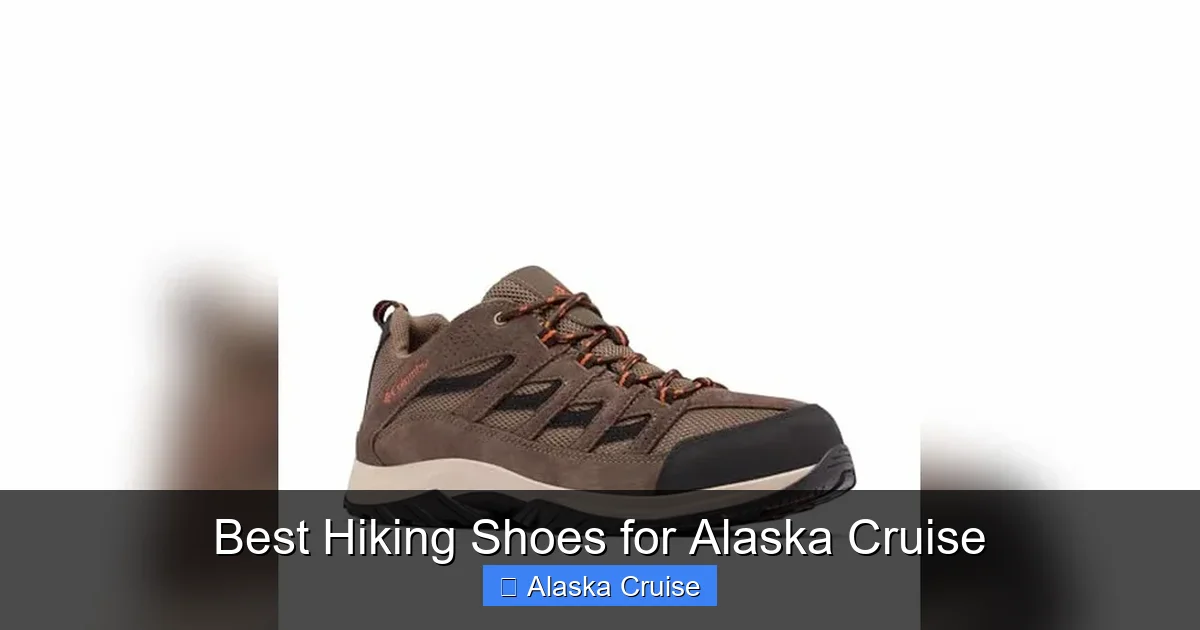
Choosing the right hiking shoes for an Alaska cruise can make or break your adventure. With rugged trails, wet conditions, and unpredictable weather, you need footwear that’s waterproof, supportive, and grippy. This guide helps you pick the best hiking shoes for Alaska cruise excursions, from glacier walks to rainforest hikes.
This is a comprehensive guide about best hiking shoes for alaska cruise.
Key Takeaways
- Waterproofing is essential: Alaska’s wet climate demands shoes with reliable waterproof membranes like Gore-Tex to keep feet dry during rain, mud, and stream crossings.
- Ankle support matters: Uneven terrain and slippery rocks call for mid or high-cut hiking shoes that stabilize your ankles and reduce injury risk.
- Traction is non-negotiable: Look for aggressive lug patterns and sticky rubber outsoles (like Vibram) to grip mossy rocks, wet logs, and icy paths.
- Breathability prevents blisters: Even in cold weather, your feet sweat—choose shoes with breathable uppers to avoid moisture buildup and hotspots.
- Fit and comfort come first: Break in your shoes before the trip and ensure a snug but not tight fit with room for thick socks.
- Versatility over specialization: The best hiking shoes for Alaska cruise trips handle both light trails and moderate off-trail exploration without weighing you down.
- Quick-dry materials help: If your shoes do get soaked, synthetic or mesh uppers dry faster than leather, saving you discomfort on multi-day excursions.
[FEATURED_IMAGE_PLACEHOLDER]
Why Hiking Shoes Matter on an Alaska Cruise
An Alaska cruise isn’t just about scenic views from the deck—it’s an adventure that pulls you ashore to explore glaciers, rainforests, and wildlife-rich trails. Whether you’re stepping off a tender in Ketchikan, hiking near Juneau’s Mendenhall Glacier, or trekking through Tongass National Forest, your footwear will be your most important gear. The right pair of hiking shoes can mean the difference between a thrilling, comfortable excursion and a miserable, slippery ordeal.
Alaska’s terrain is as beautiful as it is unforgiving. Trails are often muddy, rocky, or covered in wet moss. Rain is frequent, even in summer, and temperatures can swing quickly. You might cross shallow streams, walk on uneven boardwalks, or navigate steep inclines with loose gravel. Standard sneakers or casual walking shoes simply won’t cut it. They lack the grip, support, and protection needed for these conditions. That’s why investing in a quality pair of hiking shoes designed for Alaska’s unique environment is a smart move.
Many cruise passengers underestimate the physical demands of shore excursions. What starts as a gentle nature walk can quickly turn into a challenging hike when the trail becomes slick or the path narrows. Hiking shoes with proper ankle support reduce the risk of twists and sprains. Waterproofing keeps your feet dry during sudden downpours or when stepping through puddles. And deep, multidirectional lugs on the sole provide the traction needed to stay upright on slippery surfaces.
Beyond safety and comfort, the right shoes enhance your experience. When your feet are dry and supported, you can focus on the towering spruce trees, the sound of rushing water, or the sight of a bald eagle soaring overhead. You’ll be able to explore longer and with more confidence, making the most of your time ashore. In short, the best hiking shoes for Alaska cruise adventures aren’t just practical—they’re essential for a truly memorable trip.
What to Look for in Hiking Shoes for Alaska
Not all hiking shoes are created equal, especially when it comes to Alaska’s demanding conditions. To find the best hiking shoes for Alaska cruise excursions, you’ll want to focus on several key features: waterproofing, traction, support, breathability, and fit. Let’s break down what each of these means and why they matter in the Alaskan wilderness.
Waterproofing: Your First Line of Defense
Alaska is known for its rain—lots of it. Even in summer, afternoon showers are common, and trails can remain damp for days. Waterproof hiking shoes are a must. Look for models with a waterproof membrane such as Gore-Tex or eVent. These materials allow sweat to escape while blocking external moisture from entering. This breathable waterproofing is crucial because it prevents your feet from getting soaked while also reducing the risk of blisters caused by damp socks.
Some hikers prefer full-grain leather boots for their durability and natural water resistance. While leather can be effective, it often takes longer to dry if it does get wet. Synthetic materials, on the other hand, dry faster but may not be as rugged. A hybrid approach—leather uppers with a waterproof liner—offers a good balance. For example, the Merrell Moab 3 Waterproof combines a leather and mesh upper with a Gore-Tex membrane, making it a popular choice among Alaska cruisers.
Traction: Grip When It Counts
Alaska’s trails are rarely flat or dry. You’ll encounter moss-covered rocks, slick roots, and muddy inclines. Without proper traction, a simple step can turn into a fall. The outsole of your hiking shoe is critical here. Look for deep, widely spaced lugs that can dig into soft ground and shed mud easily. Rubber compounds matter too—softer rubber grips better on wet surfaces, while harder rubber lasts longer on rocky terrain.
Vibram soles are widely regarded as the gold standard for hiking footwear. Brands like Salomon, La Sportiva, and Keen often use Vibram outsoles in their Alaska-ready models. For instance, the Salomon X Ultra 4 GTX features a Contagrip sole designed for wet and uneven surfaces. Its multidirectional lugs provide excellent stability on everything from glacier moraines to forest trails.
Ankle Support: Stability on Uneven Ground
Alaska’s terrain is unpredictable. One moment you’re on a well-maintained path, the next you’re stepping over fallen logs or navigating a rocky shoreline. Ankle support helps prevent rolls and sprains, especially when carrying a daypack or walking on sloped ground. Mid-cut or high-cut hiking shoes offer better support than low-cut trail runners.
That said, some hikers prefer the flexibility of low-cut shoes for lighter trails. If you’re mostly sticking to boardwalks and easy paths, a low-cut waterproof shoe like the Keen Targhee III might suffice. But for glacier hikes or off-trail exploration, a mid-cut boot like the La Sportiva Nucleo High GTX provides the extra stability you need. Consider your planned activities when choosing the height of your shoe.
Breathability: Keep Feet Cool and Dry
Even in cool weather, your feet generate heat and sweat. If your shoes aren’t breathable, moisture builds up inside, leading to blisters, hotspots, and discomfort. Breathability is especially important if you’re wearing thick hiking socks or layering for warmth. Look for shoes with mesh panels, moisture-wicking linings, and ventilation channels.
Gore-Tex and similar membranes are designed to be both waterproof and breathable, but the upper material also plays a role. Synthetic mesh uppers allow more airflow than full leather. However, they may not be as durable in rugged conditions. A good compromise is a shoe with a leather toe cap and heel for protection, combined with breathable mesh on the sides. The Vasque Breeze LT NTX is a great example, offering excellent breathability without sacrificing durability.
Fit and Comfort: The Foundation of a Good Hike
No matter how advanced the technology, a poorly fitting shoe will ruin your trip. Your hiking shoes should feel snug but not tight, with enough room in the toe box to wiggle your toes. Heel slippage can cause blisters, so make sure the heel cup holds your foot securely. Try on shoes with the same socks you plan to wear on the trail—thick wool or synthetic hiking socks can make a big difference in fit.
It’s also essential to break in your shoes before your cruise. Wear them on short walks around town or on local trails to soften the materials and identify any pressure points. There’s nothing worse than discovering a hot spot on day two of your Alaska adventure. If possible, buy your shoes at least a few weeks in advance and wear them regularly.
Top Picks: Best Hiking Shoes for Alaska Cruise
With so many options on the market, it can be overwhelming to choose the right pair. To help you narrow it down, we’ve selected five of the best hiking shoes for Alaska cruise excursions based on performance, durability, and real-world feedback from travelers. These models excel in wet conditions, offer solid support, and are built to handle Alaska’s rugged terrain.
1. Merrell Moab 3 Waterproof
The Merrell Moab 3 Waterproof is a favorite among hikers for its comfort, reliability, and value. It features a Gore-Tex membrane for waterproofing, a Vibram outsole for excellent traction, and a cushioned midsole for all-day comfort. The upper combines suede leather and mesh, offering a balance of durability and breathability. The Moab 3 is available in both mid and low-cut versions, so you can choose based on your support needs.
One of the standout features of the Moab 3 is its roomy toe box, which accommodates wider feet and allows for thick socks without pinching. The contoured footbed provides arch support, and the air cushion in the heel absorbs shock on rocky trails. Many Alaska cruisers praise this shoe for its ability to handle everything from muddy trails to glacier approaches. It’s also lightweight, making it easy to pack and wear for long days ashore.
2. Salomon X Ultra 4 GTX
For hikers who prioritize speed and agility, the Salomon X Ultra 4 GTX is a top contender. This lightweight hiking shoe is designed for fast-paced treks and technical terrain. It features a Gore-Tex waterproof liner, a Contagrip outsole with aggressive lugs, and a protective toe cap. The Advanced Chassis system provides lateral support without adding bulk.
The X Ultra 4 excels on wet, uneven ground. Its sticky rubber sole grips mossy rocks and slippery roots with confidence. The quick-lace system allows for easy adjustments, even with gloves on—a handy feature in Alaska’s cool, damp weather. While it’s lower cut than traditional boots, the snug fit and secure heel lock minimize ankle movement. This shoe is ideal for travelers who plan to hike frequently and want a responsive, nimble feel.
3. Keen Targhee III Waterproof
The Keen Targhee III is known for its wide toe box and rugged construction. It’s a great choice for hikers with broader feet or those who prefer extra room for toe splay. The waterproof membrane keeps feet dry, while the Keen.Dry breathable liner prevents overheating. The rubber outsole features 4mm multi-directional lugs for solid grip on varied surfaces.
What sets the Targhee III apart is its durability. The leather upper resists abrasions from rocks and roots, and the toe protection shield guards against stubbed toes. The midsole provides excellent cushioning, making it comfortable for long walks on hard-packed trails. Many cruisers appreciate the shoe’s versatility—it’s equally at home on a rainforest boardwalk or a rocky shoreline. It’s also available in a mid-cut version for added ankle support.
4. La Sportiva Nucleo High GTX
For serious hikers tackling challenging terrain, the La Sportiva Nucleo High GTX offers premium performance. This high-cut boot features a Gore-Tex Surround membrane, which provides 360-degree breathability—ideal for long hikes in cool, damp conditions. The Vibram outsole with Impact Brake System enhances downhill control and grip on loose surfaces.
The Nucleo High GTX is built for technical trails and glacier approaches. Its stiff midsole supports heavy loads, making it a good choice if you’re carrying a daypack with camera gear, water, and layers. The ankle collar is padded for comfort, and the lacing system allows for a precise fit. While it’s more expensive than other options, its performance and durability justify the cost for avid hikers. It’s particularly well-suited for excursions like the Mendenhall Glacier hike or the Tracy Arm fjord trek.
5. Vasque Breeze LT NTX
The Vasque Breeze LT NTX strikes a balance between lightweight design and rugged capability. It features a waterproof membrane, a durable leather and mesh upper, and a Vibram outsole with deep lugs. The shoe is designed for moderate terrain and long-distance comfort, making it a great all-around choice for Alaska’s diverse trails.
One of the Breeze LT’s strengths is its breathability. The NTX membrane allows moisture to escape while blocking rain, keeping your feet dry from both inside and out. The EVA midsole provides cushioning without adding weight, and the anatomical footbed supports natural foot movement. Hikers appreciate its smooth ride on both flat and uneven ground. It’s a reliable option for those who want performance without the bulk of a full hiking boot.
Packing and Preparing Your Hiking Shoes
Once you’ve chosen the best hiking shoes for your Alaska cruise, it’s time to prepare them for the journey. Proper packing and pre-trip care can extend the life of your shoes and ensure they perform well in the field. Here are some practical tips to get your footwear ready for adventure.
Break Them In Before You Go
Never wear new hiking shoes for the first time on your cruise. Break them in at least two to three weeks before your trip. Wear them on short walks, gradually increasing the distance and terrain. This allows the materials to mold to your feet and helps identify any fit issues. Pay attention to hotspots, heel slippage, or tight spots—adjust lacing or consider inserts if needed.
If you’re buying online, order early and take advantage of return policies. Many outdoor retailers offer generous return windows, so you can test the shoes and exchange them if they don’t fit. Remember, comfort is personal—what works for a friend might not work for you.
Pack Smart: Protect and Organize
Hiking shoes can be bulky, so pack them wisely. Use a shoe bag or stuff them with socks and small items to save space and protect other gear from dirt. If you’re bringing multiple pairs, consider packing your hiking shoes in a separate compartment of your suitcase or carry-on.
Bring a small brush or cloth to clean mud and salt off your shoes after each use. Salt from ocean spray can degrade materials over time, so rinse them with fresh water if possible. Let them dry naturally—avoid direct heat sources like radiators, which can warp the shape or damage adhesives.
Pair with the Right Socks
Your socks are just as important as your shoes. Choose moisture-wicking hiking socks made from merino wool or synthetic blends. Avoid cotton, which retains moisture and increases blister risk. Bring at least two pairs so you can rotate them and let one dry while wearing the other.
Consider layering socks for extra warmth and cushioning. A thin liner sock under a thicker hiking sock can reduce friction and improve fit. Some hikers also use toe socks or blister prevention patches on high-risk areas like the heels and balls of the feet.
Real-World Tips from Alaska Cruisers
There’s no substitute for firsthand experience. We’ve gathered insights from travelers who’ve explored Alaska’s trails to share practical advice on choosing and using hiking shoes. These tips can help you avoid common pitfalls and make the most of your adventure.
One cruiser shared that she wore trail runners on her first Alaska trip and regretted it when her feet got soaked during a sudden rainstorm. “I thought they’d dry quickly, but they stayed damp for hours,” she said. “Next time, I’m bringing waterproof boots.” Her story highlights the importance of waterproofing—even if you’re not planning to hike in the rain, Alaska’s humidity and damp trails can soak through non-waterproof shoes.
Another traveler emphasized the value of ankle support. “I twisted my ankle on a rocky path near Skagway,” he recalled. “It wasn’t serious, but it ruined the rest of the hike. Now I always wear mid-cut boots.” His experience underscores the need for stability, especially on uneven or slippery terrain.
Many cruisers recommend bringing a second pair of shoes for onboard wear. “I wore my hiking boots ashore and changed into comfortable sneakers on the ship,” said one traveler. “It kept my boots clean and gave my feet a break.” This strategy also helps prevent tracking mud into cabins or dining areas.
Finally, don’t forget to check your cruise line’s excursion policies. Some guided hikes require specific footwear, such as grippy soles or ankle support. Review the requirements before you go and pack accordingly. A little preparation goes a long way in ensuring a smooth and enjoyable experience.
Conclusion: Step Confidently into Alaska’s Wild Beauty
An Alaska cruise is more than a vacation—it’s an invitation to explore one of the world’s last great wildernesses. From towering glaciers to lush rainforests, the landscapes are as diverse as they are breathtaking. But to truly experience Alaska, you need to get off the ship and onto the trails. And that starts with the right footwear.
The best hiking shoes for Alaska cruise adventures are waterproof, supportive, and built for traction. They keep your feet dry in the rain, stable on slippery rocks, and comfortable over long distances. Whether you choose a lightweight trail shoe or a rugged hiking boot, the key is to prioritize fit, function, and durability. Invest in a quality pair, break them in ahead of time, and pair them with the right socks.
With the right shoes on your feet, you’ll be ready for anything Alaska throws your way—muddy trails, icy patches, or sudden downpours. You’ll walk with confidence, explore with curiosity, and create memories that last a lifetime. So lace up, step out, and embrace the wild. Your Alaska adventure awaits.
Frequently Asked Questions
Do I really need hiking shoes for an Alaska cruise?
Yes, especially if you plan to participate in shore excursions. Alaska’s trails are often wet, muddy, and uneven, and regular sneakers won’t provide the grip, support, or protection you need. Hiking shoes keep your feet dry and safe.
Can I wear trail runners instead of hiking boots?
Trail runners can work for light, dry trails, but they lack ankle support and waterproofing. For Alaska’s wet and rugged terrain, waterproof hiking shoes or boots are a better choice.
How do I know if my hiking shoes are waterproof?
Look for terms like “Gore-Tex,” “eVent,” or “waterproof membrane” in the product description. You can also test them by spraying water on the upper—if it beads up and doesn’t soak in, they’re likely waterproof.
Should I buy hiking shoes before or during the cruise?
Always buy and break in your shoes before the cruise. Shops in port towns may have limited selection, and wearing new shoes on the trail can lead to blisters and discomfort.
What socks should I wear with hiking shoes in Alaska?
Choose moisture-wicking socks made from merino wool or synthetic blends. Avoid cotton, which retains moisture and increases the risk of blisters.
Can I wear the same shoes for hiking and onboard activities?
It’s better to bring two pairs: hiking shoes for shore excursions and comfortable sneakers or deck shoes for onboard use. This keeps your hiking shoes clean and gives your feet a break.