Alaska cruises offer more than glaciers and wildlife—they’re gateways to some of the most incredible hikes in North America. From coastal rainforests to alpine ridges, these trails deliver jaw-dropping views and unforgettable adventures right off the ship.
Key Takeaways
- Hiking is a top Alaska cruise activity: Most cruise lines offer guided or self-guided hikes during port stops, making it easy to explore on foot.
- Trails vary by port: Each stop—like Juneau, Ketchikan, or Skagway—has unique terrain, from lush temperate rainforests to rugged mountain paths.
- Wildlife encounters are common: Expect to see bears, eagles, mountain goats, and whales—always hike with a guide or follow safety guidelines.
- Pack smart for changing weather: Layers, rain gear, and sturdy boots are essential, even in summer.
- Book excursions early: Popular hikes fill up fast, especially in peak season (May to September).
- Self-guided options exist: Many towns have well-marked trails near the cruise docks for independent explorers.
- Respect nature and local rules: Stay on trails, carry bear spray, and follow Leave No Trace principles.
📑 Table of Contents
Why Hiking Is a Must on Your Alaska Cruise
Imagine stepping off your cruise ship into a world of towering glaciers, misty fjords, and ancient forests—only to realize the real adventure begins on foot. Alaska isn’t just a destination for scenic boat rides and wildlife spotting from the deck. It’s a hiker’s paradise, where every port offers a chance to lace up your boots and explore some of the most dramatic landscapes on Earth.
While Alaska cruises are famous for their panoramic views from the water, the true magic often unfolds inland. Whether you’re trekking through a temperate rainforest, climbing a mountain ridge with sweeping ocean views, or walking along a glacier-fed river, hiking adds a whole new dimension to your journey. It’s not just about exercise—it’s about connection. Walking through these wild spaces lets you feel the crunch of moss underfoot, hear the distant call of a loon, and breathe in the crisp, clean air that only Alaska can deliver.
And the best part? You don’t need to be an expert hiker to enjoy it. Many trails are accessible to all fitness levels, and cruise lines often offer guided excursions that match your pace and interests. Whether you’re a casual walker or a seasoned backpacker, there’s a hike for you. From short nature walks to full-day alpine adventures, Alaska’s trails are as diverse as its scenery.
Top Alaska Cruise Ports for Hiking
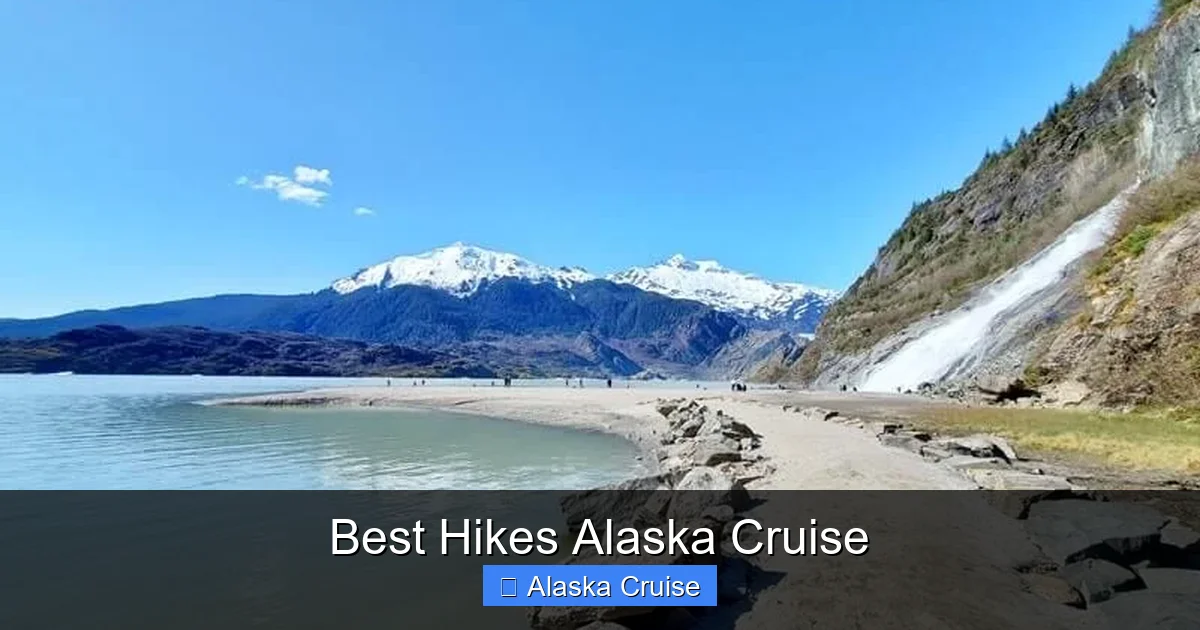
Visual guide about Best Hikes Alaska Cruise
Image source: flashpackingamerica.com
Alaska’s cruise itineraries typically include several key ports, each with its own hiking personality. Let’s explore the best spots to stretch your legs and soak in the scenery.
Juneau: The Capital of Adventure
As Alaska’s capital city, Juneau is a hub for outdoor enthusiasts. Nestled between the Gastineau Channel and the Coast Mountains, it offers a mix of coastal and alpine trails. One of the most popular hikes is the Perseverance Trail, a 6.5-mile round-trip trek that follows an old mining route through lush forest and along cascading streams. It’s rated moderate to difficult, but the payoff is worth it—views of Mount Juneau, waterfalls, and even the chance to spot black bears.
For a shorter but equally scenic option, try the Mount Roberts Trail. This 3.5-mile loop climbs steadily from downtown Juneau to an elevation of 3,819 feet. Along the way, you’ll pass through temperate rainforest, cross wooden boardwalks, and enjoy panoramic views of the city and surrounding waters. At the top, you can visit the Juneau Raptor Center or take the tram back down if you prefer not to hike both ways.
Another standout is the Gold Creek Trail, a 4-mile round-trip hike that leads to a historic mining site and a serene alpine lake. It’s less crowded than other trails and offers excellent wildlife viewing, especially in the early morning.
Ketchikan: Rainforest and Totem Trails
Known as the “Salmon Capital of the World,” Ketchikan is also a gateway to some of the most pristine temperate rainforests on the planet. The Deer Mountain Trail is a local favorite—a 4.5-mile round-trip hike that climbs 1,500 feet to a fire tower with 360-degree views of the Tongass National Forest and the Inside Passage. It’s a moderate climb with well-maintained switchbacks and interpretive signs along the way.
For a gentler experience, the Rainforest Trail near the cruise docks is perfect. This 1.5-mile loop is mostly flat and accessible, winding through old-growth cedar and hemlock trees. It’s ideal for families or those looking for a peaceful walk with interpretive signs about the local ecosystem.
Don’t miss the Totem Heritage Center Trail, a short, paved path that leads to a collection of 19th-century totem poles. It’s a cultural hike as much as a natural one, offering insight into the Tlingit, Haida, and Tsimshian peoples who have lived here for centuries.
Skagway: Gold Rush Trails and Mountain Views
Skagway’s rugged terrain and gold rush history make it a hiker’s dream. The Lower Dewey Lake Trail is a 6-mile round-trip hike that rewards you with stunning views of the lake and surrounding peaks. It’s rated moderate, with some steep sections, but the trail is well-marked and rarely crowded.
For a more challenging adventure, try the Upper Dewey Lake Trail, which adds another 2 miles and climbs over 2,000 feet. This trail takes you through alpine meadows and offers views of the Sawtooth Range. It’s best attempted with a guide, especially if you’re not used to high-altitude hiking.
If you’re short on time, the White Pass Trail is a historic route that follows part of the Chilkoot Trail used by prospectors during the Klondike Gold Rush. A 2-mile section near town is accessible and offers interpretive signs about the era.
Haines: Wilderness and Wildlife
Though not always on every cruise itinerary, Haines is worth the detour. This quiet town is surrounded by the Chilkat Bald Eagle Preserve and offers some of the best wildlife viewing in Alaska. The Chilkat State Park Trail is a 3-mile loop that follows the Chilkat River through forest and wetlands. It’s a prime spot for spotting eagles, moose, and even bears fishing for salmon.
For a more strenuous hike, the Mount Ripinski Trail climbs 2,500 feet in just 3 miles, offering sweeping views of the Chilkat Inlet and surrounding mountains. It’s a challenging but rewarding trek, best saved for clear days.
Glacier Bay National Park: Remote and Rugged
While most cruise ships don’t allow disembarkation in Glacier Bay due to its protected status, some small expedition cruises offer kayaking and short hikes on designated shores. These hikes are typically led by park rangers and focus on geology, wildlife, and conservation. Trails are short but immersive, with opportunities to see glaciers up close and learn about the park’s fragile ecosystem.
Best Hikes by Difficulty Level
Not all hikes are created equal—some are perfect for a leisurely stroll, while others demand serious stamina. Here’s a breakdown by difficulty to help you choose the right trail.
Easy Hikes: Perfect for Families and First-Timers
If you’re new to hiking or traveling with kids, start with these gentle trails:
– Rainforest Trail (Ketchikan): A flat, 1.5-mile loop through old-growth forest. Great for birdwatching and learning about local plants.
– Totem Heritage Center Trail (Ketchikan): A short, paved path with cultural significance and easy access from the cruise dock.
– Gold Creek Trail (Juneau): While 4 miles round-trip, it’s mostly flat and follows a scenic river. Ideal for a relaxed afternoon.
These hikes require minimal preparation and are often included in cruise line excursions.
Moderate Hikes: A Balance of Challenge and Reward
For those ready for a bit more adventure, these trails offer elevation gain and longer distances without being overly strenuous:
– Deer Mountain Trail (Ketchikan): 4.5 miles with a 1,500-foot climb. Well-maintained and popular with cruise passengers.
– Lower Dewey Lake Trail (Skagway): 6 miles with steady climbs and beautiful lake views.
– Perseverance Trail (Juneau): 6.5 miles through forest and along streams. Some steep sections, but manageable for most hikers.
These hikes typically take 2–4 hours and are great for building confidence on the trail.
Difficult Hikes: For the Adventurous Spirit
If you’re up for a challenge, these trails deliver big rewards:
– Mount Roberts Trail (Juneau): 3.5 miles with a steep climb to 3,819 feet. Offers panoramic views and a sense of accomplishment.
– Upper Dewey Lake Trail (Skagway): 8 miles round-trip with over 2,000 feet of elevation gain. Best for experienced hikers.
– Mount Ripinski Trail (Haines): 3 miles but very steep. Requires good fitness and proper gear.
These hikes are best attempted with a guide, especially if you’re unfamiliar with the terrain or wildlife safety.
How to Prepare for Hiking on an Alaska Cruise
Hiking in Alaska is unlike hiking anywhere else. The weather can change in minutes, trails may be muddy or rocky, and wildlife is always a factor. Here’s how to prepare.
Pack the Right Gear
Even in summer, Alaska can be chilly and wet. Pack in layers:
– Base layer: Moisture-wicking fabric to keep you dry.
– Insulating layer: Fleece or lightweight down jacket.
– Outer layer: Waterproof and windproof shell.
– Footwear: Sturdy hiking boots with good ankle support and grip.
– Accessories: Hat, gloves, sunglasses, and a small backpack.
Don’t forget rain gear—Alaska is known for its drizzle, even on “sunny” days.
Know the Weather
Check the forecast before you head out, but be ready for anything. Temperatures can range from 40°F to 70°F in summer, and afternoon thunderstorms are common in some areas. Always carry a rain jacket and extra socks.
Wildlife Safety
Bears are a real presence in Alaska. Carry bear spray and know how to use it. Make noise while hiking—talk, clap, or wear bear bells—to avoid surprising animals. Never approach wildlife, and store food properly.
If you’re hiking with a guide, they’ll handle most safety concerns. But if you’re going solo, research the area and let someone know your plans.
Book Excursions Early
Popular hikes like the Mount Roberts Trail or Deer Mountain fill up quickly, especially during peak season (June to August). Book your shore excursions as soon as your cruise itinerary is confirmed. Many cruise lines offer “hiking packages” that include gear, guides, and transportation.
Stay Hydrated and Fueled
Even on short hikes, bring water and snacks. Trails can be longer than they appear, and the cool air can mask dehydration. Energy bars, nuts, and fruit are great options.
Guided vs. Self-Guided Hikes: Which Is Right for You?
One of the biggest decisions is whether to join a guided tour or explore on your own.
Guided Hikes: Safety and Insight
Guided hikes are ideal for first-time visitors or those unfamiliar with the area. Local guides know the trails, weather patterns, and wildlife behavior. They often share fascinating stories about the region’s history, geology, and culture.
Most cruise lines partner with local outfitters to offer guided hikes. These excursions typically include transportation from the ship, gear (like bear spray), and a knowledgeable guide. They’re also safer in bear country and often cover more ground than you could on your own.
Popular guided options include:
– Juneau Glacier Hike: Walk on the Mendenhall Glacier with crampons and a guide.
– Ketchikan Rainforest Canopy Tour: A mix of hiking and ziplining through the treetops.
– Skagway Gold Rush Trail Tour: Combines history and hiking with a local expert.
Self-Guided Hikes: Freedom and Flexibility
If you prefer independence, many towns have well-marked trails near the cruise docks. Ketchikan’s Rainforest Trail and Juneau’s Gold Creek Trail are great self-guided options.
Use apps like AllTrails or Gaia GPS to download maps offline. Always check trail conditions and carry a physical map as backup. Let someone at your hotel or the visitor center know your plans.
Self-guided hiking is cheaper and allows you to go at your own pace. But it requires more preparation and awareness of local risks.
Tips for a Safe and Enjoyable Hike
No matter which trail you choose, these tips will help ensure a great experience:
– Start early: Mornings are cooler, less crowded, and better for wildlife viewing.
– Stay on the trail: Protect fragile ecosystems and avoid getting lost.
– Leave no trace: Pack out all trash, including food scraps.
– Respect wildlife: Keep a safe distance and never feed animals.
– Check tide charts: Some coastal trails are only accessible at low tide.
– Tell someone your plans: Especially if hiking alone.
And remember: the goal isn’t to reach the summit—it’s to enjoy the journey. Take photos, pause to listen, and soak in the silence of the wild.
Conclusion: Make Hiking Part of Your Alaska Cruise
An Alaska cruise is more than a scenic voyage—it’s an invitation to step ashore and explore one of the last great frontiers on Earth. While the glaciers, whales, and fjords are breathtaking from the deck, the real adventure begins when you lace up your boots and hit the trail.
From the misty rainforests of Ketchikan to the rugged peaks near Skagway, Alaska’s hikes offer something for everyone. Whether you’re seeking a peaceful walk among ancient trees or a challenging climb with panoramic views, these trails deliver unforgettable experiences.
So don’t just cruise through Alaska—hike through it. Pack your gear, book your excursions, and get ready to discover the wild heart of the Last Frontier on foot.
Frequently Asked Questions
Can I hike during an Alaska cruise without booking an excursion?
Yes, many ports have trails near the cruise docks that you can explore on your own. Ketchikan’s Rainforest Trail and Juneau’s Gold Creek Trail are popular self-guided options. Just be sure to check trail conditions and carry a map.
What should I wear for hiking in Alaska?
Wear layers, including a moisture-wicking base, insulating mid-layer, and waterproof outer shell. Sturdy hiking boots, a hat, gloves, and rain gear are essential, even in summer.
Are there bears on the trails?
Yes, black and brown bears are common in Alaska. Always carry bear spray, make noise while hiking, and never approach wildlife. Guided hikes often include bear safety training.
How difficult are the hikes on Alaska cruise ports?
Trails range from easy, flat walks to strenuous mountain climbs. Most ports offer options for all fitness levels, and cruise lines often provide guided hikes matched to your ability.
When is the best time to hike during an Alaska cruise?
Early morning is ideal—cooler temperatures, fewer crowds, and better wildlife activity. Avoid hiking in the afternoon when rain and fog are more likely.
Do I need to book hiking excursions in advance?
Yes, popular hikes like Mount Roberts or Deer Mountain fill up quickly. Book your shore excursions as soon as your cruise itinerary is confirmed to secure your spot.