
Planning the best Alaska cruise and tour means choosing the right itinerary, timing, and activities to maximize your experience. From glacier viewing to wildlife spotting, this guide covers everything you need to know for an unforgettable Alaskan adventure.
Key Takeaways
- Best Time to Go: May to September offers mild weather, long daylight hours, and peak wildlife activity.
- Top Cruise Lines: Holland America, Princess, and Royal Caribbean offer reliable service and diverse itineraries.
- Must-See Ports: Juneau, Skagway, Ketchikan, and Glacier Bay are iconic stops with rich history and natural beauty.
- Combine Cruise with Land Tour: Extend your trip with a land tour to Denali National Park for a full Alaska experience.
- Pack Smart: Layered clothing, waterproof gear, and binoculars are essential for comfort and sightseeing.
- Book Early: Popular cabins and tours sell out quickly, especially for peak summer months.
- Wildlife Viewing Tips: Bring binoculars and be patient—bears, whales, and eagles are common but unpredictable.
📑 Table of Contents
- Why Alaska Should Be on Your Travel Bucket List
- Choosing the Best Alaska Cruise Line
- Best Time to Take an Alaska Cruise
- Top Ports of Call on an Alaska Cruise
- Combining Cruise with a Land Tour: The Ultimate Alaska Experience
- Packing Essentials for Your Alaska Cruise
- Tips for Maximizing Your Alaska Cruise Experience
- Conclusion
Why Alaska Should Be on Your Travel Bucket List
Alaska isn’t just a destination—it’s a once-in-a-lifetime experience. Known as “The Last Frontier,” this vast state offers some of the most dramatic landscapes on Earth. Towering mountains, ancient glaciers, dense forests, and pristine coastlines stretch as far as the eye can see. Whether you’re gazing at a calving glacier in Glacier Bay or spotting a humpback whale breach near Juneau, Alaska delivers awe-inspiring moments at every turn.
What makes Alaska truly special is its untouched wilderness. Unlike many popular tourist spots, Alaska remains largely unspoiled. You’ll find no crowded theme parks or overdeveloped resorts here. Instead, you’ll encounter raw natural beauty, quiet fjords, and communities rich in Indigenous culture and frontier history. A cruise through Alaska’s Inside Passage offers a front-row seat to this wonder, with ships gliding past snow-capped peaks and cascading waterfalls.
But Alaska isn’t just about scenery. It’s also a haven for wildlife enthusiasts. From bald eagles soaring overhead to brown bears fishing for salmon in rushing rivers, the state is teeming with animal life. And because much of Alaska is only accessible by boat or plane, a cruise becomes one of the most convenient—and scenic—ways to explore. Whether you’re a first-time traveler or a seasoned adventurer, the best Alaska cruise and tour will leave you with memories that last a lifetime.
Choosing the Best Alaska Cruise Line
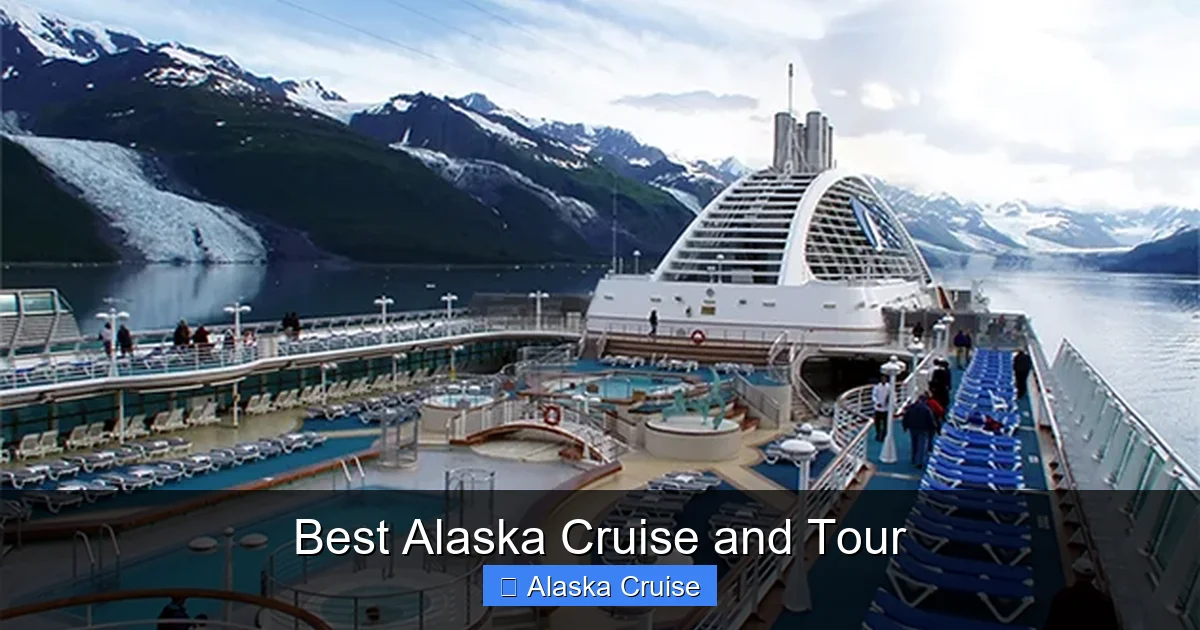
Visual guide about Best Alaska Cruise and Tour
Image source: images.r.cruisecritic.com
With so many cruise lines offering Alaska itineraries, picking the right one can feel overwhelming. Each company has its own style, amenities, and focus, so it’s important to match your preferences with the right cruise experience. The best Alaska cruise and tour isn’t just about the ship—it’s about the overall journey, from onboard service to shore excursions.
Top Cruise Lines for Alaska
Holland America Line is a favorite among travelers seeking a more traditional, relaxed cruise experience. Known for its elegant ships and attentive service, Holland America offers longer itineraries that spend more time in key ports like Juneau and Ketchikan. Their ships often feature enrichment programs, including lectures by naturalists and historians, making them ideal for travelers who want to learn as much as they explore.
Princess Cruises is another top contender, especially for those who want a balance of comfort and adventure. Princess operates a fleet of modern ships and offers a wide range of shore excursions, from dog sledding on glaciers to flightseeing tours over Denali. One of their standout features is the “North to Alaska” program, which includes local cuisine, live music, and cultural performances that celebrate Alaskan heritage.
Royal Caribbean appeals to families and active travelers with its larger ships and extensive onboard activities. While their Alaska cruises may feel more resort-like, they still offer excellent access to key destinations. Their ships feature rock climbing walls, surf simulators, and multiple dining options, making them a great choice if you want entertainment between ports.
For a more intimate experience, consider smaller lines like UnCruise Adventures or Lindblad Expeditions. These companies operate smaller vessels that can navigate narrow channels and remote areas larger ships can’t reach. They focus on immersive, educational experiences, often with expert naturalists and photographers on board. While pricier, these cruises offer a deeper connection to Alaska’s wild side.
What to Look for in a Cruise Line
When comparing cruise lines, consider factors like ship size, itinerary length, and included amenities. Larger ships offer more dining and entertainment options but may spend less time in port. Smaller ships provide a cozier atmosphere and better access to remote areas but may have fewer onboard activities.
Also, check the cruise line’s environmental policies. Alaska’s ecosystem is fragile, and responsible tourism matters. Look for lines that follow strict waste management practices and support local conservation efforts.
Finally, read recent passenger reviews. Websites like Cruise Critic and TripAdvisor offer honest insights from travelers who’ve recently sailed. Pay attention to comments about food quality, cabin comfort, and the helpfulness of staff.
Best Time to Take an Alaska Cruise
Timing is everything when it comes to Alaska. The cruise season runs from May to September, but each month offers a different experience. Choosing the best time for your Alaska cruise and tour depends on your priorities—whether it’s weather, wildlife, or fewer crowds.
May and Early June: Shoulder Season Advantages
May and early June mark the beginning of the cruise season. The weather is cooler, with daytime temperatures ranging from 45°F to 60°F, but the scenery is stunning. Snow still caps the mountains, and waterfalls are at their peak flow from melting ice. Wildlife is active, and you’re likely to see bears emerging from hibernation and migratory birds arriving.
One major advantage of traveling in May is fewer crowds. Ships are less full, ports are quieter, and excursions are easier to book. Prices are also lower compared to peak summer months. However, some remote tours or lodges may not yet be open, so check availability in advance.
Mid-June to August: Peak Season
July is the busiest month for Alaska cruises. The weather is at its warmest, with temperatures often reaching the 70s. Daylight lasts nearly 20 hours, giving you plenty of time to explore. This is the best time for wildlife viewing—whales are abundant, bears are fishing for salmon, and puffins are nesting along the coast.
But popularity comes with trade-offs. Ports can be crowded, especially in Skagway and Juneau. Popular excursions, like helicopter tours or whale-watching trips, book up quickly. If you’re traveling during this time, book your cruise and tours at least 6–12 months in advance.
September: Fall Colors and Fewer Tourists
September offers a quieter, more serene Alaska experience. The summer crowds have thinned, and the landscape begins to shift into fall colors. While temperatures drop—ranging from 40°F to 60°F—the crisp air and golden foliage create a magical atmosphere.
Wildlife is still active, and you may have better chances of spotting bears as they prepare for winter. Some cruise lines offer special “shoulder season” deals in September, making it a great time for budget-conscious travelers. Just be prepared for cooler weather and the possibility of rain.
Top Ports of Call on an Alaska Cruise
One of the highlights of any Alaska cruise is the variety of ports you’ll visit. Each stop offers a unique blend of natural beauty, history, and culture. Here are the must-see destinations on the best Alaska cruise and tour itineraries.
Juneau: The Capital City with Wild Surroundings
Juneau is Alaska’s capital, but don’t expect a bustling metropolis. This charming city is nestled between the mountains and the sea, accessible only by boat or plane. It’s a gateway to some of Alaska’s most iconic experiences, including the Mendenhall Glacier and whale-watching tours.
The Mendenhall Glacier is a 13-mile-long river of ice that’s easily accessible via a short hike or visitor center. You can walk along well-maintained trails, take a guided tour, or even kayak near the glacier’s face. Just remember to keep a safe distance—calving glaciers can be dangerous.
Whale-watching is another Juneau highlight. Humpback whales, orcas, and even gray whales frequent the waters around the city. Many tours depart from the downtown marina and last 3–4 hours. Bring a camera and dress warmly—even in summer, it can be chilly on the water.
Skagway: A Step Back into the Gold Rush Era
Skagway looks like it’s been frozen in time since the late 1800s. This historic town was a major hub during the Klondike Gold Rush, and many of its wooden boardwalks and false-front buildings remain intact. Walking through Skagway feels like stepping into a Western movie.
One of the most popular activities is the White Pass and Yukon Route Railway. This narrow-gauge railroad climbs nearly 3,000 feet through steep mountain passes, offering breathtaking views of waterfalls, glaciers, and valleys. The journey takes about 3 hours round-trip and includes a narrated history of the gold rush.
For adventure seekers, dog sledding is a must. Several operators offer helicopter rides to a glacier, where you can meet sled dogs and even take a short ride. It’s a thrilling way to experience Alaska’s iconic mode of transportation.
Ketchikan: The Salmon Capital of the World
Ketchikan is known as the “Salmon Capital of the World,” and it’s easy to see why. The city sits at the southern tip of the Inside Passage and is surrounded by rivers teeming with salmon. It’s also a cultural hub for Alaska Native communities, particularly the Tlingit, Haida, and Tsimshian peoples.
A visit to Totem Bight State Historical Park is a great way to learn about Indigenous art and history. The park features restored totem poles and a traditional clan house. Many cruise lines also offer cultural performances, where dancers in regalia share stories through song and dance.
For nature lovers, a trip to Misty Fjords National Monument is unforgettable. This protected area features sheer cliffs, cascading waterfalls, and pristine lakes. Most tours involve a seaplane or boat ride, offering panoramic views of the rugged landscape.
Glacier Bay National Park: A UNESCO World Heritage Site
Glacier Bay is one of the most spectacular stops on any Alaska cruise. This UNESCO World Heritage Site is home to over a dozen active glaciers, including the massive Margerie and Lamplugh Glaciers. Ships typically spend a full day cruising through the park, allowing passengers to witness calving events up close.
National Park Service rangers come aboard to provide commentary and answer questions. They’ll point out wildlife like sea otters, harbor seals, and bald eagles. On clear days, you might even spot mountain goats on the cliffs above.
Because Glacier Bay is a protected area, only a limited number of ships are allowed each day. This helps preserve the ecosystem and ensures a more peaceful experience for passengers. Be sure to bring binoculars and a camera—you’ll want to capture every moment.
Combining Cruise with a Land Tour: The Ultimate Alaska Experience
While a cruise offers incredible coastal views, it only scratches the surface of Alaska’s vast interior. To truly experience the state, many travelers combine their cruise with a land tour. This “cruise and tour” package allows you to explore inland destinations like Denali National Park, Fairbanks, and Anchorage.
Why Add a Land Tour?
A land tour gives you access to areas that ships can’t reach. Denali National Park, home to North America’s tallest peak, is a prime example. Here, you can spot grizzly bears, moose, caribou, and Dall sheep in their natural habitat. Many tours include a bus ride deep into the park, where you’ll have opportunities for hiking, photography, and wildlife viewing.
Other popular land destinations include the Kenai Fjords, where you can take a boat tour to see glaciers and marine life, and the Matanuska Glacier, which you can actually walk on with proper gear and a guide.
Popular Cruise and Tour Packages
Several cruise lines offer pre-packaged cruise and tour combinations. Princess Cruises, for example, offers a “Consecutive Cruise and Tour” option, where you disembark in one city and rejoin the ship in another after exploring the interior. Their tours often include stays at luxury lodges, train rides on the Alaska Railroad, and guided excursions.
Holland America also offers extended land tours, including visits to Denali, Fairbanks, and the Arctic Circle. Their “Land and Sea” packages are designed to provide a seamless experience, with transportation, accommodations, and meals all included.
Independent travelers can also book land tours separately. Companies like Alaska Tour & Travel or Go Alaska offer customizable itineraries, allowing you to choose your destinations, activities, and lodging preferences.
Tips for Planning a Cruise and Tour
When combining a cruise with a land tour, timing is crucial. Most packages are designed so that your land tour begins the day after you disembark. Make sure your flights align with the tour schedule to avoid delays.
Also, consider the length of your land tour. Most range from 3 to 7 days, depending on how many destinations you want to visit. Longer tours offer more depth but require more time and budget.
Finally, pack appropriately. While your cruise may have a casual dress code, land tours often involve outdoor activities. Bring sturdy hiking shoes, warm layers, and rain gear—even in summer, weather in the interior can be unpredictable.
Packing Essentials for Your Alaska Cruise
Packing for Alaska requires preparation. The weather can change quickly, and you’ll be spending a lot of time outdoors. Here’s what to bring for the best Alaska cruise and tour experience.
Clothing: Dress in Layers
The key to staying comfortable in Alaska is layering. Start with a moisture-wicking base layer, add an insulating mid-layer like fleece, and top it off with a waterproof outer shell. Even in summer, temperatures can drop, especially on the water or at higher elevations.
Don’t forget a warm hat, gloves, and a scarf. These small items can make a big difference on chilly mornings or during glacier viewing.
Footwear: Comfort and Traction
You’ll be doing a lot of walking—on ships, in ports, and on trails. Bring comfortable, broken-in shoes with good traction. Waterproof hiking boots are ideal for shore excursions, while casual shoes work well for onboard activities.
Gear and Accessories
Binoculars are a must for wildlife and glacier viewing. A compact pair can help you spot whales, bears, and eagles from a distance.
A good camera with a zoom lens is also essential. Many moments in Alaska are fleeting—like a whale breaching or a glacier calving—so be ready to capture them.
Don’t forget sunscreen and sunglasses. Even on cloudy days, UV rays can be strong, especially near water and snow.
Other Essentials
Bring a reusable water bottle to stay hydrated. Most ships have water stations, and it’s eco-friendly.
A small daypack is useful for carrying essentials during shore excursions. Look for one with a waterproof cover or bring a rain sleeve.
Finally, pack any necessary medications and a basic first-aid kit. While ships have medical facilities, it’s best to be prepared.
Tips for Maximizing Your Alaska Cruise Experience
To get the most out of your trip, a little planning goes a long way. Here are some practical tips for making your Alaska cruise and tour unforgettable.
Book Shore Excursions Early
Popular excursions—like helicopter tours, dog sledding, and whale watching—sell out quickly, especially during peak season. Book them as soon as your cruise is confirmed, either through the cruise line or a trusted third-party provider.
Arrive a Day Early
Flights to Alaska can be delayed due to weather. Arriving a day before your cruise gives you a buffer and allows time to explore the departure city, whether it’s Seattle, Vancouver, or Anchorage.
Talk to the Crew
Cruise staff, especially naturalists and excursion guides, are full of local knowledge. Ask them for recommendations on hidden gems, the best photo spots, or where to see wildlife.
Be Flexible
Weather in Alaska is unpredictable. Tours may be canceled or rerouted due to rain, wind, or rough seas. Stay flexible and have backup plans. Sometimes, the best experiences come from unexpected changes.
Respect the Environment
Alaska’s wilderness is fragile. Follow Leave No Trace principles: stay on marked trails, don’t feed wildlife, and dispose of waste properly. Help preserve this incredible destination for future travelers.
Conclusion
The best Alaska cruise and tour is more than just a vacation—it’s an adventure into one of the world’s last great wildernesses. From the towering glaciers of Glacier Bay to the historic streets of Skagway, every moment in Alaska feels larger than life. Whether you’re cruising the Inside Passage or exploring Denali by land, you’ll be surrounded by natural beauty, rich culture, and unforgettable wildlife.
Choosing the right cruise line, timing your trip well, and packing smart can make all the difference. And by combining your cruise with a land tour, you’ll gain a fuller, more immersive experience of this remarkable state.
Alaska doesn’t just show you a new place—it changes the way you see the world. So pack your bags, bring your sense of wonder, and get ready for the journey of a lifetime.
Frequently Asked Questions
What is the best month to take an Alaska cruise?
The best month depends on your preferences. July offers the warmest weather and peak wildlife activity, while May and September provide fewer crowds and lower prices. June is a great balance of good weather and manageable crowds.
Do I need a passport for an Alaska cruise?
If your cruise departs and returns to the same U.S. port (like Seattle or Vancouver), a passport is not always required. However, it’s highly recommended in case of emergencies or itinerary changes. For cruises visiting Canada, a passport is usually required.
Can I see the Northern Lights on an Alaska cruise?
The Northern Lights are rarely visible during the cruise season (May–September) due to nearly 24-hour daylight. For the best chance to see them, visit Alaska in the winter months, typically from late September to March.
Are Alaska cruises family-friendly?
Yes, many cruise lines offer family-friendly activities, kids’ clubs, and educational programs. Royal Caribbean and Disney Cruise Line are particularly popular with families. Shore excursions can be adapted for all ages.
How much should I budget for an Alaska cruise?
Budget at least $150–$300 per person per day, including the cruise fare, excursions, drinks, and gratuities. Land tours and flights can add $1,000–$3,000 or more, depending on length and luxury level.
Is it safe to travel to Alaska?
Yes, Alaska is generally safe for travelers. Crime rates in port cities are low, and cruise ships follow strict safety protocols. Just be cautious in the wilderness—keep a safe distance from wildlife and follow guide instructions.