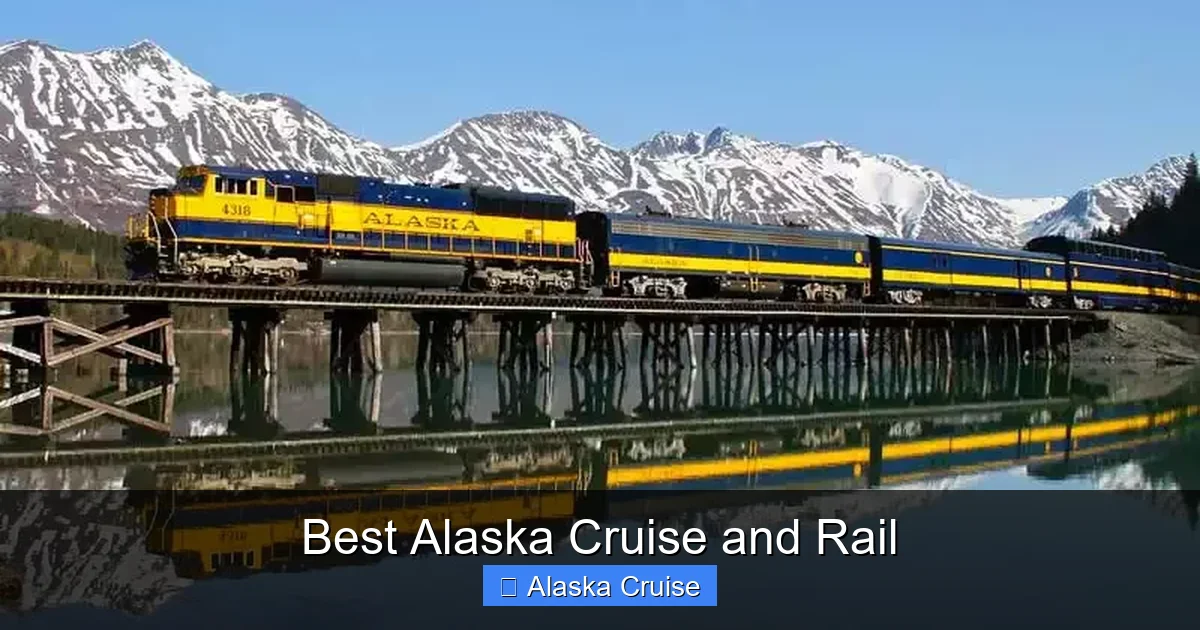
Experience the ultimate Alaska adventure with a cruise and rail combo that blends coastal beauty with inland wilderness. Glide past towering glaciers by sea, then ride historic trains through mountain passes and lush forests for an unforgettable journey.
Dreaming of snow-capped peaks, icy fjords, and wild moose grazing beside a rushing river? Alaska delivers all that and more—especially when you combine a cruise with a scenic train journey. A best Alaska cruise and rail adventure isn’t just a vacation; it’s a front-row seat to one of the world’s last great wildernesses. Whether you’re sipping coffee on a ship’s deck as a glacier calves into the sea or gazing out a train window at endless spruce forests, this trip offers moments you’ll replay in your mind for years.
What makes the cruise and rail combo so special? It’s simple: you get two completely different perspectives of Alaska’s vast beauty. The cruise lets you explore the rugged coastline, dotted with charming towns like Juneau and Ketchikan, while the train takes you deep into the heart of the state—past Denali National Park, through mountain tunnels, and alongside rushing rivers. Together, they create a balanced, immersive experience that no single mode of travel could match. Plus, you avoid backtracking, making your time in Alaska efficient and stress-free.
Key Takeaways
- Best of Both Worlds: A cruise and rail trip offers coastal and inland views, maximizing Alaska’s diverse landscapes.
- Top Routes: Popular itineraries include Seattle to Denali via Inside Passage cruises and the Alaska Railroad.
- Wildlife & Nature: Spot whales, bears, moose, and eagles from ships and train windows.
- Comfort & Scenery: Modern trains like the Coastal Classic offer panoramic views and onboard commentary.
- Best Time to Go: June to August offers mild weather, long days, and peak wildlife activity.
- Book Early: Cruises and rail tours fill quickly, especially for summer departures.
- Pack Smart: Layers, rain gear, and binoculars are essential for changing mountain and coastal weather.
📑 Table of Contents
Why Choose a Cruise and Rail Combo?
Alaska is huge—over twice the size of Texas—and getting around can be a challenge. Driving the entire state isn’t practical for most travelers, and flying between destinations eats up time and limits your views. That’s where the cruise and rail combo shines. It’s a seamless way to cover ground while soaking in the scenery, all without the hassle of constant packing and unpacking.
Imagine this: you board a cruise in Seattle, sail through the calm waters of the Inside Passage, and disembark in Seward. From there, you hop on the Alaska Railroad’s Coastal Classic route, winding through Kenai Fjords National Park with glaciers on one side and the ocean on the other. Or, you might cruise to Whittier and take the train north to Denali, where you’ll spend a few days exploring the park before returning by rail. These connections are designed to work together, often with coordinated schedules and luggage transfers.
Another big perk? Comfort. Modern cruise ships offer everything from fine dining to live entertainment, while Alaska’s trains feature large windows, dome cars, and knowledgeable guides who share stories about the land, wildlife, and history. You’re not just traveling—you’re learning and relaxing at the same time. And because both modes of transport follow well-established routes, you’re guaranteed to see the highlights without the stress of planning every detail.
Efficiency and Convenience
One of the biggest advantages of a cruise and rail trip is how it simplifies logistics. Instead of renting a car, booking multiple hotels, and figuring out ferries or flights, you let the cruise line and railroad handle the transitions. Many tour operators offer packaged deals that include your cruise, train tickets, hotel stays, and even excursions—all in one booking. This is especially helpful if you’re short on time or prefer a more guided experience.
For example, Holland America and Princess Cruises both offer land-and-sea packages that start in Seattle or Vancouver, include a 7-day Inside Passage cruise, and then connect to a 2- to 4-day rail journey into Denali or Fairbanks. These packages often include transfers, meals, and guided tours, so you can focus on enjoying the views instead of managing details.
Unique Perspectives
Traveling by sea and rail gives you access to places you simply can’t reach by road. Glaciers like Hubbard and Mendenhall are best viewed from the water, where their sheer size and power are truly awe-inspiring. Meanwhile, the train takes you into remote areas where few tourists venture—like the Nenana River canyon or the trestle bridges near Talkeetna. You’ll see Alaska from angles that most visitors never experience.
And let’s not forget the wildlife. On a cruise, you might spot humpback whales breaching or sea otters floating on their backs. On the train, you could see a grizzly bear fishing for salmon or a moose wading through a marsh. Each mode of travel offers its own set of natural wonders, making the combo trip incredibly rich in experiences.
Top Cruise and Rail Itineraries
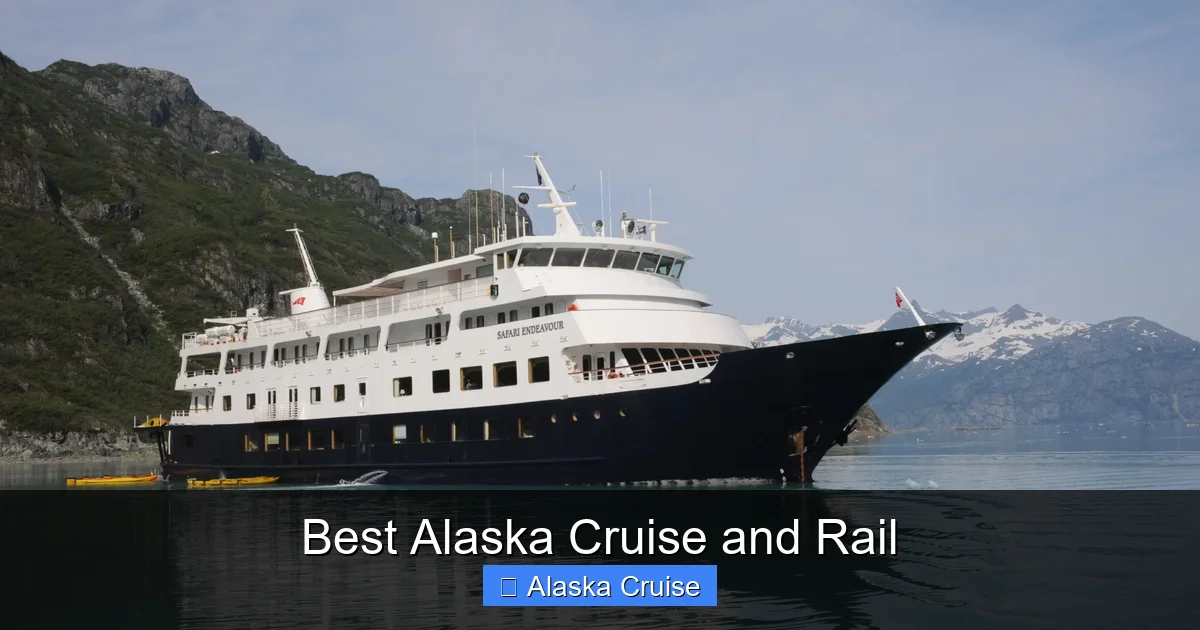
Visual guide about Best Alaska Cruise and Rail
Image source: alaskatours.com
Not all Alaska cruise and rail trips are created equal. The best ones are carefully designed to maximize scenery, minimize travel time, and include must-see destinations. Here are a few of the most popular and highly rated itineraries that deliver on all fronts.
Seattle to Denali: The Classic Combo
This is one of the most popular routes for first-time visitors. You start in Seattle, board a cruise ship, and sail north through the Inside Passage. Stops typically include Ketchikan (known for its totem poles and rainforests), Juneau (the capital, accessible only by boat or plane), and Skagway (a Gold Rush-era town with historic charm). After disembarking in Seward or Whittier, you transfer to the Alaska Railroad for a scenic ride to Denali National Park.
The train journey from Seward to Denali takes about 8 hours and is packed with highlights. You’ll pass through Kenai Fjords, cross the Hurricane Gulch Bridge—one of the tallest railroad bridges in the U.S.—and wind through the Alaska Range with Denali (formerly Mount McKinley) towering in the distance. Many travelers spend 2-3 days in Denali, taking a bus tour into the park for wildlife viewing and hiking, before returning by train to Anchorage or Fairbanks.
Vancouver to Fairbanks: The Extended Adventure
For travelers who want to go deeper into Alaska, this itinerary starts in Vancouver, Canada, and ends in Fairbanks, the “Golden Heart City.” The cruise portion covers the same Inside Passage highlights, but the rail segment is longer and more immersive. After cruising to Whittier, you take the train north through Anchorage, Talkeetna, and finally Denali, with an optional extension to Fairbanks.
This route is ideal for nature lovers and photographers. The train ride from Denali to Fairbanks follows the Tanana River and passes through boreal forests and tundra, offering a glimpse of Alaska’s interior wilderness. Fairbanks itself is a great base for exploring the Arctic Circle or catching the northern lights in late summer.
Round-Trip from Anchorage: The Local Experience
If you’re flying into Anchorage and want to explore central Alaska, a round-trip cruise and rail adventure might be perfect. You can take a one-way cruise from Whittier to Vancouver or Seattle, then fly back to Anchorage and hop on the train to Denali. Or, reverse it: start with the train to Denali, spend a few days there, then take the train to Seward and board a cruise home.
This option gives you more flexibility and lets you experience Alaska like a local. You’ll see how residents live in small towns like Talkeetna, where artists and outdoors enthusiasts thrive, and how the railroad connects remote communities. It’s a more relaxed pace, ideal for travelers who want to linger and explore at their own rhythm.
Best Time to Take an Alaska Cruise and Rail Trip
Timing is everything when it comes to Alaska. The state’s short summer season means your window for ideal weather and wildlife sightings is limited—but oh, what a window it is.
Peak Season: June to August
These are the most popular months for a reason. Daylight stretches up to 19 hours in June, temperatures hover in the 60s°F (15–20°C), and wildlife is active. Bears fish for salmon, whales migrate north, and wildflowers blanket the tundra. Cruise ships run daily, and train service is frequent, making it easy to find availability.
July is especially magical. The weather is usually at its best, and many cruise lines offer special events like glacier viewing parties or onboard naturalist talks. Just be prepared for crowds—popular spots like Mendenhall Glacier and Denali National Park can get busy.
Shoulder Seasons: May and September
If you prefer fewer people and don’t mind cooler temps, consider traveling in May or September. In May, the landscape is lush and green, and you might catch the tail end of the spring migration. September brings stunning fall colors, especially in the interior, and a chance to see the northern lights as nights grow longer.
Keep in mind that some services may be reduced during these months. Not all cruise ships operate in May, and the train schedule might be less frequent in September. But for travelers seeking solitude and unique photo opportunities, the shoulder seasons are a hidden gem.
What to Avoid
Avoid traveling in winter unless you’re specifically going for aurora viewing or dog sledding. Most cruise lines don’t operate from October to April, and the Alaska Railroad runs limited service. Roads may be icy, and many attractions are closed. Summer is simply the best time to experience the full Alaska cruise and rail adventure.
What to Expect on the Train
The Alaska Railroad is more than just transportation—it’s an experience in itself. Since its completion in 1923, the railroad has connected remote communities and brought tourists to the heart of Alaska’s wilderness. Today, it’s one of the most scenic train rides in the world.
Routes and Classes of Service
The railroad operates several key routes, each with its own character:
– **Coastal Classic:** Runs between Anchorage and Seward, passing through Kenai Fjords. Perfect for cruise connections.
– **Denali Star:** The most popular route, linking Anchorage and Fairbanks via Denali National Park. Offers dome cars and open-air viewing platforms.
– **Glacier Discovery:** A shorter scenic ride from Anchorage to Whittier, ideal for day trips or cruise transfers.
– **Hurricane Turn:** A historic flag-stop train that serves remote cabins and offers a true backcountry experience (seasonal).
Most trains offer two classes: Adventure Class and GoldStar Service. Adventure Class includes comfortable seating and large windows. GoldStar adds a glass-domed upper level, outdoor viewing platform, and included meals with Alaska-inspired cuisine. For the best views and comfort, GoldStar is worth the upgrade.
Onboard Experience
Trains are equipped with restrooms, snack bars, and knowledgeable guides who provide commentary throughout the journey. You’ll learn about the geology, history, and wildlife of the areas you’re passing through. Many travelers bring binoculars and cameras, as wildlife sightings are common—especially near rivers and open tundra.
The pace is slow and relaxed. There’s no Wi-Fi or cell service in many areas, which encourages you to disconnect and truly enjoy the moment. It’s a chance to unplug, breathe in the crisp mountain air, and watch the world go by at a human pace.
Tips for Train Travel
– Book early, especially for GoldStar seats—they sell out fast.
– Bring layers. Even in summer, mountain areas can be chilly.
– Pack snacks and water, though meals are available on longer routes.
– Use the restroom before scenic stretches—stops are limited.
– Sit on the right side of the train (southbound) for the best mountain views.
Packing Essentials for Your Alaska Adventure
Alaska’s weather is famously unpredictable. One minute it’s sunny, the next it’s raining—even in summer. Packing smart ensures you stay comfortable and ready for anything.
Clothing
– **Base layers:** Moisture-wicking tops and bottoms.
– **Insulating layers:** Fleece or down jacket.
– **Outer shell:** Waterproof and windproof jacket and pants.
– **Comfortable shoes:** Waterproof hiking boots or sturdy sneakers.
– **Hat and gloves:** Even in summer, mornings can be cold.
– **Swimwear:** For hot tubs on the cruise or natural hot springs.
Gear and Accessories
– **Binoculars:** Essential for spotting wildlife from a distance.
– **Camera with extra batteries:** You’ll take more photos than you think.
– **Reusable water bottle:** Stay hydrated on excursions.
– **Daypack:** For carrying essentials during shore tours or train rides.
– **Sunscreen and sunglasses:** The sun reflects off snow and water.
Documents and Extras
– Passport (required for Canadian ports like Vancouver).
– Cruise and rail tickets (digital and printed copies).
– Travel insurance documents.
– Medications and a small first-aid kit.
Making the Most of Your Trip
A best Alaska cruise and rail trip is about more than just transportation—it’s about immersion. Here’s how to get the most out of your adventure.
Book Shore Excursions Wisely
Cruise lines offer a range of excursions, from whale watching and glacier hikes to dog sledding on a glacier (via helicopter). Choose activities that match your interests and fitness level. For example, a kayak tour in Ketchikan is great for active travelers, while a wildlife cruise in Juneau suits those who prefer a more relaxed pace.
Take Time in Denali
Don’t rush through Denali National Park. Even if you only have one full day, take the park bus tour—it’s the best way to see wildlife and go deeper into the wilderness. The further you go, the fewer people you’ll see and the more likely you are to spot bears, caribou, or even a wolf.
Talk to Locals
Alaskans are proud of their state and love sharing stories. Strike up a conversation with a train conductor, a shop owner in Talkeetna, or a park ranger. You’ll learn insider tips and hear tales that don’t make it into guidebooks.
Embrace the Unexpected
Weather can delay cruises or close trails. Wildlife might block the train tracks (it happens!). Instead of stressing, see these moments as part of the adventure. Some of the best travel stories come from the unplanned detours.
Conclusion
A best Alaska cruise and rail journey is more than a trip—it’s a once-in-a-lifetime experience that combines the drama of the coast with the grandeur of the interior. From the moment you sail past a calving glacier to the quiet awe of watching a moose cross a river from your train window, every mile tells a story. With careful planning, the right itinerary, and a spirit of adventure, you’ll return home with memories that last a lifetime—and maybe even a few new favorite photos for your screensaver.
Frequently Asked Questions
What is the best time of year for an Alaska cruise and rail trip?
The best time is from June to August, when weather is mild, daylight is long, and wildlife is most active. May and September offer fewer crowds and unique scenery, but services may be limited.
How long should my Alaska cruise and rail trip be?
Most travelers spend 10 to 14 days total—7 days on the cruise and 3 to 7 days on land, including train travel and time in Denali or other destinations.
Do I need a passport for an Alaska cruise and rail trip?
Yes, if your cruise departs from or visits Canadian ports like Vancouver, a passport is required. U.S.-only cruises may not require one, but it’s recommended to carry it.
Can I do the cruise and rail trip in reverse?
Absolutely. Many travelers start with the train to Denali, then take a cruise home. This works well if you’re flying into Anchorage or Fairbanks.
Are meals included on the Alaska Railroad?
Meals are included in GoldStar Service. Adventure Class passengers can purchase food onboard, but options are limited, so bringing snacks is wise.
Is travel insurance recommended?
Yes. Alaska trips can be affected by weather delays, and excursions may be canceled. Travel insurance helps cover unexpected changes and medical needs.