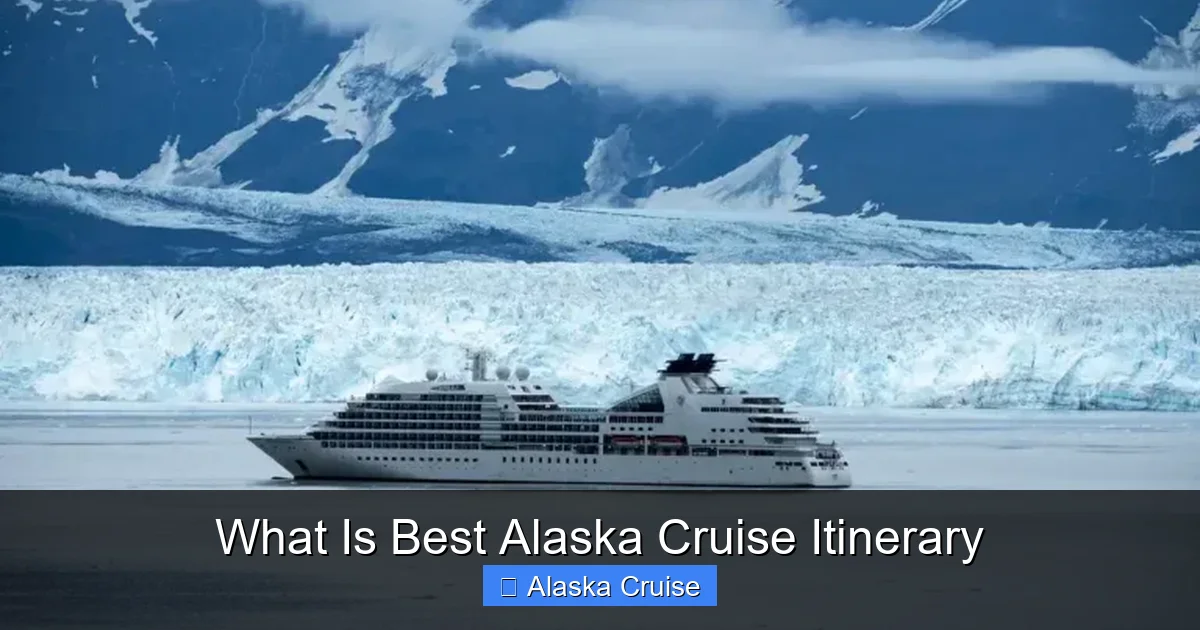
Choosing the best Alaska cruise itinerary depends on your travel style, interests, and time available. Whether you crave glacier views, wildlife encounters, or cultural experiences, Alaska offers unforgettable journeys along its rugged coastline. This guide breaks down top routes, ports, and tips to help you pick the perfect voyage.
Key Takeaways
- Round-trip vs. one-way cruises: Round-trip itineraries from Seattle or Vancouver offer convenience, while one-way cruises (like Seattle to Seward) allow deeper exploration with land tours.
- Inside Passage vs. Gulf of Alaska routes: Inside Passage cruises focus on lush forests and coastal towns, while Gulf routes reach glaciers like Hubbard and Glacier Bay.
- Best time to cruise: May to September offers mild weather, long daylight hours, and peak wildlife activity—July and August are busiest but most reliable.
- Must-visit ports: Juneau, Skagway, Ketchikan, and Glacier Bay National Park are staples, each offering unique culture, history, and natural wonders.
- Shore excursions matter: Book wildlife tours, glacier hikes, or cultural experiences in advance—popular options sell out quickly.
- Cruise line differences: Luxury lines like Seabourn offer intimate experiences, while family-friendly brands like Royal Caribbean provide more onboard activities.
- Pack smart: Layers, waterproof gear, and binoculars are essential—Alaska’s weather changes fast, even in summer.
📑 Table of Contents
- What Is the Best Alaska Cruise Itinerary? A Complete Guide
- Understanding Alaska Cruise Routes: Inside Passage vs. Gulf of Alaska
- Round-Trip vs. One-Way Cruises: Which Is Right for You?
- Top Ports of Call: What to Expect in Each Destination
- Best Time to Cruise Alaska: Timing Your Trip
- Choosing the Right Cruise Line: Luxury, Family, or Adventure?
- Packing Tips and What to Bring
- Conclusion: Finding Your Perfect Alaska Cruise Itinerary
What Is the Best Alaska Cruise Itinerary? A Complete Guide
Dreaming of towering glaciers, breaching whales, and misty fjords? An Alaska cruise delivers some of the most breathtaking scenery on Earth. But with so many routes, cruise lines, and departure cities, figuring out the best Alaska cruise itinerary can feel overwhelming. Don’t worry—you’re not alone. Whether you’re a first-time cruiser or a seasoned traveler, this guide will help you navigate the options and choose the perfect voyage for your adventure.
Alaska’s coastline stretches over 6,000 miles, offering a mix of rugged wilderness, charming towns, and awe-inspiring natural phenomena. From the lush rainforests of the Inside Passage to the icy grandeur of the Gulf of Alaska, each route tells a different story. The “best” itinerary isn’t one-size-fits-all—it depends on what you want to see, how much time you have, and your travel style. Some travelers prioritize glacier viewing, while others seek cultural immersion or wildlife spotting. By understanding the key differences between routes, ports, and cruise types, you can tailor your trip to match your ideal Alaskan experience.
Understanding Alaska Cruise Routes: Inside Passage vs. Gulf of Alaska
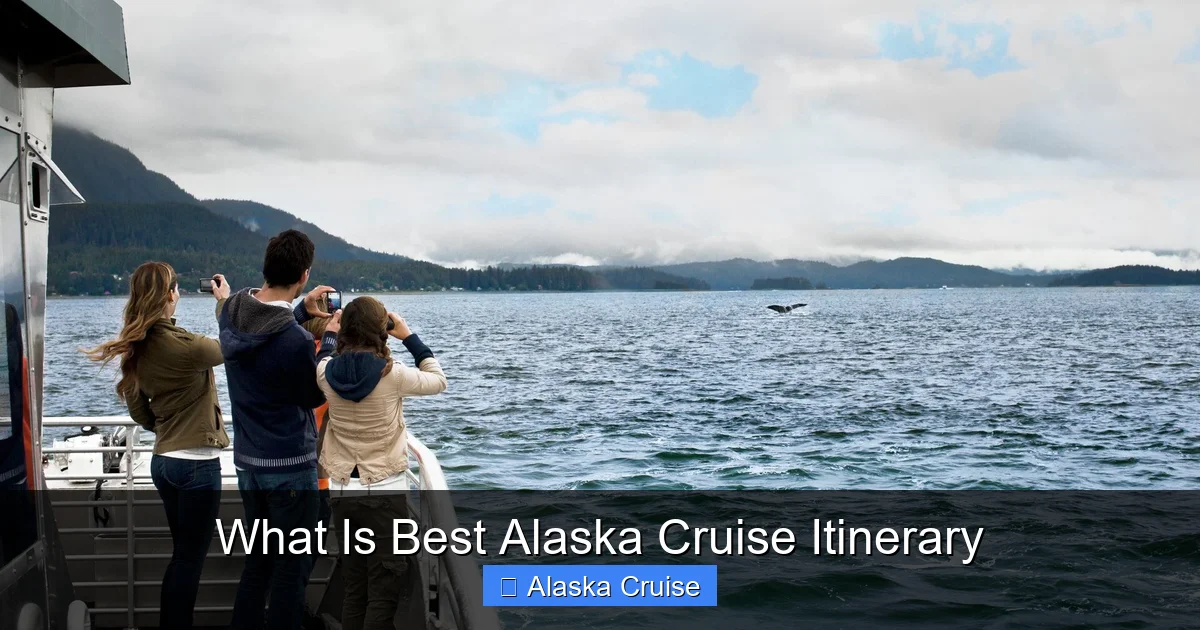
Visual guide about What Is Best Alaska Cruise Itinerary
Image source: celebritycruises.com
When planning your Alaska cruise, the first decision is choosing your route. The two main types are the Inside Passage and the Gulf of Alaska—each offering distinct landscapes and experiences.
Inside Passage Cruises: Lush Coastlines and Coastal Towns
The Inside Passage is the most popular route for first-time Alaska cruisers. This scenic waterway winds through narrow channels lined with dense forests, waterfalls, and small communities. Cruises typically depart from Seattle or Vancouver and visit ports like Ketchikan, Juneau, and Skagway. These itineraries are ideal if you love coastal scenery, quaint towns, and opportunities for kayaking, fishing, or exploring Native culture.
One of the biggest advantages of the Inside Passage is its accessibility. Ships stay close to shore, offering constant views of mountains, wildlife, and passing islands. You’ll often see eagles, seals, and even whales from the deck. Plus, the calm waters make for a smooth ride—great for those prone to seasickness.
However, the Inside Passage doesn’t reach the major glaciers like Glacier Bay or Hubbard Glacier. If glacier viewing is a top priority, you may want to consider a longer or one-way cruise that ventures further north.
Gulf of Alaska Cruises: Glaciers, Fjords, and Wild Landscapes
For a more dramatic and remote experience, the Gulf of Alaska route is unmatched. These cruises typically start in Seattle or Vancouver and end in Seward or Whittier (near Anchorage), or vice versa. This one-way format allows ships to travel further north, reaching iconic destinations like Glacier Bay National Park, Hubbard Glacier, and College Fjord.
The Gulf route is perfect for travelers who want to see massive tidewater glaciers calving into the sea. Hubbard Glacier, one of the most active glaciers in Alaska, often steals the show with thunderous ice collapses. Glacier Bay, a UNESCO World Heritage Site, offers pristine wilderness and abundant marine life, including humpback whales and sea otters.
Because these cruises cover more ground, they often include longer sea days. But don’t let that deter you—these are some of the most scenic sailing experiences in the world. With no land in sight for hours, you’ll feel truly immersed in the wild beauty of Alaska.
Round-Trip vs. One-Way Cruises: Which Is Right for You?
Another key factor in choosing the best Alaska cruise itinerary is deciding between a round-trip or one-way cruise. Each has its pros and cons, depending on your travel preferences and budget.
Round-Trip Cruises: Convenience and Simplicity
Round-trip cruises depart and return to the same port—usually Seattle or Vancouver. These are the most common and convenient option, especially for travelers who don’t want to deal with flights or land transfers at the end of their trip.
Most round-trip itineraries last 7 days and follow the Inside Passage route. They’re great for first-timers who want a taste of Alaska without committing to a longer journey. You’ll visit 3–4 ports, enjoy glacier viewing (often at Tracy Arm or Endicott Arm), and return home with minimal hassle.
The downside? Round-trip cruises don’t go as far north, so you’ll miss out on Glacier Bay and Hubbard Glacier unless the ship makes a special detour. Also, because they’re so popular, these cruises can feel crowded, especially in peak season.
One-Way Cruises: Deeper Exploration and Land Tour Options
One-way cruises, also known as “open-jaw” itineraries, start in one city and end in another—like Seattle to Seward or Vancouver to Whittier. These cruises are ideal for travelers who want a more immersive experience and are open to combining their voyage with a land tour.
After your cruise ends in Seward or Whittier, you can easily connect to Denali National Park via train or bus. This allows you to see Alaska’s interior, including the majestic Denali (formerly Mount McKinley), North America’s tallest peak. Many travelers extend their trip with a 2–5 day land tour, visiting Fairbanks, Anchorage, or the Kenai Fjords.
One-way cruises often last 7–10 days and include more glacier stops. They’re perfect for glacier enthusiasts and those who want to maximize their time in Alaska. However, they require more planning—you’ll need to book flights home from a different city and possibly arrange ground transportation.
Top Ports of Call: What to Expect in Each Destination
No Alaska cruise is complete without exploring its iconic ports. Each stop offers a unique blend of natural beauty, history, and adventure. Here’s what you can expect at the most popular destinations.
Ketchikan: The Salmon Capital of the World
Ketchikan is often the first stop on Inside Passage cruises. Known for its colorful totem poles, boardwalks, and rainforest setting, this charming town sits on the edge of the Tongass National Forest—the largest national forest in the U.S.
Don’t miss a visit to Totem Bight State Park or the Saxman Native Village, where you can learn about Tlingit culture and watch traditional dance performances. For adventure seekers, try a zipline tour through the canopy or a kayak trip to nearby Misty Fjords National Monument.
Ketchikan is also a prime spot for fishing. Many cruisers book a half-day salmon fishing excursion—even if you’ve never fished before, it’s a fun and rewarding experience.
Juneau: Alaska’s Capital City
Juneau is the only state capital in the U.S. that’s not accessible by road—you can only reach it by plane or boat. Nestled between mountains and water, Juneau offers a mix of urban amenities and wild landscapes.
One of the top attractions is the Mendenhall Glacier, a 13-mile-long glacier just 12 miles from downtown. You can hike the trails around the glacier, visit the visitor center, or take a guided ice trek. For wildlife lovers, a whale-watching tour is a must—Juneau is one of the best places in Alaska to see humpback whales feeding in the summer.
If you’re interested in history, visit the Alaska State Museum or take a trolley tour to learn about Juneau’s gold rush past. And don’t forget to try some local seafood—Juneau is famous for its fresh king crab and Dungeness crab.
Skagway: Gateway to the Klondike
Step back in time in Skagway, a well-preserved Gold Rush town that feels like a living museum. With its wooden sidewalks, historic buildings, and saloon-style bars, Skagway offers a glimpse into Alaska’s wild past.
The main attraction is the White Pass and Yukon Route Railway, a narrow-gauge railroad that climbs 2,865 feet through the mountains. The scenic train ride offers stunning views of waterfalls, gorges, and snow-capped peaks. It’s a must-do for history buffs and photographers alike.
For outdoor enthusiasts, Skagway offers hiking, dog sledding, and even gold panning. Many cruisers book a helicopter tour to see glaciers and remote wilderness from above.
Glacier Bay National Park: A UNESCO Treasure
Glacier Bay is one of the most spectacular stops on any Alaska cruise. This 3.3-million-acre park is home to over a dozen active glaciers, including the famous Margerie and Grand Pacific Glaciers. The park is a UNESCO World Heritage Site and a critical habitat for bears, whales, and seabirds.
Cruise ships enter the park slowly, allowing passengers to witness glaciers calving—huge chunks of ice breaking off and crashing into the water. It’s a powerful and unforgettable sight. Naturalist guides on board provide commentary, sharing insights about the park’s geology, wildlife, and conservation efforts.
Because Glacier Bay is a protected area, only a limited number of ships are allowed each day. If your itinerary includes Glacier Bay, consider yourself lucky—it’s one of the crown jewels of Alaska.
Hubbard Glacier: The Largest Tidewater Glacier
Hubbard Glacier is a highlight of Gulf of Alaska cruises. At over 70 miles long and nearly 7 miles wide at its face, it’s one of the largest and most active glaciers in North America. Ships often stop for several hours, giving passengers time to watch for calving events and take in the sheer scale of the ice.
The glacier is located near Yakutat Bay, where the Pacific Ocean meets the icy waters of the glacier. The contrast creates a stunning palette of blues, whites, and grays. Keep your camera ready—Hubbard Glacier is one of the most photographed natural wonders in Alaska.
Best Time to Cruise Alaska: Timing Your Trip
Choosing when to go can make or break your Alaska cruise experience. The cruising season runs from May to September, but each month offers something different.
May and June: Fewer Crowds and Lower Prices
Early season cruises in May and June are ideal for budget-conscious travelers. Prices are lower, and you’ll encounter fewer crowds at ports and on excursions. The weather is cooler, but you’ll still enjoy long daylight hours—up to 18 hours of sunlight in June.
Wildlife is active during this time, and you may see bears fishing for salmon or whales migrating north. However, some attractions and tours may not be fully operational yet, especially in remote areas.
July and August: Peak Season with Best Weather
July and August are the most popular months to cruise Alaska. The weather is warmest, with daytime temperatures ranging from 60°F to 70°F. This is the best time for outdoor activities like hiking, kayaking, and wildlife viewing.
However, peak season means higher prices and more tourists. Popular excursions—like whale watching or glacier hikes—can sell out weeks in advance. Book early to secure your spot.
September: Fall Colors and Quiet Ports
Late-season cruises in September offer a unique experience. The crowds have thinned, and the landscape begins to change with fall colors. The weather is still mild, though it can be rainier.
One advantage of September is that wildlife is especially active as animals prepare for winter. You may see bears foraging for berries or whales feeding in preparation for migration. Plus, many cruise lines offer discounts at the end of the season.
Choosing the Right Cruise Line: Luxury, Family, or Adventure?
Not all cruise lines are created equal. Your choice of cruise line can greatly impact your experience, from the size of the ship to the quality of service and onboard activities.
Luxury Cruise Lines: Intimate and High-End
Luxury lines like Seabourn, Silversea, and Regent Seven Seas offer smaller ships with fewer passengers, allowing for a more personalized experience. These cruises often include premium amenities like all-inclusive dining, spacious suites, and expert naturalist guides.
Luxury itineraries may include exclusive access to remote areas or private shore excursions. If you value comfort, service, and a quieter atmosphere, a luxury cruise might be the best Alaska cruise itinerary for you.
Mainstream Cruise Lines: Family-Friendly and Fun
Brands like Royal Caribbean, Norwegian Cruise Line, and Carnival offer larger ships with a wide range of activities—perfect for families or travelers who enjoy entertainment. These cruises feature multiple dining options, pools, theaters, and kids’ clubs.
Mainstream lines often have more frequent departures and competitive pricing. They’re a great choice if you want a lively atmosphere and plenty of onboard options.
Adventure and Expedition Cruises: Off the Beaten Path
For travelers seeking a more rugged experience, expedition cruises with lines like Lindblad Expeditions or UnCruise Adventures offer smaller ships and expert-led excursions. These cruises focus on wildlife, photography, and immersive learning.
Expedition ships can navigate narrower channels and visit remote areas that larger ships can’t reach. If you’re passionate about nature and want a more educational experience, this could be the best Alaska cruise itinerary for you.
Packing Tips and What to Bring
Alaska’s weather is famously unpredictable. Even in summer, temperatures can vary widely, and rain is common. Packing the right gear is essential for staying comfortable and making the most of your trip.
Layering Is Key
The golden rule for Alaska: dress in layers. Start with a moisture-wicking base layer, add an insulating mid-layer like a fleece, and top it off with a waterproof and windproof outer shell. This way, you can adjust as the weather changes.
Essential Gear
Don’t forget waterproof boots—many shore excursions involve walking on wet or muddy terrain. A good pair of binoculars is also a must for spotting wildlife from a distance. And always bring a reusable water bottle to stay hydrated during excursions.
Don’t Overpack
Cruise cabins are small, so pack light. Most ships have laundry facilities, and you’ll likely spend more time in your excursion clothes than formal wear. Stick to casual, comfortable clothing and a few nicer outfits for dinner.
Conclusion: Finding Your Perfect Alaska Cruise Itinerary
So, what is the best Alaska cruise itinerary? The answer depends on you. If you want convenience and a taste of coastal Alaska, a 7-day round-trip cruise through the Inside Passage might be ideal. If you’re chasing glaciers and don’t mind a bit more planning, a one-way Gulf of Alaska cruise with a land tour extension could be your dream trip.
Consider your priorities: Do you want to see whales, hike on glaciers, or learn about Native culture? Are you traveling with kids, or looking for a quiet, luxurious escape? By matching your interests with the right route, cruise line, and timing, you can create an unforgettable Alaskan adventure.
No matter which itinerary you choose, one thing is certain: Alaska will leave you in awe. From the thunder of calving glaciers to the silence of a misty fjord, the Last Frontier offers experiences that stay with you long after the cruise ends. Start planning today—your perfect Alaska cruise is waiting.
Frequently Asked Questions
What is the best month to take an Alaska cruise?
July and August offer the best weather, longest daylight hours, and peak wildlife activity, making them the most popular months. However, May and September provide fewer crowds and lower prices, with still-reliable conditions.
Can you see glaciers on an Inside Passage cruise?
Yes, but not the major ones like Glacier Bay or Hubbard Glacier. Inside Passage cruises often visit Tracy Arm or Endicott Arm, where you can see smaller tidewater glaciers and fjords.
Do I need to book shore excursions in advance?
Yes, especially for popular activities like whale watching, glacier hikes, or dog sledding. These tours often sell out weeks before departure, so booking early ensures you get your top choices.
What should I wear on an Alaska cruise?
Pack layers, including a waterproof jacket, fleece, and moisture-wicking base layers. Waterproof boots and binoculars are also essential for comfort and wildlife viewing.
Are Alaska cruises family-friendly?
Absolutely. Mainstream cruise lines like Royal Caribbean and Norwegian offer kids’ clubs, family activities, and entertainment. Many excursions are suitable for all ages, making Alaska a great destination for families.
Can you visit Denali National Park on a cruise?
Not directly, but many one-way cruises end in Seward or Whittier, where you can easily connect to Denali via train or bus. Combining a cruise with a land tour is the best way to see both coastal and interior Alaska.