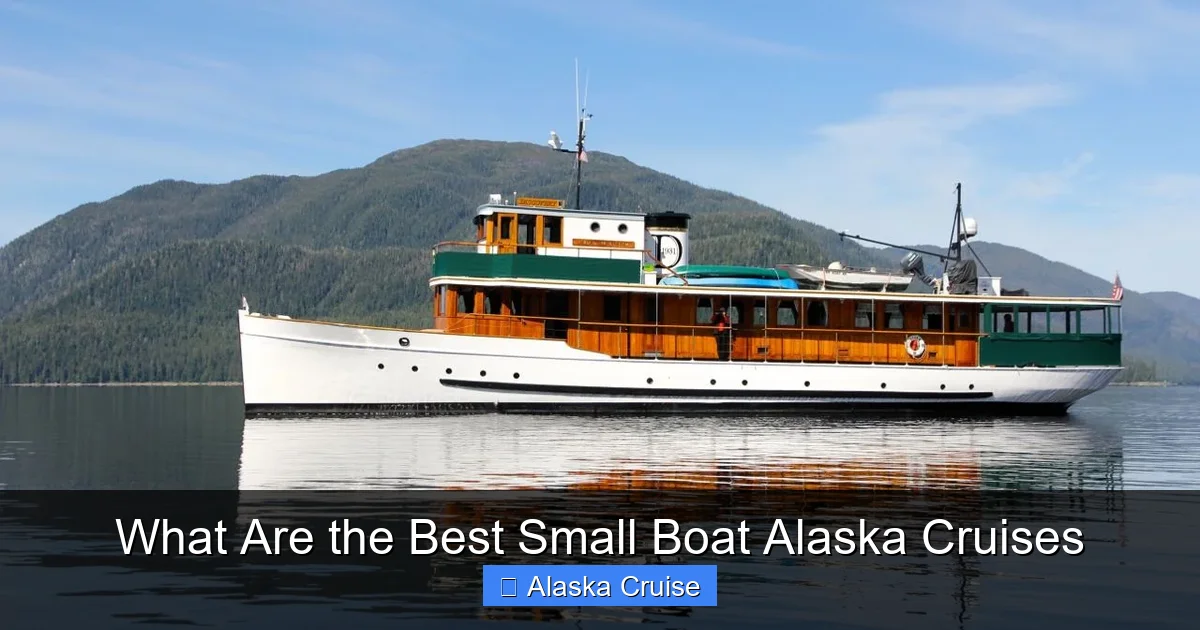
Small boat Alaska cruises offer a more intimate, flexible, and immersive way to explore the Last Frontier. With fewer passengers, expert guides, and access to remote areas, these voyages deliver unforgettable wildlife sightings, glacier views, and cultural connections that large ships simply can’t match.
Key Takeaways
- Intimate Experience: Small boats carry 6–70 passengers, allowing for personalized service and quieter, more respectful wildlife encounters.
- Access to Remote Areas: Shallow drafts and nimble designs let small vessels reach hidden coves, narrow fjords, and untouched shorelines inaccessible to big cruise ships.
- Expert-Led Expeditions: Most small boat cruises feature naturalists, marine biologists, or local guides who provide in-depth insights into Alaska’s ecosystems and cultures.
- Flexible Itineraries: Weather and wildlife dictate daily plans, so small boats can pivot quickly to chase humpback whales or linger near calving glaciers.
- Sustainable Travel: Many small cruise operators prioritize eco-friendly practices, minimizing environmental impact while supporting local communities.
- All-Inclusive Comfort: Despite their size, top small boats offer gourmet meals, cozy cabins, and modern amenities—without the crowds.
- Best for Active Travelers: Kayaking, hiking, paddleboarding, and Zodiac excursions are common, making these cruises ideal for adventure seekers.
📑 Table of Contents
Why Choose a Small Boat Alaska Cruise?
Alaska is a land of extremes—towering glaciers, misty fjords, roaring waterfalls, and vast wilderness teeming with bears, whales, and eagles. While mega-cruise ships dominate the headlines, savvy travelers are discovering that the real magic of Alaska unfolds on smaller vessels. Small boat Alaska cruises offer a front-row seat to nature’s grandest show, with none of the crowds, long lines, or rushed schedules.
Imagine gliding silently past a glacier calving into icy waters, the only sound the crack of ice and the splash of waves. Picture kayaking through a quiet bay as a sea otter floats nearby, or hiking a moss-covered trail with a local Tlingit guide sharing ancestral stories. These moments aren’t just possible on small boats—they’re the norm. With passenger counts ranging from just six to around 70, small boat cruises prioritize quality over quantity. You’ll spend less time waiting and more time experiencing.
Unlike large cruise ships that stick to major ports like Juneau, Ketchikan, and Skagway, small boats venture off the beaten path. They can navigate shallow inlets, anchor in secluded bays, and launch Zodiacs or kayaks directly from the ship. This flexibility means you’re not just seeing Alaska from a distance—you’re stepping into it. Whether you’re a wildlife enthusiast, a photography buff, or simply crave solitude in nature, a small boat Alaska cruise delivers an authentic, unhurried adventure.
Top Small Boat Cruise Lines in Alaska
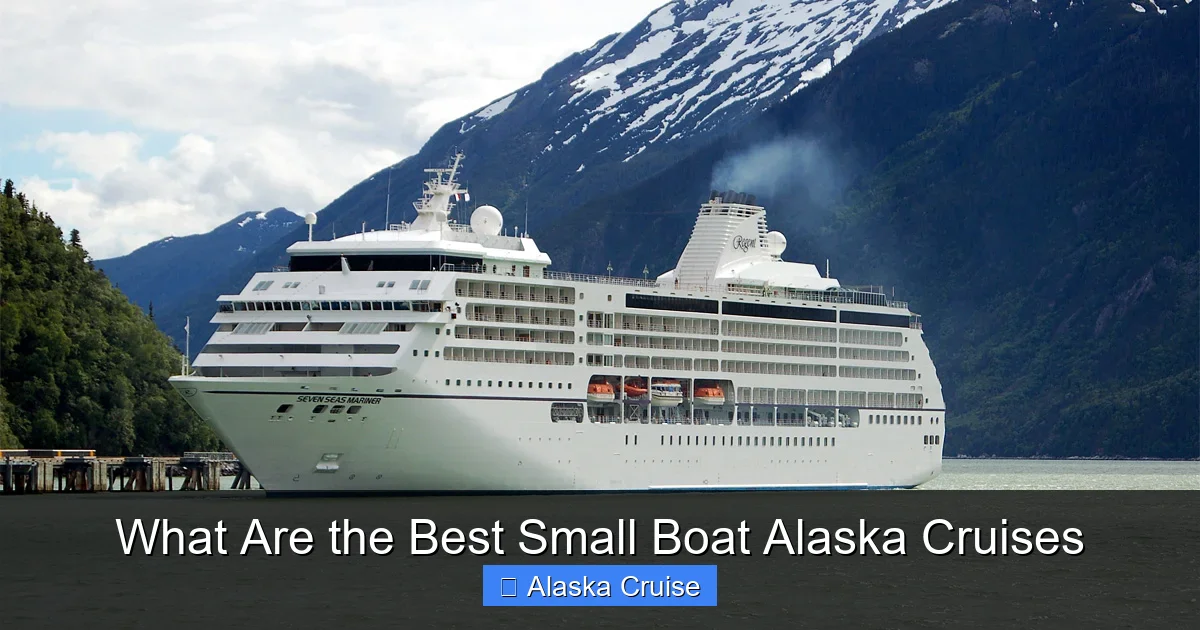
Visual guide about What Are the Best Small Boat Alaska Cruises
Image source: cruisestoalaska.com
Not all small boats are created equal. Some focus on luxury, others on adventure, and a few blend both with a strong environmental ethic. Here are some of the best small boat cruise operators offering unforgettable Alaska experiences.
UnCruise Adventures
UnCruise (yes, it’s spelled that way!) is a standout in the small boat world. With ships carrying 22–88 guests, they offer a mix of adventure and comfort. Their itineraries span the Inside Passage, Glacier Bay, and even the remote Aleutian Islands. What sets UnCruise apart is their “adventure-first” philosophy—daily excursions include kayaking, hiking, whale watching, and even snorkeling in cold-water kelp forests. Their guides are passionate naturalists, and their ships feature open decks, large windows, and gourmet regional cuisine. If you want to feel like an explorer, not a tourist, UnCruise is a top pick.
Lindblad Expeditions – National Geographic
Partnering with National Geographic, Lindblad Expeditions combines scientific expertise with luxury travel. Their small ships, like the National Geographic Quest and Venture, carry around 100 passengers and are equipped with tools like hydrophones, underwater cameras, and ROVs (remotely operated vehicles) to enhance wildlife viewing. Their itineraries often include visits to Glacier Bay National Park, where park rangers join the crew. With a strong focus on conservation and education, Lindblad is ideal for travelers who want to learn as much as they explore.
Alaska Dream Cruises
Operating in Southeast Alaska, Alaska Dream Cruises uses a fleet of small, locally owned vessels—many built in Alaska—to offer intimate voyages. Their ships, like the 24-passenger *Alaska Dream*, feel more like floating bed-and-breakfasts than cruise ships. They emphasize cultural immersion, with opportunities to meet local fishermen, visit Native villages, and learn about sustainable seafood. Their itineraries are flexible, often adjusting based on wildlife sightings. For travelers seeking authenticity and local connection, Alaska Dream Cruises is a gem.
Major Marine Tours
Based in Seward, Major Marine Tours offers day cruises and multi-day expeditions into Kenai Fjords National Park. Their small boats, carrying up to 150 passengers, are larger than some on this list but still feel personal compared to ocean liners. They’re known for their expert captains who know exactly where to find orcas, sea lions, and puffins. Their 6-hour Kenai Fjords cruise is a classic, but their 3- and 4-day itineraries allow for deeper exploration, including glacier viewing and coastal hiking.
Sea Wolf Expeditions
For the truly adventurous, Sea Wolf Expeditions offers rugged, small-group voyages in custom-built aluminum boats. Carrying just 6–12 guests, these trips are all about raw Alaska—think bear viewing on remote beaches, camping on uninhabited islands, and paddling through icy coves. There’s no luxury here, but the rewards are immense: solitude, challenge, and a deep connection to the wild. Sea Wolf is perfect for those who want to trade room service for campfires and starlit skies.
What to Expect on a Small Boat Alaska Cruise
So, what’s it really like to sail Alaska on a small boat? The experience is a blend of comfort, adventure, and spontaneity. While each cruise line has its own style, there are common threads that define the small boat experience.
Daily Itinerary and Flexibility
Unlike large cruises with fixed schedules, small boat itineraries are fluid. The captain and guides assess weather, tides, and wildlife activity each morning to decide the day’s plan. One day you might spend hours watching humpback whales bubble-net feeding; the next, you could be hiking a mossy rainforest trail or visiting a remote fishing village. This adaptability is one of the biggest advantages—nature leads, and the ship follows.
Most days begin early, with breakfast served around 7 a.m. After a briefing from the expedition leader, guests head out on Zodiacs or kayaks for morning excursions. These can last 2–4 hours and often include wildlife spotting, beach walks, or cultural visits. Lunch is typically served back on board, followed by an afternoon activity—perhaps a guided hike, a visit to a glacier, or a lecture on marine biology. Evenings are relaxed, with dinner, storytelling, or stargazing on deck.
Cabin Comfort and Amenities
Don’t let the word “small” fool you—today’s small boats are surprisingly comfortable. Cabins are compact but well-designed, with private bathrooms, warm bedding, and large windows. Some ships feature heated floors, mini-fridges, and even bathtubs. While you won’t find Broadway shows or casinos, you will find cozy lounges, libraries with field guides, and open decks perfect for wildlife watching.
Dining is a highlight. Most small boat cruises serve fresh, locally sourced meals—think Alaskan king crab, wild salmon, and foraged greens. Menus often reflect the region, with input from local chefs. Dietary restrictions are usually accommodated with advance notice.
Onboard Experts and Enrichment
One of the biggest perks of a small boat cruise is access to expert guides. Naturalists, marine biologists, historians, and local cultural ambassadors are often part of the crew. They lead excursions, give evening lectures, and answer questions throughout the day. Many ships also offer hands-on activities, like plankton tows, bird banding demonstrations, or traditional craft workshops.
This educational component adds depth to the experience. You’re not just seeing Alaska—you’re understanding it. Whether you’re learning about glacial retreat, Tlingit totem poles, or the life cycle of salmon, the knowledge enhances every moment.
Best Itineraries for Small Boat Alaska Cruises
Alaska’s geography is vast, and different regions offer unique experiences. Here are some of the most popular and rewarding small boat itineraries.
Inside Passage: The Classic Route
Stretching from Washington State to Alaska’s panhandle, the Inside Passage is the most traveled route—and for good reason. It’s a mosaic of lush rainforests, misty islands, and charming coastal towns. Small boats excel here, weaving through narrow channels and stopping at remote hot springs, bear-viewing sites, and Native cultural centers.
A typical 7- to 10-day itinerary might include stops in Ketchikan (known for its totem poles and salmon canneries), Wrangell (gateway to the Stikine River), and Sitka (a historic Russian-American town). Wildlife sightings are common: bald eagles, sea otters, porpoises, and even black bears along the shore. Glacier Bay National Park is often a highlight, with small boats able to get closer to tidewater glaciers than larger ships.
Glacier Bay and Juneau Focus
For glacier lovers, a cruise centered on Glacier Bay and Juneau is unbeatable. These itineraries often begin or end in Juneau, Alaska’s capital, which is only accessible by boat or plane. From there, ships venture into Glacier Bay, a UNESCO World Heritage Site where massive glaciers calve into the sea.
Small boats can anchor near Margerie and Lamplugh Glaciers, allowing for Zodiac tours and kayaking among icebergs. The silence is profound—broken only by the thunder of ice breaking away. Many cruises also include a visit to the Mendenhall Glacier, just outside Juneau, for a short hike and stunning views.
Aleutian Islands: The Ultimate Adventure
For the truly intrepid, some small boat cruises venture to the Aleutian Islands—a chain of volcanic islands stretching toward Russia. This remote region is rarely visited by tourists but teems with seabird colonies, sea lions, and unique Aleut culture.
Itineraries here are longer (10–14 days) and more rugged. Expect rough seas, unpredictable weather, and limited facilities. But the rewards are unparalleled: standing on a windswept island with thousands of puffins overhead, or visiting a tiny village where elders still speak the Aleut language. This is Alaska at its most wild and authentic.
Kenai Fjords and Seward-Based Cruises
Based out of Seward on the Kenai Peninsula, these cruises focus on Kenai Fjords National Park. The park is home to over 30 glaciers, including the famous Holgate and Aialik Glaciers. Small boats can get within feet of calving ice, offering heart-stopping views.
Wildlife is abundant: orcas, humpback whales, sea otters, and Steller sea lions are commonly spotted. Many cruises include a stop at Fox Island for a beach walk or a visit to the Alaska SeaLife Center. These trips are ideal for travelers who want a shorter, more focused Alaska experience.
Wildlife and Nature Highlights
Alaska is one of the last great wildernesses on Earth, and small boat cruises put you in the heart of it. The chance to see wildlife in its natural habitat is one of the main reasons travelers choose these voyages.
Marine Mammals
Whales are a major draw. Humpback whales are common in summer, often seen breaching or feeding in groups. Orcas (killer whales) patrol the coastlines, especially near the Kenai Fjords and the Inside Passage. Minke and gray whales also make appearances, depending on the season and location.
Sea otters float on their backs, cracking shellfish on their chests. Steller sea lions bask on rocky outcrops, their deep roars echoing across the water. Harbor seals rest on ice floes near glaciers, while Dall’s porpoises zip alongside the bow, riding the wake.
Bears and Land Wildlife
Brown bears (including grizzlies) and black bears are frequently spotted along coastal shores, especially in areas like Admiralty Island and Pack Creek. Small boats can anchor at a safe distance, allowing for respectful viewing with binoculars or spotting scopes.
On land excursions, you might also see Sitka black-tailed deer, mountain goats scaling cliffs, and moose wading in wetlands. Birdwatchers will delight in the diversity: bald eagles, puffins, cormorants, and countless seabirds fill the skies.
Glaciers and Ice
No Alaska cruise is complete without seeing a glacier. Tidewater glaciers, like those in Glacier Bay and Kenai Fjords, calve directly into the ocean, sending massive ice chunks crashing into the water. The sound is thunderous, the sight unforgettable.
Small boats can get closer than large ships, offering front-row views of blue ice walls and icebergs in every shape and size. Some cruises even offer the chance to taste “bergie bits”—ancient ice that has broken off and floated into the bay.
Tips for Choosing the Right Small Boat Cruise
With so many options, how do you pick the best small boat Alaska cruise for you? Here are some practical tips to help you decide.
Consider Your Travel Style
Are you looking for luxury, adventure, or a mix of both? UnCruise and Lindblad offer comfort with a focus on exploration, while Sea Wolf is all about rugged, no-frills adventure. Alaska Dream Cruises leans into local culture and authenticity. Think about what matters most to you—comfort, education, activity level, or cultural immersion.
Check the Ship Size and Passenger Count
Smaller ships (under 50 passengers) offer the most intimacy and flexibility. Larger small boats (up to 100 passengers) may have more amenities but less access to remote areas. Consider how many people you’re comfortable sharing the experience with.
Review the Itinerary and Activities
Look for itineraries that match your interests. If you love kayaking, choose a cruise that includes multiple paddling excursions. If you’re a photographer, prioritize trips with expert guides and early morning wildlife viewing. Some cruises offer special themes, like birding or geology, which can enhance your experience.
Book Early and Be Flexible
Small boat cruises fill up fast, especially for peak summer months (June–August). Book at least 6–12 months in advance. Also, be flexible with dates—shoulder seasons (May and September) offer fewer crowds, lower prices, and unique wildlife sightings, like migrating whales.
Pack Smart
Alaska’s weather is unpredictable. Pack layers, waterproof gear, sturdy hiking shoes, and binoculars. Don’t forget a good camera with a zoom lens. Most ships provide rain gear and binoculars, but it’s good to check ahead.
Support Sustainable Operators
Choose cruise lines that prioritize environmental responsibility. Look for certifications like Green Globe or membership in organizations like the Adventure Travel Trade Association (ATTA). Many small boat operators work with local communities, hire local guides, and follow strict “leave no trace” practices.
Conclusion
Small boat Alaska cruises are more than just a way to see the state—they’re a way to truly experience it. With intimate settings, expert guidance, and access to remote wilderness, these voyages offer a deeper, more personal connection to Alaska’s natural wonders. Whether you’re watching a glacier calve, kayaking beside a whale, or sharing stories with a local fisherman, the memories will last a lifetime.
While large cruise ships offer convenience and entertainment, small boats deliver authenticity and adventure. They remind us that travel isn’t just about checking destinations off a list—it’s about slowing down, opening your senses, and letting nature take the lead. If you’re ready to trade crowds for calm, and schedules for spontaneity, a small boat Alaska cruise might just be the perfect journey.
So pack your bags, bring your curiosity, and set sail on the adventure of a lifetime. Alaska is waiting—and on a small boat, you’ll see it like few ever do.
Frequently Asked Questions
What is the best time of year for a small boat Alaska cruise?
The best time is typically May through September, when weather is milder and wildlife is most active. June to August offers the warmest temperatures and longest days, while May and September provide fewer crowds and unique seasonal changes.
Are small boat cruises suitable for families?
Yes, many small boat cruises welcome families and offer kid-friendly activities like kayaking, beach walks, and educational programs. Some lines, like UnCruise, even have family-specific itineraries with age-appropriate excursions.
Do I need to be physically fit for a small boat Alaska cruise?
While some activities like hiking and kayaking require moderate fitness, most cruises offer options for all levels. Guides assess conditions daily, and you can always choose less strenuous activities if needed.
What should I pack for a small boat Alaska cruise?
Pack layers, waterproof jackets and pants, sturdy shoes, warm socks, a hat, gloves, sunscreen, and binoculars. Most ships provide rain gear, but it’s wise to bring your own essentials.
Are small boat cruises more expensive than large cruise ships?
Generally, yes—small boat cruises often cost more due to personalized service, expert guides, and all-inclusive amenities. However, the value comes from the intimate experience and access to remote areas.
Can I see whales and bears on a small boat cruise?
Absolutely. Small boats frequently encounter humpback whales, orcas, sea otters, and coastal bears. Their quiet engines and flexible itineraries increase the chances of respectful, close-up wildlife sightings.