Alaska cruises offer some of the most breathtaking ports in the world, each with unique wildlife, glaciers, and cultural experiences. From whale watching in Juneau to exploring totem poles in Ketchikan, these stops make your journey unforgettable.
Dreaming of icy fjords, towering glaciers, and wild coastlines? An Alaskan cruise delivers all that and more—especially when you visit the best ports on an Alaskan cruise. These destinations aren’t just scenic backdrops; they’re gateways to adventure, culture, and unforgettable moments. Whether you’re a nature lover, history buff, or thrill-seeker, Alaska’s ports offer something for everyone.
Unlike tropical cruises with beach lounging and pool parties, an Alaskan voyage is about immersion. You’ll wake up to misty mountains, hear the crack of calving ice, and maybe even spot a bear foraging along the shore. The ports you visit are carefully chosen to showcase Alaska’s raw beauty and rich heritage. From the bustling charm of Juneau to the quiet majesty of Glacier Bay, each stop tells a story.
But with so many incredible ports, how do you know which ones are truly the best? That’s where this guide comes in. We’ll walk you through the top ports on an Alaskan cruise, what makes each one special, and how to make the most of your time ashore. Whether you’re cruising with kids, celebrating a milestone, or traveling solo, these ports will leave you in awe.
Key Takeaways
- Juneau is a must-visit for glacier hikes and whale watching: Home to the Mendenhall Glacier and abundant marine life, Juneau blends adventure with natural beauty.
- Ketchikan shines with Indigenous culture and rainforest trails: Known as the “Salmon Capital of the World,” it’s perfect for learning about Tlingit heritage and spotting eagles.
- Skagway offers gold rush history and scenic railways: This historic town lets you ride the White Pass & Yukon Route for stunning mountain views.
- Glacier Bay National Park is a UNESCO treasure: A protected wilderness area where you’ll witness calving glaciers and diverse wildlife up close.
- Hubbard Glacier delivers dramatic ice formations: One of the largest tidewater glaciers, it’s a highlight for photographers and nature lovers.
- Sitka combines Russian history with coastal charm: Explore historic churches, totem parks, and sea otter sightings in this culturally rich port.
- Plan excursions in advance for the best experiences: Popular tours fill quickly, so book early to secure your spot for kayaking, dog sledding, or flightseeing.
📑 Table of Contents
Juneau: The Capital of Adventure
Tucked between steep mountains and the Gastineau Channel, Juneau is Alaska’s capital—and one of the most popular ports on an Alaskan cruise. Unlike other state capitals, Juneau isn’t accessible by road, which adds to its remote, untamed charm. But don’t let that fool you—this city is packed with things to do, from glacier hikes to whale watching tours.
Mendenhall Glacier: A Frozen Wonder
No visit to Juneau is complete without seeing the Mendenhall Glacier. This 13-mile-long river of ice is one of the few glaciers accessible by road, making it a favorite among cruise passengers. The visitor center offers panoramic views, educational exhibits, and hiking trails that range from easy walks to challenging climbs.
One of the most popular trails is the Nugget Falls Trail, which leads to a stunning waterfall cascading near the glacier’s face. For a more immersive experience, consider a guided glacier hike. Companies like Alaska Nature Guides offer safe, small-group excursions where you’ll strap on crampons and walk across the ice. It’s surreal—like stepping onto another planet.
Whale Watching in Auke Bay
Juneau is one of the best places in the world to see humpback whales. From May to September, these gentle giants migrate to Alaskan waters to feed. Auke Bay, just a short drive from downtown, is a prime launch point for whale-watching tours.
Most excursions last 3–4 hours and include knowledgeable naturalists who explain whale behavior and local ecology. You might see breaching, tail slapping, or even a mother nursing her calf. Some tours also spot orcas, sea lions, and porpoises. For the best experience, book a smaller boat with fewer passengers—this increases your chances of getting close to the action.
Tips for Visiting Juneau
– Arrive early: Juneau is often the first port, so take advantage of the fresh energy.
– Dress in layers: Weather can change quickly, even in summer.
– Book excursions in advance: Popular tours like the Mendenhall Glacier kayak trip sell out fast.
– Try local seafood: Don’t leave without sampling fresh salmon or halibut at a waterfront restaurant.
Ketchikan: The Gateway to the Tongass
Visual guide about What Are the Best Ports on an Alaskan Cruise
Image source: cruisehive.com
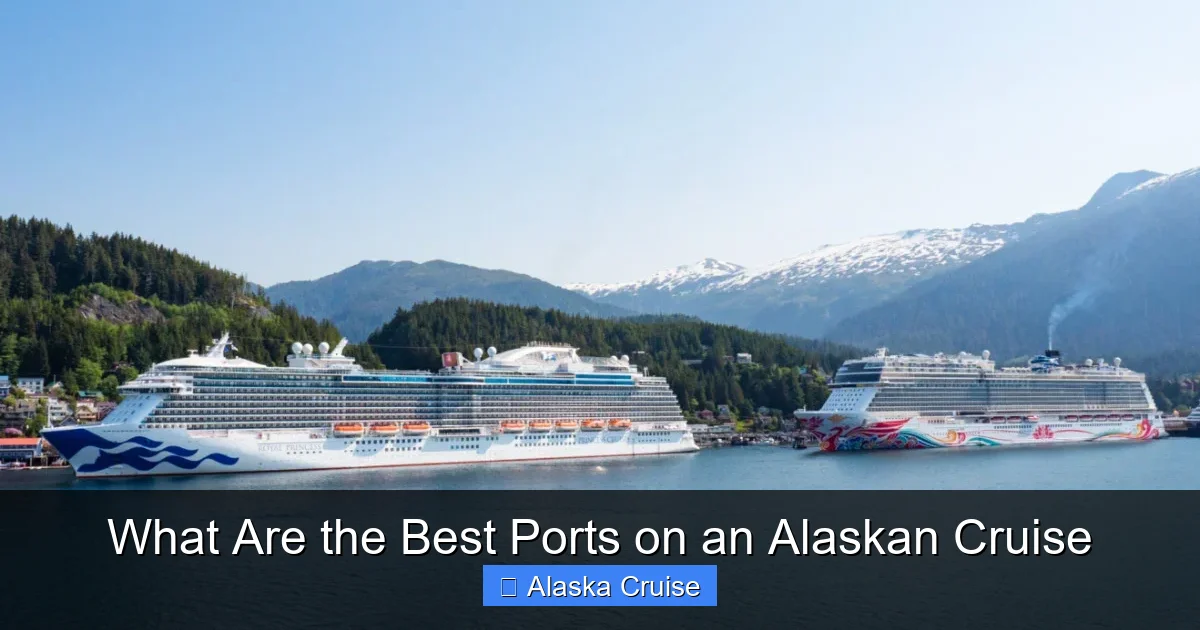
Known as the “Salmon Capital of the World,” Ketchikan is a colorful, compact port nestled in the heart of the Tongass National Forest—the largest temperate rainforest in the United States. With its wooden boardwalks, historic buildings, and vibrant Indigenous culture, Ketchikan feels like stepping back in time.
Totem Heritage Center and Creek Street
One of Ketchikan’s top attractions is the Totem Heritage Center, home to 19th-century totem poles salvaged from abandoned Tlingit villages. These intricately carved poles tell stories of clans, legends, and spiritual beliefs. Nearby, Creek Street is a historic district built on stilts over Ketchikan Creek. Once a bustling red-light district, it’s now lined with shops, galleries, and cafes.
Walking along Creek Street, you might spot salmon swimming upstream during spawning season. It’s a unique sight—especially in July and August when pink and chum salmon return to their birthplaces. For a bird’s-eye view, take the Deer Mountain Trail, a moderate hike that rewards you with sweeping views of the town and surrounding rainforest.
Indigenous Culture and Art
Ketchikan is deeply rooted in Native Alaskan culture. The Tlingit, Haida, and Tsimshian peoples have lived here for thousands of years, and their influence is everywhere. Visit the Saxman Native Village to see a traditional longhouse and watch a dance performance. Many cruise lines also offer cultural tours that include storytelling, carving demonstrations, and local crafts.
For art lovers, the town is dotted with galleries selling authentic Native art—from hand-carved masks to woven Chilkat blankets. Be sure to ask about the artist’s story; many pieces are passed down through generations.
Adventure on the Water
If you’re craving adventure, Ketchikan delivers. Kayaking through the Misty Fjords is a bucket-list experience. These dramatic cliffs, carved by glaciers over millennia, rise thousands of feet from the water. Tours often include a floatplane ride to remote launch points, adding to the thrill.
Fishing charters are also popular. Whether you’re a seasoned angler or a beginner, local guides can take you to prime spots for salmon, halibut, or rockfish. Most charters provide gear and instruction, so all you need is a sense of adventure.
Tips for Visiting Ketchikan
– Bring rain gear: Ketchikan is one of the rainiest cities in the U.S.
– Respect cultural sites: Ask before photographing people or sacred objects.
– Try the local brew: Ketchikan has a growing craft beer scene—check out a waterfront brewery.
– Shop smart: Look for “Made in Alaska” labels to support local artisans.
Skagway: Where the Gold Rush Lives On
Step into the 1890s in Skagway, a town frozen in time by its gold rush past. During the Klondike Gold Rush, over 100,000 prospectors passed through Skagway on their way to the Yukon. Today, the town preserves that history with restored buildings, costumed interpreters, and the famous White Pass & Yukon Route Railway.
The White Pass & Yukon Route Railway
Often called the “Gateway to the Klondike,” this narrow-gauge railway is one of the most scenic train rides in the world. The journey climbs 2,865 feet in just 20 miles, passing through tunnels, over trestles, and alongside cascading waterfalls. The views of the Coast Mountains are jaw-dropping—especially when the train emerges from a tunnel to reveal a panoramic valley.
The train ride takes about 3 hours round-trip and includes a narrated history of the gold rush. Many passengers choose the one-way option, then return to Skagway by bus or shuttle. It’s a great way to stretch your legs and see more of the landscape.
Historic Downtown and Gold Rush Museums
Skagway’s downtown is a National Historic Landmark, with over 80 preserved buildings. Stroll down Broadway to see the Arctic Brotherhood Hall, the Red Onion Saloon, and the Moore House Museum. The Skagway Museum offers exhibits on local history, including artifacts from the gold rush era.
For a taste of frontier life, visit the Days of ’98 Show, a live theater performance that recreates the drama and danger of the gold rush. It’s cheesy but fun—and a great way to learn about the era in an entertaining way.
Outdoor Adventures
Skagway isn’t just about history—it’s also a gateway to outdoor adventure. Hiking trails like the Chilkoot Trail (the original route to the goldfields) offer challenging but rewarding treks. For something less strenuous, try a dog sledding tour. Many companies offer summer experiences where you can meet sled dogs and learn about mushing.
Helicopter tours are another popular option. Fly over glaciers, alpine lakes, and remote valleys for a perspective you can’t get from the ground. Some tours even land on a glacier for a short walk.
Tips for Visiting Skagway
– Wear comfortable shoes: The town is walkable, but some areas are steep.
– Book the train early: It’s one of the most popular excursions on any Alaskan cruise.
– Try the local cuisine: Skagway has great cafes and bakeries—don’t miss the sourdough pancakes.
– Bring a jacket: Even in summer, it can be chilly on the train or during tours.
Glacier Bay National Park: A UNESCO Wonder
Glacier Bay National Park is one of the most pristine and protected areas in Alaska. As a UNESCO World Heritage Site, it’s home to over a dozen active glaciers, abundant wildlife, and dramatic fjords. Unlike other ports, Glacier Bay is not a town—it’s a natural wonder you experience from the ship.
Calving Glaciers and Wildlife
As your ship glides through the bay, you’ll witness glaciers calving—huge chunks of ice breaking off and crashing into the water. It’s loud, powerful, and utterly mesmerizing. The most famous glacier here is the Margerie Glacier, known for its deep blue ice and frequent calving events.
Wildlife is abundant in Glacier Bay. Keep your eyes peeled for humpback whales, sea otters, harbor seals, and Steller sea lions. On land, you might spot brown bears foraging along the shore or mountain goats scaling cliffs. The park is also a birdwatcher’s paradise, with puffins, eagles, and cormorants nesting along the coastline.
Naturalist-Led Programs
One of the best things about visiting Glacier Bay is the onboard naturalist program. Park rangers board the ship to provide commentary, answer questions, and lead educational activities. They’ll point out wildlife, explain glacial processes, and share stories about the park’s history.
Many ships also offer live presentations in the evening, covering topics like climate change, Indigenous stewardship, and marine biology. These programs add depth to your experience and help you appreciate the park’s ecological significance.
Tips for Visiting Glacier Bay
– Bring binoculars: Wildlife and glaciers are often far from the ship.
– Dress warmly: Even on sunny days, it can be cold on deck.
– Be patient: Wildlife sightings depend on timing and conditions.
– Respect the silence: The park encourages quiet observation to minimize disturbance.
Hubbard Glacier: The Ice Giant
At over 75 miles long, Hubbard Glacier is one of the largest tidewater glaciers in North America. Located near Yakutat, it’s a highlight on many Alaskan cruise itineraries. The glacier is so massive that it often blocks Russell Fjord, creating a temporary lake that eventually bursts in a dramatic flood.
Witnessing the Calving Process
Hubbard Glacier is famous for its frequent calving events. As the glacier advances into the ocean, the front edge breaks off in thunderous crashes. These events can send waves across the fjord and create icebergs the size of buildings. It’s a powerful reminder of nature’s force.
Your ship will typically stop near the glacier’s face, allowing you to observe from a safe distance. The ice is a stunning shade of blue, formed by compressed snow over centuries. Naturalists on board will explain how glaciers form, move, and shape the landscape.
Wildlife and Scenic Views
The area around Hubbard Glacier is rich in marine life. You might see seals resting on ice floes, seabirds diving for fish, or even a whale surfacing nearby. The surrounding mountains and fjords add to the dramatic scenery, making it a photographer’s dream.
Tips for Viewing Hubbard Glacier
– Arrive early: The glacier is often visible from the ship’s deck before docking.
– Bring a zoom lens: For the best photos, you’ll want to capture details from afar.
– Stay on deck: The best views are usually from the upper decks or observation lounges.
– Be prepared for cold: The glacier emits a chill, even on warm days.
Sitka: Where Cultures Converge
Sitka is a unique blend of Russian, Native Alaskan, and American history. Once the capital of Russian America, it’s now a peaceful port with a rich cultural heritage and stunning coastal scenery.
Russian Influence and Historic Sites
Sitka’s Russian past is evident in its architecture and landmarks. The most famous is St. Michael’s Cathedral, a beautiful onion-domed church that was rebuilt after a fire in 1966. Nearby, the Russian Bishop’s House offers a glimpse into 19th-century life.
The Sitka National Historical Park is another must-see. It features totem poles, a replica of a Tlingit fort, and a peaceful trail along the waterfront. The park commemorates the 1804 Battle of Sitka, a clash between Russian settlers and the Tlingit people.
Wildlife and Nature
Sitka is a haven for wildlife lovers. The nearby St. Lazaria Island is a seabird sanctuary, home to puffins, murres, and kittiwakes. Boat tours often include stops at sea otter colonies and sea lion haul-outs.
For a quieter experience, visit the Sitka Sound Science Center. This small aquarium and research facility showcases local marine life and offers hands-on exhibits. It’s a great option for families or anyone interested in marine biology.
Tips for Visiting Sitka
– Explore on foot: The historic district is compact and walkable.
– Try local seafood: Sitka is known for its fresh Dungeness crab and halibut.
– Visit the Sheldon Jackson Museum: It houses one of the best collections of Native Alaskan art.
– Respect sacred sites: Some areas in the historical park are culturally significant.
Conclusion: Choosing the Best Ports for Your Cruise
So, what are the best ports on an Alaskan cruise? The answer depends on your interests, but each of these destinations offers something unforgettable. Juneau dazzles with glaciers and whales, Ketchikan immerses you in culture and rainforest, Skagway takes you back to the gold rush, Glacier Bay awes with its wilderness, Hubbard Glacier impresses with its size, and Sitka enchants with its history and wildlife.
The beauty of an Alaskan cruise is that you don’t have to choose just one. Most itineraries include 4–6 ports, giving you a well-rounded experience of Alaska’s diversity. Whether you’re hiking on ice, riding a historic train, or watching a glacier calve, these moments will stay with you long after the voyage ends.
To make the most of your trip, plan ahead. Research excursions, book popular tours early, and pack for variable weather. Most importantly, keep an open mind and a sense of wonder. Alaska isn’t just a destination—it’s a journey into the wild heart of nature.
Frequently Asked Questions
What is the best time to visit Alaskan cruise ports?
The best time for an Alaskan cruise is from May to September. During these months, the weather is milder, wildlife is active, and daylight lasts up to 18 hours. July and August are peak season, offering the warmest temperatures and most wildlife sightings.
Can you walk around Alaskan cruise ports on your own?
Yes, most Alaskan ports are walkable and safe for independent exploration. Juneau, Ketchikan, Skagway, and Sitka all have compact downtown areas with shops, restaurants, and attractions within walking distance of the docks.
Are excursions necessary in Alaskan ports?
Excursions aren’t required, but they enhance your experience. Guided tours offer access to remote areas, expert knowledge, and unique activities like glacier hikes or dog sledding. Popular excursions often sell out, so booking in advance is recommended.
What should I pack for an Alaskan cruise?
Pack layers, including a waterproof jacket, warm fleece, and moisture-wicking base layers. Bring sturdy walking shoes, binoculars, a camera, and sunscreen. Even in summer, temperatures can vary widely, especially near glaciers.
Is it possible to see the Northern Lights on an Alaskan cruise?
The Northern Lights are rarely visible during the standard cruise season (May–September) due to extended daylight. For a chance to see them, consider a late-season or post-season cruise in September or October, when nights are longer.
Are Alaskan cruise ports family-friendly?
Yes, many Alaskan ports offer family-friendly activities. Ketchikan has interactive museums and easy trails, Skagway’s train ride delights kids, and whale watching in Juneau is a hit with all ages. Most cruise lines also offer kids’ programs and family excursions.