The best month to do Alaska cruise is July, offering warm weather, long daylight hours, peak wildlife activity, and full access to ports and excursions. However, June and August are excellent alternatives depending on your priorities—June for blooming landscapes and fewer crowds, and August for fall colors and bear viewing. Planning ahead ensures you get the most out of your Alaskan voyage.
Key Takeaways
- July is the peak month for Alaska cruises, with the warmest temperatures, longest days, and most active wildlife.
- June offers mild weather and blooming scenery with slightly fewer crowds than July, making it ideal for nature lovers.
- August brings fall colors and prime bear viewing opportunities, especially in areas like Ketchikan and Glacier Bay.
- May and September are shoulder months with lower prices and fewer tourists, but colder weather and limited services.
- Wildlife sightings vary by month—whales are most active June through August, while bears are best seen in late summer.
- Daylight hours change dramatically—expect up to 19 hours of daylight in June, ideal for sightseeing and photography.
- Book early for July and August as these months sell out quickly due to high demand and limited cruise availability.
📑 Table of Contents
- Introduction: Why Timing Matters for Your Alaska Cruise
- Understanding Alaska’s Cruise Season: A Month-by-Month Breakdown
- Weather and Climate: What to Expect Each Month
- Wildlife Viewing: When to See What
- Crowds, Prices, and Booking Tips
- Packing Tips for Your Alaska Cruise
- Conclusion: Choosing the Best Month for Your Alaska Adventure
Introduction: Why Timing Matters for Your Alaska Cruise
Planning an Alaska cruise is an exciting adventure, but one of the most important decisions you’ll make is choosing the right time to go. Unlike tropical destinations where weather is fairly consistent year-round, Alaska’s climate and natural rhythms shift dramatically throughout the summer cruise season. From May to September, each month offers a unique experience—some filled with blooming wildflowers and migrating whales, others with crisp autumn air and bear-filled forests. So, when is the best month to do Alaska cruise? The answer depends on what you value most: weather, wildlife, crowds, or budget.
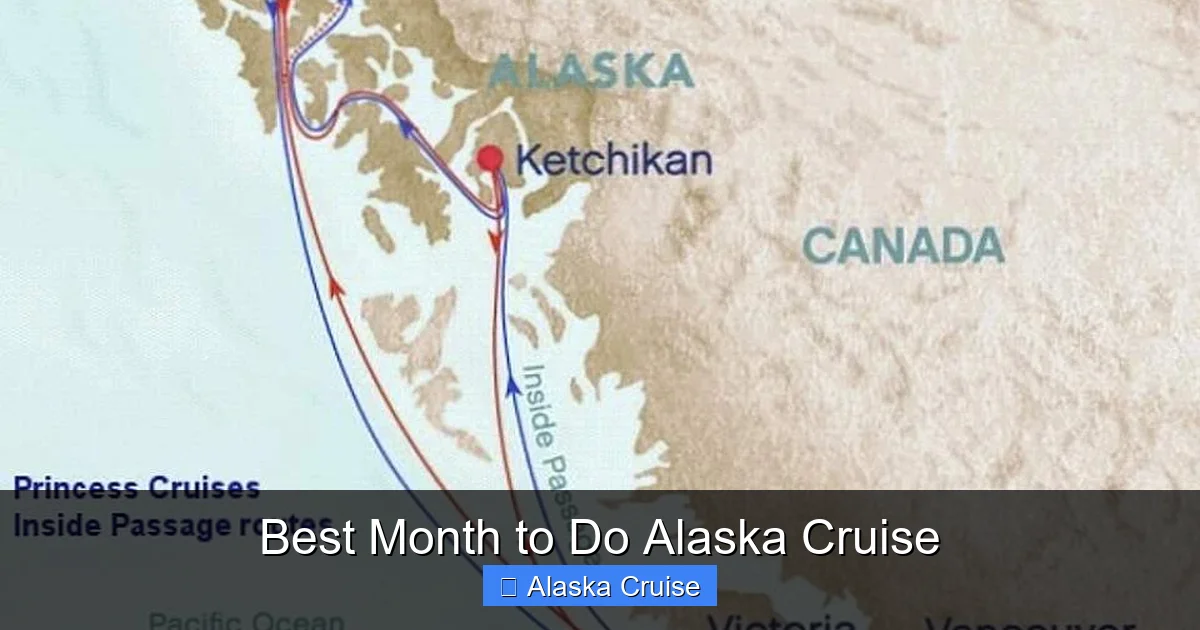
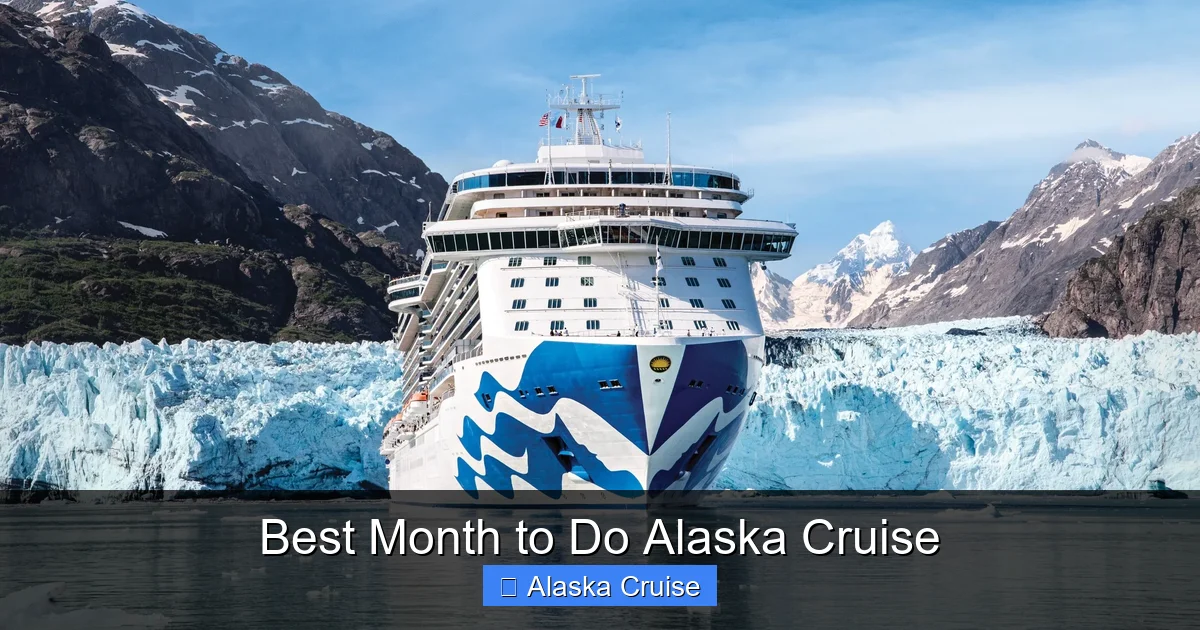
Alaska’s cruise season is relatively short, running from late May to early September. During this window, the state transforms from a frozen wilderness into a lush, vibrant landscape teeming with life. Cruise ships sail through iconic waterways like Glacier Bay, the Inside Passage, and Tracy Arm Fjord, offering passengers breathtaking views of glaciers, towering mountains, and pristine coastlines. But not all months are created equal. July, for example, is often considered the gold standard—warm weather, long days, and peak wildlife activity make it a favorite among travelers. Yet, June and August each have their own charms, and even the shoulder months of May and September offer unique advantages for the right kind of traveler.
Understanding Alaska’s Cruise Season: A Month-by-Month Breakdown
Visual guide about Best Month to Do Alaska Cruise
Image source: images.squarespace-cdn.com
To determine the best month to do Alaska cruise, it helps to understand how each month differs in terms of weather, daylight, wildlife, and crowd levels. Let’s break down the cruise season month by month to give you a clear picture of what to expect.
May: The Quiet Start to the Season
May marks the beginning of Alaska’s cruise season, with the first ships departing in late May. This is considered a shoulder month, meaning fewer crowds and lower prices, but also cooler temperatures and limited services in some ports. Average daytime highs range from 45°F to 55°F (7°C to 13°C), and while snow may still be present in higher elevations, coastal areas are generally snow-free.
One of the biggest draws of a May cruise is the sense of discovery. You’ll likely be among the first travelers to witness Alaska’s spring awakening—trees budding, rivers thawing, and wildlife emerging from winter hibernation. However, some excursions, like dog sledding on glaciers or certain wildlife tours, may not be fully operational yet. Additionally, daylight hours are increasing rapidly, with up to 17 hours of sunlight by the end of the month.
If you’re looking for a quieter, more budget-friendly experience and don’t mind cooler weather, May can be a rewarding choice. Just pack layers and be prepared for variable conditions.
June: Spring Blooms and Growing Activity
June is when Alaska truly comes alive. Temperatures rise to a comfortable 50°F to 65°F (10°C to 18°C), and the landscape explodes with color as wildflowers bloom and greenery returns. This is also when wildlife becomes more active—whales begin migrating north, bears emerge from dens with cubs, and birds return in full force.
Daylight is abundant, with nearly 18 to 19 hours of sunlight in early June, especially in northern regions like Juneau and Skagway. This extended daylight allows for longer shore excursions and more time to explore ports. Popular activities like whale watching, glacier hiking, and scenic train rides are in full swing.
Crowds are moderate in June—more than May but less than the peak months of July and August. This makes it a great balance between good weather, active wildlife, and manageable tourist numbers. If you want to experience Alaska in full bloom without the July rush, June is an excellent choice.
July: The Peak of the Alaska Cruise Season
July is widely regarded as the best month to do Alaska cruise. It’s the warmest month of the season, with average temperatures ranging from 55°F to 70°F (13°C to 21°C). The weather is generally stable, and rainfall is relatively low compared to other months. This makes outdoor activities—like kayaking, hiking, and wildlife tours—more enjoyable and accessible.
Wildlife is at its most active in July. Humpback whales, orcas, and gray whales are frequently spotted in coastal waters, especially in areas like Icy Strait and Stephens Passage. Bears are often seen fishing for salmon in rivers near Haines and Ketchikan. Glaciers are also at their most impressive, with calving events more common due to warmer temperatures.
However, July is also the busiest month. Popular ports like Juneau, Skagway, and Ketchikan can feel crowded, and shore excursions book up quickly. If you’re traveling with kids or prefer a more relaxed pace, this might be a downside. That said, the combination of ideal weather, abundant wildlife, and full access to all services makes July the top pick for most travelers.
August: Fall Colors and Bear Viewing
August is another strong contender for the best month to do Alaska cruise. While temperatures begin to cool slightly—ranging from 50°F to 65°F (10°C to 18°C)—the weather remains pleasant, and the scenery takes on a golden hue as fall approaches. This is especially true in inland areas and forests, where birch and aspen trees turn vibrant shades of yellow and orange.
One of August’s biggest draws is bear viewing. As salmon runs peak in rivers like the Chilkat and Anan Creek, brown and black bears gather in large numbers to feed. Guided bear-watching tours in places like Hyder and Pack Creek are highly recommended. Whale sightings remain strong, and glaciers are still active, though some may begin to recede slightly.
Crowds start to thin out in August compared to July, making it a good option if you want good weather without the peak-season rush. Just be aware that some seasonal businesses in smaller ports may begin to close toward the end of the month.
September: The Quiet Farewell
September marks the end of the cruise season, with most ships departing by mid-September. This is the second shoulder month, offering lower prices and very few tourists. However, the trade-off is cooler weather—average highs range from 45°F to 55°F (7°C to 13°C)—and increasing chances of rain.
That said, September has its own magic. The fall foliage is at its peak, especially in the first two weeks, creating stunning photo opportunities. Wildlife is still active, and some cruise lines offer special “last chance” wildlife tours. Additionally, you may have more personalized experiences with local guides and fewer lines at popular attractions.
One downside is that some excursions and port services begin to wind down. For example, flightseeing tours may be limited due to weather, and certain restaurants or shops may close for the season. But if you’re flexible, enjoy solitude, and don’t mind packing a rain jacket, September can be a peaceful and beautiful time to cruise Alaska.
Weather and Climate: What to Expect Each Month
Weather is one of the most critical factors when deciding the best month to do Alaska cruise. While Alaska is known for its rugged beauty, it’s also known for unpredictable weather—even in summer. Understanding the typical climate patterns can help you pack appropriately and set realistic expectations.
Temperature Trends
Alaska’s coastal regions, where most cruises take place, have a maritime climate. This means temperatures are moderated by the ocean, resulting in cooler summers and milder winters compared to inland areas. However, there’s still a noticeable difference between the warmest and coolest months of the cruise season.
In May, daytime highs average around 50°F (10°C), but it can feel cooler with wind and rain. By July, temperatures peak at around 65°F to 70°F (18°C to 21°C), making it the most comfortable month for outdoor activities. August sees a slight cooling trend, with highs in the 60s°F (15°C to 18°C), and September drops back to the 50s°F (10°C to 13°C).
Nighttime temperatures are consistently cooler, often dropping 10°F to 15°F (5°C to 8°C) below daytime highs. Layering is essential—bring a base layer, mid-layer (like a fleece), and a waterproof outer shell.
Precipitation and Rainfall
Rain is a common feature of Alaskan weather, especially in the southern coastal regions like Ketchikan, which is one of the rainiest cities in the U.S. However, rainfall varies by month and location.
May and September tend to be the wettest months, with more frequent rain showers. June and July are relatively drier, though afternoon showers are still possible. August sees a mix—early August is often dry, but rain becomes more likely as the month progresses.
It’s worth noting that rain doesn’t have to ruin your trip. Many excursions, like glacier walks or indoor cultural tours, are designed to operate in wet conditions. Plus, rain often enhances the beauty of waterfalls and lush greenery.
Daylight Hours: The Midnight Sun Effect
One of the most unique aspects of an Alaska cruise is the abundance of daylight. Due to its high latitude, Alaska experiences long days in summer—especially in June, when the sun barely sets in northern areas.
In early June, daylight can last up to 19 hours in places like Juneau and Skagway. This means you can enjoy shore excursions late into the evening and still have time to relax on deck under the soft glow of the midnight sun. By August, daylight decreases to around 15 hours, and in September, it drops to about 12 hours.
For travelers who love photography or simply want to maximize sightseeing time, the long days of June and July are a major advantage. Just remember to bring an eye mask if you’re sensitive to light when trying to sleep.
Wildlife Viewing: When to See What
One of the biggest draws of an Alaska cruise is the chance to see incredible wildlife in their natural habitat. From humpback whales breaching in icy waters to brown bears fishing for salmon, Alaska offers some of the best wildlife viewing in the world. But timing is everything—different animals are most active at different times of the season.
Whales: June to August
Whale watching is a highlight for many cruise passengers, and the best time to see them is from June through August. Humpback whales, orcas, and gray whales migrate north during this period to feed on abundant krill and small fish.
June is when whales first arrive in Alaskan waters, and sightings become increasingly common through July. August remains strong for whale activity, especially in areas like Icy Strait and Frederick Sound. Some cruise lines even offer dedicated whale-watching excursions with expert naturalists on board.
Bears: Peak Viewing in August
Bear sightings are most reliable in late summer, particularly August. As salmon return to spawn in rivers and streams, bears gather in large numbers to feed. This is especially true in areas like Pack Creek on Admiralty Island (near Juneau) and the Anan Creek Wildlife Observatory (near Wrangell).
July also offers good bear viewing, but August is when the salmon runs are at their peak, making it the prime month for bear photography and guided tours. If seeing bears is a top priority, consider booking a cruise in August.
Birds and Other Wildlife
Birdwatchers will find Alaska a paradise from May through August. Seabird colonies, including puffins, murres, and cormorants, are active along the coast. Bald eagles are commonly seen year-round, but they’re especially visible in summer when they’re feeding chicks.
Other wildlife, like moose, mountain goats, and sea otters, can be spotted throughout the season, though sightings depend more on location and luck than timing. Glaciers and icebergs are also a major attraction, with calving events more frequent in warmer months.
Crowds, Prices, and Booking Tips
The best month to do Alaska cruise isn’t just about weather and wildlife—it’s also about logistics. Crowd levels, pricing, and availability can significantly impact your experience.
Peak Season: July and August
July and August are the busiest months, with the highest demand for cruises, excursions, and accommodations. This means higher prices and limited availability. If you’re set on traveling during these months, book at least 6 to 12 months in advance to secure your preferred itinerary and cabin type.
Shoulder Months: May and September
May and September offer significant savings. Cruise fares can be 20% to 40% lower than peak months, and flights to Seattle or Vancouver (common departure points) are often cheaper. You’ll also enjoy fewer crowds and more personalized service.
However, be aware that some services may be limited. For example, certain shore excursions might not operate in May, and some restaurants or shops in smaller towns may close in September.
June: The Sweet Spot
June strikes a great balance. Prices are moderate, crowds are manageable, and all services are fully operational. It’s a popular choice for families and first-time cruisers, so booking 4 to 8 months in advance is recommended.
Packing Tips for Your Alaska Cruise
No matter which month you choose, packing smart is key to enjoying your Alaska cruise. The weather can change quickly, and you’ll want to be prepared for everything from sunny deck lounging to rainy glacier hikes.
Essential items include:
– Waterproof jacket and pants
– Layered clothing (thermal base layers, fleece, sweaters)
– Sturdy, waterproof hiking boots
– Hat, gloves, and scarf (even in summer)
– Sunglasses and sunscreen (the sun reflects off snow and water)
– Binoculars for wildlife viewing
– Camera with extra batteries (cold weather drains batteries faster)
Conclusion: Choosing the Best Month for Your Alaska Adventure
So, what is the best month to do Alaska cruise? For most travelers, **July** offers the ideal combination of warm weather, long days, peak wildlife activity, and full access to ports and excursions. It’s the month when Alaska shines brightest, and it’s no surprise that it’s the most popular time to visit.
However, **June** is a close second, offering blooming landscapes and fewer crowds, while **August** is perfect for those who want to see bears and enjoy fall colors. If you’re on a budget or prefer solitude, **May** and **September** provide unique, quieter experiences—just be prepared for cooler, wetter weather.
Ultimately, the best month depends on your priorities. Are you chasing whales? Head for July. Want to photograph bears? August is your month. Looking for value and tranquility? Consider May or September. No matter when you go, an Alaska cruise is a once-in-a-lifetime adventure filled with natural wonders, unforgettable moments, and memories that will last a lifetime.
Frequently Asked Questions
What is the best month to do Alaska cruise for wildlife?
The best month for wildlife viewing is August, especially for bear sightings during salmon runs. However, July is ideal for whale watching, with peak activity from June through August.
Is July too crowded for an Alaska cruise?
July is the busiest month, with more tourists and higher demand for excursions. If you prefer fewer crowds, consider June or August, which offer similar weather with slightly fewer visitors.
Can you see the Northern Lights on an Alaska cruise?
The Northern Lights are not visible during the summer cruise season due to nearly constant daylight. They are best seen in winter, from late September to March.
What should I pack for an Alaska cruise in June?
Pack layers, including a waterproof jacket, fleece, thermal base layers, and sturdy hiking boots. Don’t forget sunglasses, sunscreen, and binoculars for wildlife viewing.
Are Alaska cruises expensive in July?
Yes, July is peak season, so cruise fares and flights are typically higher. Booking early can help secure better rates and preferred cabin types.
Do all ports operate in May and September?
Some seasonal businesses in smaller ports may have limited hours or be closed in May and September. Major ports like Juneau and Ketchikan remain open, but check with your cruise line for details.