The best month to book an Alaskan cruise depends on your priorities—whether it’s lower prices, peak wildlife, or perfect weather. While summer offers the most stable conditions, booking during shoulder seasons can save you money and still deliver unforgettable experiences.
Planning an Alaskan cruise is like preparing for a grand adventure—one that promises towering glaciers, rugged coastlines, and wildlife you’ve only seen in documentaries. But before you can marvel at a breaching humpback whale or hike through a misty rainforest, there’s one crucial decision to make: when to book your trip. The timing of your booking can affect everything from the price of your cabin to the weather you’ll experience and the wildlife you’ll encounter.
Alaska’s cruise season is short—typically running from early May to late September—so every week counts. Unlike tropical destinations where you can sail year-round, Alaska’s window of opportunity is narrow, and demand is high. That’s why understanding the best month to book an Alaskan cruise isn’t just about saving money—it’s about crafting the ideal experience. Whether you’re dreaming of kayaking next to a calving glacier or spotting a grizzly bear fishing for salmon, your booking timing plays a pivotal role.
In this guide, we’ll break down the pros and cons of each month, explore booking strategies, and help you align your travel goals with the realities of Alaska’s climate and cruise logistics. Whether you’re a first-time cruiser or a seasoned traveler, this comprehensive look at the best month to book an Alaskan cruise will help you plan a trip that’s both memorable and well-timed.
Key Takeaways
- Peak Season (June–August): Offers the warmest weather, longest daylight hours, and best wildlife viewing, but also the highest prices and largest crowds.
- Shoulder Seasons (May & September): Provide a balance of good weather, fewer crowds, lower prices, and active wildlife, making them ideal for budget-conscious travelers.
- Early Booking (6–12 Months Ahead): Secures the best cabin selection and early-bird discounts, especially for peak summer sailings.
- Late Booking (2–4 Months Ahead): Can yield last-minute deals, particularly in May or September, but cabin and itinerary options may be limited.
- Weather Variability: Alaska’s climate changes rapidly—pack layers and be prepared for rain, even in summer.
- Wildlife Viewing Windows: Bears are most active in July and August, while whales are commonly seen from May through September.
- Port Availability: Some smaller ports and excursions may not operate in early May or late September due to seasonal closures.
📑 Table of Contents
Understanding Alaska’s Cruise Season
Alaska’s cruise season is tightly bound to its climate. The state’s northern latitude means long, harsh winters and a brief window of mild weather—typically from May through September. Cruise lines operate almost exclusively during this period, with most ships arriving in early May and departing by late September. This six-month window is when ports are accessible, excursions are running, and wildlife is most active.
The season is often divided into three phases: early season (May), peak season (June–August), and late season (September). Each phase offers a unique blend of weather, pricing, and experiences. For example, May brings fewer crowds and lower prices, but some ports may still be icy or have limited services. September, on the other hand, offers crisp air, fall colors, and active wildlife, but daylight hours are shorter and weather can be unpredictable.
Understanding these phases is essential when deciding the best month to book an Alaskan cruise. It’s not just about picking a date—it’s about matching your travel style and expectations to what Alaska can realistically deliver during that time. A family with young children might prioritize stable weather and full excursion availability, while a solo traveler on a budget might prefer the savings and solitude of a shoulder season.
Early Season: May
May marks the beginning of Alaska’s cruise season. Ships start arriving in early to mid-May, and the atmosphere is one of quiet anticipation. The snow is melting, rivers are swelling, and the landscape is coming alive after a long winter. While it’s still early in the season, May offers several advantages for travelers willing to embrace a bit of unpredictability.
One of the biggest draws of May is the lower demand. Fewer people are traveling, which means lower prices on cabins and fewer crowds at popular ports like Juneau, Skagway, and Ketchikan. You’ll have more space on the ship, shorter lines for dining and activities, and a more intimate experience overall. This can be especially appealing for travelers who value peace and quiet over bustling energy.
Wildlife is also beginning to emerge. Bears are coming out of hibernation and can often be spotted along riverbanks or in coastal areas. Whales, including humpbacks and orcas, start migrating into Alaskan waters in May, and sightings are common—especially in areas like Icy Strait Point and Glacier Bay. Birdwatchers will delight in the return of migratory species, with bald eagles, puffins, and seabirds filling the skies.
However, May comes with some trade-offs. Weather can be cool and damp, with average temperatures ranging from 40°F to 60°F (4°C to 15°C). Rain is common, and snow is still possible at higher elevations. Some smaller ports and excursion operators may not be fully operational yet, particularly in remote areas. For example, helicopter tours to glaciers or dog sledding experiences might be limited or unavailable.
Despite these challenges, May can be an excellent time to book an Alaskan cruise if you’re flexible and prepared. Packing layers, waterproof gear, and a positive attitude will go a long way. And because demand is lower, you may find last-minute deals or discounted cabins if you book just a few months in advance.
Peak Season: June, July, and August
The summer months of June, July, and August are the heart of Alaska’s cruise season—and for good reason. This is when the weather is at its most reliable, the days are longest, and the wildlife is most active. If you’re looking for the quintessential Alaskan experience, this is the time to go.
June kicks off the peak season with mild temperatures, averaging 50°F to 70°F (10°C to 21°C). The days are long—Juneau sees up to 18 hours of daylight—giving you plenty of time to explore. Glaciers are accessible, and excursions like whale watching, glacier hiking, and wildlife tours are in full swing. The landscape is lush and green, with wildflowers blooming and waterfalls flowing from melting snow.
July is often considered the best month to book an Alaskan cruise for families and first-time visitors. The weather is warmest, with daytime highs frequently reaching the mid-70s°F (24°C). This is prime time for bear viewing, especially along the rivers of Katmai National Park or the coastal areas near Ketchikan. Salmon are running, and bears gather in large numbers to feed—making for unforgettable wildlife encounters.
August continues the summer momentum, though the days begin to shorten slightly. The weather remains pleasant, and the crowds start to thin toward the end of the month. This is also a great time for photography, as the light is soft and golden in the late afternoon. Whale activity remains high, and many travelers report sighting pods of orcas or humpbacks breaching near the ship.
However, peak season comes with higher prices and more competition. Cabins book up quickly, especially on popular routes like the Inside Passage or Glacier Bay. If you’re set on sailing in July, it’s wise to book at least 6 to 12 months in advance to secure your preferred cabin category and itinerary. Early booking also increases your chances of snagging early-bird discounts or onboard credits.
Another consideration is the sheer number of tourists. Popular ports like Skagway and Juneau can feel crowded, and excursions may sell out weeks in advance. If you prefer a more relaxed pace, consider booking a smaller ship or a less-traveled route, such as a one-way cruise from Seattle to Vancouver or a Gulf of Alaska itinerary.
Late Season: September
September marks the end of Alaska’s cruise season, but it’s far from a quiet farewell. In fact, many seasoned travelers consider September one of the best months to book an Alaskan cruise. The weather is still mild, the crowds have thinned, and the landscape is transforming into a tapestry of autumn colors.
Temperatures in September range from 45°F to 65°F (7°C to 18°C), making it comfortable for outdoor activities. The air is crisp, and the skies are often clear, offering stunning views of snow-capped mountains and reflective fjords. While rain is still possible, September tends to be drier than August, and the chance of snow is minimal—except at higher elevations.
One of the biggest draws of September is the wildlife. Bears are actively preparing for hibernation, and sightings are common along coastal areas and riverbanks. Whales are still present, and some travelers report excellent whale-watching opportunities, especially in areas like Frederick Sound and Stephens Passage. Bald eagles are also abundant, often seen perched in tall trees or soaring overhead.
Another advantage is the reduced pricing. As the season winds down, cruise lines often offer discounts to fill remaining cabins. You may find deals on balcony staterooms or suites that would be unaffordable in July. Plus, with fewer passengers on board, you’ll enjoy a more personalized experience—shorter lines, more attentive service, and a quieter atmosphere.
However, there are some limitations to consider. Daylight hours are noticeably shorter by late September, with sunset occurring around 7:30 PM in Anchorage. Some ports and excursion operators begin to close for the season, particularly in remote areas. For example, helicopter tours or remote hiking excursions may not be available after mid-September.
Despite these drawbacks, September offers a unique and rewarding experience. It’s a time of transition—when summer’s energy gives way to autumn’s calm. If you’re looking for a balance of good weather, active wildlife, and lower prices, September is an excellent choice.
Booking Strategies: When to Reserve Your Cabin

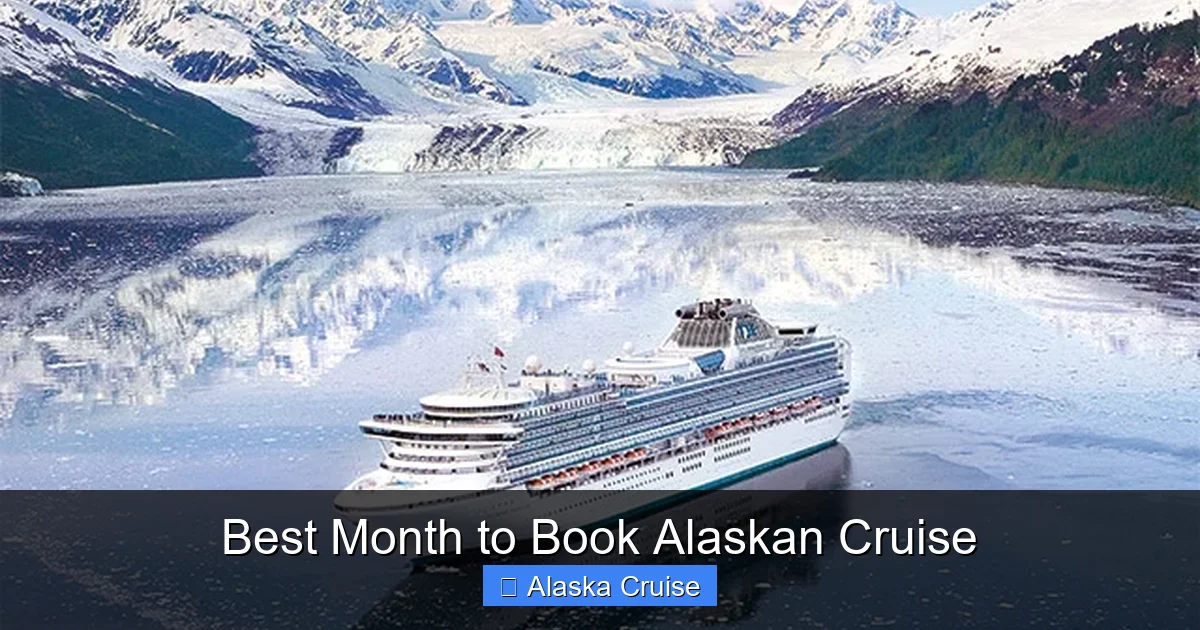
Visual guide about Best Month to Book Alaskan Cruise
Image source: wallpaperaccess.com
Now that you understand the seasonal differences, the next step is deciding when to book. The best month to book an Alaskan cruise isn’t just about the sailing date—it’s also about the timing of your reservation. Booking too early or too late can impact your cabin selection, price, and overall experience.
Early Booking: 6–12 Months in Advance
For peak season sailings—especially in July and August—booking 6 to 12 months in advance is highly recommended. Cruise lines typically release their itineraries and open bookings about a year ahead of time. By reserving early, you’ll have the widest selection of cabins, including oceanview, balcony, and suite options.
Early booking also increases your chances of securing popular itineraries, such as those that include Glacier Bay National Park. Due to environmental regulations, only a limited number of ships are allowed into Glacier Bay each day, and these spots fill up quickly. If visiting a glacier is a must-do for you, don’t wait.
Another benefit of early booking is access to early-bird promotions. Many cruise lines offer discounts, onboard credits, or free upgrades for reservations made well in advance. These perks can add significant value to your trip, especially if you’re booking a higher-category cabin.
However, early booking requires commitment. Cruise lines often have strict cancellation policies, and changing your dates or itinerary can be difficult. Be sure you’re confident in your travel plans before locking in a reservation.
Mid-Season Booking: 3–6 Months in Advance
Booking 3 to 6 months ahead is a sweet spot for many travelers. By this time, you’ve likely finalized your vacation plans, but there’s still a good selection of cabins available—especially if you’re flexible with your sailing date or cabin type.
This window is ideal for shoulder season cruises in May or September. Demand is lower, so you’re more likely to find availability on your preferred ship and route. You may also find promotional pricing or last-minute deals as cruise lines work to fill remaining cabins.
One tip: sign up for email alerts from your preferred cruise line or a travel agent. Many companies send exclusive offers to subscribers, including flash sales or limited-time discounts. These can be a great way to save money without sacrificing your ideal itinerary.
Late Booking: 2–4 Months in Advance
If you’re flexible and willing to take a chance, booking 2 to 4 months before your desired departure can yield significant savings. Cruise lines often reduce prices as the sailing date approaches, especially for less popular dates or cabin categories.
This strategy works best for May or September sailings, when demand is naturally lower. You might find a balcony cabin for the price of an inside stateroom, or a suite at a fraction of its peak-season cost. However, your options will be limited, and you may have to compromise on your preferred ship, itinerary, or departure port.
Late booking also carries some risk. If you’re traveling with a group or have specific excursion plans, availability may be scarce. Popular activities like flightseeing over glaciers or whale-watching tours often sell out weeks in advance.
Factors to Consider When Choosing Your Month
Beyond weather and pricing, several other factors should influence your decision about the best month to book an Alaskan cruise.
Wildlife Viewing Opportunities
Alaska is a wildlife lover’s paradise, but the best time to see certain animals varies by month. Bears are most active in July and August, when salmon are running and food is abundant. Whales, including humpbacks, orcas, and gray whales, are commonly seen from May through September, with peak sightings in June and July.
If wildlife is your top priority, consider booking a cruise that includes stops in prime viewing areas like Icy Strait Point, Glacier Bay, or the Inside Passage. Some ships even offer naturalist guides who provide commentary and help spot animals from the deck.
Weather and Packing Tips
Alaska’s weather is famously unpredictable. Even in summer, temperatures can vary widely, and rain is common. Pack layers, including a waterproof jacket, warm fleece, and moisture-wicking base layers. Don’t forget sturdy walking shoes, sunglasses, and sunscreen—yes, the sun can be strong, especially near glaciers.
Port and Excursion Availability
Not all ports and excursions operate year-round. Smaller communities like Haines or Petersburg may have limited services in May or September. Check your cruise line’s website or contact a travel agent to confirm which activities are available during your chosen month.
Conclusion
Choosing the best month to book an Alaskan cruise is a personal decision that depends on your priorities. If you want warm weather, long days, and peak wildlife, July is hard to beat. But if you’re looking for savings, fewer crowds, and a more intimate experience, May or September may be the perfect fit.
No matter when you go, Alaska promises an adventure of a lifetime. With careful planning and the right timing, your cruise can be everything you’ve dreamed of—and more.
Frequently Asked Questions
What is the cheapest month to book an Alaskan cruise?
The cheapest months to book an Alaskan cruise are typically May and September, during the shoulder seasons. Prices are lower due to reduced demand, and you can often find discounts on cabins and excursions.
Is it safe to cruise to Alaska in May?
Yes, it is safe to cruise to Alaska in May. While weather can be cooler and some services may be limited, major ports and cruise lines operate normally. Just pack warm, waterproof clothing and check excursion availability in advance.
Can you see the Northern Lights on an Alaskan cruise?
The Northern Lights are rarely visible on Alaskan cruises, as the season runs from May to September—when nights are too short and skies are too light. For aurora viewing, consider a winter trip to interior Alaska.
Do I need a passport for an Alaskan cruise?
If your cruise begins and ends in the same U.S. port (e.g., Seattle or Vancouver), a passport is not always required. However, it’s highly recommended in case of emergencies or itinerary changes.
What should I pack for an Alaskan cruise?
Pack layers, including a waterproof jacket, warm fleece, hat, gloves, and sturdy walking shoes. Don’t forget sunscreen, sunglasses, binoculars, and a camera for wildlife and scenery.
Are there family-friendly activities on Alaskan cruises?
Yes, most Alaskan cruises offer family-friendly activities, including kids’ clubs, educational programs, and excursions like whale watching, glacier viewing, and cultural tours in port towns.