
If you’re looking for the perfect balance between comfort, access, and adventure on an Alaska cruise, a midsize ship might be your ideal choice. These vessels—typically carrying 500 to 1,200 passengers—offer a more personal experience than massive mega-ships while still providing excellent amenities and itineraries that reach remote Alaskan gems.
Key Takeaways
- Midsize ships offer a sweet spot: They’re small enough to access narrow fjords and remote ports but large enough to feature pools, multiple dining options, and entertainment.
- Better wildlife viewing opportunities: With fewer passengers, you’ll enjoy quieter decks and less crowded viewing areas for whales, bears, and glaciers.
- More personalized service: Crew-to-guest ratios are often higher on midsize ships, meaning more attentive service and easier access to staff.
- Flexible itineraries: Many midsize lines include unique stops like Hoonah, Icy Strait Point, or Tracy Arm Fjord—places too small for larger ships.
- Ideal for first-time and repeat cruisers: Whether it’s your first Alaska trip or your fifth, midsize cruises provide depth without overwhelming complexity.
- Seasonal timing matters: Late May through early September offers the best weather, wildlife activity, and glacier calving views.
- Pack smart: Layers, waterproof gear, and binoculars are must-haves—regardless of ship size.
📑 Table of Contents
Why Choose a Midsize Alaska Cruise?
Alaska is one of the world’s last great wilderness frontiers—a land of towering glaciers, roaring waterfalls, and wildlife that roams free. But experiencing it by cruise ship isn’t a one-size-fits-all adventure. While massive ocean liners dominate headlines with their sky-high capacities and flashy amenities, many travelers are discovering that a midsize Alaska cruise offers something far more valuable: intimacy with nature.
Midsize ships—generally ranging from 500 to 1,200 passengers—strike a rare balance. They’re compact enough to glide into narrow inlets like Endicott Arm or dock in small towns like Ketchikan or Skagway, yet spacious enough to offer comfortable cabins, multiple dining venues, fitness centers, and even live entertainment. You won’t feel lost in a sea of people, nor will you sacrifice the conveniences that make cruising enjoyable.
Think of it this way: on a 4,000-passenger mega-ship, you might wait 20 minutes just to get a coffee in the morning. On a midsize vessel, you’re likely to recognize the barista by day three. That personal touch extends to shore excursions too—smaller groups mean more flexibility, better guide-to-tourist ratios, and often, exclusive access to hidden gems.
The Sweet Spot Between Intimacy and Comfort
One of the biggest misconceptions about smaller ships is that they skimp on comfort. Not true. Modern midsize Alaska cruise ships are engineered for both efficiency and luxury. Brands like UnCruise Adventures, Seabourn, and Princess Cruises (with their newer Coral and Island Princess ships) have invested heavily in cabin design, onboard dining, and guest experiences.
For example, UnCruise’s *Wilderness Explorer*—a 76-guest vessel—features heated bathroom floors, panoramic lounges, and even a hydrophone to listen to underwater whale sounds. Meanwhile, Seabourn’s *Odyssey*-class ships (around 450 guests) offer all-suite accommodations, open-seating dining, and complimentary premium beverages. These aren’t stripped-down expeditions; they’re refined journeys designed for travelers who want depth without deprivation.
And let’s talk about space. On a midsize ship, you’re not fighting for a deck chair at 7 a.m. You can wander the promenade deck at sunset without dodging selfie sticks. The observation lounges are rarely packed, so you can actually sit and soak in the view of a calving glacier without someone photobombing your moment.
Access to Remote and Scenic Locations
Alaska’s beauty isn’t just in its big cities—it’s in its quiet corners. And midsize ships excel at reaching them. While mega-ships often stick to the “Big Three” ports (Juneau, Ketchikan, Skagway), midsize vessels frequently venture deeper.
Take Icy Strait Point near Hoonah, for instance. This former cannery town is now a hub for bear viewing, zip-lining, and Tlingit cultural experiences. Only smaller ships can dock here comfortably. Similarly, Tracy Arm Fjord—a dramatic, glacier-lined inlet south of Juneau—is best explored by ships under 1,000 passengers. Larger vessels simply can’t navigate its tight turns or shallow waters.
Even Glacier Bay National Park has passenger limits per day to protect the ecosystem. Midsize ships often get priority booking because they align with the park’s conservation ethos. That means you’re more likely to spend a full day cruising among icebergs and humpback whales without feeling rushed.
Top Midsize Cruise Lines for Alaska
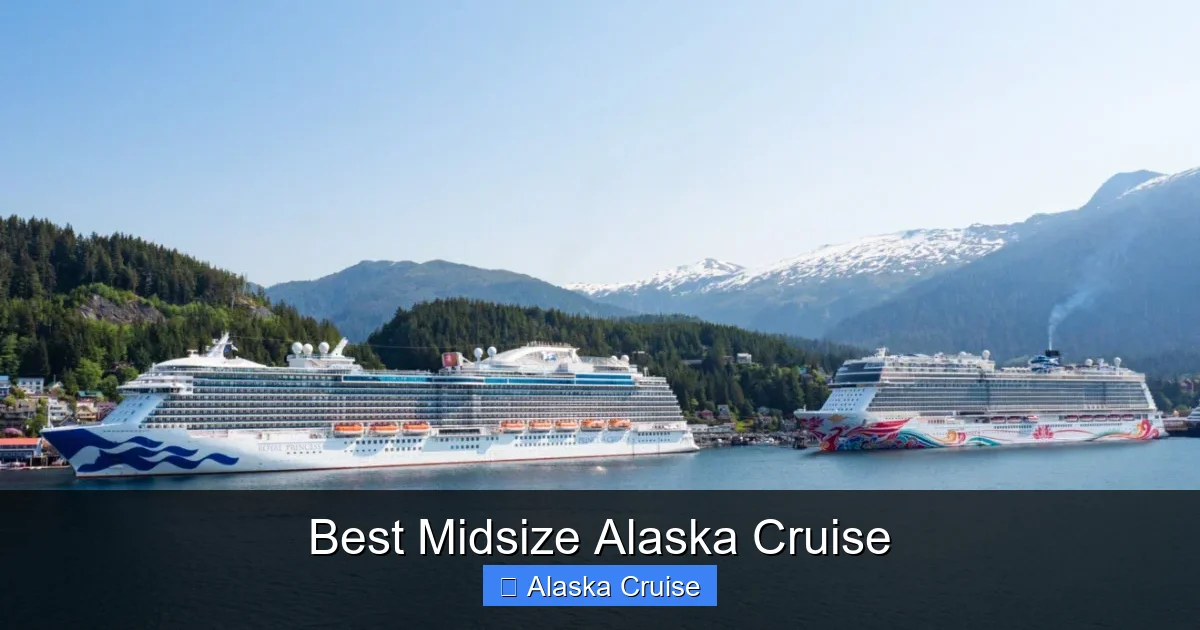
Visual guide about Best Midsize Alaska Cruise
Image source: cruisehive.com
Not all midsize cruises are created equal. Some focus on adventure, others on luxury, and a few blend both. Here’s a look at the standout players in the midsize Alaska cruise market.
UnCruise Adventures: The Ultimate Adventure Cruise
If your idea of an Alaska cruise includes kayaking beside glaciers, hiking through old-growth forests, and spotting sea otters from a Zodiac, UnCruise is your match. With ships ranging from 22 to 86 guests, UnCruise leans into its name—offering uncrowded, uncensored access to wild Alaska.
Their itineraries often include stops like Sitka, where you can visit St. Michael’s Cathedral and learn about Russian colonial history, or Petersburg, a charming fishing village known as “Little Norway.” Daily excursions are included in the fare, and naturalists lead every outing. Meals feature locally sourced seafood—think fresh halibut and Dungeness crab—prepared with flair.
What sets UnCruise apart? Flexibility. If a pod of orcas is spotted off the starboard bow, the captain will alter course. If the weather clears unexpectedly over a mountain trail, your guide will extend the hike. It’s not just a cruise—it’s a responsive, immersive journey.
Seabourn: Luxury Meets Wilderness
For travelers who want five-star service amid raw nature, Seabourn delivers. Their *Odyssey*-class ships (Seabourn Odyssey, Quest, and Sojourn) carry around 450 guests and feature all-suite accommodations with private verandas—a rarity even on larger luxury lines.
Onboard, you’ll find gourmet dining by renowned chefs, a full-service spa, and enrichment programs led by marine biologists and historians. Shore excursions range from helicopter glacier landings to dog sledding on ice fields (via Juneau’s Musher’s Camp). Seabourn also offers “Ventures by Seabourn,” which includes guided hikes, paddleboarding, and cultural visits with Indigenous communities.
One guest described her Seabourn Alaska cruise as “like staying in a floating boutique hotel that just happens to sail past icebergs every morning.” It’s indulgent, yes—but never at the expense of authenticity.
Princess Cruises: The Gold Standard for Balance
Princess remains a favorite among first-time Alaska cruisers, and their midsize ships—like the Coral Princess and Island Princess (each around 1,970 guests, but feel smaller due to thoughtful design)—offer a compelling middle ground.
These ships visit all the classic ports but also include scenic cruising days in Glacier Bay and Hubbard Glacier. Princess is known for its “North to Alaska” programming: live music, cooking demos with local ingredients, and lectures on Tlingit culture. Their “Meds & Glaciers” itinerary even includes a stop in Victoria, BC, adding a touch of Old World charm.
What’s more, Princess partners with local experts for shore excursions. In Ketchikan, you might join a Native guide for a rainforest walk. In Skagway, you could ride the historic White Pass & Yukon Route Railway. The ship’s size allows for robust amenities—multiple pools, a movie under the stars, and specialty restaurants—without sacrificing access to key sights.
American Cruise Lines: U.S.-Flagged and Intimate
If you prefer a homegrown experience, American Cruise Lines operates U.S.-flagged ships that sail exclusively in American waters—including Alaska. Their vessels, like the *American Constellation* and *American Spirit*, carry between 100 and 180 passengers and focus on coastal exploration.
These ships emphasize American history and culture, with onboard historians and regional cuisine. They often call on lesser-known ports like Wrangell (home to petroglyphs and bald eagles) and Haines (a gateway to the Chilkat Bald Eagle Preserve). Because they’re American-owned and operated, they can dock in small harbors that foreign-flagged ships cannot.
It’s a quieter, more reflective way to see Alaska—perfect for history buffs and those seeking a slower pace.
What to Expect Onboard a Midsize Alaska Cruise
So, what does a typical day look like on a midsize Alaska cruise? It’s a blend of relaxation, exploration, and discovery—all tailored to the rhythms of nature.
Dining: Fresh, Local, and Varied
Gone are the days of buffet-only meals on smaller ships. Today’s midsize vessels pride themselves on culinary excellence. Many feature open-seating dining, so you’re not tied to a rigid schedule. Menus highlight Alaskan ingredients: wild salmon, reindeer sausage, fireweed honey, and foraged berries.
On UnCruise, dinner might be served on the aft deck as the sun sets over a fjord. On Seabourn, you could enjoy a seven-course tasting menu paired with rare wines. Even on more casual ships like those from American Cruise Lines, meals are freshly prepared and often include regional specialties like king crab legs or sourdough pancakes.
Special dietary needs? No problem. Most midsize lines accommodate gluten-free, vegetarian, and allergy-friendly requests with advance notice.
Entertainment and Enrichment
Don’t expect Broadway-style shows on midsize ships—but that’s part of their charm. Instead, you’ll find intimate performances: local musicians playing folk tunes, Native dancers sharing traditional stories, or naturalists giving evening talks on glacier formation.
Many ships host “Alaska Nights” with themed dinners, craft workshops, or stargazing sessions. Some even offer citizen science opportunities, where guests help track wildlife or water quality alongside researchers.
The focus is on connection—to the land, the culture, and each other. You might strike up a conversation with a fellow traveler over a shared sighting of a breaching whale, or learn to weave a cedar basket from a Tlingit elder during a port visit.
Cabin Comfort and Amenities
Cabins on midsize ships vary by line, but most offer generous space, large windows, and thoughtful details. Suites often include verandas, sitting areas, and upgraded toiletries. Even standard staterooms prioritize comfort with high-quality linens, ample storage, and climate control.
Bathrooms are typically well-appointed, with modern fixtures and plenty of hot water—a real luxury after a chilly day on deck. Some ships, like those from Seabourn, include complimentary minibar items and nightly turndown service with chocolates.
Wi-Fi is available, though speeds can be slower in remote areas. Consider purchasing a premium package if you plan to stream or video call. Alternatively, embrace the digital detox—many guests find they sleep better and engage more deeply with their surroundings when unplugged.
Best Itineraries and Ports for Midsize Ships
One of the biggest advantages of a midsize Alaska cruise is the diversity of itineraries. While most follow a north-south route between Seattle or Vancouver and Anchorage (or Seward), the stops in between can vary widely.
Classic Roundtrip from Seattle or Vancouver
This 7-night loop typically includes:
– **Ketchikan:** Known as the “Salmon Capital of the World,” it’s your first taste of Southeast Alaska. Walk the Creek Street boardwalk, visit Totem Bight State Park, or take a floatplane tour over Misty Fjords.
– **Juneau:** Alaska’s capital has no road access—you arrive by boat or plane. Don’t miss the Mendenhall Glacier, a 13-mile river of ice just 12 miles from downtown. Shore excursions include whale watching, glacier hiking, and visiting the Alaska State Museum.
– **Skagway:** Step back in time to the Gold Rush era. Ride the White Pass Railroad, pan for gold, or explore the historic downtown. Many ships offer late departures so you can enjoy dinner at a local saloon.
– **Glacier Bay or Tracy Arm:** These scenic cruising days are the highlight for many. Keep binoculars handy—you might see seals on ice floes, bears along the shore, or eagles nesting in cliffs.
One-Way Cruises: Vancouver to Seward (or vice versa)
These 7- to 10-night journeys add depth and include more remote stops:
– **Icy Strait Point (Hoonah):** Home to the highest concentration of brown bears in Alaska. Try the world’s longest zip line or join a bear-watching tour.
– **Petersburg:** A working fishing community with Norwegian roots. Visit the Clausen Museum, watch fishermen unload halibut, or take a boat tour to see sea lions.
– **Wrangell:** Explore ancient petroglyphs at Petroglyph Beach or take a jet boat up the Stikine River to see glaciers and wildlife.
– **Hubbard Glacier:** One of the largest tidewater glaciers in North America. Ships often stop for an hour or more to watch calving events—when massive chunks of ice break off and crash into the water.
Extended and Expedition Itineraries
Some midsize lines offer 10- to 14-night cruises that venture further north:
– **College Fjord:** Near Whittier, this fjord is lined with glaciers named after Ivy League schools. It’s a quieter alternative to Glacier Bay.
– **Kenai Fjords:** From Seward, you can explore Resurrection Bay and see otters, puffins, and possibly orcas.
– **Prince William Sound:** A pristine wilderness area with abundant marine life. Some itineraries include a stop in Valdez, known for its dramatic mountain backdrop.
Packing Tips and Practical Advice
Packing for an Alaska cruise—especially on a midsize ship—requires strategy. The weather can shift from sunny and 65°F to rainy and 45°F in hours. Here’s what to bring:
– **Layered clothing:** Think moisture-wicking base layers, fleece mid-layers, and a waterproof outer shell. Avoid cotton—it stays wet and cold.
– **Waterproof footwear:** Non-slip, insulated boots are essential for wet docks and muddy trails.
– **Binoculars:** A must for wildlife viewing. Compact 8×42 models work best.
– **Reusable water bottle:** Most ships offer filtered water stations.
– **Daypack:** For carrying snacks, cameras, and extra layers during excursions.
– **Motion sickness remedies:** Even in calm waters, some people feel queasy. Ginger chews, patches, or prescription meds can help.
– **Camera with extra batteries:** Cold drains batteries fast. Bring spares and a waterproof case.
Pro tip: Pack a small duffel or collapsible bag for port days. Many guests use it to carry souvenirs or wet gear back to the ship.
Also, check your cruise line’s dress code. Most midsize ships are casual during the day and smart-casual in the evening—no formal nights required. But if you’re sailing with Seabourn or another luxury line, you might want a nicer outfit for dinner.
When to Go: Timing Your Alaska Cruise
Alaska’s cruise season runs from mid-May to mid-September. Each month offers a different experience:
– **May–Early June:** Fewer crowds, lower prices, and blooming wildflowers. Wildlife is active, but some excursions may be limited due to lingering snow.
– **Mid-June–July:** Peak season. Warmest weather, longest days (up to 19 hours of daylight), and full access to all ports and activities. Expect higher prices and more tourists.
– **August:** Still excellent weather, with peak salmon runs and bear activity near rivers. Crowds begin to thin after mid-month.
– **September:** Crisp air, fall colors, and fewer ships. Some lines end their season early, so itineraries may be shorter. Wildlife is abundant as animals prepare for winter.
For glacier calving, aim for July or August—when warmer temperatures increase ice movement. For whale watching, June and September are prime times, as humpbacks feed heavily before and after migration.
Final Thoughts: Is a Midsize Alaska Cruise Right for You?
Choosing the right Alaska cruise comes down to what kind of traveler you are. If you crave space, solitude, and a deep connection to nature—without giving up comfort—a midsize ship is likely your best bet.
You’ll enjoy quieter decks, more personalized service, and access to ports and fjords that larger ships can’t reach. Whether you’re sipping coffee on your veranda as a glacier calves in the distance or sharing stories with new friends over locally caught salmon, the experience feels authentic and unhurried.
Yes, you might miss the rock climbing wall or ice skating rink found on mega-ships. But in their place, you gain something far more valuable: time—to watch, to listen, to truly see Alaska.
So if you’re ready to trade crowds for calm, and spectacle for substance, book that midsize Alaska cruise. Your adventure—and your memories—will be all the richer for it.
Frequently Asked Questions
What defines a midsize Alaska cruise ship?
A midsize Alaska cruise ship typically carries between 500 and 1,200 passengers. These vessels are small enough to access narrow fjords and remote ports but large enough to offer amenities like multiple dining venues, pools, and entertainment.
Are midsize ships less crowded than large cruise ships?
Yes. With fewer passengers, midsize ships offer more personal space on decks, in lounges, and during excursions. You’re less likely to encounter long lines or crowded viewing areas.
Can midsize ships visit Glacier Bay National Park?
Many can—and often do. Glacier Bay has daily passenger limits to protect the environment, and midsize ships frequently receive priority due to their smaller footprint and eco-friendly practices.
Do midsize cruises include shore excursions?
It depends on the line. UnCruise and Seabourn include most excursions in the fare, while others sell them separately. Always check what’s included before booking.
Is Wi-Fi reliable on midsize Alaska cruise ships?
Wi-Fi is available but can be slow in remote areas. Premium packages offer better speeds, but many guests choose to unplug and enjoy the natural surroundings instead.
What’s the best time of year for a midsize Alaska cruise?
Late June through August offers the best weather, full access to ports, and peak wildlife activity. September is ideal for fewer crowds and fall colors, while May offers lower prices and solitude.