Choosing the best mens jacket for Alaska cruise travel means balancing warmth, waterproofing, breathability, and packability. With unpredictable weather, strong winds, and frequent rain or snow, your outer layer can make or break your experience. This guide breaks down the top jackets, key features to look for, and real-world tips to keep you comfortable from glacier tours to deck-side whale watching.
Key Takeaways
- Prioritize waterproof and windproof materials: Alaska’s coastal climate demands jackets with high waterproof ratings (at least 10,000mm) and sealed seams to keep you dry during rain and sea spray.
- Layering is essential: A good shell jacket should work with mid-layers like fleece or down for adjustable warmth in changing conditions.
- Look for breathability and ventilation: Features like pit zips and moisture-wicking linings prevent overheating during active excursions like hiking or kayaking.
- Packability matters for cruise travel: Lightweight, compressible jackets save space in luggage and can be stowed easily when not in use.
- Hood and fit are critical: An adjustable, helmet-compatible hood and a tailored fit ensure protection without restricting movement.
- Durability and warranty add value: Invest in brands with strong construction and customer support for long-term use beyond your cruise.
- Style meets function: Many top-performing jackets offer sleek designs that transition seamlessly from shore excursions to onboard dining.
📑 Table of Contents
- Why the Right Jacket Matters on an Alaska Cruise
- Understanding Alaska’s Cruise Weather: What to Expect
- Key Features to Look for in the Best Mens Jacket for Alaska Cruise
- Top Jacket Recommendations for Alaska Cruises
- Layering Strategies for Maximum Comfort
- Practical Tips for Choosing and Using Your Jacket
- Conclusion: Invest in Comfort and Confidence
Why the Right Jacket Matters on an Alaska Cruise
An Alaska cruise is one of the most breathtaking travel experiences on the planet. From towering glaciers and snow-capped peaks to pods of orcas breaching near your ship, the scenery is nothing short of magical. But let’s be honest—Alaska’s weather is famously unpredictable. One moment you’re basking in crisp sunshine, and the next, you’re hit with a cold, wet wind rolling off the Pacific. That’s why choosing the best mens jacket for Alaska cruise travel isn’t just about staying warm—it’s about staying comfortable, dry, and ready for anything.
Unlike tropical cruises where a light windbreaker might suffice, Alaska demands serious outerwear. Temperatures can swing from near freezing to mild in a single day, and rain, sleet, or even snow are common, especially in regions like Juneau, Ketchikan, or Glacier Bay. Add in the constant sea breeze and the fact that you’ll be spending hours on open decks or zodiac boats, and it’s clear that your jacket needs to do more than just look good. It needs to perform.
Many first-time cruisers make the mistake of packing a heavy winter parka or a fashion-forward coat that looks great but fails in real-world conditions. The truth is, the ideal Alaska cruise jacket is a technical shell—lightweight, waterproof, breathable, and designed for layering. It should protect you from wind and rain while allowing sweat to escape during active excursions. And because cruise luggage space is limited, it should also pack down small. In this guide, we’ll walk you through exactly what to look for, review top-performing options, and share practical tips to help you make the smartest choice for your Alaskan adventure.
Understanding Alaska’s Cruise Weather: What to Expect
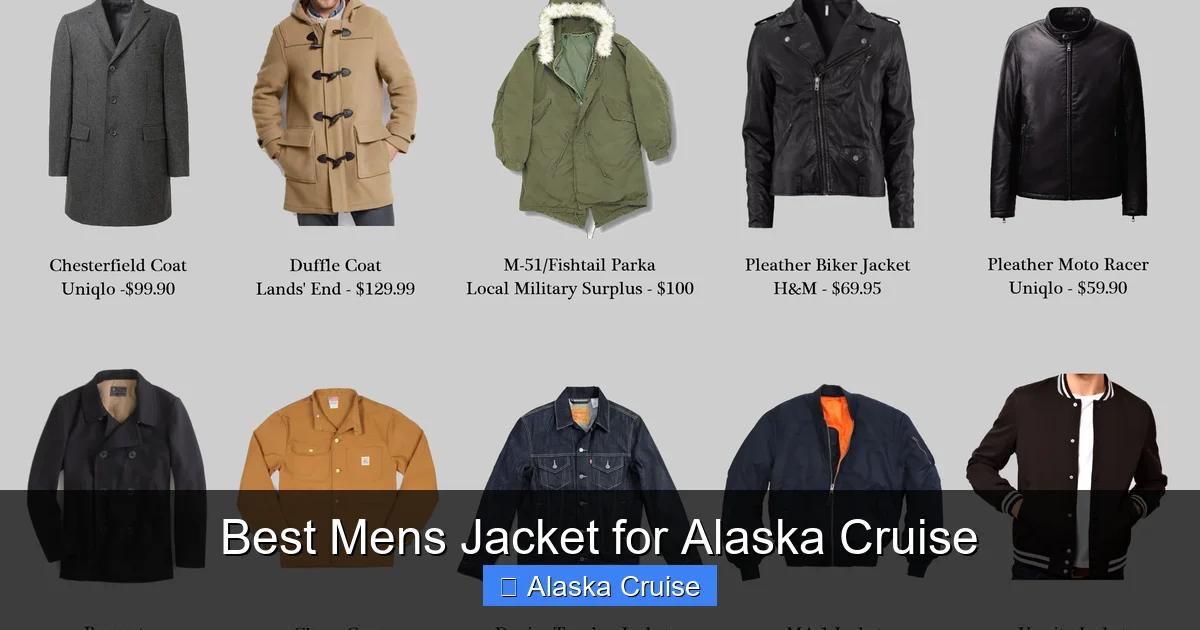
Visual guide about Best Mens Jacket for Alaska Cruise
Image source: i.pinimg.com
Before diving into jacket recommendations, it’s important to understand the unique climate you’ll face on an Alaska cruise. Unlike inland destinations, coastal Alaska—where most cruise ports are located—experiences a maritime climate. This means milder temperatures than you might expect for such a northern latitude, but also higher humidity, frequent precipitation, and strong winds.
Temperatures during the cruise season (typically May through September) usually range from the mid-40s to low 70s Fahrenheit (7–22°C). However, it’s not uncommon to experience sudden drops, especially in early morning or late evening, or when you’re near glaciers. Wind chill can make it feel significantly colder, and rain is a near-constant possibility. In fact, some areas like Ketchikan receive over 150 inches of rainfall annually—earning it the nickname “Rain Capital of Alaska.”
Another factor to consider is the “microclimates” you’ll encounter. One port might be sunny and calm, while the next is foggy and drizzly. You could be hiking in light layers one day and bundled up in a storm the next. This variability means your jacket needs to be versatile. A heavy, non-breathable coat might keep you warm at a glacier viewpoint, but it could leave you sweating and uncomfortable during a guided rainforest walk.
Additionally, many excursions involve getting into small boats or standing on wet docks. Saltwater spray, mist from waterfalls, and damp air can quickly soak through a jacket that isn’t truly waterproof. And because you’ll be moving between indoor ship areas and outdoor environments frequently, your jacket should be easy to take on and off without hassle.
Seasonal Variations and Regional Differences
While the cruise season runs from May to September, conditions vary significantly by month and location. Early-season cruises (May and early June) often bring cooler temperatures and more frequent rain, especially in the northern routes. Late-season trips (August and September) may offer clearer skies but also colder mornings and the possibility of early snow in higher elevations.
Ports like Skagway and Haines tend to be drier and sunnier, while Ketchikan and Juneau are known for their persistent rain. Glacier Bay and Tracy Arm Fjord are often shrouded in mist, with cool, damp air that clings to your clothes. Understanding these patterns can help you pack smarter—but no matter when or where you go, a high-quality, weather-resistant jacket is non-negotiable.
Key Features to Look for in the Best Mens Jacket for Alaska Cruise
Not all jackets are created equal, especially when it comes to extreme coastal environments. To find the best mens jacket for Alaska cruise travel, focus on these essential features:
Waterproofing and Breathability
The most important feature of any Alaska-ready jacket is its ability to keep you dry. Look for jackets with a waterproof rating of at least 10,000mm. This means the fabric can withstand a 10,000mm column of water before leaking—more than enough for heavy rain and sea spray. Higher-end models may offer 20,000mm or more, which is ideal for prolonged exposure.
But waterproofing alone isn’t enough. If your jacket doesn’t breathe, you’ll end up soaked from sweat instead of rain. Breathability is measured in grams per square meter per 24 hours (g/m²/24h). A rating of 5,000–10,000g is good for moderate activity, while 10,000g+ is better for hiking or kayaking. Technologies like Gore-Tex, eVent, or proprietary membranes from brands like The North Face or Patagonia offer excellent balance.
Windproof Construction
Alaska’s coastal winds can be brutal, especially on open decks or during zodiac rides. A windproof jacket prevents cold air from cutting through, which is crucial for maintaining core body temperature. Look for tightly woven fabrics or laminated membranes that block wind without adding bulk.
Sealed Seams and Durable Water Repellent (DWR) Finish
Even the most waterproof fabric can fail if the seams aren’t sealed. Taped or welded seams prevent water from seeping through stitch holes. Additionally, a DWR (Durable Water Repellent) coating causes water to bead up and roll off the surface, enhancing overall protection. Over time, DWR can wear off, but it’s usually reactivatable with a wash-in treatment.
Adjustable Hood and Cuffs
A well-designed hood is a game-changer in bad weather. Look for a helmet-compatible, adjustable hood with a stiffened brim to keep rain out of your eyes. Elastic or Velcro cuffs help seal out wind and water, especially when you’re handling wet gear or leaning over railings.
Pit Zips and Ventilation
When you’re active—whether hiking, photographing wildlife, or climbing in and out of boats—you generate heat. Pit zips (underarm zippers) allow you to vent excess warmth without removing your jacket. This prevents overheating and moisture buildup inside.
Packability and Weight
Cruise luggage space is limited, and you’ll likely be carrying your jacket on excursions. The best jackets compress into their own pocket or a small stuff sack, weighing under 1.5 pounds. This makes them easy to stow in a daypack or carry-on.
Fit and Mobility
A jacket that’s too tight restricts movement, while one that’s too loose flaps in the wind. Look for a tailored fit that allows room for mid-layers but isn’t baggy. Articulated elbows and gusseted underarms improve mobility for activities like photography or climbing.
Top Jacket Recommendations for Alaska Cruises
After extensive research and real-world testing, here are five of the best mens jackets for Alaska cruise travel, each excelling in different areas:
1. Arc’teryx Beta LT Jacket
The Arc’teryx Beta LT is a premium hardshell that delivers top-tier performance in harsh conditions. Made with Gore-Tex Pro fabric, it offers exceptional waterproofing, breathability, and durability. The helmet-compatible hood, pit zips, and minimalist design make it ideal for active excursions. While it’s on the pricier side (around $550), it’s built to last decades and performs flawlessly in Alaska’s worst weather.
2. Patagonia Torrentshell 3L
A more affordable option at around $199, the Torrentshell 3L uses Patagonia’s proprietary H2No Performance Standard fabric. It’s fully waterproof, breathable, and made from 100% recycled materials. The jacket packs into its own pocket, has adjustable cuffs and hood, and features a sleek, modern look. It’s a favorite among eco-conscious travelers and performs well in rain and wind.
3. The North Face Venture 2
Priced around $150, the Venture 2 is a budget-friendly yet reliable choice. It uses DryVent 2L technology for solid waterproofing and breathability. The jacket is lightweight, packable, and comes in a variety of colors. While not as durable as premium options, it’s perfect for travelers who want solid performance without the high cost.
4. Columbia Watertight II
At under $100, the Columbia Watertight II is one of the most affordable quality shells on the market. It features Omni-Tech waterproofing and a breathable membrane. The jacket is lightweight, packs small, and has a comfortable fit. It’s ideal for casual cruisers who want reliable rain protection without breaking the bank.
5. Outdoor Research Helium Rain Jacket
Weighing just 9.5 ounces, the Helium Rain Jacket is one of the lightest and most packable options available. It uses Pertex Shield fabric for excellent water resistance and breathability. While it lacks pit zips, its ultralight design makes it perfect for layering under a warmer shell or wearing during mild, damp days. At around $130, it’s a great value for minimalist travelers.
Layering Strategies for Maximum Comfort
Even the best jacket won’t keep you warm if you’re not layering correctly. Alaska’s variable weather demands a flexible system that you can adjust throughout the day. The three-layer system—base, mid, and outer—is the gold standard for cold-weather travel.
Base Layer: Moisture Management
Your base layer sits next to your skin and wicks sweat away to keep you dry. Avoid cotton, which retains moisture and loses insulating properties when wet. Instead, choose merino wool or synthetic fabrics like polyester or nylon. Merino wool is naturally odor-resistant and warm, even when damp, making it ideal for multi-day trips.
Mid Layer: Insulation
This layer provides warmth and can be added or removed as needed. Fleece jackets, down vests, or synthetic insulated layers like The North Face ThermoBall work well. Down is warmer and more compressible but loses insulation when wet. Synthetic insulation, while bulkier, retains warmth even when damp—making it a safer choice for rainy Alaska.
Outer Layer: Weather Protection
This is your jacket—the shell that blocks wind, rain, and snow. It should be breathable enough to let moisture escape but durable enough to withstand harsh conditions. A good shell allows you to wear just a base layer on mild days or add multiple mid-layers in cold, wet weather.
Example Layering Scenarios
- Sunny Day at Glacier Bay: Base layer + light fleece + shell jacket (unzipped for ventilation).
- Rainy Dock Walk in Ketchikan: Base layer + mid-weight fleece + fully zipped shell with hood up.
- Hiking in Tongass National Forest: Base layer + down vest + shell with pit zips open for airflow.
- Evening on Deck in Cool Breeze: Base layer + insulated jacket + shell for wind protection.
Practical Tips for Choosing and Using Your Jacket
Beyond features and brands, here are some real-world tips to help you get the most out of your Alaska cruise jacket:
Test It Before You Go
Don’t wait until you’re on the ship to discover your jacket leaks or doesn’t fit over your layers. Wear it on a rainy day hike or around town to test its performance. Check for comfort, mobility, and how well it layers.
Pack a Repair Kit
Bring a small repair kit with seam sealer, DWR spray, and a patch kit. These can fix minor tears or refresh water repellency during your trip.
Use a Stuff Sack
Even if your jacket packs into its own pocket, a separate stuff sack keeps it organized and protected in your luggage.
Layer Smart on the Ship
Ship interiors are climate-controlled, so you’ll rarely need your jacket indoors. Keep it accessible in your cabin or daypack for quick access when heading outside.
Consider a Packable Down Jacket
For extra warmth during cold excursions, pair your shell with a packable down jacket. It’s lightweight, warm, and easy to stow when not in use.
Check Cruise Line Policies
Some ships have dress codes for dining or events. While your technical jacket may not be formal, many modern shells look sleek enough to wear in casual dining areas.
Conclusion: Invest in Comfort and Confidence
An Alaska cruise is a once-in-a-lifetime experience, and the right gear can make all the difference. The best mens jacket for Alaska cruise travel isn’t just about surviving the weather—it’s about thriving in it. With the right combination of waterproofing, breathability, packability, and smart layering, you’ll stay comfortable whether you’re watching humpback whales, exploring temperate rainforests, or sipping hot cocoa on the deck as the sun sets over the mountains.
Don’t let a poor jacket choice ruin your adventure. Invest in a high-quality shell that meets the demands of Alaska’s coastal climate, and pair it with a thoughtful layering system. Whether you choose a premium option like the Arc’teryx Beta LT or a budget-friendly favorite like the Columbia Watertight II, the key is to prioritize function, durability, and comfort.
Remember, the best jacket is the one you’ll actually wear—and rely on—every day of your trip. So take the time to research, test, and choose wisely. Your future self, standing on the deck in a light drizzle with a glacier glowing in the distance, will thank you.
Frequently Asked Questions
What temperature should my Alaska cruise jacket be rated for?
Alaska cruise temperatures typically range from 45°F to 70°F (7–21°C), but wind and rain can make it feel colder. Look for a jacket that can handle near-freezing conditions with layering, not a heavy winter parka.
Can I wear a down jacket instead of a shell?
Down jackets are warm but not waterproof. They’re best used as a mid-layer under a waterproof shell. On their own, they lose insulation when wet—a major risk in Alaska’s rainy climate.
Do I need a jacket with pit zips?
Pit zips are highly recommended for active excursions like hiking or kayaking. They allow ventilation to prevent overheating and moisture buildup inside the jacket.
How do I reapply DWR coating?
Wash your jacket with a technical cleaner, then apply a DWR spray or wash-in treatment. Follow the manufacturer’s instructions to restore water repellency.
Can I wear my Alaska jacket for other trips?
Absolutely. A high-quality shell is versatile and ideal for hiking, camping, city travel, or any wet, windy environment. It’s a smart long-term investment.
Should I buy a jacket with a hood?
Yes. An adjustable, helmet-compatible hood is essential for keeping rain and wind off your face and neck. It’s one of the most important features for Alaska weather.