
Choosing the best gloves for Alaska cruise is essential for staying warm, dry, and comfortable in cold, wet conditions. From glacier hikes to whale watching, the right pair protects against wind, rain, and sub-zero temperatures while allowing dexterity for photography and daily activities.
Planning an Alaska cruise is exciting—majestic glaciers, towering mountains, playful whales, and breathtaking fjords await. But let’s be honest: the weather can be unpredictable. One moment you’re basking in golden sunlight, the next you’re hit by a chilly coastal breeze or a sudden downpour. That’s why packing the right gear is just as important as booking the perfect itinerary. Among the most overlooked yet essential items? Gloves.
When you’re standing on the deck of a ship, camera in hand, trying to snap a photo of a breaching humpback whale, the last thing you want is numb, wet fingers. Or imagine hiking through a misty rainforest on Ketchikan or stepping onto a Zodiac boat for a glacier tour—your hands need to stay warm, dry, and functional. The best gloves for Alaska cruise aren’t just about warmth; they’re about performance, protection, and peace of mind.
Alaska’s coastal climate is famously damp and cool, even in summer. Temperatures rarely climb above 60°F (15°C), and wind chill can drop it much lower. Add in frequent rain, sea spray, and the occasional snow flurry, and you’ve got a recipe for cold, uncomfortable hands—unless you’re prepared. The right gloves can make the difference between an unforgettable adventure and a miserable one. They keep you comfortable during long days ashore, protect against the elements, and let you fully enjoy every moment of your journey.
Key Takeaways
- Waterproofing is critical: Alaska’s coastal weather brings rain, snow, and sea spray—opt for fully waterproof gloves to keep hands dry.
- Insulation matters: Look for gloves with synthetic or down insulation to retain heat even when wet, especially during shore excursions.
- Wind resistance is a must: Coastal winds can make temperatures feel much colder—choose windproof materials like Gore-Tex or softshell fabrics.
- Dexterity for photography: Touchscreen-compatible fingertips and flexible designs let you capture stunning Alaskan wildlife without removing gloves.
- Layering works best: Use thin liner gloves under heavier mittens for adjustable warmth and moisture management.
- Durability and grip: Rugged palms and textured grips help when handling ropes, railings, or hiking gear during outdoor adventures.
- Fit and comfort: A snug but not tight fit prevents cold air entry and ensures long-wear comfort during full-day excursions.
📑 Table of Contents
- Why Gloves Are Essential on an Alaska Cruise
- Key Features to Look for in Alaska Cruise Gloves
- Top Glove Recommendations for Alaska Cruises
- Layering Gloves: The Smart Way to Stay Warm
- Common Mistakes to Avoid When Choosing Gloves
- How to Care for Your Gloves During the Cruise
- Final Tips for Staying Warm and Comfortable
- Conclusion
Why Gloves Are Essential on an Alaska Cruise
Alaska cruises are all about outdoor exploration. Whether you’re cruising through Glacier Bay, hiking in Juneau, or whale watching in Sitka, your hands are constantly exposed to the elements. Unlike other destinations where you might only need gloves for a few hours, Alaska demands constant protection. The combination of cold air, wet conditions, and strong winds makes hand protection non-negotiable.
One of the biggest mistakes travelers make is underestimating how cold it can feel on the water. Even in July, temperatures on the deck of a ship can feel like 40°F (4°C) or lower due to wind chill. And when you’re zipping through icy waters in a small boat, that wind cuts right through lightweight gloves. Without proper insulation and windproofing, your hands can go numb in minutes—making it impossible to operate a camera, hold a railing, or even enjoy a warm drink.
Another factor is moisture. Alaska is known for its rainforests and frequent precipitation. Sea spray from waves can soak your hands in seconds, and wet gloves lose their insulating power fast. That’s why waterproofing isn’t just a nice-to-have—it’s a necessity. The best gloves for Alaska cruise are designed to keep water out while allowing sweat to escape, so your hands stay dry from the inside and out.
Durability also plays a role. You’ll be gripping cold metal railings, handling wet ropes, and possibly hiking over rocky terrain. Gloves that tear or wear out quickly won’t last the trip. Look for reinforced palms and abrasion-resistant materials that can handle real-world use.
Finally, consider the activities. Photography is a huge part of any Alaska cruise. You’ll want gloves that let you adjust camera settings, zoom lenses, and use touchscreens without constantly taking them off. The same goes for using smartphones, GPS devices, or even just zipping up a jacket. Dexterity is key.
Key Features to Look for in Alaska Cruise Gloves
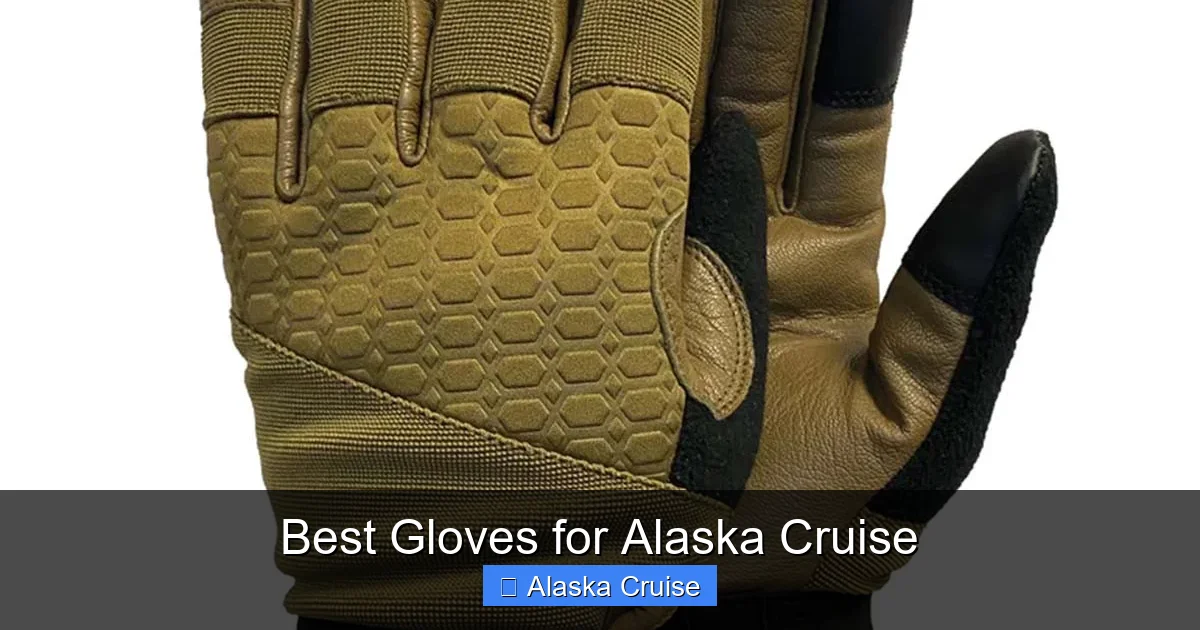
Visual guide about Best Gloves for Alaska Cruise
Image source: cdn11.bigcommerce.com
Not all gloves are created equal—especially when it comes to extreme environments like Alaska. To find the best gloves for Alaska cruise, focus on these five essential features: waterproofing, insulation, wind resistance, dexterity, and durability.
Waterproofing: Stay Dry in Wet Conditions
Waterproof gloves are a must. Alaska’s weather is notoriously damp, and sea spray can soak your hands in seconds. Look for gloves with a waterproof membrane like Gore-Tex, eVent, or proprietary technologies such as OutDry or H2No. These materials block external moisture while allowing internal sweat to escape, preventing clammy hands.
Avoid gloves labeled only as “water-resistant.” These may handle light drizzle but will fail in heavy rain or when submerged in water—like when you’re reaching into a cooler or handling wet gear. Fully waterproof gloves, on the other hand, can withstand prolonged exposure.
A great example is the Outdoor Research AltiGloves, which feature a Gore-Tex shell and fully taped seams. They’re used by mountaineers and polar explorers for a reason—they keep hands dry in the harshest conditions.
Insulation: Trap Heat Without Bulk
Insulation keeps your hands warm, but not all insulation is created equal. Down is warm but loses its insulating power when wet. Synthetic insulation, like PrimaLoft or Thinsulate, retains heat even when damp—making it ideal for Alaska’s wet climate.
Look for gloves with at least 100g of insulation for moderate cold, and 200g or more for extreme conditions. Mittens generally offer more warmth than gloves because they keep fingers together, sharing body heat. However, they sacrifice dexterity.
A good compromise? Three-finger gloves (also called lobster gloves), which group the index finger separately while keeping the other three together. They offer more warmth than traditional gloves and better dexterity than mittens.
The Black Diamond Mercury Mitts are a popular choice. They have 200g of PrimaLoft Gold insulation, a waterproof shell, and a removable liner for versatility.
Wind Resistance: Block the Biting Breeze
Wind can make 50°F feel like 30°F. That’s why windproof gloves are essential. Materials like softshell fabrics, windproof membranes, and tightly woven shells help block cold air.
Gloves with a windproof outer layer—such as those made with Windstopper technology—are excellent for coastal cruising. They don’t need to be bulky; many lightweight options provide serious wind protection.
For example, the Arc’teryx Fission SV Gloves use a windproof softshell exterior and are favored by outdoor professionals for their balance of warmth and breathability.
Dexterity: Stay Functional in the Field
You’ll want to use your camera, phone, or binoculars without fumbling. Look for gloves with pre-curved fingers, articulated patterning, and touchscreen-compatible fingertips.
Many modern gloves use conductive thread in the thumb and index finger, allowing you to swipe and tap on smartphones and tablets. This is a game-changer when you’re trying to capture a photo of a sea otter or check the weather on your phone.
The The North Face Montana Futurelight Gloves offer excellent dexterity with a flexible design and touchscreen-friendly tips. They’re also waterproof and insulated, making them a top pick for cruisers.
Durability: Built to Last the Trip
Your gloves will take a beating—gripping cold railings, handling wet gear, and possibly hiking over rough terrain. Reinforced palms and fingers made from materials like leather or synthetic suede add longevity.
Look for double-stitched seams and abrasion-resistant panels. Gloves with a leather palm, like the Hestra Army Leather Heli Ski Gloves, are incredibly durable and provide excellent grip, even when wet.
Top Glove Recommendations for Alaska Cruises
With so many options on the market, it can be hard to choose. Here are five of the best gloves for Alaska cruise, each suited to different needs and preferences.
1. Outdoor Research AltiGloves – Best Overall
These are the gold standard for extreme cold and wet conditions. With a Gore-Tex shell, 200g of PrimaLoft insulation, and a removable liner, they’re versatile and incredibly warm. The long gauntlet cuff seals out snow and wind, and the reinforced palm ensures durability.
Perfect for: Glacier tours, cold-weather excursions, and multi-day adventures.
Pros: Fully waterproof, highly insulated, durable, removable liner.
Cons: Expensive, less dexterity than lighter gloves.
2. Black Diamond Mercury Mitts – Best for Extreme Cold
If you’re heading to Alaska in shoulder season or expect sub-freezing temps, these mitts are a top choice. They’re warm, waterproof, and feature a removable liner for layering.
The three-finger design offers a balance of warmth and functionality. The leather palm provides excellent grip, even when wet.
Perfect for: Early spring or late fall cruises, glacier hikes, and polar bear watching.
Pros: Extremely warm, durable, good grip.
Cons: Bulky, limited dexterity.
3. The North Face Montana Futurelight Gloves – Best for Dexterity
These gloves combine waterproofing, breathability, and flexibility. The Futurelight membrane is both waterproof and highly breathable, reducing sweat buildup. The pre-curved fingers and touchscreen tips make them ideal for photographers.
Perfect for: Whale watching, photography, and active shore excursions.
Pros: Great dexterity, touchscreen compatible, breathable.
Cons: Less insulation than mitts, not ideal for extreme cold.
4. Hestra Army Leather Heli Ski Gloves – Best for Durability
Handcrafted in Sweden, these gloves are built to last. The Army Leather palm is tough and grippy, while the removable liner allows for easy drying. They’re warm, windproof, and stylish.
Perfect for: Long cruises, frequent use, and travelers who value craftsmanship.
Pros: Extremely durable, warm, stylish.
Cons: Expensive, requires breaking in.
5. Smartwool Merino Liner Gloves – Best for Layering
Not a standalone solution, but an excellent base layer. These thin, moisture-wicking gloves can be worn under mittens or heavier gloves for added warmth and sweat management.
Made from merino wool, they’re soft, odor-resistant, and warm even when wet.
Perfect for: Layering under mittens, wearing indoors, or as a lightweight option on milder days.
Pros: Lightweight, breathable, great base layer.
Cons: Not waterproof or windproof on their own.
Layering Gloves: The Smart Way to Stay Warm
One of the best strategies for Alaska is layering—just like with clothing. Instead of relying on one heavy pair, use a system: a thin liner glove, a mid-layer, and an outer shell.
Start with a moisture-wicking liner made of merino wool or synthetic fabric. This keeps sweat away from your skin and adds a bit of warmth. Then, add a mid-layer glove or mitten for insulation. Finally, top it off with a waterproof, windproof outer glove.
This system lets you adjust to changing conditions. On a warm, sunny day, you might only need the liner. During a rainy Zodiac tour, you can wear all three layers. It’s flexible, efficient, and keeps your hands comfortable all day.
For example, wear Smartwool liner gloves under Black Diamond Mercury Mitts. The liners wick moisture, the mitts provide warmth and waterproofing, and you can remove the outer layer if you get too hot.
Layering also helps with drying. If your outer gloves get wet, you can remove them and let them air dry while still wearing the liner. This is especially useful on longer cruises where laundry options are limited.
Common Mistakes to Avoid When Choosing Gloves
Even experienced travelers make glove mistakes. Here are the most common ones—and how to avoid them.
Buying Gloves That Are Too Thin
It’s tempting to pack lightweight gloves to save space, but they won’t cut it in Alaska. Thin gloves offer little insulation and no wind or water protection. You’ll end up with cold, wet hands and a miserable experience.
Solution: Invest in at least one pair of insulated, waterproof gloves. They’re worth the space.
Ignoring Fit
Gloves that are too tight restrict blood flow and make hands colder. Gloves that are too loose let in cold air and reduce dexterity.
Solution: Try gloves on with a liner if you plan to layer. Make sure fingers reach the tips without being cramped, and the wrist cuff seals snugly.
Overlooking Touchscreen Compatibility
You’ll want to use your phone and camera often. Gloves without touchscreen tips mean constantly taking them off—exposing your hands to the cold.
Solution: Choose gloves with conductive fingertips, or carry a stylus.
Not Testing Before the Trip
Buying gloves online without trying them on can lead to disappointment. Sizes vary by brand, and comfort is subjective.
Solution: Order early and test them at home. Wear them while doing tasks like typing or handling small objects.
Forgetting About Drying Time
Wet gloves take forever to dry, especially in humid cruise ship cabins. If your gloves get soaked, you might be stuck with cold hands for hours.
Solution: Choose gloves with quick-drying liners or pack a spare pair. Consider gloves with removable liners for faster drying.
How to Care for Your Gloves During the Cruise
Proper care extends the life of your gloves and keeps them performing well.
After each use, shake out any moisture and let them air dry—never use a heater or dryer, as high heat can damage membranes and insulation. If they’re very wet, stuff them with newspaper to absorb moisture and speed up drying.
For gloves with removable liners, take them out and dry separately. This prevents mildew and keeps the gloves fresh.
Store gloves in a breathable bag, not a plastic one, to avoid trapping moisture. If you’re on a multi-week cruise, consider packing a small mesh drying bag to hang in your cabin.
Avoid folding gloves tightly, as this can damage the insulation. Instead, lay them flat or stuff them loosely with clothing.
Finally, check for wear and tear regularly. Repair small tears with fabric tape or seam sealer to prevent them from getting worse.
Final Tips for Staying Warm and Comfortable
Beyond gloves, a few extra tips can help you stay comfortable on your Alaska cruise.
Wear a hat—up to 50% of body heat can be lost through the head. A warm beanie or balaclava makes a big difference.
Use hand warmers. Disposable or rechargeable hand warmers can be slipped into gloves for extra heat during long excursions.
Dress in layers. A base layer, insulating mid-layer, and waterproof outer shell let you adjust to changing conditions.
Stay dry. Wet clothes and gloves make you colder. Change out of damp layers as soon as possible.
And don’t forget the rest of your extremities—warm socks, waterproof boots, and a good scarf complete the package.
Conclusion
An Alaska cruise is a once-in-a-lifetime adventure, and the right gear ensures you enjoy every moment. The best gloves for Alaska cruise are waterproof, insulated, windproof, and dexterous—protecting your hands from the elements while letting you stay active and engaged.
Whether you choose high-performance mitts for extreme cold or flexible gloves for photography, prioritize quality and functionality. Layering, proper fit, and smart care will keep your hands warm and dry from the first glacier sighting to the final farewell.
Don’t let cold hands ruin your Alaskan dream. Invest in a great pair of gloves, and you’ll be ready for whatever the Last Frontier throws your way.
Frequently Asked Questions
Do I really need gloves on an Alaska cruise?
Yes, absolutely. Even in summer, Alaska’s coastal weather is cool and damp, with frequent rain and strong winds. Gloves keep your hands warm, dry, and functional during outdoor activities like whale watching, hiking, and glacier tours.
Can I use regular winter gloves for an Alaska cruise?
Regular winter gloves may work if they’re waterproof and insulated, but many are too bulky or not breathable enough for active use. Look for gloves designed for wet, windy conditions—like those with Gore-Tex or PrimaLoft insulation.
Are touchscreen-compatible gloves worth it?
Definitely. You’ll want to use your phone and camera often. Touchscreen-friendly gloves let you take photos, check maps, and stay connected without exposing your hands to the cold.
Should I bring more than one pair of gloves?
Yes, it’s smart to pack at least two pairs—one heavy-duty pair for cold/wet days and a lighter liner pair for layering or milder weather. This gives you flexibility and a backup if one pair gets wet.
Can I wear gloves while on the ship’s deck?
Absolutely. In fact, it’s recommended. Deck temperatures can feel much colder due to wind chill, and gloves protect against cold metal railings and sea spray.
How do I dry wet gloves on a cruise ship?
Air dry them in your cabin, ideally with the liner removed. Stuff them with newspaper to absorb moisture and speed up drying. Avoid using heaters or hair dryers, which can damage the materials.