The best Alaska cruise National Geographic provides combines adventure, education, and sustainability. With small ships, expert guides, and immersive itineraries, these voyages offer unparalleled access to Alaska’s wild beauty and rich ecosystems.
Imagine standing on the deck of a sleek, ice-strengthened vessel as a massive glacier calves into the sea, sending a thunderous splash into the crisp Alaskan air. Around you, the mist rises from turquoise waters, and a pod of orcas glides silently past. This isn’t a scene from a documentary—it’s what you can experience on the best Alaska cruise National Geographic offers. These aren’t your typical cruise vacations. Instead, they’re immersive, educational journeys into one of the world’s last great wildernesses, led by some of the most respected names in exploration and science.
National Geographic’s Alaska cruises are designed for travelers who crave more than just scenic views. They want to understand the ecosystems they’re witnessing, connect with local cultures, and contribute to conservation efforts. Whether you’re a seasoned traveler or a first-time cruiser, these voyages offer a rare blend of adventure, learning, and awe. With small ships, expert guides, and a commitment to sustainability, National Geographic sets the gold standard for expedition cruising in Alaska.
Key Takeaways
- Expert-Led Expeditions: Travel with National Geographic naturalists, photographers, and scientists who bring Alaska’s landscapes and wildlife to life through daily lectures and guided excursions.
- Small Ship Advantage: With vessels carrying fewer than 100 passengers, these cruises access remote inlets and hidden coves that larger ships can’t reach, offering a more intimate and authentic experience.
- Wildlife Viewing Excellence: From humpback whales and orcas to brown bears and puffins, Alaska’s diverse wildlife is front and center, with expert guidance ensuring ethical and memorable encounters.
- Sustainable and Responsible Travel: National Geographic prioritizes environmental stewardship, partnering with local communities and minimizing ecological impact during every voyage.
- Cutting-Edge Science Onboard: Participate in citizen science projects, use advanced tools like remotely operated vehicles (ROVs), and learn about ongoing research in marine biology and climate change.
- Flexible Itineraries: Routes adapt to weather and wildlife activity, ensuring the best possible experience—whether that means an extra hour in a glacier bay or an impromptu whale-watching session.
- All-Inclusive Value: Most trips include meals, excursions, gear, and expert-led programming, making it easy to focus on exploration without logistical stress.
📑 Table of Contents
- Why Choose a National Geographic Alaska Cruise?
- Top Itineraries for the Best Alaska Cruise National Geographic
- Wildlife Encounters: Alaska’s Natural Wonders
- Sustainability and Responsible Travel
- What to Expect Onboard: Comfort Meets Adventure
- Tips for Choosing the Best Alaska Cruise National Geographic
- Conclusion: An Unforgettable Journey Awaits
Why Choose a National Geographic Alaska Cruise?
When it comes to exploring Alaska’s rugged coastline, not all cruises are created equal. While many lines offer scenic sailing through popular ports like Juneau, Ketchikan, and Skagway, National Geographic stands apart by focusing on depth over breadth. Their Alaska cruises are not about ticking off tourist checklists—they’re about meaningful engagement with the land, sea, and people of the Last Frontier.
One of the biggest differentiators is the onboard expertise. Every National Geographic cruise includes a team of specialists: marine biologists, geologists, photographers, and cultural historians. These experts don’t just give lectures—they lead Zodiac excursions, help you spot wildlife through high-powered binoculars, and share behind-the-scenes insights into ongoing research. For example, during a visit to Glacier Bay National Park, a glaciologist might explain how climate change is affecting ice dynamics, while a naturalist points out harbor seals resting on ice floes.
Another key advantage is the ship size. National Geographic’s fleet includes vessels like the National Geographic Quest and National Geographic Venture, which carry just 102 passengers. This allows for greater flexibility in navigation and access to remote areas like the Tongass National Forest or the fjords of Tracy Arm. Larger cruise ships often stick to well-trodden routes, but National Geographic’s smaller footprint means you can glide into narrow channels, anchor near active glaciers, or even land on a deserted beach for a guided hike.
Small Ships, Big Adventures
The intimacy of a small ship is a game-changer. With fewer passengers, you’re not fighting for space on deck or waiting in long lines for excursions. Instead, you get personalized attention from the crew and more opportunities to interact with the experts. The ship’s design also enhances the experience—large windows, open decks, and quiet lounges make it easy to soak in the scenery without distractions.
National Geographic ships are also equipped with tools that enhance exploration. Think Zodiac landing craft for up-close wildlife encounters, a hydrophone to listen to whale songs beneath the surface, and even an ROV (remotely operated vehicle) that can dive hundreds of feet to capture footage of deep-sea life. These aren’t just gimmicks—they’re part of a real scientific mission. Passengers often assist in deploying equipment or analyzing data, turning the cruise into a hands-on learning experience.
Expert-Led Exploration
What truly sets National Geographic apart is the caliber of its expedition team. These aren’t just tour guides—they’re professionals with advanced degrees and field experience. A typical team might include a marine ecologist studying kelp forests, a wildlife photographer with National Geographic credentials, and a cultural interpreter from a local Indigenous community.
Their presence transforms every moment. During a morning kayak in Ketchikan, a naturalist might point out the symbiotic relationship between salmon and old-growth trees. In the evening, a photographer could host a workshop on capturing the Northern Lights. These interactions make the journey feel less like a vacation and more like a field expedition.
Top Itineraries for the Best Alaska Cruise National Geographic
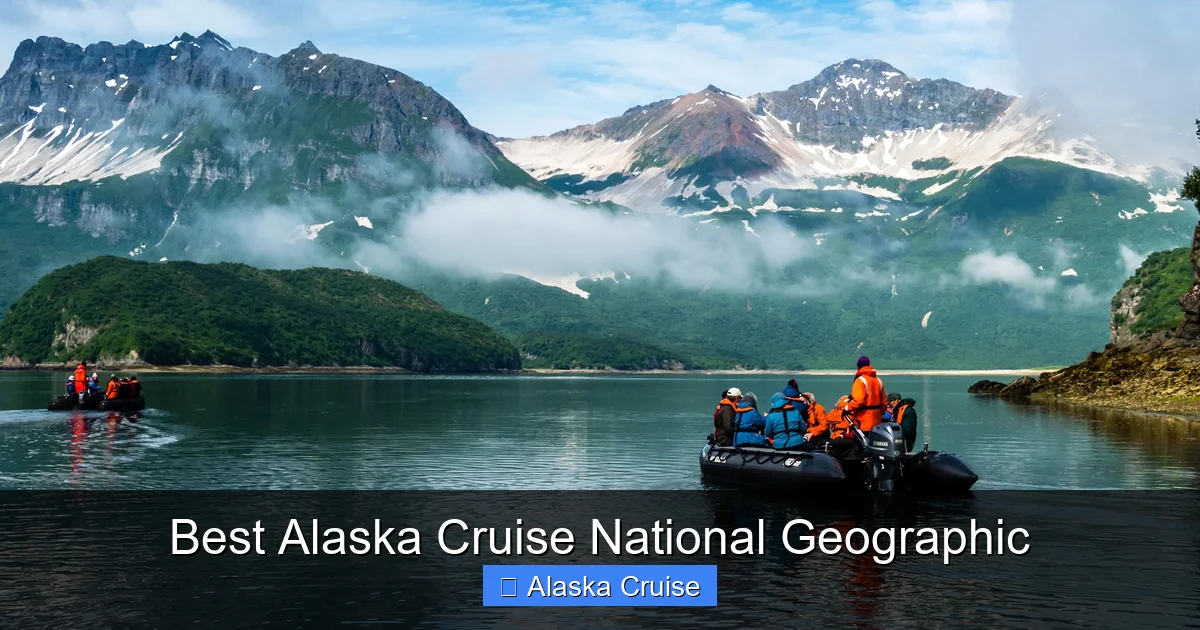
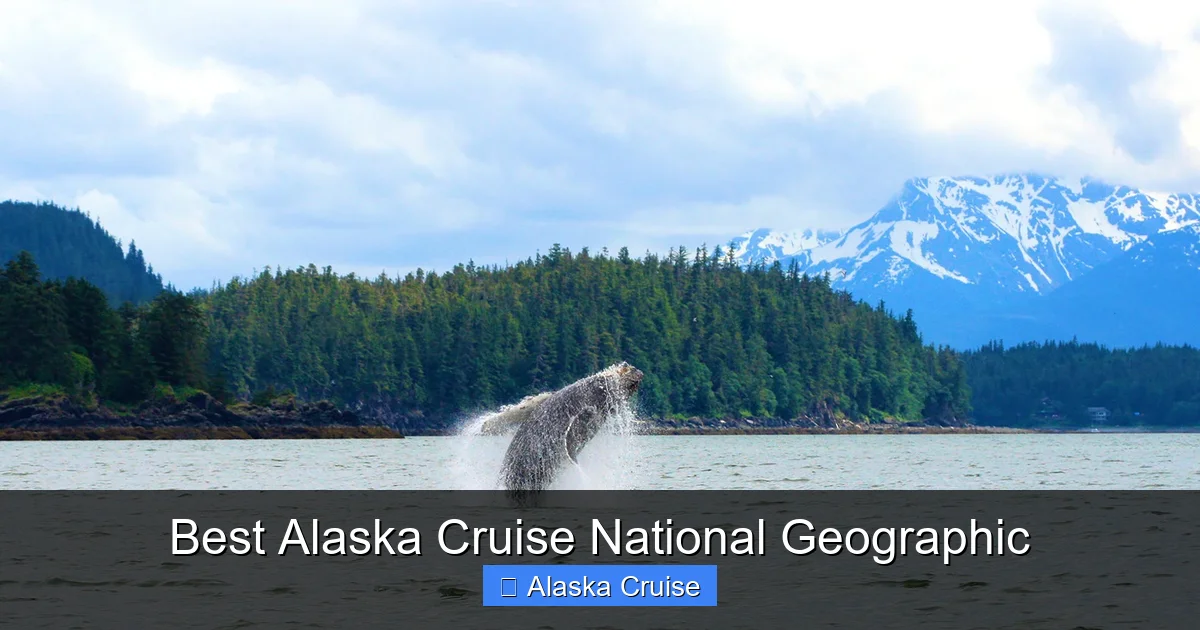
Visual guide about Best Alaska Cruise National Geographic
Image source: nationalgeographic.com
National Geographic offers several Alaska cruise itineraries, each designed to showcase different aspects of the region. While routes vary slightly by season and ship, most focus on the Inside Passage, Glacier Bay, and the Gulf of Alaska. Here are some of the most popular and highly rated options.
Alaska’s Inside Passage: A Classic Journey
This is the quintessential Alaska cruise, tracing the winding coastline from Seattle or Vancouver up to Sitka, Juneau, and Ketchikan. Highlights include:
– Glacier Bay National Park: A UNESCO World Heritage Site where you’ll witness massive tidewater glaciers and spot humpback whales feeding in nutrient-rich waters.
– Tracy Arm Fjord: Often called “the crown jewel of Alaska,” this narrow fjord is flanked by towering granite walls and dotted with icebergs.
– Haines and Skagway: Historic Gold Rush towns where you can explore museums, hike trails, or take a scenic train ride through the mountains.
This itinerary is ideal for first-time visitors who want a comprehensive introduction to Alaska’s coastal wonders.
Alaska’s Coastal Wilderness: From Seattle to Vancouver
A round-trip voyage that begins and ends in Seattle or Vancouver, this route offers a balanced mix of wildlife, culture, and scenery. Stops often include:
– Petersburg: Known as “Alaska’s Little Norway,” this charming fishing village is a gateway to the Tongass National Forest.
– Baranof Island: A remote area with pristine rivers, salmon runs, and opportunities to see brown bears in their natural habitat.
– Ketchikan: Famous for its totem poles and Indigenous heritage, with excursions to Misty Fjords National Monument.
This itinerary is perfect for travelers who want a seamless experience without the hassle of one-way flights.
Alaska’s Wild Coast: From Anchorage to Vancouver
For a more adventurous journey, this extended cruise ventures into the Gulf of Alaska, visiting ports like Whittier, Seward, and Valdez. Highlights include:
– Kenai Fjords National Park: Home to the Harding Icefield and abundant marine life, including sea otters, puffins, and orcas.
– Prince William Sound: A vast, glacially carved waterway with calving glaciers and remote wilderness.
– College Fjord: A dramatic fjord lined with 16 tidewater glaciers, best viewed from the ship’s deck.
This route is ideal for nature lovers and photographers seeking dramatic landscapes and fewer crowds.
Wildlife Encounters: Alaska’s Natural Wonders
Alaska is a wildlife paradise, and National Geographic’s cruises are designed to maximize your chances of unforgettable encounters. The key is timing, location, and expert knowledge.
Marine Life
The cold, nutrient-rich waters of the North Pacific support an incredible diversity of marine species. On a typical cruise, you might see:
– Humpback Whales: Often spotted breaching or feeding in groups. Naturalists use hydrophones to amplify their haunting songs.
– Orcas (Killer Whales): Both resident and transient pods are common, especially near the islands of the Inside Passage.
– Sea Otters: Playful and photogenic, they’re often seen floating on their backs, using rocks to crack shellfish.
– Harbor Seals: Frequently rest on ice floes near glaciers, providing excellent photo opportunities.
National Geographic’s team knows the best spots and times to view these animals, increasing your chances of sightings while ensuring respectful distances are maintained.
Land-Based Wildlife
While the ship is your base, excursions take you ashore for closer encounters. In places like Admiralty Island or the Chilkat River, you might:
– Spot Brown Bears: During salmon runs, bears gather along riverbanks to feed. Guided tours offer safe viewing from elevated platforms.
– Observe Bald Eagles: Alaska has the highest concentration of bald eagles in the U.S., often seen perched in tall trees or soaring overhead.
– Find Puffins and Seabirds: Coastal cliffs and islands are home to tufted and horned puffins, murres, and kittiwakes.
These experiences are enhanced by expert commentary, helping you understand animal behavior, migration patterns, and conservation challenges.
Cultural Connections
Alaska’s wildlife is inseparable from its human history. National Geographic cruises often include visits to Indigenous communities, where you can learn about traditional practices, art, and storytelling. In Hoonah or Ketchikan, for example, local Tlingit or Haida guides might lead a cultural walk, explaining how salmon, cedar, and totem poles are woven into their heritage.
Sustainability and Responsible Travel
National Geographic has long been a leader in conservation, and its Alaska cruises reflect that commitment. From the ships’ eco-friendly operations to partnerships with local organizations, sustainability is woven into every aspect of the journey.
Environmental Stewardship
The ships use advanced waste management systems, low-emission engines, and biodegradable products to minimize their environmental footprint. Single-use plastics are banned, and recycling is prioritized. National Geographic also supports marine protected areas and funds research projects in Alaska, such as tracking whale migrations or monitoring glacier retreat.
Community Engagement
Rather than treating local communities as tourist attractions, National Geographic works with them as partners. Excursions are often led by local guides, and a portion of the cruise fare supports community initiatives. For example, in Sitka, proceeds may fund language revitalization programs for the Tlingit people.
Educational Impact
Every cruise includes opportunities for passengers to contribute to science. You might help tag marine debris, record bird sightings for citizen science databases, or assist in water sampling. These activities not only deepen your understanding but also support real-world conservation efforts.
What to Expect Onboard: Comfort Meets Adventure
While National Geographic cruises are expedition-focused, they don’t skimp on comfort. The ships are designed for exploration, with spacious cabins, gourmet dining, and amenities that balance adventure with relaxation.
Cabins and Public Spaces
Cabins are modern and functional, with large windows, comfortable beds, and en-suite bathrooms. While not luxurious in the traditional sense, they’re designed for practicality—think warm layers, binoculars by the bed, and easy access to deck. Public areas include a lounge with a library, a dining room with panoramic views, and an observation deck perfect for wildlife spotting.
Dining Experience
Meals are a highlight, featuring fresh, locally sourced ingredients. Expect Alaskan salmon, halibut, and king crab, often paired with regional wines. The menu changes daily, reflecting the ports of call. Dietary restrictions are easily accommodated, and the atmosphere is casual and welcoming.
Daily Schedule
A typical day might start with a wake-up call from the captain announcing a whale sighting. After breakfast, you’d join a Zodiac tour to a glacier face, followed by a lecture on climate change. Lunch is served onboard, then an afternoon hike or kayak excursion. Evenings often feature a slide show by the photographer or a cultural performance.
Flexibility is key—itineraries can change based on weather or wildlife activity, ensuring the best possible experience.
Tips for Choosing the Best Alaska Cruise National Geographic
With so many options, how do you pick the right one? Here are some practical tips to help you decide.
Consider the Season
Alaska’s cruise season runs from May to September. Each month offers something different:
– May-June: Fewer crowds, blooming wildflowers, and active wildlife. Ideal for photographers.
– July-August: Peak season with warmest weather and longest days. Best for families and first-timers.
– September: Fall colors, fewer tourists, and increased chances of seeing the Northern Lights.
Choose the Right Ship
National Geographic operates several ships, each with unique features. The Quest and Venture are the most popular for Alaska, offering a balance of comfort and capability. For a more intimate experience, consider the Lynx or Sea Bird, which carry only 62 passengers.
Book Early
These cruises sell out quickly, especially for peak season. Booking 12-18 months in advance ensures the best cabin selection and pricing.
Pack Smart
Alaska’s weather is unpredictable. Pack layers, waterproof gear, sturdy shoes, and binoculars. Don’t forget a camera with a good zoom lens—wildlife can be far away.
Be Open to Change
Expedition cruising is about adventure, not rigid schedules. Embrace the unexpected—whether it’s a sudden change in route or an impromptu landing on a remote beach.
Conclusion: An Unforgettable Journey Awaits
The best Alaska cruise National Geographic offers is more than a vacation—it’s a transformative experience. It’s the thrill of watching a glacier calve, the wonder of hearing a whale’s song beneath the waves, and the quiet awe of standing in a forest that’s older than civilization. With expert guides, small ships, and a deep respect for nature and culture, National Geographic delivers an Alaska adventure that’s as educational as it is exhilarating.
Whether you’re drawn by the promise of wildlife, the beauty of untouched landscapes, or the chance to contribute to science, these cruises offer something truly special. They remind us why Alaska remains one of the world’s greatest natural treasures—and why it’s worth protecting for generations to come.
Frequently Asked Questions
What makes National Geographic Alaska cruises different from regular cruises?
National Geographic cruises focus on education, exploration, and sustainability. With expert naturalists, scientists, and photographers onboard, every day includes learning opportunities, hands-on science, and immersive wildlife encounters—far beyond typical sightseeing.
Are National Geographic Alaska cruises suitable for families?
Yes, many families enjoy these cruises. While the focus is on learning, the pace is relaxed, and activities are designed to engage all ages. Kids especially love Zodiac rides, wildlife spotting, and interactive science projects.
How many passengers are on a National Geographic Alaska cruise?
Most ships carry fewer than 100 passengers, ensuring an intimate experience with personalized attention and greater access to remote areas.
Do I need to be physically fit to go on this cruise?
While some excursions involve hiking or kayaking, there are options for all activity levels. The crew helps match activities to your abilities, and many experiences can be enjoyed from the ship or a Zodiac.
What is included in the price of a National Geographic Alaska cruise?
Most trips include meals, excursions, gear (like binoculars and wet suits), expert-led programs, and use of onboard tools like ROVs and hydrophones. Airfare is usually not included.
Can I participate in real scientific research during the cruise?
Yes! Passengers often assist with citizen science projects, such as recording wildlife sightings, collecting water samples, or analyzing data—making the journey both educational and impactful.