Alaska cruises offer some of the most stunning natural landscapes on Earth, from towering glaciers to thriving wildlife. This guide highlights the best Alaska cruise sites, helping you choose ports and excursions that match your adventure style and travel goals.
Key Takeaways
- Glacier Bay National Park: A UNESCO World Heritage Site with massive tidewater glaciers and abundant marine life.
- Juneau: Alaska’s capital, accessible only by air or sea, offering whale watching, hiking, and gold rush history.
- Ketchikan: Known as the “Salmon Capital of the World,” it features totem poles, rainforests, and Indigenous culture.
- Skagway: A historic gold rush town with scenic train rides and access to the Klondike Highway.
- Hubbard Glacier: One of the largest glaciers in North America, best viewed from the ship with calving ice displays.
- Icy Strait Point: A private eco-tourism destination with zip-lining, bear viewing, and cultural performances.
- Plan Ahead: Book excursions early and pack layers for unpredictable Alaskan weather.
📑 Table of Contents
Why Alaska Cruises Are a Must-Do Adventure
If you’ve ever dreamed of seeing glaciers calve into icy waters, spotting humpback whales breach the surface, or hiking through ancient rainforests, then an Alaska cruise should be at the top of your travel list. Alaska isn’t just a destination—it’s a sensory experience. The crisp mountain air, the scent of pine, the sound of rushing rivers, and the sight of snow-capped peaks create a backdrop unlike anywhere else on the planet.
Cruising Alaska offers a unique blend of comfort and exploration. You get to wake up each morning in a new, awe-inspiring port, all while enjoying the amenities of a modern cruise ship—think cozy cabins, gourmet dining, and live entertainment. Whether you’re a nature lover, history buff, or just someone who enjoys scenic beauty, Alaska delivers. And the best part? You don’t need to be an expert hiker or mountaineer to enjoy it. Most experiences are accessible, whether you’re on a guided tour or simply gazing out from the deck.
Top Alaska Cruise Sites You Can’t Miss
Alaska’s coastline is dotted with ports and natural wonders that define the cruise experience. Each stop offers something different, from wildlife encounters to cultural immersion. Let’s dive into the best Alaska cruise sites and what makes each one special.
Glacier Bay National Park: A Natural Wonder
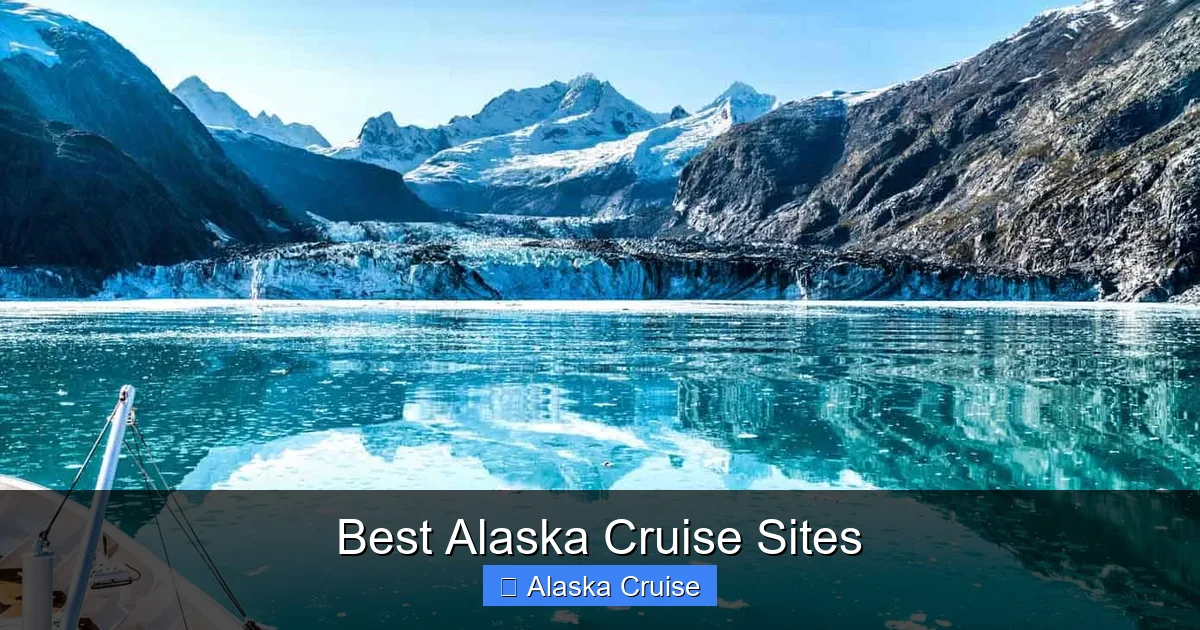
Glacier Bay National Park is often the crown jewel of any Alaska cruise. This UNESCO World Heritage Site spans over 3.3 million acres and is home to some of the most active tidewater glaciers in the world. As your ship glides through the bay, you’ll witness massive walls of ice—some over 200 feet tall—calving into the water with thunderous crashes.
The park is also a haven for wildlife. Keep your binoculars ready for humpback whales, sea otters, harbor seals, and bald eagles. Brown bears are often spotted along the shoreline, especially in late summer when salmon run. Rangers from the National Park Service board the ship to provide commentary, enhancing your understanding of the ecosystem and conservation efforts.
One of the best ways to experience Glacier Bay is during the early morning or late afternoon when the light hits the ice in golden hues. The stillness of the water and the sheer scale of the glaciers create a meditative atmosphere. It’s not uncommon for passengers to fall silent, simply absorbing the moment.
Juneau: Alaska’s Capital with Wild Charm
Juneau is unique—it’s the only U.S. state capital that can’t be reached by road. You can only get there by plane or boat, which adds to its remote, adventurous feel. Despite its small population of around 32,000, Juneau is rich in culture, history, and natural beauty.
One of the top activities in Juneau is whale watching. The waters around the city are prime feeding grounds for humpback whales, and many tours guarantee sightings. Imagine watching a 40-ton whale launch itself out of the water just a few hundred yards from your boat—it’s a heart-pounding experience.
For history lovers, the Last Chance Mining Museum offers a glimpse into Juneau’s gold rush past. You can even try your hand at gold panning. If you prefer something more active, take a helicopter tour to the Mendenhall Glacier, a 13-mile-long river of ice surrounded by lush forest. There are hiking trails of varying difficulty, including the popular Nugget Falls trail.
Don’t miss the opportunity to sample fresh Alaskan seafood. Local favorites include king crab legs, halibut, and salmon, often served at waterfront restaurants with views of the harbor.
Ketchikan: The Salmon Capital and Cultural Hub
Ketchikan is known as the “Salmon Capital of the World,” and for good reason. The surrounding waters are teeming with all five species of Pacific salmon, making it a prime spot for fishing and seafood lovers. But Ketchikan is more than just fish—it’s a cultural treasure trove.
The city is home to the largest collection of totem poles in the world, many of which are displayed at Totem Bight State Historical Park and the Saxman Native Village. These intricately carved poles tell stories of clans, legends, and ancestral spirits. Guided tours often include performances by Indigenous dancers in traditional regalia, offering a powerful connection to the Tlingit, Haida, and Tsimshian peoples.
Another must-see is the Misty Fjords National Monument, a dramatic landscape of sheer cliffs, waterfalls, and deep inlets. Many cruise lines offer flightseeing tours that fly low over the fjords, giving you a bird’s-eye view of this untouched wilderness.
For a more relaxed experience, stroll along Creek Street, a historic boardwalk built over the water in the early 1900s. It’s lined with shops, cafes, and art galleries. You might even spot salmon swimming upstream during spawning season.
Skagway: Gateway to the Klondike Gold Rush
Step back in time in Skagway, a town that feels like it’s frozen in the late 1800s. During the Klondike Gold Rush of 1898, over 100,000 prospectors passed through Skagway on their way to the Yukon goldfields. Today, the town preserves that era with wooden boardwalks, false-front buildings, and costumed interpreters.
One of the best ways to experience Skagway’s history is on the White Pass and Yukon Route Railway. This narrow-gauge railroad was built in 1898 and climbs over 2,800 feet in just 20 miles, offering breathtaking views of mountains, waterfalls, and valleys. The ride is both scenic and educational, with guides sharing stories of the hardships faced by the “stampeders.”
For outdoor enthusiasts, Skagway is a gateway to the Chilkoot Trail, the same route used by gold seekers. While the full trail is a multi-day hike, shorter sections are accessible for day hikes. You can also take a guided tour to the Yukon Territory, crossing the border into Canada for a taste of frontier life.
Don’t leave without trying a sourdough pancake at one of the local diners—Skagway is famous for its sourdough starter culture, a tradition brought by miners who kept their starters alive on long journeys.
Hubbard Glacier: A Frozen Giant
Hubbard Glacier is one of the largest and most active glaciers in North America. Stretching over 76 miles long and up to 7 miles wide, it’s a sight that commands respect. Unlike some glaciers that recede, Hubbard has been advancing for over a century, occasionally blocking the entrance to Russell Fjord and creating a temporary lake.
When your ship approaches Hubbard Glacier, you’ll likely hear the deep rumble of ice calving before you see it. Massive chunks of ice break off and crash into the water, sending waves across the bay. The glacier’s face can be over 300 feet tall, and the blue hue of the ice is mesmerizing—created by centuries of compressed snow.
There’s no shore excursion at Hubbard Glacier, as it’s a wilderness area with no roads or facilities. But the experience of seeing it from the ship is unforgettable. Many passengers spend hours on deck, cameras in hand, waiting for the next calving event. The best views are usually in the early morning when the water is calm and the light is soft.
Icy Strait Point: Adventure and Culture Combined
Icy Strait Point is a private eco-tourism destination owned by the Huna Totem Corporation, representing the Indigenous Huna Tlingit people. It’s designed to offer authentic Alaskan experiences while supporting local communities and conservation.
One of the most popular activities here is zip-lining through the temperate rainforest. The ZipRider is one of the longest zip lines in the world, stretching over 5,000 feet and reaching speeds of up to 60 mph. It’s a thrilling way to see the forest canopy and spot wildlife like black bears and eagles.
For a more cultural experience, attend a traditional Tlingit dance performance or visit the museum to learn about local history and art. You can also take a guided bear viewing tour to nearby Pack Creek, where brown bears gather to feed on salmon.
Icy Strait Point is also a great spot for kayaking, fishing, and whale watching. The waters are rich with marine life, and many tours operate right from the pier. The combination of adventure, culture, and natural beauty makes it a standout stop on any Alaska cruise.
How to Choose the Best Alaska Cruise Itinerary
With so many ports and cruise lines to choose from, picking the right Alaska cruise can feel overwhelming. Here are some tips to help you find the best fit for your travel style.
Consider the Length of the Cruise
Alaska cruises typically range from 7 to 14 days. A 7-day cruise usually covers the Inside Passage, visiting ports like Juneau, Ketchikan, and Skagway. These are great for first-time cruisers or those with limited time.
If you want a more immersive experience, consider a 10- to 14-day cruise that includes destinations like Glacier Bay, Hubbard Glacier, and Icy Strait Point. These longer itineraries often depart from Seattle or Vancouver and may include a land tour component, such as a train ride to Denali National Park.
Choose the Right Cruise Line
Different cruise lines cater to different tastes. Luxury lines like Regent Seven Seas and Silversea offer all-inclusive experiences with gourmet dining and personalized service. Family-friendly lines like Disney Cruise Line and Royal Caribbean have extensive kids’ programs and entertainment.
For a more intimate experience, consider small ships like those from UnCruise Adventures or Lindblad Expeditions. These vessels carry fewer passengers and can access smaller ports and remote areas. They often include expert naturalists and photographers on board.
Book Excursions Early
Popular excursions—like helicopter tours, dog sledding, and wildlife cruises—sell out quickly. It’s best to book these through your cruise line as soon as your itinerary is confirmed. While third-party tours can be cheaper, cruise line excursions offer the convenience of guaranteed return to the ship and often include transportation.
Pack Smart for Alaska’s Weather
Alaska’s weather is famously unpredictable. Even in summer, temperatures can range from 40°F to 70°F, and rain is common. Pack layers, including a waterproof jacket, warm sweater, and sturdy shoes. Don’t forget sunglasses, sunscreen, and binoculars for wildlife viewing.
Tips for Making the Most of Your Alaska Cruise
Arrive a Day Early
Consider arriving in your departure city (like Seattle or Vancouver) a day before your cruise. This gives you time to explore, rest, and avoid travel delays. Many cruise lines offer pre-cruise hotel packages.
Bring a Camera with Extra Batteries
You’ll want to capture every moment, from glacier calving to whale breaches. Cold weather drains batteries faster, so bring extras or a portable charger.
Stay Flexible
Weather can impact shore excursions and scenic cruising. If a glacier is socked in by fog, your captain may adjust the route. Embrace the adventure—sometimes the unexpected moments are the most memorable.
Support Local Communities
When shopping or dining ashore, choose locally owned businesses. Your spending helps support Alaskan families and preserves cultural traditions.
Conclusion: Why Alaska Cruises Are Worth It
An Alaska cruise isn’t just a vacation—it’s a journey into one of the last great wildernesses on Earth. From the towering glaciers of Glacier Bay to the gold rush charm of Skagway, each port tells a story of nature’s power and human resilience. Whether you’re watching a humpback whale breach or sipping coffee while a glacier calves in the distance, you’ll leave with memories that last a lifetime.
The best Alaska cruise sites offer a perfect balance of adventure, education, and relaxation. With careful planning and an open mind, your Alaskan adventure will be nothing short of extraordinary. So pack your bags, bring your sense of wonder, and get ready to explore the Last Frontier.
Frequently Asked Questions
What is the best time to take an Alaska cruise?
The best time for an Alaska cruise is from late May to early September. During these months, the weather is milder, wildlife is active, and daylight lasts up to 18 hours. July and August are peak season, offering the warmest temperatures and most tour availability.
Do I need a passport for an Alaska cruise?
If your cruise departs and returns to the same U.S. port (like Seattle or San Francisco), a passport is not required—though it’s highly recommended. However, if your itinerary includes Canadian ports or a one-way cruise, a passport is mandatory.
Can I see the Northern Lights on an Alaska cruise?
The Northern Lights are rarely visible during the summer cruise season due to nearly 24-hour daylight. For the best chance to see the aurora borealis, consider a fall or winter land tour in Alaska, typically between September and March.
Are Alaska cruises family-friendly?
Yes, many cruise lines offer family-friendly Alaska cruises with kids’ clubs, educational programs, and age-appropriate excursions. Disney Cruise Line and Royal Caribbean are especially popular with families.
How much should I budget for shore excursions?
Shore excursions in Alaska typically range from $50 to $300 per person, depending on the activity. Popular options like helicopter tours or dog sledding can cost $200 or more. Budget at least $150–$200 per person for excursions.
Is it safe to cruise in Alaska?
Yes, Alaska cruises are very safe. Ships follow strict safety protocols, and ports are well-established tourist destinations. Always follow crew instructions during scenic cruising and wear appropriate gear for shore excursions.