Alaska is a dream destination for cruisers seeking breathtaking glaciers, abundant wildlife, and rugged natural beauty. From Glacier Bay to Juneau and Ketchikan, the best Alaska cruise destination offers unforgettable experiences on land and sea—perfect for adventurers and nature lovers alike.
Key Takeaways
- Glacier Bay National Park is a must-see: A UNESCO World Heritage Site with towering glaciers, calving ice, and diverse marine life.
- Juneau offers a mix of culture and adventure: Alaska’s capital city provides access to Mendenhall Glacier, whale watching, and local seafood.
- Ketchikan is the gateway to the Tongass National Forest: Known for its Native Alaskan culture, totem poles, and salmon fishing.
- Skagway brings history to life: Step back into the Gold Rush era with historic railways, museums, and mountain trails.
- Hubbard Glacier is one of the largest tidewater glaciers: Witness massive ice formations and enjoy panoramic views from your ship.
- Wildlife viewing is exceptional: Spot humpback whales, sea otters, bald eagles, and bears in their natural habitat.
- Best time to cruise is May through September: Mild weather, long daylight hours, and active wildlife make this the ideal season.
📑 Table of Contents
- Why Alaska Is the Ultimate Cruise Destination
- Top Alaska Cruise Ports and What Makes Them Special
- Wildlife Encounters: What You Can Expect to See
- Best Time to Cruise Alaska: Timing Your Trip Right
- Choosing the Right Cruise Line and Itinerary
- Packing Tips and What to Bring
- Conclusion: Why Alaska Should Be on Your Bucket List
Why Alaska Is the Ultimate Cruise Destination
If you’ve ever dreamed of sailing past towering glaciers, spotting whales breaching in icy waters, or hiking through untouched wilderness, then Alaska is calling your name. This vast, wild frontier offers some of the most dramatic and awe-inspiring scenery on Earth—and there’s no better way to experience it than on a cruise. Whether you’re a first-time cruiser or a seasoned traveler, Alaska delivers an adventure that’s both relaxing and exhilarating.
Unlike tropical cruises filled with beach bars and pool parties, an Alaska cruise is all about immersion in nature. You’ll wake up each morning to a new landscape: misty fjords, snow-capped mountains, and dense temperate rainforests. The pace is slower, the air is crisp, and every view feels like a postcard come to life. Plus, cruising allows you to visit multiple destinations without the hassle of constant packing and unpacking. Your floating hotel takes you from port to port while you enjoy fine dining, live entertainment, and expert-led excursions.
But what truly sets Alaska apart is its raw, untamed beauty. This isn’t a place you just see—it’s a place you feel. The silence of a glacier calving into the sea, the call of a bald eagle soaring overhead, the scent of pine and saltwater in the air—these moments stay with you long after the trip ends. And with so many incredible ports and natural wonders to explore, choosing the best Alaska cruise destination can be tough. That’s why we’ve broken down the top spots, must-do activities, and insider tips to help you plan the journey of a lifetime.
Top Alaska Cruise Ports and What Makes Them Special
One of the biggest draws of an Alaska cruise is the variety of ports you’ll visit. Each stop offers a unique blend of natural wonders, cultural experiences, and adventure. While itineraries vary by cruise line and ship size, most include a mix of major hubs and remote wilderness areas. Let’s take a closer look at the best Alaska cruise destinations and what makes each one unforgettable.
Juneau: Alaska’s Capital with Coastal Charm
Nestled between the Gastineau Channel and the Tongass National Forest, Juneau is Alaska’s only state capital not accessible by road. That means the only way in is by plane or boat—making a cruise the perfect way to arrive. This charming city blends urban amenities with wild surroundings, offering something for every traveler.
One of Juneau’s biggest attractions is the Mendenhall Glacier, a stunning 13-mile-long river of ice just 12 miles from downtown. Visitors can walk the trails around the glacier, take a guided ice hike, or even kayak near its edge. The nearby Nugget Falls adds to the dramatic scenery, cascading down a rocky cliff beside the glacier’s outflow.
But Juneau isn’t just about glaciers. It’s also a hotspot for wildlife. Whale watching tours are incredibly popular, with humpback whales frequently spotted feeding in the channel. Many cruises offer onboard naturalist talks, so you’ll know exactly what to look for. And if you’re a fan of seafood, don’t miss out on fresh king crab, salmon, or Dungeness crab at one of the local restaurants.
For history buffs, the Alaska State Museum and the historic downtown area offer a glimpse into Juneau’s gold mining past. And if you’re feeling adventurous, consider a helicopter tour that lands on a glacier or a dog sledding experience with real Alaskan huskies. Juneau proves that even in a city, Alaska’s wild heart beats strong.
Ketchikan: The Salmon Capital of the World
Known as the “Gateway to the Tongass,” Ketchikan is the southernmost major cruise port in Alaska and a favorite among travelers. This colorful waterfront town is famous for its Native Alaskan heritage, abundant salmon runs, and lush rainforest surroundings.
One of the first things you’ll notice in Ketchikan is the abundance of totem poles. The town is home to the world’s largest collection of standing totem poles, many of which are displayed at the Totem Heritage Center and Totem Bight State Historical Park. These intricately carved wooden monuments tell the stories of Tlingit, Haida, and Tsimshian clans, offering a deep connection to Alaska’s indigenous cultures.
Ketchikan is also a paradise for seafood lovers. As the self-proclaimed “Salmon Capital of the World,” the town celebrates its five species of Pacific salmon with festivals, markets, and fresh-caught meals. Try the grilled salmon at a local eatery or join a fishing charter to reel in your own catch.
Nature lovers will enjoy exploring the Tongass National Forest, the largest national forest in the U.S. Take a guided rainforest walk, visit the Misty Fjords National Monument by boat or floatplane, or spot black bears along the shoreline. And don’t miss the Deer Mountain Trail—a moderate hike that rewards you with panoramic views of the town and surrounding islands.
Skagway: A Step Back into the Gold Rush Era
If you’ve ever been fascinated by the Klondike Gold Rush, Skagway will feel like stepping into a history book. This small, bustling port town was once the main entry point for prospectors heading to the Yukon in search of gold. Today, it preserves that adventurous spirit with museums, historic buildings, and scenic train rides.
The highlight of any visit to Skagway is the White Pass and Yukon Route Railway. This narrow-gauge railroad climbs nearly 3,000 feet in just 20 miles, winding through steep cliffs, tunnels, and breathtaking mountain scenery. The journey takes you along the same route that stampeders used over a century ago, offering views of waterfalls, glaciers, and rugged peaks.
Downtown Skagway is full of charm, with wooden boardwalks, false-front buildings, and saloons that still serve up local brews. Visit the Klondike Gold Rush National Historical Park to learn about the hardships and triumphs of the gold seekers. And if you’re up for a hike, the Chilkoot Trail offers a challenging but rewarding trek through historic terrain.
For a more relaxed experience, take a scenic cruise through the Lynn Canal—the deepest fjord in North America. You might spot seals, porpoises, or even a rare sighting of a mountain goat. Skagway may be small, but it packs a big punch when it comes to history and adventure.
Glacier Bay National Park: A UNESCO World Heritage Wonder
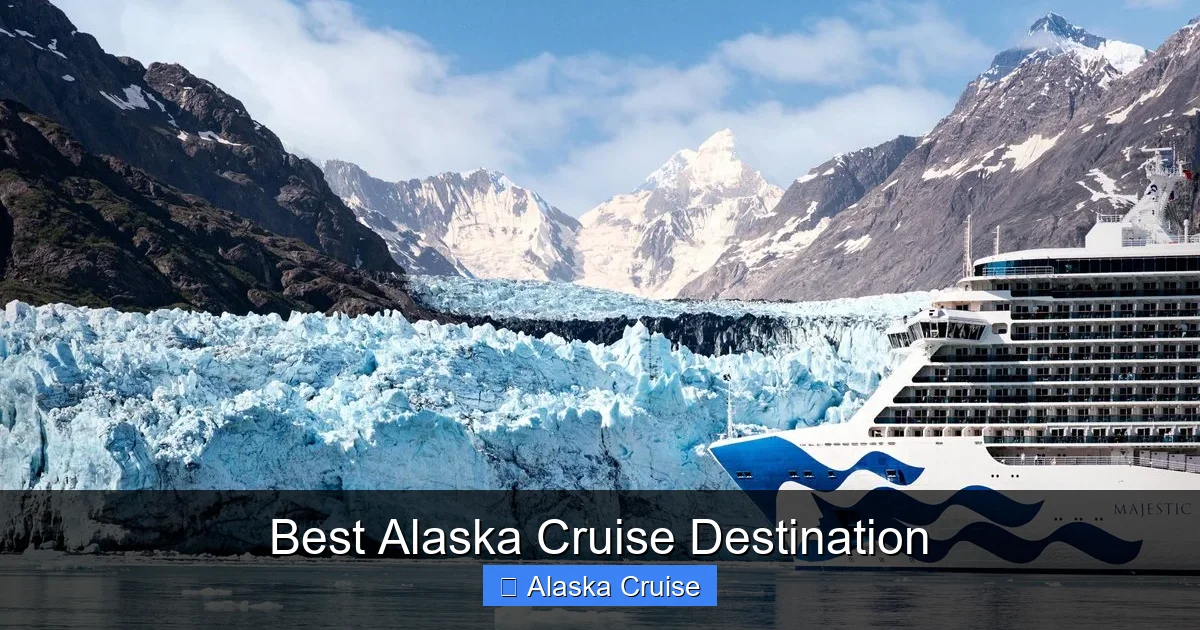
While not a traditional port with shops and restaurants, Glacier Bay National Park is one of the most awe-inspiring stops on any Alaska cruise. This protected wilderness area spans over 3.3 million acres and is home to some of the most active glaciers in the world.
As your ship glides through the bay, you’ll be surrounded by towering ice walls, deep blue waters, and snow-capped mountains. The park is a living laboratory for scientists studying climate change, as glaciers here have been retreating rapidly over the past century. But that also means you’ll witness the raw power of nature as massive chunks of ice calve into the sea with thunderous cracks.
Glacier Bay is also a haven for wildlife. Humpback whales, orcas, sea lions, and harbor seals are commonly seen in the waters. On land, brown bears forage along the shoreline, while bald eagles soar overhead. The park is co-managed with the Huna Tlingit people, whose ancestors have lived in the area for over 10,000 years. Their cultural stories and traditions are shared through interpretive programs on select cruise ships.
Because of its remote location and ecological sensitivity, only a limited number of ships are allowed to enter Glacier Bay each day. This ensures a peaceful, uncrowded experience—perfect for soaking in the silence and grandeur of one of Earth’s last great wilderness areas.
Hubbard Glacier: The Largest Tidewater Glacier in North America
Stretching over 76 miles long and standing up to 400 feet above water, Hubbard Glacier is a true natural wonder. Located near the border of Alaska and Canada, it’s one of the few glaciers in the world that’s actually advancing—growing by about 12 feet per day.
When your ship approaches Hubbard Glacier, you’ll be greeted by a wall of ice that seems to stretch endlessly across the horizon. The glacier calves frequently, sending massive icebergs crashing into the water. These events can create waves that rock the ship, so hold on tight! The sound of ice breaking is unlike anything else—deep, resonant, and powerful.
The best views of Hubbard Glacier are from the ship’s deck, especially on the port side as you cruise past. Many cruise lines offer guided commentary from naturalists, explaining the science behind glacier formation and the impact of climate change. Some ships even slow down or stop for a full “glacier viewing,” giving passengers time to take photos and simply marvel at the sight.
Hubbard Glacier is also a hotspot for marine life. Seals often rest on ice floes, while seabirds like puffins and murres nest on nearby cliffs. On a clear day, you might even see the distant peaks of the Saint Elias Mountains, part of the largest non-polar icefield in the world.
Wildlife Encounters: What You Can Expect to See
One of the biggest reasons people choose an Alaska cruise is the chance to see wildlife in its natural habitat. From the deck of your ship or during shore excursions, you’ll have countless opportunities to spot animals that are rarely seen elsewhere.
Whales: Humpbacks, Orcas, and More
Alaska’s coastal waters are rich with nutrients, making them a feeding ground for several whale species. Humpback whales are the most commonly seen, known for their acrobatic breaches and haunting songs. Orcas, or killer whales, are also frequently spotted, especially near the Inside Passage. These intelligent predators travel in pods and are a thrilling sight.
Other marine mammals include sea otters, which float on their backs while cracking open shellfish, and Steller sea lions, which gather in large colonies on rocky outcrops. Harbor seals are often seen lounging on ice floes near glaciers.
Birds: Eagles, Puffins, and Seabird Colonies
Alaska is a birdwatcher’s paradise. Bald eagles are everywhere—perched on trees, soaring overhead, or diving for fish. In fact, Alaska has the largest population of bald eagles in the U.S. Puffins, with their colorful beaks and comical expressions, nest on coastal cliffs and can be seen during boat tours.
Seabird colonies are also abundant. Look for murres, cormorants, and kittiwakes nesting on steep rock faces. Some areas, like St. Lazaria Island near Sitka, are protected sanctuaries where thousands of birds gather each summer.
Bears: Brown Bears and Black Bears
If you’re lucky, you might spot a brown bear or black bear along the shoreline or in river valleys. These powerful animals come to the coast to feed on salmon during spawning season. Guided bear-watching tours are available in places like Ketchikan and Juneau, offering safe and respectful viewing opportunities.
Remember, wildlife sightings are never guaranteed, but the chances are high during peak season. Bring binoculars, a good camera, and a sense of wonder—you never know what you’ll see.
Best Time to Cruise Alaska: Timing Your Trip Right
Choosing the right time to cruise Alaska can make a big difference in your experience. The official cruise season runs from May through September, with each month offering its own unique advantages.
May and Early June: Fewer Crowds, Lower Prices
The early season is ideal for travelers who want to avoid crowds and save money. Ships are less crowded, and airfare and accommodations are often cheaper. Wildlife is active, and the weather is generally mild, though you may encounter some rain. Glaciers are still impressive, and the landscape is lush and green.
Mid-June to August: Peak Season
This is the busiest time to cruise Alaska, with the warmest weather and longest daylight hours. The sun can shine for up to 18 hours a day, giving you plenty of time to explore. Wildlife is abundant, and all excursions are typically available. However, popular ports can get crowded, and prices are at their highest.
September: Fall Colors and Quiet Shores
Late season cruising offers a different kind of beauty. The mountains begin to show fall colors, and the crowds thin out. Wildlife is still active, and you might even catch a glimpse of the northern lights in the northern regions. While some excursions may be limited, the peaceful atmosphere and stunning scenery make it a favorite among repeat visitors.
No matter when you go, pack layers—Alaska’s weather can change quickly, and temperatures can vary widely between day and night.
Choosing the Right Cruise Line and Itinerary
With so many cruise lines offering Alaska voyages, it’s important to choose one that matches your travel style. Major lines like Holland America, Princess Cruises, Celebrity Cruises, and Norwegian Cruise Line all offer Alaska itineraries, each with its own strengths.
Inside Passage vs. Gulf of Alaska Itineraries
Most Alaska cruises fall into two main categories: Inside Passage and Gulf of Alaska. Inside Passage routes travel along the protected waterways of southeastern Alaska, visiting ports like Ketchikan, Juneau, and Skagway. These cruises are typically 7 days and depart from Seattle or Vancouver.
Gulf of Alaska itineraries are longer—usually 10 to 14 days—and include more remote destinations like Glacier Bay, Hubbard Glacier, and even Anchorage or Whittier. These cruises often start and end in different cities, requiring flights to connect.
Small Ship vs. Large Ship Experiences
Large ships offer more amenities—multiple dining venues, theaters, spas, and kids’ clubs—but may not be able to enter smaller ports or get as close to glaciers. Small ships, like those from UnCruise Adventures or Lindblad Expeditions, provide a more intimate experience with expert naturalists, flexible itineraries, and access to remote areas.
Consider your priorities: Do you want luxury and entertainment, or adventure and immersion in nature? Both options offer incredible Alaska experiences.
Packing Tips and What to Bring
Packing for an Alaska cruise requires a bit more thought than a tropical getaway. The key is layering—temperatures can range from chilly mornings to warm afternoons, and weather can change quickly.
Essential Clothing
Bring a waterproof jacket, warm layers (fleece or wool), and a hat and gloves. Waterproof pants and sturdy, non-slip shoes are also recommended, especially for excursions. Don’t forget sunglasses and sunscreen—the sun reflects off the water and ice, increasing UV exposure.
Gear and Accessories
Binoculars are a must for wildlife viewing. A good camera with a zoom lens will help you capture distant glaciers and animals. Consider bringing a reusable water bottle and a small backpack for day trips.
Health and Safety
Motion sickness medication can be helpful, especially in rough seas. Bring any prescription medications, and check with your cruise line about medical facilities on board. Travel insurance is also highly recommended.
Conclusion: Why Alaska Should Be on Your Bucket List
An Alaska cruise isn’t just a vacation—it’s a journey into one of the last great wildernesses on Earth. From the towering glaciers of Glacier Bay to the historic streets of Skagway, every moment is filled with wonder and discovery. Whether you’re watching a humpback whale breach, hiking through a rainforest, or simply sipping coffee while gazing at a glacier, Alaska leaves a lasting impression.
The best Alaska cruise destination is the one that matches your sense of adventure. Whether you choose a luxury liner or a small expedition ship, a 7-day Inside Passage route or a 14-day Gulf of Alaska voyage, you’ll come away with memories that last a lifetime. So pack your bags, bring your curiosity, and get ready to experience the magic of the Last Frontier.
Frequently Asked Questions
What is the best month to take an Alaska cruise?
The best time to cruise Alaska is from mid-June to August, when the weather is warmest, wildlife is most active, and daylight hours are longest. However, May and September offer fewer crowds and lower prices.
Do I need a passport for an Alaska cruise?
If your cruise departs and returns to the same U.S. port (like Seattle or Vancouver), a passport is not required for U.S. citizens. However, it’s highly recommended in case of emergencies or flight connections.
Can you see glaciers from the ship?
Yes, most Alaska cruises pass by major glaciers like Hubbard Glacier and Glacier Bay. Ships often slow down or stop for optimal viewing, and some offer guided commentary from naturalists.
What wildlife can I expect to see on an Alaska cruise?
You can spot humpback whales, orcas, sea otters, seals, bald eagles, puffins, and even bears along the shoreline. Wildlife sightings vary by season and location.
Are Alaska cruises family-friendly?
Yes, many cruise lines offer kids’ clubs, family excursions, and educational programs. However, the focus is more on nature and adventure than typical resort-style activities.
How much should I budget for an Alaska cruise?
A 7-day cruise typically costs $1,500–$3,000 per person, depending on the line and cabin. Add $500–$1,000 for excursions, drinks, and souvenirs. Booking early can save money.