
Alaska’s summer cruise season offers unparalleled whale-watching opportunities across its pristine ports. From Glacier Bay to Juneau and Ketchikan, each stop delivers close encounters with humpbacks, orcas, and gray whales in their natural habitat.
Key Takeaways
- Juneau is a top whale-watching hub: Located near Auke Bay and Stephens Passage, it offers frequent humpback sightings and guided tours.
- Ketchikan provides rainforest-meets-ocean whale adventures: Known as the “Salmon Capital of the World,” it’s also a hotspot for orcas and humpbacks near Misty Fjords.
- Glacier Bay National Park is a UNESCO site with marine wildlife: While not a traditional port, cruise ships anchor here for glacier and whale viewing in protected waters.
- Skagway offers rugged coastal whale encounters: Though smaller, its proximity to Lynn Canal increases chances of spotting orcas and humpbacks.
- Seward and Whittier serve as gateway ports for Kenai Fjords: These southern ports offer high whale activity, especially near Resurrection Bay.
- Best time for whale watching is July and August: Peak migration and feeding seasons make these months ideal for sightings.
- Book guided excursions for the best experience: Local naturalists increase your chances of spotting whales and learning about their behavior.
📑 Table of Contents
Why Alaska Is the Ultimate Summer Destination for Whale Watching
Alaska isn’t just a cruise destination—it’s a front-row seat to one of nature’s greatest shows. During the summer months, from late May through September, the state’s coastal waters come alive with migrating whales. Humpbacks, orcas, gray whales, and even the occasional minke or fin whale make their way north to feed on the rich bounty of krill, herring, and small fish that thrive in Alaska’s cold, nutrient-dense waters. This seasonal feast draws thousands of marine mammals into narrow fjords, protected bays, and open straits—many of which are easily accessible from popular cruise ports.
What makes Alaska truly special for whale watchers is the combination of dramatic scenery and abundant wildlife. Imagine cruising past towering glaciers, snow-capped peaks, and lush temperate rainforests, all while scanning the horizon for the telltale spout of a humpback breaching the surface. Unlike tropical whale-watching destinations, Alaska offers a raw, untamed backdrop that enhances the sense of adventure. Plus, the long daylight hours of summer—some areas see up to 19 hours of daylight in June—mean more time on the water and better chances to spot these majestic creatures.
Cruise ships are perfectly positioned to take advantage of this natural spectacle. Most Alaska itineraries are designed to sail through prime whale habitats, with routes that hug the coastline and linger in areas known for high marine activity. Whether you’re on a large ocean liner or a smaller expedition vessel, the experience is immersive and unforgettable. And because many cruises include naturalist-led commentary and onboard wildlife guides, you’re not just watching whales—you’re learning about their behaviors, migration patterns, and conservation efforts.
Top Alaska Cruise Ports for Whale Watching in Summer
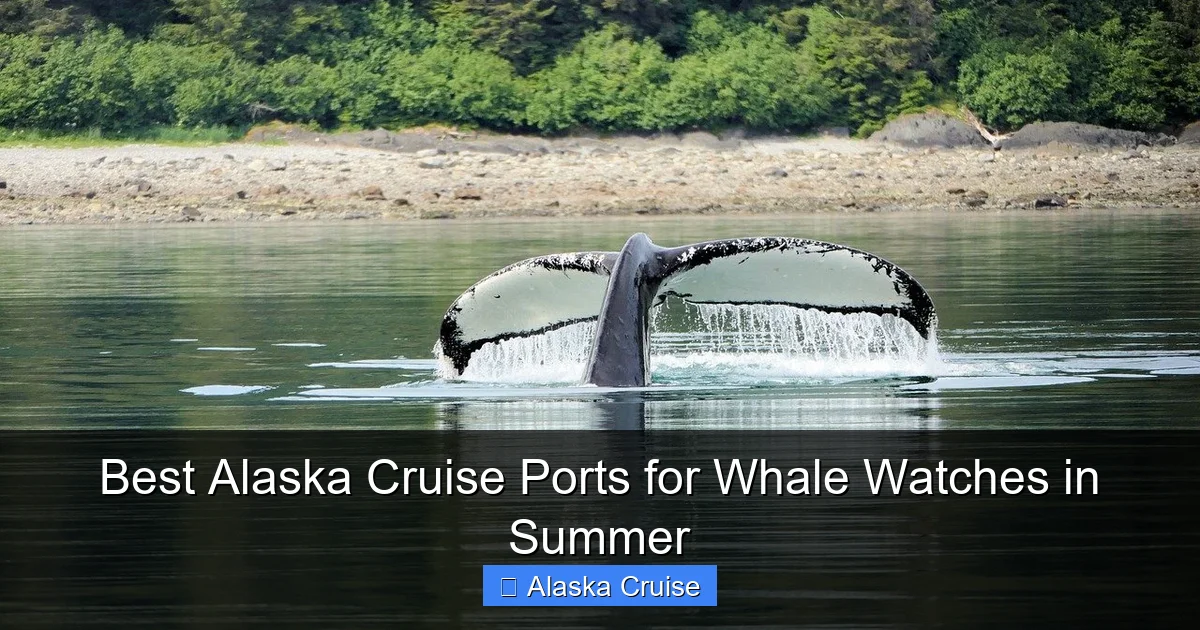
Visual guide about Best Alaska Cruise Ports for Whale Watches in Summer
Image source: cruise.blog
Alaska’s cruise ports aren’t just scenic stops—they’re strategic launch points for some of the best whale-watching experiences in the world. Each port offers unique access to different whale species and marine environments, so choosing the right itinerary can significantly boost your chances of a memorable sighting. Below, we break down the top ports where summer whale watching shines brightest.
Juneau: The Whale-Watching Capital of Alaska
Juneau, Alaska’s capital city, is arguably the most popular and productive whale-watching port on the Inside Passage. Nestled between steep mountains and the deep blue waters of Gastineau Channel, Juneau sits at the heart of a marine ecosystem teeming with life. The city itself is accessible only by boat or plane, adding to its remote charm—and making it a perfect base for ocean adventures.
The real magic happens just outside the harbor. Auke Bay, a short boat ride from downtown Juneau, is a well-known feeding ground for humpback whales. These gentle giants migrate here each summer to gorge on herring, often traveling in pods of three to five. One of the most thrilling behaviors you might witness is “bubble net feeding,” where a group of humpbacks works together to corral fish into a tight ball using bubbles, then lunges upward with mouths wide open.
Several reputable tour operators in Juneau offer high-speed whale-watching excursions that depart daily during the summer. Companies like Harv and Marv’s Outback and Juneau Whale Watch use stable, comfortable boats equipped with hydrophones so you can hear the whales’ haunting songs beneath the surface. Many tours guarantee a whale sighting—or your next trip is free—a testament to the reliability of sightings in this area.
Beyond humpbacks, Juneau’s waters are occasionally visited by orcas, especially in late summer when they follow salmon runs. Gray whales also pass through during their northward migration in spring, though they’re less common in peak summer months. The best time to visit Juneau for whales is from mid-June to mid-August, when water temperatures rise and fish populations peak.
Ketchikan: Rainforest, Salmon, and Orcas
Known as the “Salmon Capital of the World,” Ketchikan is a vibrant port city perched on the edge of the Tongass National Forest—the largest temperate rainforest in the United States. But while salmon may be the star of the local economy, whales are the undisputed highlight for visitors seeking marine wildlife.
Ketchikan’s location at the southern tip of the Inside Passage makes it a natural funnel for migrating whales. The waters around Revillagigedo Island, where the city is located, are rich in nutrients carried down from the Pacific Ocean and the Misty Fjords National Monument. This creates ideal feeding conditions for both humpback and orca whales, especially during the summer months.
One of the best ways to experience whale watching in Ketchikan is by taking a guided boat tour into the nearby Behm Canal or the waters surrounding Misty Fjords. These areas are less crowded than Juneau’s hotspots, offering a more intimate and serene whale-watching experience. Orcas are particularly common here, often seen hunting in pods along the rocky coastline. Their sleek black-and-white forms cutting through the water are a breathtaking sight, especially when they breach or spy-hop to get a better view of their surroundings.
Humpbacks are also frequently spotted near Ketchikan, often feeding in the shallow bays and inlets. Some tours even combine whale watching with visits to salmon hatcheries or cultural stops at Totem Bight State Park, giving you a full taste of Alaskan life. The best time for whale watching in Ketchikan is from late June through August, when both salmon and whale activity are at their peak.
Glacier Bay National Park: A UNESCO Treasure with Marine Wildlife
While not a traditional port city, Glacier Bay National Park is a must-visit stop on most Alaska cruise itineraries—and a prime location for whale watching. This UNESCO World Heritage Site is one of the most pristine and protected marine environments in the world, home to over 1,000 glaciers and a rich diversity of marine life.
Cruise ships typically anchor in Bartlett Cove, the park’s only developed area, before embarking on a full-day journey into the heart of the bay. As your ship glides past towering ice walls and calving glaciers, keep your eyes peeled for spouts and dorsal fins in the distance. Humpback whales are the most commonly seen species here, often feeding in the nutrient-rich waters near the glacier fronts. The cold meltwater from glaciers stirs up plankton and small fish, creating a feeding frenzy that attracts whales from miles away.
One of the unique aspects of whale watching in Glacier Bay is the silence. With strict noise regulations in place to protect wildlife, the only sounds you’ll hear are the crack of ice, the call of seabirds, and the occasional blow of a whale. This creates a deeply peaceful and awe-inspiring atmosphere that’s hard to match anywhere else.
Orcas are less common in Glacier Bay than in other ports, but they do appear, especially in late summer. Gray whales are rare, but not unheard of, particularly during their spring migration. The best time to visit Glacier Bay for whales is from mid-July to early September, when the weather is mild and the glaciers are most active.
Skagway: Rugged Beauty and Coastal Whale Encounters
Skagway may be best known for its Gold Rush history and the White Pass & Yukon Route railway, but it’s also a hidden gem for whale watchers. This small, historic port sits at the northern end of the Inside Passage, where the waters of Lynn Canal meet the open ocean. Lynn Canal is one of the deepest fjords in North America, stretching over 90 miles and plunging to depths of more than 2,000 feet—perfect conditions for deep-diving whales.
Orcas are the stars of Skagway’s whale-watching scene. These apex predators are frequently spotted hunting in the deep channels of Lynn Canal, often in family pods led by a matriarch. Their intelligence and social behavior make them fascinating to observe, especially when they coordinate a hunt or communicate with each other through complex vocalizations.
Humpbacks are also seen in Skagway’s waters, though less frequently than in Juneau or Ketchikan. They tend to appear in late summer, feeding on schools of capelin and herring that move into the area. Some cruise passengers have reported seeing humpbacks breaching just a few hundred yards from the ship—an unforgettable experience.
Because Skagway is a smaller port, whale-watching tours here are often more personalized and less crowded. Local operators like Skagway Sea Tours offer small-boat excursions that get you closer to the action, with knowledgeable guides who share insights into the local ecosystem. The best time for whale watching in Skagway is from late July through August, when both orca and humpback activity increases.
Seward and Whittier: Gateway to Kenai Fjords
Though not always included on traditional Inside Passage cruises, the ports of Seward and Whittier are essential stops for travelers seeking the ultimate Alaska whale-watching adventure. Located on the Kenai Peninsula, these ports serve as gateways to Kenai Fjords National Park—a rugged, glacier-carved landscape that’s home to some of the state’s most abundant marine wildlife.
Seward, in particular, is a hotspot for whale activity. Resurrection Bay, the body of water just outside the harbor, is a known feeding ground for humpback whales, orcas, and gray whales. The bay’s deep waters and proximity to the open Gulf of Alaska create ideal conditions for marine mammals, especially during the summer feeding season.
One of the best ways to experience whale watching in Seward is by taking a full-day cruise into Kenai Fjords. These tours often include stops at Holgate Glacier, where you can watch ice calve into the water, and Chiswell Islands, a protected seabird rookery. But the main attraction is always the whales. Humpbacks are the most common, often seen lunge-feeding near the surface or slapping their tails in a behavior known as “lobtailing.”
Orcas are also frequently spotted in the area, particularly in July and August when they follow salmon runs into the fjords. Some tours even offer the chance to see sea otters, Steller sea lions, and puffins, making it a full wildlife immersion.
Whittier, a smaller port located about an hour from Seward, offers similar whale-watching opportunities. Its proximity to Prince William Sound means you’re likely to encounter a variety of marine life, including humpbacks, orcas, and even the occasional minke whale. Because Whittier is less crowded than Seward, tours here often feel more exclusive and relaxed.
Best Time to See Whales in Alaska
Timing is everything when it comes to whale watching in Alaska. While whales can be seen as early as May and as late as September, the peak season for sightings is firmly in the summer months—especially July and August.
During this time, the waters of the Inside Passage and Gulf of Alaska are teeming with life. The long daylight hours allow whales to feed almost continuously, building up fat reserves for their long migration south in the fall. Humpback whales, in particular, are most active in July and August, often seen breaching, tail-slapping, and bubble-net feeding in groups.
Orcas are also more visible in summer, as they follow salmon runs into coastal waters. Gray whales are less common in peak summer but can still be spotted during their spring migration in May and June.
Weather also plays a role. July and August offer the calmest seas and clearest skies, making for smoother sailing and better visibility. That said, Alaska’s weather is famously unpredictable, so it’s wise to dress in layers and bring waterproof gear regardless of the forecast.
Tips for Maximizing Your Whale-Watching Experience
To make the most of your Alaska cruise and increase your chances of spotting whales, keep these practical tips in mind:
– Book a guided whale-watching tour: Local operators know the best spots and times for sightings. They also provide expert commentary and often use hydrophones to amplify whale sounds.
– Bring binoculars and a camera with a zoom lens: Even if whales are close, a good zoom helps you capture details like barnacle patterns or calf behavior.
– Dress in layers: It can be chilly on the water, even in summer. Waterproof jackets, hats, and gloves are essential.
– Arrive early: Whale activity is often highest in the morning, so aim for early departures.
– Be patient and quiet: Whales are sensitive to noise and sudden movements. Stay calm and let the guides point out sightings.
– Choose a cruise with naturalist guides: Many lines, like Holland America and Princess, employ onboard naturalists who enhance the experience with educational talks and live commentary.
Conclusion
Alaska’s summer cruise ports offer some of the most spectacular whale-watching opportunities on the planet. From the humpback hotspots of Juneau to the orca-rich waters of Skagway and the pristine wilderness of Glacier Bay, each destination delivers a unique and unforgettable encounter with these majestic marine mammals. Whether you’re a first-time cruiser or a seasoned wildlife enthusiast, Alaska’s coastal waters promise adventure, beauty, and the thrill of seeing whales in their natural habitat. With the right timing, preparation, and a sense of wonder, your summer cruise could become a lifelong memory.
Frequently Asked Questions
What is the best month for whale watching in Alaska?
The best months for whale watching in Alaska are July and August. During this time, humpback and orca whales are most active, feeding on abundant fish and krill in the nutrient-rich waters.
Can you see whales from a cruise ship without a tour?
Yes, it’s possible to see whales from a cruise ship, especially in areas like Glacier Bay or Stephens Passage. However, guided tours offer better access, expert guidance, and higher chances of close encounters.
What types of whales can you see in Alaska?
The most common whales in Alaska include humpback whales, orcas (killer whales), and gray whales. Minke and fin whales are occasionally spotted, especially in deeper waters.
Are whale-watching tours safe for children?
Yes, most whale-watching tours are family-friendly and safe for children. Operators provide life jackets and often have naturalist guides who engage kids with fun facts and activities.
Do I need to book whale-watching tours in advance?
It’s highly recommended to book tours in advance, especially during peak season. Popular operators in Juneau and Ketchikan can fill up quickly, and pre-booking ensures you get a spot.
What should I bring on a whale-watching tour?
Bring binoculars, a camera with a zoom lens, waterproof clothing, layers for warmth, sunscreen, and motion sickness remedies if needed. A small backpack is ideal for carrying essentials.