The best time of year for Alaska cruise is typically from late May to early September, when weather is mild, wildlife is active, and daylight stretches long. Peak season in July and August offers the warmest temperatures and full access to ports, while shoulder months like June and September provide fewer crowds and better deals.
Key Takeaways
- Peak Season (July–August): Warmest weather, longest daylight, and full access to ports and excursions—ideal for first-time cruisers.
- Shoulder Months (June & September): Fewer crowds, lower prices, and still great weather—perfect for budget-conscious travelers.
- Early Season (May): Cooler temps and possible ice in glaciers, but lower prices and early wildlife activity.
- Wildlife Viewing: Best from June to August for bears, whales, and migratory birds.
- Glacier Views: Most accessible in July and August, though calving can happen any time.
- Northern Lights: Not visible during summer due to midnight sun, but possible in late September if you extend your trip.
- Pricing Trends: Book early for best rates; last-minute deals may be available in September.
📑 Table of Contents
- When Is the Best Time of Year for Alaska Cruise?
- Understanding Alaska’s Cruise Season
- Breaking Down the Months: Pros and Cons
- What Matters Most: Weather, Wildlife, and Crowds
- Glaciers, Northern Lights, and Unique Experiences
- Budget Considerations and Booking Tips
- Final Thoughts: Choosing Your Perfect Time
When Is the Best Time of Year for Alaska Cruise?
So, you’re dreaming of towering glaciers, breaching humpback whales, and rugged coastlines painted in shades of green and blue. An Alaska cruise sounds like the adventure of a lifetime—and it is. But before you pack your bags and book that cabin, there’s one big question every traveler asks: *When is the best time of year for Alaska cruise?*
Alaska’s cruise season is short but spectacular, running roughly from May to September. Unlike tropical destinations that welcome visitors year-round, Alaska’s northern climate means the window for smooth sailing and optimal sightseeing is limited. Choosing the right time to go can make a huge difference in your experience—whether you’re hoping to spot a grizzly bear fishing for salmon, witness a glacier calving into the sea, or simply enjoy a warm(ish) day on deck with a hot chocolate in hand.
The good news? There’s no single “perfect” time that works for everyone. The best time for your Alaska cruise depends on what you value most: weather, wildlife, crowds, budget, or unique seasonal events. Some travelers prioritize warm temperatures and full access to ports, while others prefer quieter ships and lower prices. By understanding the pros and cons of each month, you can tailor your trip to match your ideal Alaskan adventure.
Understanding Alaska’s Cruise Season

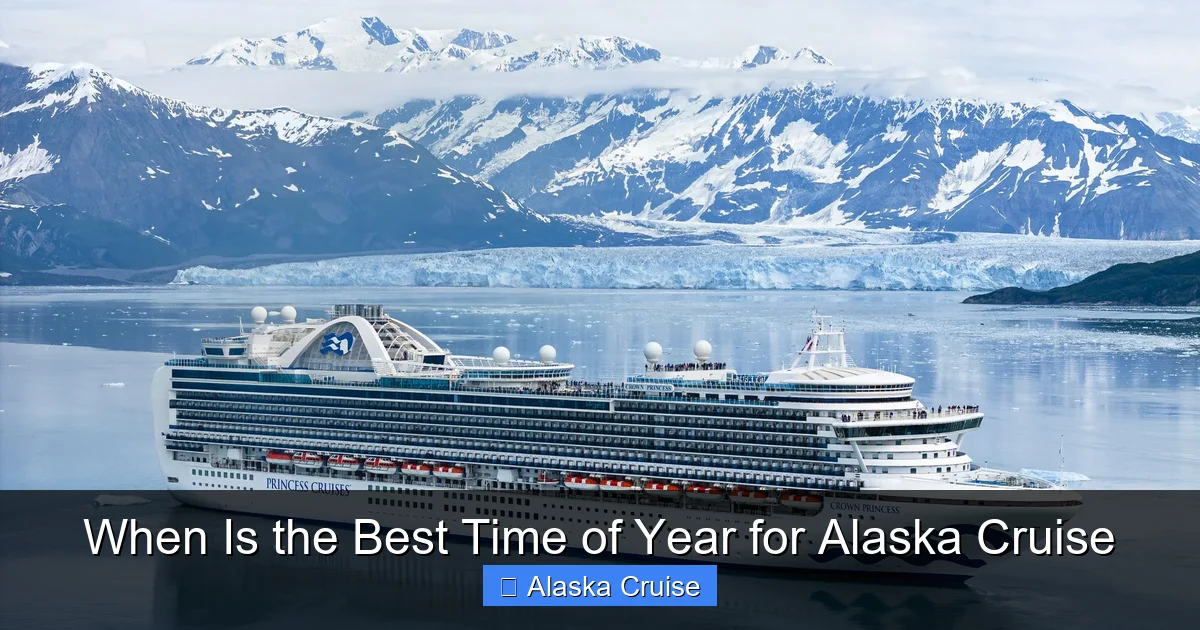
Visual guide about When Is the Best Time of Year for Alaska Cruise
Image source: i.pinimg.com
Alaska’s cruise season typically runs from mid-May to mid-September, with most major cruise lines—like Holland America, Princess, Norwegian, and Royal Caribbean—offering weekly departures during this window. This six-month period aligns with the region’s brief summer, when temperatures are mild, daylight is abundant, and wildlife is most active.
The season kicks off in May, when the snow begins to melt and the first cruise ships arrive in ports like Juneau, Ketchikan, and Skagway. By June, the landscape is lush and green, and by July and August, the weather reaches its peak warmth—though “warm” in Alaska still means averaging 50–65°F (10–18°C). September brings cooler air, fewer tourists, and the first hints of fall color in the forests.
It’s important to note that Alaska’s weather is unpredictable, even in summer. Rain is common, especially in coastal rainforest areas like Ketchikan, and fog can occasionally delay glacier viewing. But these elements are part of the charm—Alaska isn’t about perfect weather; it’s about raw, untamed beauty.
Why the Season Is So Short
Alaska’s extreme latitude means long, harsh winters with heavy snowfall and freezing temperatures. Ports like Skagway and Haines are often inaccessible from October to April due to ice and snow. Even Juneau, which remains ice-free, sees limited cruise traffic in the off-season.
Additionally, many of the wildlife experiences—like bear viewing in Katmai or whale watching in Glacier Bay—are seasonal. Salmon runs, which attract bears and eagles, peak in summer, and migratory birds leave by early fall. This natural rhythm shapes the cruise calendar, making summer the only viable time for a full Alaskan experience.
How Cruise Lines Schedule Their Itineraries
Most cruise lines operate on a rotating schedule, with ships departing from Seattle or Vancouver and sailing north through the Inside Passage. Round-trip itineraries are common, but one-way cruises (northbound or southbound) are also popular, often ending in Seward or Whittier for connections to Denali National Park.
Ships typically spend 7 to 10 days in Alaska, visiting 4–6 ports. The timing of these stops is carefully planned to maximize daylight and weather conditions. For example, Glacier Bay National Park is usually visited in the morning when visibility is best, and whale-watching excursions are scheduled during peak feeding times.
Breaking Down the Months: Pros and Cons
To help you decide when to go, let’s take a closer look at each month of the Alaska cruise season. Each has its own personality, advantages, and trade-offs.
May: The Quiet Start
May marks the beginning of the cruise season, and it’s a time of transition. The landscape is still shedding winter’s grip—snow may linger in higher elevations, and some hiking trails remain closed. But the air is fresh, the water is calm, and the first wildflowers are beginning to bloom.
Pros:
– Lower prices and fewer crowds
– Early wildlife activity, especially birds returning from migration
– Ships are less crowded, so you’ll have more space and personalized service
Cons:
– Cooler temperatures (40–55°F / 4–13°C)
– Some excursions may be limited or unavailable
– Glaciers may still have ice buildup, reducing calving activity
May is ideal for travelers who want a more intimate experience and don’t mind bundling up. It’s also a great time for photographers looking to capture Alaska in a quieter, more serene state.
June: The Green Awakening
By June, Alaska is in full bloom. The days are long—up to 18 hours of daylight in some areas—and the forests are lush and green. This is when the salmon begin their upstream journey, drawing bears, eagles, and fishermen to riverbanks.
Pros:
– Mild weather (50–60°F / 10–15°C)
– Excellent wildlife viewing, especially bears and whales
– Most excursions and tours are fully operational
– Still relatively fewer crowds compared to July and August
Cons:
– Prices start to rise as demand increases
– Some higher-elevation areas may still have snow
June strikes a great balance between good weather, active wildlife, and manageable crowds. It’s a favorite among families and nature lovers who want a full Alaskan experience without the peak-season rush.
July: Peak Season Bliss
July is the heart of Alaska’s cruise season—and for good reason. This is when the weather is at its warmest, the days are longest, and everything is in full swing. If you’re looking for the classic Alaska experience, July is hard to beat.
Pros:
– Warmest temperatures (55–65°F / 13–18°C)
– Maximum daylight (up to 19 hours in some areas)
– All ports and excursions are open
– Peak wildlife activity—bears, whales, puffins, and more
– Glacier calving is frequent and dramatic
Cons:
– Highest prices and largest crowds
– Ships and ports can feel busy
– Popular excursions may sell out quickly
July is ideal for first-time cruisers, families, and anyone who wants the full Alaska package. Just be prepared to book early and pay a premium. If you’re flexible with dates, consider the first or last week of July to avoid the absolute peak.
August: Summer’s Last Hurrah
August is still peak season, but the energy begins to shift. The weather remains pleasant, though nights start to cool. The salmon runs are in full force, and wildlife is especially active as animals prepare for winter.
Pros:
– Still warm and sunny, with long days
– Excellent wildlife viewing, especially bears fishing for salmon
– Glaciers are accessible and calving regularly
– Slightly fewer crowds than July
Cons:
– Prices remain high
– Some travelers report more rain in late August
– Fall colors begin to appear, which is beautiful but signals the season’s end
August is a great choice if you missed July or want to avoid the very busiest weeks. It’s also a fantastic time for photographers, as the light softens and the landscape begins to change.
September: The Quiet Farewell
September is the final month of the cruise season, and it’s a time of transition. The crowds thin out, the air grows crisper, and the first hints of autumn color appear in the birch and aspen trees.
Pros:
– Lower prices and fewer tourists
– Cool, crisp weather (45–55°F / 7–13°C)—perfect for layering
– Stunning fall foliage in some areas
– Wildlife is still active, especially bears fattening up for hibernation
– Last-minute deals may be available
Cons:
– Shorter days and cooler temperatures
– Some excursions may be reduced or unavailable
– Weather can be more unpredictable, with increased rain and wind
September is perfect for budget travelers, couples, and those seeking a more peaceful experience. It’s also a great time to extend your trip with a land tour to Denali, where the fall colors are spectacular.
What Matters Most: Weather, Wildlife, and Crowds
When deciding when to cruise Alaska, most travelers weigh three key factors: weather, wildlife, and crowds. Let’s break down how each varies throughout the season.
Weather: Mild but Unpredictable
Alaska’s summer weather is famously mild—but that doesn’t mean it’s always sunny. Coastal areas like Ketchikan average 150–200 rainy days per year, and even in July, you should pack a waterproof jacket.
Temperatures generally range from 50°F to 65°F (10°C to 18°C) in summer, but it can feel cooler on the water or in shaded areas. Layering is key—bring a base layer, fleece, and a waterproof outer shell.
One of the biggest weather perks? The midnight sun. In June and July, the sun barely sets, giving you more time to explore and photograph. In September, daylight shortens, but the golden hour lasts longer—ideal for photography.
Wildlife: A Seasonal Spectacle
Alaska is a wildlife lover’s paradise, but timing is everything.
– Bears: Best seen from June to September, especially during salmon runs in July and August. Popular spots include Pack Creek on Admiralty Island and Brooks Falls in Katmai.
– Whales: Humpback, orca, and gray whales are most active from May to September. Juneau and Icy Strait Point are prime whale-watching locations.
– Birds: Puffins, bald eagles, and migratory species are abundant from May to August. Seabird colonies are especially active in June and July.
– Moose and Mountain Goats: Visible year-round, but easier to spot in summer when they’re active and not hidden by snow.
If wildlife is your top priority, aim for July or August. But even in May and September, you’ll have plenty of opportunities to see animals—just with fewer people around.
Crowds: The Trade-Off Between Access and Peace
July and August are the busiest months, with ships often at full capacity and ports crowded with tourists. If you prefer a quieter experience, June and September are better choices.
That said, even in peak season, Alaska’s vast landscapes help disperse crowds. You’ll still find solitude on hiking trails, in small towns, or during early morning excursions.
One tip: Book popular tours (like whale watching or glacier hikes) as early as possible. Many sell out weeks in advance, especially in July.
Glaciers, Northern Lights, and Unique Experiences
Beyond the basics, there are some special experiences that depend heavily on timing.
Glacier Viewing: When to See the Ice
Alaska is home to over 100,000 glaciers, and seeing one up close is a highlight of any cruise. The most famous is Hubbard Glacier, often visited on northbound itineraries, and Glacier Bay National Park, a UNESCO World Heritage Site.
Glaciers are accessible from May to September, but the best viewing is typically in July and August, when calving (the breaking off of ice chunks) is most frequent. However, calving can happen any time—it’s a natural process driven by tides and temperature.
Tip: Book a glacier-focused excursion, like a kayak tour or a small-boat cruise, for the closest views. These often provide better access than the main ship.
Northern Lights: A Rare Summer Sight
The Northern Lights (aurora borealis) are one of nature’s most dazzling displays—but they’re nearly impossible to see during Alaska’s summer cruise season. Why? The midnight sun means the sky never gets truly dark.
If seeing the aurora is a must, consider extending your trip into late September or October. Some cruise lines offer post-cruise land tours that include aurora viewing in Fairbanks or Anchorage. Just be prepared for colder weather and shorter days.
Unique Seasonal Events
Alaska’s communities celebrate their culture and seasons with festivals and events throughout the summer.
– Juneau’s Gold Rush Days (July): A reenactment of the 1880s gold rush with parades, music, and historical tours.
– Ketchikan’s Rainforest Festival (August): Celebrates the region’s lush ecosystem with guided hikes and educational programs.
– Sitka’s WhaleFest (November): Not during cruise season, but worth noting if you’re extending your trip.
These events add a cultural layer to your cruise and are a great way to connect with local communities.
Budget Considerations and Booking Tips
Alaska cruises can be a significant investment, so timing your trip wisely can save you hundreds—or even thousands—of dollars.
Pricing Trends by Month
– May & September: Lowest prices, with discounts of 20–40% off peak rates. Last-minute deals are common in September.
– June & August: Moderate to high prices, depending on demand.
– July: Highest prices, with suites and balcony cabins often selling out months in advance.
How to Save Money
– Book Early: The best cabins and lowest prices are available 12–18 months in advance.
– Travel in Shoulder Months: June and September offer the best balance of price and experience.
– Choose Inside Cabins: You’ll spend most of your time exploring, so save on accommodation.
– Look for Package Deals: Some cruise lines offer airfare, hotels, and excursions bundled at a discount.
– Consider a Repositioning Cruise: These one-way cruises (e.g., Seattle to Seward) often have lower per-night rates.
What’s Included?
Most Alaska cruises include meals, entertainment, and basic activities. But excursions, drinks, Wi-Fi, and gratuities are usually extra. Budget at least $100–$150 per person per day for extras.
Final Thoughts: Choosing Your Perfect Time
So, when is the best time of year for Alaska cruise? The answer depends on you.
If you want the warmest weather, longest days, and full access to everything Alaska has to offer, July and August are your best bets. It’s peak season for a reason—everything is in full swing.
If you prefer fewer crowds, lower prices, and don’t mind slightly cooler temps, June and September are excellent alternatives. You’ll still see wildlife, glaciers, and stunning scenery—just with more peace and quiet.
And if you’re on a tight budget or love the idea of being among the first (or last) to experience Alaska’s summer magic, May or late September could be your sweet spot.
No matter when you go, an Alaska cruise is a journey you’ll never forget. Pack your layers, bring your sense of wonder, and get ready to fall in love with the Last Frontier.
Frequently Asked Questions
What is the best month for an Alaska cruise?
The best month for an Alaska cruise is typically July, when weather is warmest, wildlife is most active, and all ports and excursions are fully operational. August is also excellent, with similar conditions and slightly fewer crowds.
Can you see the Northern Lights on an Alaska cruise?
It’s very unlikely to see the Northern Lights during the summer cruise season (May–September) due to the midnight sun. For aurora viewing, consider extending your trip into late September or October.
Is September too cold for an Alaska cruise?
September is cooler, with temperatures ranging from 45–55°F (7–13°C), but it’s not too cold for most travelers. Layering and a good jacket will keep you comfortable, and the fall colors are a bonus.
Are Alaska cruises expensive?
Alaska cruises can be pricey, especially in July and August. However, traveling in May or September can save you 20–40%. Booking early and choosing inside cabins also helps reduce costs.
What should I pack for an Alaska cruise?
Pack layers: a base layer, fleece, waterproof jacket, comfortable walking shoes, hat, gloves, and sunglasses. Don’t forget a camera, binoculars, and motion sickness medication.
Can you see glaciers on an Alaska cruise?
Yes! Most itineraries include glacier viewing at spots like Hubbard Glacier, Glacier Bay, or Tracy Arm. The best views are typically in July and August, but calving can happen any time.