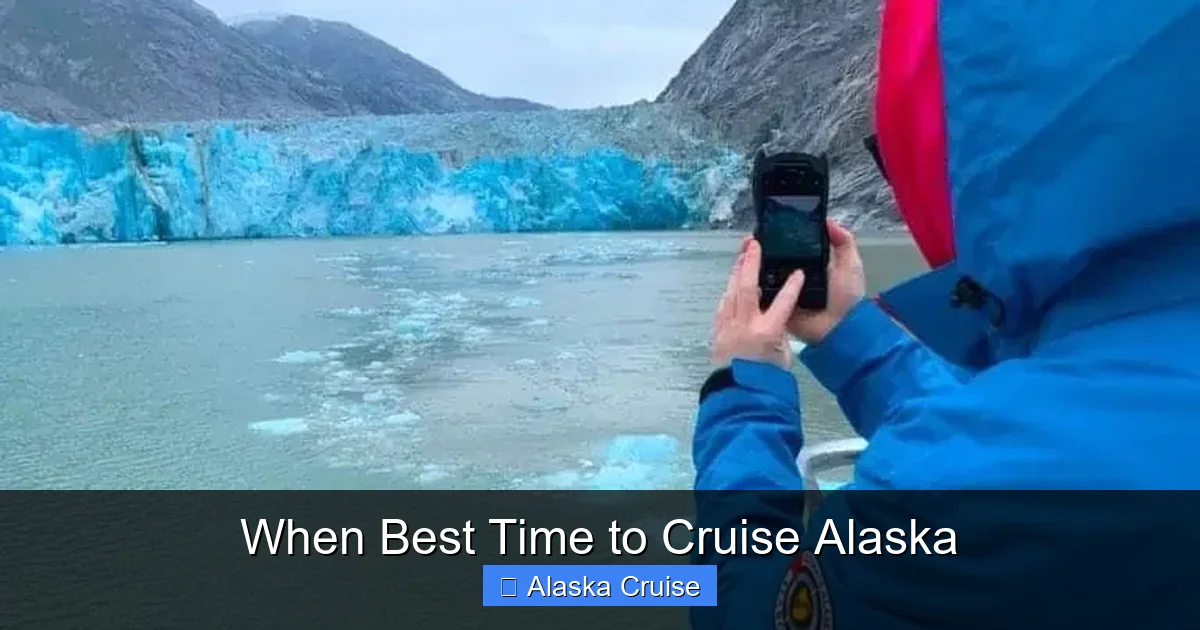
The best time to cruise Alaska is from late May to early September, when weather is mild, wildlife is active, and daylight hours are long. Peak season in July and August offers warmest temperatures and full access to ports, while shoulder months like June and September provide fewer crowds and lower prices.
Key Takeaways
- Peak Season (July–August): Warmest weather, longest days, and full access to attractions, but also the most crowded and expensive.
- Shoulder Seasons (June & September): Fewer crowds, lower prices, and still great weather—ideal for travelers seeking balance.
- Wildlife Viewing: May and June are best for bears and whales; July and August for puffins and sea lions.
- Glacier Views: Glaciers are most accessible and dramatic from June to August, with calving activity peaking in July.
- Daylight Hours: Up to 19 hours of daylight in June, perfect for sightseeing and photography.
- Weather Variability: Pack layers—Alaska’s weather can shift quickly, even in summer.
- Port Access: Some remote ports and excursions may be limited in May and September due to weather or staffing.
📑 Table of Contents
- When Is the Best Time to Cruise Alaska? A Complete Guide
- Understanding Alaska’s Cruise Season
- Weather and Climate: What to Expect Each Month
- Wildlife Viewing: Timing Your Trip for the Best Sightings
- Glacier Views and Calving Activity
- Port Access and Excursion Availability
- Cost and Crowd Considerations
- Packing Tips for Any Time of Year
- Conclusion: Choosing the Best Time for You
When Is the Best Time to Cruise Alaska? A Complete Guide
If you’ve ever dreamed of cruising through icy fjords, spotting humpback whales breaching beside your ship, or standing in awe before a towering glacier, Alaska is the destination that delivers—big time. But with its vast size, dramatic landscapes, and unpredictable weather, timing your trip right can make all the difference between a good cruise and an unforgettable one.
So, when is the best time to cruise Alaska? The short answer: late May through early September. This window offers the most favorable conditions for cruising, with milder temperatures, longer daylight hours, and the highest chance of smooth sailing. But within that range, each month brings its own unique flavor—whether you’re after fewer crowds, lower prices, or peak wildlife sightings. Let’s dive into the details so you can choose the perfect time for your Alaskan adventure.
Understanding Alaska’s Cruise Season
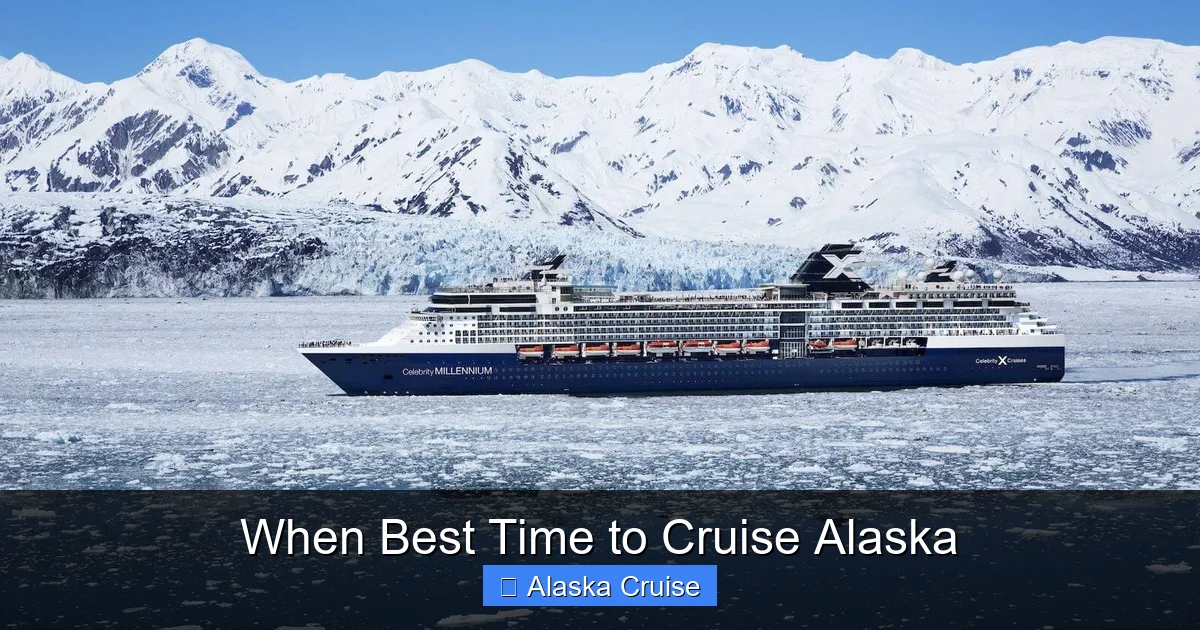
Visual guide about When Best Time to Cruise Alaska
Image source: cruise.blog
Alaska’s cruise season is relatively short, typically running from mid-May to mid-September. This is when major cruise lines like Holland America, Princess, Royal Caribbean, and Norwegian Cruise Line operate their ships in the region. The season aligns with the warmer months when the waters of the Inside Passage and Gulf of Alaska are navigable, and ports are fully operational.
The cruise season is divided into three main periods: early season (May–early June), peak season (July–August), and shoulder season (September). Each has its pros and cons, depending on what you value most—weather, wildlife, cost, or crowd levels.
Early Season: May to Early June
Traveling to Alaska in May or early June means you’re among the first to experience the awakening of the north. The snow is melting, rivers are swelling, and the landscape is bursting with new life. This is a magical time to visit, especially if you enjoy quieter ports and lower prices.
Temperatures during this time range from the 40s to low 60s°F (4–16°C), so you’ll want to pack warm layers. While it’s not beach weather, it’s more than comfortable for sightseeing, especially with the long daylight hours—up to 18 hours of sunlight in late May.
One of the biggest advantages of cruising in May is the wildlife. Bears are emerging from hibernation and can often be spotted along riverbanks in places like Ketchikan and Juneau, feeding on salmon runs. Whale season is also kicking off, with humpbacks and orcas beginning their migration north.
However, keep in mind that some excursions and remote ports may still be limited due to lingering ice or staffing shortages. For example, glacier tours in Tracy Arm or Hubbard Glacier might be less frequent, and some small towns may not have all shops and restaurants open yet.
Peak Season: July and August
If you want the full Alaska experience—warm weather, bustling ports, and maximum activity—July and August are your best bets. These are the most popular months to cruise Alaska, and for good reason.
Temperatures hover between the 50s and 70s°F (10–21°C), making it ideal for outdoor adventures. The days are long—up to 19 hours of daylight in Juneau—giving you plenty of time to explore, hike, and take in the views. This is also when most cruise lines offer their full range of shore excursions, from dog sledding on glaciers to flightseeing over Denali.
Wildlife is abundant during these months. Puffins nest along coastal cliffs, sea lions lounge on rocky outcrops, and whales are frequently spotted in places like Icy Strait Point and Glacier Bay. July, in particular, is prime time for glacier calving—when massive chunks of ice break off into the water, creating thunderous splashes and dramatic photo opportunities.
But popularity comes with a price. July and August are the most crowded and expensive months to cruise Alaska. Ports like Skagway and Juneau can feel packed with tourists, and popular excursions often sell out weeks in advance. If you’re looking for a more relaxed experience, you might want to consider the shoulder months instead.
Shoulder Season: September
September is a hidden gem for Alaska cruisers. The summer crowds begin to thin, prices drop, and the landscape transforms into a stunning palette of gold, red, and orange as the leaves change. It’s a quieter, more intimate time to experience Alaska’s natural beauty.
Temperatures in September range from the 40s to 60s°F (4–15°C), so you’ll still want to dress in layers. The weather can be more variable, with a higher chance of rain, but sunny days are still common—and often come with crisp, clear skies perfect for photography.
Wildlife viewing remains strong in September. Bears are actively preparing for hibernation and can be seen fishing for salmon in rivers. Whales are still present, especially in the early part of the month. And if you’re lucky, you might even catch the first hints of the northern lights in the late evening, particularly in northern ports like Whittier or Seward.
One thing to note: some cruise lines begin winding down operations in September, and a few ports or excursions may close early. For example, the famous White Pass and Yukon Route railway in Skagway typically ends service in early September. So if there’s a specific activity you don’t want to miss, double-check the schedule before booking.
Weather and Climate: What to Expect Each Month
Alaska’s weather is famously unpredictable, and even in summer, you should be prepared for changeable conditions. That said, understanding the typical climate patterns can help you pack smart and set realistic expectations.
May: Cool and Crisp
May is the start of the cruise season, and while it’s not warm, it’s far from cold. Average daytime temperatures range from 45°F to 60°F (7–15°C), with cooler nights. Rain is possible, but snow is rare at sea level. The upside? You’ll likely have the ports almost to yourself, and the spring blooms are just beginning.
June: Mild and Bright
June is when Alaska truly comes alive. Temperatures climb into the 50s and 60s°F (10–18°C), and the days are long—up to 19 hours of daylight in some areas. This is a great time for photography, as the extended daylight gives you golden hour lighting well into the evening. Rain is still a possibility, but sunny days are common.
July: Warm and Busy
July is the warmest month, with average highs in the 60s and even low 70s°F (16–22°C). It’s also the wettest month, so pack a good rain jacket. Despite the rain, July offers the best combination of weather, wildlife, and accessibility. Just be ready for crowds.
August: Still Summer, But Cooling
August remains warm, with temperatures similar to July, but nights start to cool down. The crowds begin to ease slightly toward the end of the month. This is a great time to enjoy Alaska’s summer without the peak-season rush.
September: Crisp and Colorful
September brings cooler weather, with daytime highs in the 50s°F (10–15°C) and chilly nights. Rain is more frequent, and the first frost can occur. But the fall colors are spectacular, and the reduced number of tourists makes for a more peaceful experience.
Wildlife Viewing: Timing Your Trip for the Best Sightings
One of the biggest draws of an Alaska cruise is the chance to see wildlife in its natural habitat. From majestic whales to playful sea otters and powerful bears, Alaska is a wildlife lover’s paradise. But when you go can greatly affect what you see.
Bears: May to September
Brown bears and black bears are most active from May through September. In May and June, they’re often spotted along riverbanks in places like Ketchikan and Juneau, feeding on early salmon runs. By July and August, they’re more widely distributed, including in Katmai National Park and along the coast near Glacier Bay. September is prime time for bear viewing as they prepare for hibernation and gorge on late-season salmon.
Whales: May to September
Humpback whales, orcas, and gray whales migrate through Alaskan waters from spring to fall. May and June are excellent for early whale sightings, especially in the Inside Passage. July and August are peak whale-watching months, with frequent sightings in Icy Strait Point, Glacier Bay, and around Juneau. September still offers good opportunities, particularly in the early part of the month.
Sea Otters, Seals, and Sea Lions
These marine mammals are visible throughout the cruise season. Sea otters are often seen floating on their backs in kelp beds, while harbor seals and Steller sea lions can be spotted on rocks and buoys. July and August are ideal for seeing sea lion colonies in full activity.
Puffins and Seabirds
Tufted puffins and other seabirds nest along coastal cliffs from May to August. July is the best time to see them, as they’re actively feeding their chicks. By September, many have migrated south.
Glacier Views and Calving Activity
No Alaska cruise is complete without seeing a glacier up close. Whether it’s the towering face of Hubbard Glacier, the icy maze of Tracy Arm, or the serene beauty of Glacier Bay, these frozen giants are a highlight for most travelers.
When Are Glaciers Most Active?
Glacier calving—the dramatic process of ice breaking off into the water—is most common in the summer months, especially July. Warmer temperatures and longer days cause glaciers to melt and shift, increasing the chances of witnessing a calving event. That said, calving can happen any time of year, and even in May or September, you might see impressive icefalls.
Accessibility and Visibility
From June to August, glaciers are most accessible, and cruise ships can get closer due to reduced ice buildup. In May, some areas may still have sea ice, limiting access. In September, weather conditions can affect visibility, but clear days offer stunning views.
Tips for Glacier Viewing
– Bring binoculars for a closer look at calving events.
– Dress warmly—even in summer, glacier areas can be chilly.
– Be patient—calving is unpredictable, but the wait is worth it.
Port Access and Excursion Availability
One of the most practical considerations when choosing your cruise date is port access and excursion availability. Not all ports and activities operate year-round, and timing can affect your itinerary.
Early Season Limitations
In May, some remote ports like Haines or Wrangell may have limited services. Excursions such as helicopter tours or dog sledding may not be available until June. Additionally, some national parks and wildlife refuges may have restricted access due to snow or trail conditions.
Peak Season Full Access
July and August offer the widest range of excursions. From whale-watching tours and glacier hikes to cultural experiences in native villages, everything is up and running. However, popular tours often sell out quickly, so book in advance.
Shoulder Season Considerations
In September, some cruise lines reduce their schedules, and a few ports may close early. For example, the Mendenhall Glacier visitor center in Juneau typically closes in early September. If you have a must-do excursion, confirm its operating dates before booking.
Cost and Crowd Considerations
Your budget and tolerance for crowds will also influence the best time to cruise Alaska.
Peak Season: Higher Prices, More People
July and August are the most expensive months, with cruise fares, flights, and excursions at their highest. Ports can feel crowded, especially in popular spots like Skagway and Juneau. If you’re looking for a lively atmosphere and don’t mind the crowds, this is the time to go.
Shoulder Seasons: Better Value, Quieter Experience
June and September offer significant savings. Cruise fares are lower, flights are often cheaper, and you’ll have more space on excursions and in ports. June still offers great weather and full access, while September adds the bonus of fall colors and fewer tourists.
Early Season: Best for Budget Travelers
May is the most affordable time to cruise Alaska, with the lowest prices and smallest crowds. If you’re flexible with weather and don’t mind a few limitations, it’s a great option for budget-conscious travelers.
Packing Tips for Any Time of Year
No matter when you go, packing smart is key to enjoying your Alaska cruise.
– Layers are essential: Temperatures can vary widely, even in summer.
– Waterproof gear: A good rain jacket and waterproof shoes are a must.
– Warm accessories: Bring a hat, gloves, and a scarf, even in July.
– Sun protection: With long daylight hours, sunscreen and sunglasses are important.
– Binoculars: Perfect for wildlife and glacier viewing.
– Camera with extra batteries: You’ll want to capture every moment.
Conclusion: Choosing the Best Time for You
So, when is the best time to cruise Alaska? The answer depends on your priorities.
If you want the warmest weather, longest days, and full access to everything Alaska has to offer, July and August are ideal. But be ready for crowds and higher prices.
If you prefer a balance of good weather, fewer people, and lower costs, June and September are excellent choices. June offers near-peak conditions with slightly fewer tourists, while September brings stunning fall colors and a peaceful atmosphere.
And if you’re looking for the best value and don’t mind cooler temps, May is a fantastic time to experience Alaska’s awakening—with the added bonus of seeing wildlife at its most active.
Ultimately, there’s no bad time to cruise Alaska during the summer season. Each month offers something special, and no matter when you go, you’re guaranteed breathtaking scenery, unforgettable wildlife, and memories that will last a lifetime.
Frequently Asked Questions
What is the best month to cruise Alaska for wildlife?
The best months for wildlife viewing are June through August. Bears are active along rivers, whales are frequently spotted, and seabirds like puffins are nesting. May and September also offer great sightings, especially for bears and early whale migrations.
Is it cold on an Alaska cruise in July?
No, July is one of the warmest months, with average temperatures ranging from the 50s to low 70s°F (10–22°C). However, it can still rain, and temperatures near glaciers may feel cooler, so layers are recommended.
Can you see the northern lights on an Alaska cruise?
Yes, but only in the shoulder season, particularly September. The northern lights are more likely in darker, clearer skies, which are more common in late summer and early fall. July and August have too much daylight for aurora viewing.
Are Alaska cruises safe in September?
Yes, September is a safe and popular time to cruise Alaska. Weather is cooler and rain is more likely, but ships are well-equipped for the conditions. Just be sure to check excursion availability, as some may close early in the month.
Do I need a passport for an Alaska cruise?
It depends on your itinerary. Closed-loop cruises (starting and ending in the same U.S. port) do not require a passport for U.S. citizens, but a passport is strongly recommended in case of emergencies. International itineraries always require a passport.
What should I wear on an Alaska cruise?
Pack layers, including a waterproof jacket, warm sweater, long pants, and comfortable walking shoes. Even in summer, temperatures can drop, especially on deck or near glaciers. Don’t forget a hat, gloves, and sunglasses.