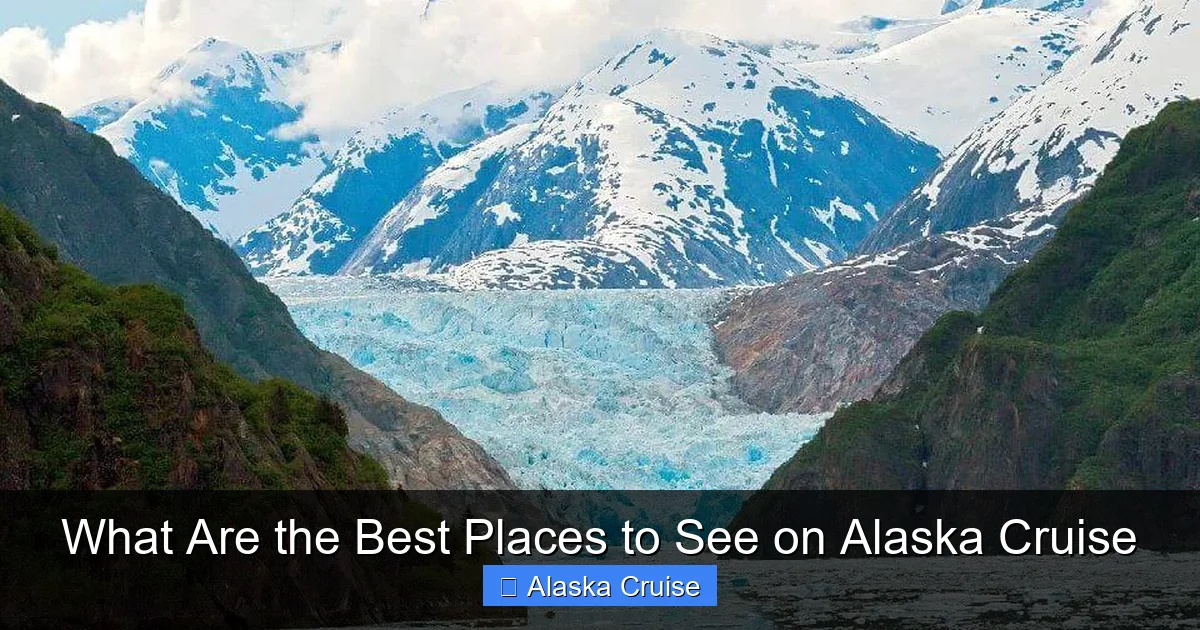
An Alaska cruise offers some of the most breathtaking natural wonders on Earth. From towering glaciers and rugged coastlines to charming coastal towns and abundant wildlife, every port delivers a unique experience. Whether you’re marveling at calving ice in Glacier Bay or spotting whales near Ketchikan, an Alaska cruise is a journey you’ll never forget.
Key Takeaways
- Glacier Bay National Park: A UNESCO World Heritage Site with massive glaciers, whale sightings, and dramatic fjords—best viewed from the ship or on a guided kayak tour.
- Juneau: Alaska’s capital city offers access to Mendenhall Glacier, whale-watching excursions, and the historic Goldbelt Tram for panoramic views.
- Ketchikan: Known as the “Salmon Capital of the World,” it’s rich in Native Alaskan culture, totem poles, and rainforest hikes like the Deer Mountain Trail.
- Skagway: A Gold Rush-era town with preserved historic buildings, the White Pass & Yukon Route Railway, and hiking trails into the wilderness.
- Hubbard Glacier: One of the largest tidewater glaciers in North America, offering awe-inspiring views and frequent calving events.
- Wildlife Encounters: Expect to see humpback whales, orcas, sea lions, bald eagles, and brown bears—especially in protected areas like Icy Strait Point.
- Best Time to Cruise: May through September offers mild weather, longer days, and peak wildlife activity.
📑 Table of Contents
- Introduction: Why an Alaska Cruise Should Be on Your Bucket List
- Glacier Bay National Park: A Natural Wonder You Can’t Miss
- Juneau: The Heart of Alaska’s Capital
- Ketchikan: The Salmon Capital of the World
- Skagway: A Step Back into the Gold Rush Era
- Hubbard Glacier: The Crown Jewel of the Gulf of Alaska
- Wildlife Encounters: Alaska’s Unofficial Residents
- Conclusion: Why an Alaska Cruise Is a Once-in-a-Lifetime Experience
Introduction: Why an Alaska Cruise Should Be on Your Bucket List
Imagine standing on the deck of a cruise ship, wrapped in a warm jacket, as a massive wall of ice cracks and crashes into the sea. The air is crisp, the sky is a brilliant blue, and the only sounds are the wind, the water, and the occasional cry of a bald eagle. This is Alaska—wild, untamed, and utterly unforgettable.
An Alaska cruise isn’t just a vacation; it’s an immersion into one of the last great frontiers on Earth. Unlike traditional beach getaways, Alaska offers a front-row seat to nature’s most dramatic performances: glaciers calving, whales breaching, and forests so lush they seem to glow. Whether you’re a nature lover, a history buff, or simply someone who appreciates stunning scenery, Alaska delivers in spades.
What makes an Alaska cruise so special is the combination of comfort and adventure. You get to explore remote, rugged landscapes without sacrificing the amenities of a modern cruise ship. From gourmet dining to live entertainment, your floating hotel takes care of your needs while you focus on the views. And with multiple ports of call, each offering its own unique charm, you’ll experience the diversity of Alaska in just one trip.
Glacier Bay National Park: A Natural Wonder You Can’t Miss
Visual guide about What Are the Best Places to See on Alaska Cruise
Image source: wheninyourstate.com
One of the crown jewels of any Alaska cruise is Glacier Bay National Park. This UNESCO World Heritage Site spans over 3.3 million acres and is home to some of the most active glaciers in the world. As your ship glides through the icy waters, you’ll be surrounded by towering cliffs, deep fjords, and the constant, low rumble of shifting ice.
What Makes Glacier Bay So Special?
Glacier Bay is more than just a pretty view—it’s a living, breathing ecosystem. The park is a prime example of glacial retreat and ecological succession. Over the past 200 years, glaciers have receded by more than 60 miles, leaving behind a landscape that’s slowly being reclaimed by forests and wildlife. This dynamic environment makes it a hotspot for scientists and nature enthusiasts alike.
One of the most famous glaciers in the park is the Margerie Glacier. Stretching nearly 21 miles long and rising up to 300 feet above the water, it’s a sight that will leave you speechless. But the real magic happens when the glacier calves—when chunks of ice break off and crash into the sea. It’s loud, dramatic, and completely natural. Many passengers describe it as a spiritual experience.
Wildlife in Glacier Bay
While the glaciers steal the show, the wildlife in Glacier Bay is equally impressive. Keep your eyes peeled for humpback whales feeding near the surface. These gentle giants often travel in pods and can be seen breaching or slapping their tails. Orcas, or killer whales, are also common, especially in the summer months.
Marine mammals like sea lions and harbor seals lounge on ice floes, while otters play in the kelp forests. On land, you might spot brown bears foraging along the shoreline or mountain goats perched on rocky ledges. Bald eagles soar overhead, their white heads gleaming against the sky.
Tips for Visiting Glacier Bay
– Bring binoculars: They’ll help you spot wildlife from a distance without disturbing the animals.
– Dress in layers: Even in summer, it can be chilly on the water. A waterproof jacket is a must.
– Stay quiet: The park rangers encourage silence to preserve the natural soundscape and avoid startling wildlife.
– Book a kayak tour: For a more intimate experience, consider a guided kayak excursion. Paddling near the glaciers gives you a unique perspective and a sense of adventure.
Juneau: The Heart of Alaska’s Capital
Juneau, Alaska’s capital city, is one of the most popular stops on any cruise itinerary. Unlike most state capitals, Juneau isn’t accessible by road—you can only reach it by plane or boat. This isolation has helped preserve its natural beauty and small-town charm.
Mendenhall Glacier: A Must-See Wonder
No visit to Juneau is complete without seeing the Mendenhall Glacier. Located just 12 miles from downtown, this 13-mile-long glacier is one of the most accessible in Alaska. The Mendenhall Glacier Visitor Center offers exhibits on glaciology, wildlife, and the Tlingit culture, making it a great starting point for your exploration.
From the visitor center, a network of trails leads you through lush rainforest to various viewing points. The Nugget Falls Trail is a favorite, combining a view of the glacier with a stunning waterfall. For a more challenging hike, try the West Glacier Trail, which takes you closer to the ice and offers breathtaking photo opportunities.
Whale Watching in Juneau
Juneau is one of the best places in the world to see humpback whales. From May to September, these majestic creatures migrate to Alaska’s nutrient-rich waters to feed. Many cruise lines offer whale-watching excursions, but you can also book independent tours for a more personalized experience.
One popular spot is Auke Bay, where boats head out into Stephens Passage. Here, you’ll have a high chance of seeing whales feeding, breaching, or even bubble-net feeding—a coordinated technique where whales blow bubbles to corral fish. Dolphins, sea lions, and porpoises often join the show, making it a full marine spectacle.
Goldbelt Tram and Downtown Juneau
For a bird’s-eye view of Juneau, hop on the Goldbelt Tram. This scenic ride takes you 1,800 feet up Mount Roberts, where you’ll find a nature center, hiking trails, and panoramic views of the city and surrounding mountains. It’s a great way to stretch your legs and take in the scenery.
Back in downtown Juneau, explore the historic district with its colorful buildings, art galleries, and local shops. Don’t miss the Alaska State Museum, which showcases the state’s natural and cultural history. And if you’re a coffee lover, stop by one of the local cafes for a cup of Alaskan-roasted brew.
Ketchikan: The Salmon Capital of the World
Ketchikan, known as the “Salmon Capital of the World,” is a charming port town nestled between the Tongass National Forest and the Pacific Ocean. With its steep streets, wooden boardwalks, and vibrant Native Alaskan culture, Ketchikan feels like stepping back in time.
Totem Heritage Center and Creek Street
One of Ketchikan’s most iconic attractions is Creek Street, a historic boardwalk built over the water in the early 1900s. Once a bustling red-light district, it’s now lined with shops, galleries, and restaurants. Stroll along the wooden planks and watch salmon swim upstream during spawning season.
Just a short walk away is the Totem Heritage Center, home to one of the largest collections of original 19th-century totem poles in the world. These intricately carved poles tell stories of clans, legends, and spiritual beliefs. The center also offers cultural demonstrations and workshops, giving visitors a deeper understanding of Tlingit, Haida, and Tsimshian traditions.
Deer Mountain Trail: A Rainforest Adventure
For outdoor enthusiasts, the Deer Mountain Trail is a must-do. This 3.1-mile round-trip hike takes you through temperate rainforest to a summit with sweeping views of Ketchikan and the surrounding islands. The trail is well-maintained but can be steep in places, so wear sturdy shoes and bring water.
Along the way, you’ll pass through moss-covered forests, cross wooden bridges, and maybe even spot a black bear or Sitka deer. The trail is especially beautiful in the early morning when the mist hangs low and the forest feels alive.
Salmon Fishing and Native Culture
Ketchikan’s identity is deeply tied to salmon. The town hosts several salmon festivals throughout the summer, celebrating the fish that sustains both the ecosystem and the local economy. You can try your hand at fishing on a guided charter or simply enjoy fresh salmon at one of the many seafood restaurants.
Cultural experiences are also abundant. Many tours offer visits to Native villages, where you can watch traditional dancing, learn about totem pole carving, or purchase authentic handmade crafts. These interactions provide a respectful and educational glimpse into Alaska’s Indigenous heritage.
Skagway: A Step Back into the Gold Rush Era
Skagway is a town frozen in time. Once the gateway to the Klondike Gold Rush, it’s now a beautifully preserved historic district that feels like a living museum. Wooden sidewalks, false-front buildings, and old saloons transport you to the late 1800s.
White Pass & Yukon Route Railway
One of the most popular activities in Skagway is riding the White Pass & Yukon Route Railway. Known as the “Gateway to the Klondike,” this narrow-gauge railroad was built in 1898 to transport prospectors and supplies to the goldfields. The journey takes you through steep mountain passes, across towering trestles, and past cascading waterfalls.
The train ride is both scenic and historic. As you climb nearly 3,000 feet in elevation, you’ll pass through the infamous “Dead Horse Trail,” where thousands of pack animals perished during the gold rush. The views from the train are unmatched, with panoramic vistas of mountains, valleys, and glaciers.
Historic Walking Tours and Gold Rush Museums
Skagway offers several guided walking tours that bring the Gold Rush era to life. Costumed guides share stories of stampeders, outlaws, and entrepreneurs who shaped the town’s history. Don’t miss the Red Onion Saloon, a former brothel that’s now a museum with a cheeky sense of humor.
The Skagway Museum houses artifacts, photographs, and exhibits that detail the town’s past. You’ll learn about the challenges of life in the wilderness, the role of the railroad, and the impact of the gold rush on Alaska’s development.
Hiking and Outdoor Adventures
If you’re up for a hike, Skagway offers trails for all skill levels. The Lower Dewey Lake Trail is a gentle 2.5-mile loop that takes you through forest to a serene mountain lake. For a more challenging adventure, try the Upper Dewey Lake Trail or the challenging climb to the summit of Mount Dewey.
Many visitors also enjoy ziplining, dog sledding, or taking a flightseeing tour to see the glaciers and mountains from above. These activities add an extra layer of excitement to your Skagway experience.
Hubbard Glacier: The Crown Jewel of the Gulf of Alaska
As your cruise heads north, you’ll likely pass by Hubbard Glacier, one of the largest and most active tidewater glaciers in North America. Stretching over 76 miles long and rising up to 300 feet above the water, it’s a sight that commands respect.
The Majesty of Hubbard Glacier
Hubbard Glacier is unique because it’s still advancing—growing by about 12 feet per day. This constant movement means frequent calving events, where massive chunks of ice break off and crash into the sea. The sound is thunderous, and the waves can be powerful enough to rock the ship.
The glacier’s deep blue color comes from the compression of snow over thousands of years, which removes air bubbles and creates dense, crystalline ice. This stunning hue is especially striking against the gray water and green landscape.
Wildlife and Scenic Views
While Hubbard Glacier is the main attraction, the surrounding area is rich in wildlife. Keep an eye out for seals basking on ice floes, seabirds diving for fish, and even the occasional whale passing through. The nutrient-rich waters attract a variety of marine life, making it a prime feeding ground.
The best views of the glacier are from the ship’s deck, especially on the port side as you approach. Many cruise lines offer commentary from naturalists, explaining the geology and ecology of the area. It’s a great way to learn while you marvel at the scenery.
Tips for Viewing Hubbard Glacier
– Arrive early: The glacier is usually approached in the morning, so get to the deck early for the best spots.
– Bring a camera with zoom: Even from a distance, the details of the ice are fascinating.
– Stay warm: The air near the glacier can be much colder, so layer up.
– Be patient: Calving events are unpredictable, but the wait is worth it.
Wildlife Encounters: Alaska’s Unofficial Residents
One of the biggest draws of an Alaska cruise is the chance to see wildlife in its natural habitat. From the deck of your ship or on a shore excursion, you’ll have opportunities to spot some of the most iconic animals on the planet.
Whales: Gentle Giants of the Sea
Humpback whales are the stars of the show. These acrobatic creatures are known for their breaching, tail slapping, and complex songs. Orcas, or killer whales, are also common, especially in areas like Icy Strait Point and Glacier Bay.
Many cruise lines partner with marine biologists to offer educational programs about whale behavior and conservation. Some even have hydrophones on board, allowing you to listen to whale songs in real time.
Bears: Kings of the Coastline
Brown bears, including the famous Kodiak bear, are often seen along the shoreline, especially in areas like Admiralty Island and Katmai National Park. They come to feed on salmon during spawning season, and watching them fish is a thrilling experience.
For a safe and respectful viewing, book a guided bear-watching tour. These excursions take you to remote locations where bears are accustomed to human presence, minimizing disturbance.
Birds, Seals, and More
Alaska is a birdwatcher’s paradise. Bald eagles nest in tall trees along the coast, while puffins, murres, and cormorants fill the skies. Sea lions and harbor seals are common, often seen lounging on rocks or swimming near the ship.
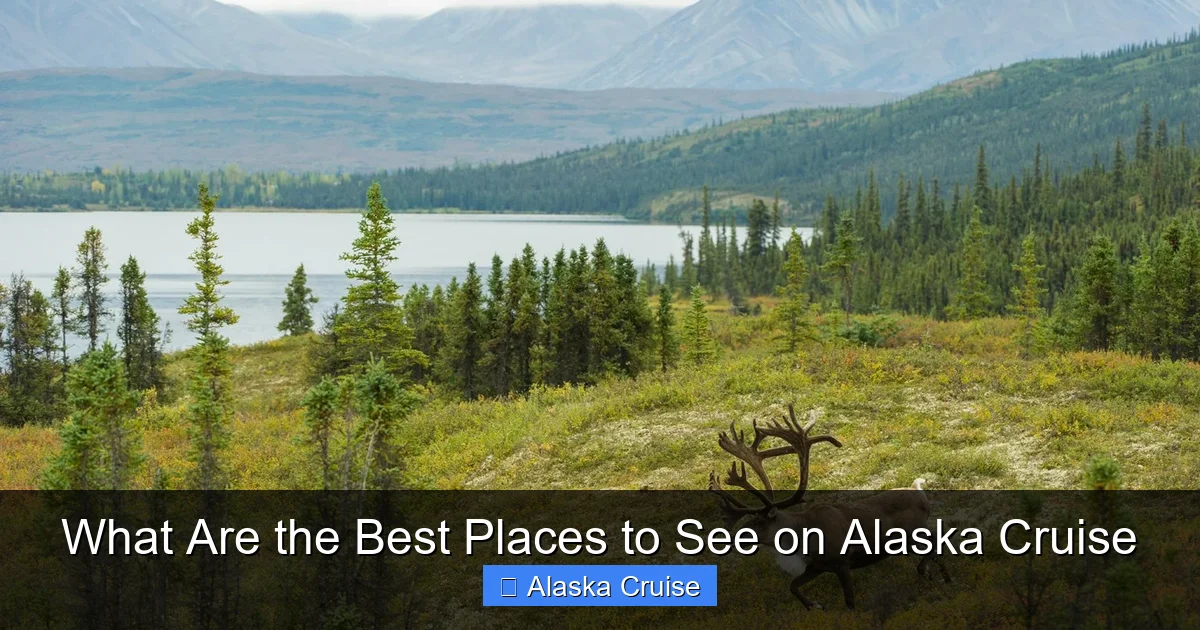
Even land animals like moose, mountain goats, and Sitka deer can be spotted from the shore or on hiking trails. Every corner of Alaska offers a new chance to connect with nature.
Conclusion: Why an Alaska Cruise Is a Once-in-a-Lifetime Experience
An Alaska cruise is more than just a trip—it’s a journey into the heart of the wild. From the towering glaciers of Glacier Bay to the historic streets of Skagway, every port offers a new adventure. You’ll witness nature’s power, learn about rich cultural traditions, and create memories that will last a lifetime.
Whether you’re watching a glacier calve, spotting a whale breach, or hiking through a rainforest, Alaska has a way of making you feel small in the best possible way. It reminds us of the beauty and fragility of our planet—and the importance of protecting it.
So if you’re looking for a vacation that’s equal parts relaxing and exhilarating, consider an Alaska cruise. Pack your camera, your sense of wonder, and an appetite for adventure. The Last Frontier is waiting.
Frequently Asked Questions
What is the best time of year to take an Alaska cruise?
The best time to cruise Alaska is from May to September. During these months, the weather is milder, daylight hours are longer, and wildlife is most active. July and August are peak season, offering the warmest temperatures and best chances for whale sightings.
Do I need to book shore excursions in advance?
Yes, it’s highly recommended to book popular excursions like whale watching, glacier hikes, and train rides in advance. These tours often sell out quickly, especially during peak season. Booking early ensures you get your top choices.
What should I pack for an Alaska cruise?
Pack layers, including a waterproof jacket, warm sweater, and thermal underwear. Waterproof boots are essential for shore excursions. Don’t forget sunscreen, sunglasses, binoculars, and a good camera. Even in summer, temperatures can vary widely.
Are Alaska cruises family-friendly?
Absolutely. Many cruise lines offer kids’ clubs, family-friendly excursions, and educational programs. Activities like wildlife tours, train rides, and cultural demonstrations are engaging for all ages. Just be sure to choose age-appropriate shore excursions.
Can I see the Northern Lights on an Alaska cruise?
It’s unlikely. The Northern Lights are best seen in late fall and winter, but most Alaska cruises run from May to September when nights are too bright. For aurora viewing, consider a land-based trip to interior Alaska during darker months.
How long should my Alaska cruise be?
Most Alaska cruises last 7 to 10 days, which is ideal for seeing multiple ports and experiencing a range of activities. Shorter cruises may feel rushed, while longer ones allow for more in-depth exploration and relaxation.