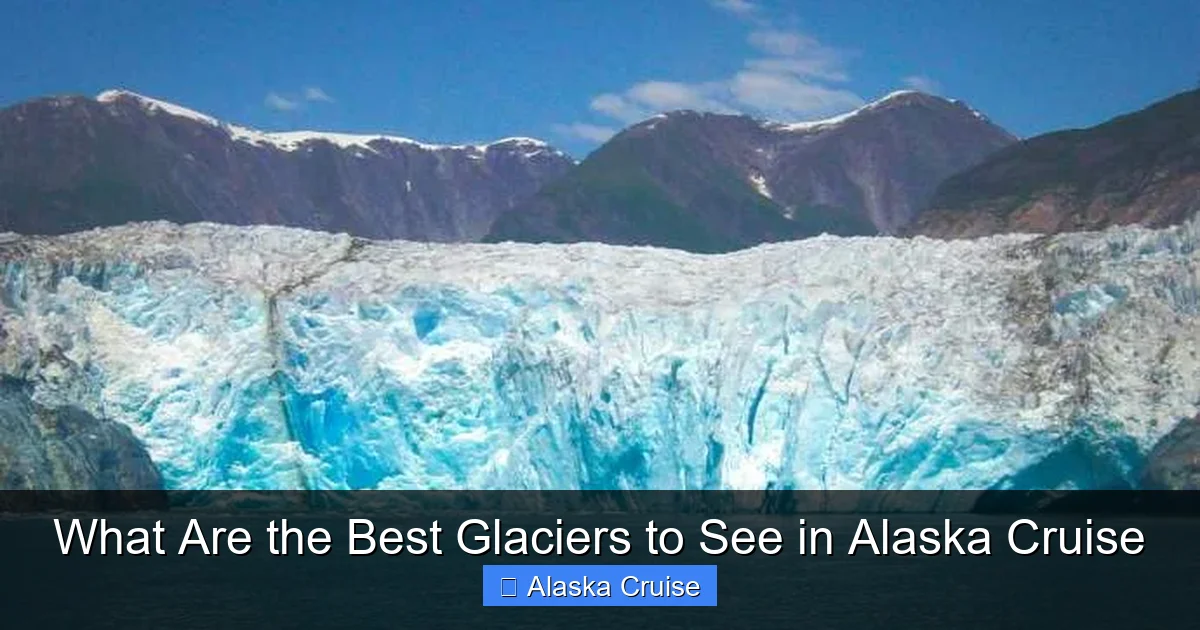
Alaska cruises offer some of the world’s most spectacular glacier viewing experiences. From towering tidewater glaciers to serene alpine ice fields, these frozen wonders provide unforgettable moments. Whether you’re a first-time cruiser or a seasoned traveler, knowing which glaciers to prioritize can make all the difference.
Key Takeaways
- Hubbard Glacier is the largest tidewater glacier in North America and a must-see on most Alaska cruise itineraries, offering dramatic calving events and vast ice walls.
- Tracy Arm and its twin Sawyer Glaciers deliver intimate, narrow fjord experiences with stunning reflections and abundant wildlife like seals and bears.
- Margerie and Grand Pacific Glaciers in Glacier Bay are UNESCO World Heritage sites known for their pristine beauty and active calving, best viewed from small ships or ranger-led tours.
- Mendenhall Glacier near Juneau is easily accessible and offers onshore hiking and educational programs, making it ideal for families and active travelers.
- College Fjord features 26 named glaciers, including many from elite East Coast colleges, providing a unique and scenic ice-filled landscape.
- Best viewing times are May through September, with July and August offering the warmest weather and longest daylight hours for glacier exploration.
- Choose smaller ships or expedition cruises for closer access and more immersive glacier experiences compared to large mainstream vessels.
📑 Table of Contents
- Introduction: Why Glaciers Make Alaska Cruises Unforgettable
- What Makes a Glacier “Worth Seeing” on an Alaska Cruise?
- Hubbard Glacier: The Giant of the North
- Tracy Arm and the Sawyer Glaciers: A Narrow Fjord Adventure
- Glacier Bay National Park: A UNESCO Treasure
- Mendenhall Glacier: Accessible Beauty Near Juneau
- College Fjord: A Glacial Classroom
- Tips for Maximizing Your Glacier Experience
- Conclusion: The Magic of Alaska’s Glaciers
Introduction: Why Glaciers Make Alaska Cruises Unforgettable
There’s something profoundly humbling about standing on the deck of a cruise ship, gazing out at a wall of ancient ice rising from the sea. Alaska’s glaciers aren’t just frozen rivers—they’re living, breathing monuments to time, shaped over thousands of years by snow, pressure, and gravity. On an Alaska cruise, these icy giants become the stars of the show, offering awe-inspiring views, thunderous calving events, and a rare connection to the planet’s natural rhythms.
Unlike any other destination, Alaska’s coastline is lined with glaciers that spill directly into the ocean, creating a dramatic interface between ice and water. Whether you’re cruising through narrow fjords or gliding past massive ice fields, the experience is both serene and electrifying. The sound of ice cracking, the sight of blue crevasses glowing in the sunlight, and the occasional splash of a calving glacier remind you that nature is always in motion. For travelers seeking beauty, adventure, and a touch of the sublime, Alaska’s glaciers deliver in spades.
What Makes a Glacier “Worth Seeing” on an Alaska Cruise?

Visual guide about What Are the Best Glaciers to See in Alaska Cruise
Image source: uploads.alaska.org
Not all glaciers are created equal—especially when it comes to cruise ship viewing. Some glaciers are more accessible, others are more active, and a few offer unique geological or cultural significance. So, what should you look for when deciding which glaciers to prioritize on your Alaska cruise?
First, consider **accessibility**. The best glaciers for cruise passengers are those that can be reached by ship without requiring extensive detours or helicopter rides. Tidewater glaciers—those that flow directly into the ocean—are ideal because ships can sail right up to the ice face. Glaciers like Hubbard and Margerie are prime examples, offering close-up views from the safety and comfort of your vessel.
Second, **activity level** matters. A glacier that calves frequently—shedding chunks of ice into the water—creates a dynamic and exciting experience. While calving can be unpredictable, glaciers in areas like Glacier Bay and Tracy Arm are known for their active ice dynamics. The sound of a massive ice block breaking off and crashing into the sea is something you’ll never forget.
Third, **scenic beauty** plays a big role. Glaciers with deep blue ice, dramatic crevasses, and surrounding mountain backdrops offer the most photogenic moments. The interplay of light on ice, especially during early morning or late afternoon, can transform a glacier from a white mass into a shimmering sapphire wonder.
Finally, **wildlife and ecosystem context** enhance the experience. Glaciers often attract marine life—seals rest on icebergs, whales feed in nutrient-rich waters, and birds nest on nearby cliffs. Seeing a glacier within its natural habitat adds depth to the journey, reminding us that these ice formations are part of a larger, interconnected environment.
Hubbard Glacier: The Giant of the North
Overview and Location
Hubbard Glacier is a true titan of the icy world. Stretching over 76 miles long and up to 7 miles wide at its terminus, it’s the largest tidewater glacier in North America. Located where Yakutat Bay meets the Gulf of Alaska, Hubbard Glacier is a highlight on many cruise itineraries, especially those departing from or arriving in Seward or Whittier.
What sets Hubbard apart is its sheer scale. As your ship approaches, the glacier dominates the horizon, rising like a frozen fortress from the deep blue waters. The ice face can reach heights of 300 feet above sea level, with even more submerged beneath the surface. This massive presence makes it one of the most photographed and celebrated glaciers on any Alaska cruise.
Why It’s a Must-See
Hubbard Glacier is not just big—it’s also incredibly active. It advances at an average rate of about 8 feet per day, one of the fastest-moving glaciers in the world. This constant movement means calving events are frequent and dramatic. Passengers often witness large sections of ice breaking off and crashing into the water, sending waves rippling across the bay.
The glacier’s location also offers excellent wildlife viewing opportunities. Seals are commonly seen lounging on icebergs, while humpback whales and orcas frequent the nutrient-rich waters nearby. Birdwatchers will spot bald Eagles, puffins, and cormorants soaring above the fjord.
Best Time to Visit and Viewing Tips
The best time to see Hubbard Glacier is between June and August, when weather conditions are most stable and daylight hours are longest. Cruises typically spend several hours in the area, allowing ample time for photography and observation.
For the best views, head to the starboard (right) side of the ship if you’re sailing northbound, or port (left) side if southbound. Bring binoculars to spot wildlife and zoom in on ice details. Dress warmly—even in summer, the air near the glacier can be chilly due to the cold air radiating from the ice.
Tracy Arm and the Sawyer Glaciers: A Narrow Fjord Adventure
Exploring the Fjord
Tracy Arm is a narrow, 30-mile-long fjord located about 30 miles south of Juneau. While not a glacier itself, it’s home to two stunning tidewater glaciers: the North Sawyer and South Sawyer Glaciers. The fjord’s steep granite walls rise dramatically from the water, creating a cathedral-like atmosphere that feels both intimate and majestic.
Because of its narrow width—sometimes only a few hundred feet across—Tracy Arm is best explored by smaller ships or expedition vessels. Larger cruise ships may anchor at the entrance and offer shuttle boat tours into the fjord, allowing passengers to get even closer to the ice.
Highlights of the Sawyer Glaciers
The Sawyer Glaciers are known for their striking blue ice and active calving. The South Sawyer Glacier, in particular, is a frequent calver, offering passengers the chance to witness ice tumbling into the water with a thunderous roar. The reflections of the glaciers on the still waters of the fjord create mirror-like images that are perfect for photography.
Wildlife is abundant in Tracy Arm. Harbor seals are often seen on ice floes, and black bears can sometimes be spotted foraging along the shoreline. The fjord is also a prime spot for spotting humpback whales, especially in the summer months when they come to feed on herring.
Practical Tips for Visiting
Tracy Arm is weather-dependent. Fog, rain, or low clouds can obscure views, so it’s best to visit on a clear day. Smaller ships have the advantage of navigating deeper into the fjord, but even larger vessels offer excellent viewing from the entrance.
If your cruise offers a guided boat tour into Tracy Arm, take it. These smaller vessels can get within a few hundred yards of the glaciers, providing a more immersive experience. Bring a waterproof jacket and camera with a good zoom lens—conditions can be damp, and you’ll want to capture every detail.
Glacier Bay National Park: A UNESCO Treasure
Margerie and Grand Pacific Glaciers
Glacier Bay National Park is a UNESCO World Heritage Site and one of the most protected and pristine environments in Alaska. Within its boundaries lie two of the most famous glaciers: Margerie Glacier and Grand Pacific Glacier. Both are tidewater glaciers that flow into the bay, offering spectacular views from cruise ships.
Margerie Glacier is particularly renowned for its clean, blue ice and active calving. It’s one of the most photographed glaciers in Alaska, thanks to its symmetrical face and dramatic backdrop of snow-capped mountains. Grand Pacific Glacier, while slightly less active, is equally impressive, with a wide ice front that stretches across the bay.
Wildlife and Ranger Programs
One of the unique aspects of visiting Glacier Bay is the presence of National Park Service rangers aboard cruise ships. These experts provide live commentary, sharing insights about the glaciers, wildlife, and the park’s conservation efforts. Their knowledge adds depth to the experience, helping passengers understand the science and history behind the ice.
Wildlife in Glacier Bay is abundant. Sea lions, harbor seals, and porpoises are common, while humpback whales and orcas are frequently spotted. On land, brown bears and moose can be seen along the shoreline, especially in the early morning or evening.
Best Practices for Visitors
Glacier Bay has strict regulations to protect its ecosystem. Ships must follow designated routes and maintain a safe distance from the glaciers to minimize disturbance. This means you won’t get as close as you might in other locations, but the trade-off is a more sustainable and respectful experience.
To make the most of your visit, attend the ranger-led presentations and ask questions. Bring layers, as temperatures can drop significantly near the ice. And don’t forget your camera—Glacier Bay offers some of the most iconic glacier photography opportunities in the world.
Mendenhall Glacier: Accessible Beauty Near Juneau
Location and Accessibility
Unlike most glaciers on this list, Mendenhall Glacier is not viewed from a cruise ship—it’s a destination you visit onshore. Located just 12 miles from downtown Juneau, it’s one of the most accessible glaciers in Alaska. Most cruise passengers take a short bus or taxi ride to the Mendenhall Glacier Visitor Center, where they can explore trails, view the glacier up close, and learn about its history.
Visitor Experience and Activities
The Mendenhall Glacier Visitor Center offers exhibits, films, and ranger-led programs that explain the science of glaciers and the challenges of climate change. Trails lead to multiple viewing platforms, including the popular Nugget Falls trail, which ends at a stunning overlook of the glacier and a powerful waterfall.
For the adventurous, guided glacier hikes and ice climbing tours are available, allowing you to walk on the ice itself (with proper gear and guides). These experiences offer a unique perspective, letting you feel the texture of the ice and hear the creaks and groans of the moving glacier.
Why It’s Worth the Detour
While not part of the cruise ship route, Mendenhall Glacier is a must-see for anyone visiting Juneau. Its accessibility makes it ideal for families, older travelers, or those with limited mobility. The combination of natural beauty, educational opportunities, and outdoor activities makes it a standout destination.
Plan to spend at least half a day here. Arrive early to avoid crowds, and check the weather—clear days offer the best views. Bring water, snacks, and sturdy shoes, as some trails can be uneven.
College Fjord: A Glacial Classroom
The Story Behind the Names
College Fjord, located near Whittier, is one of the most unique glacial destinations in Alaska. It’s home to 26 named glaciers, many of which were named after Ivy League and other prestigious colleges by a group of Harvard graduates who explored the area in 1899. Glaciers like Harvard, Yale, and Smith offer a whimsical nod to academic tradition amidst the wild beauty of Alaska.
Scenic Highlights
The fjord is wide and open, allowing ships to sail slowly past the glacier faces. The ice here is often less active than in other locations, but the sheer number of glaciers creates a breathtaking panorama. The contrast between the white and blue ice and the dark, forested mountains is visually stunning.
Wildlife is also present, with seals and sea lions commonly seen on icebergs. The calm waters make it a great spot for photography, especially during golden hour when the light hits the ice at a low angle.
Best Viewing Tips
College Fjord is typically visited on southbound cruises departing from Seward or Whittier. The best views are from the upper decks, especially on the side facing the glaciers. Bring a telephoto lens to capture the details of individual glaciers, and keep an eye out for the names carved into the ice by explorers over a century ago.
Tips for Maximizing Your Glacier Experience
Choose the Right Cruise Line and Ship Size
Not all cruise ships are created equal when it comes to glacier viewing. Smaller expedition ships, such as those operated by UnCruise Adventures or Lindblad Expeditions, can get closer to the ice and navigate narrower fjords. They also offer more personalized experiences, with naturalists and photographers on board.
Larger mainstream ships, like those from Holland America or Princess, offer more amenities and entertainment but may not get as close to the glaciers. However, they often spend more time in key locations, giving you ample opportunity to enjoy the views.
Pack Smart for Glacier Viewing
Even in summer, temperatures near glaciers can be cold and damp. Dress in layers, including a waterproof jacket, warm hat, and gloves. Bring binoculars for wildlife spotting and a camera with extra batteries—cold weather drains battery life quickly.
Sunscreen and sunglasses are also essential, as the reflection off the ice can be intense. And don’t forget motion sickness medication if you’re prone to seasickness—some fjords can have choppy waters.
Be Respectful and Sustainable
Glaciers are fragile ecosystems, and climate change is causing many to retreat at an alarming rate. When viewing glaciers, stay on designated paths, avoid loud noises that could disturb wildlife, and never touch or climb on the ice unless with a certified guide.
Support cruise lines and tour operators that follow sustainable practices and contribute to conservation efforts. Your choices can help protect these natural wonders for future generations.
Conclusion: The Magic of Alaska’s Glaciers
An Alaska cruise is more than just a vacation—it’s a journey into one of the last great wildernesses on Earth. The glaciers you’ll encounter are not just scenic backdrops; they’re powerful symbols of nature’s resilience and beauty. From the towering walls of Hubbard Glacier to the serene reflections in Tracy Arm, each ice formation tells a story of time, change, and wonder.
Whether you’re marveling at the calving of Margerie Glacier, hiking near Mendenhall, or spotting seals in College Fjord, these experiences stay with you long after the cruise ends. They remind us of the importance of preserving our planet’s natural treasures and inspire a deeper connection to the wild places that still exist.
So as you plan your Alaska cruise, remember: the best glaciers aren’t just the biggest or the most famous. They’re the ones that move you, challenge you, and leave you in awe. And in Alaska, you’ll find plenty of them.
Frequently Asked Questions
Which glacier is the most active on an Alaska cruise?
Margerie Glacier in Glacier Bay is one of the most active, with frequent calving events that create dramatic splashes and thunderous sounds. Hubbard Glacier is also highly active, advancing rapidly and calving regularly.
Can you walk on a glacier during an Alaska cruise?
Yes, but only with a guided tour. Mendenhall Glacier near Juneau offers guided hikes and ice climbing experiences. Most other glaciers are viewed from ships or shore overlooks for safety and environmental protection.
What is the best time of year to see glaciers in Alaska?
The best time is from May to September, with July and August offering the warmest weather and longest days. Glaciers are most accessible and wildlife is most active during this period.
Do all Alaska cruises visit glaciers?
Most Alaska cruises include at least one glacier stop, but the specific glaciers depend on the itinerary. Popular routes visit Hubbard, Tracy Arm, Glacier Bay, and College Fjord.
Are glaciers shrinking in Alaska?
Yes, many Alaska glaciers are retreating due to climate change. Scientists monitor their movement closely, and some, like Mendenhall, have receded significantly in recent decades.
What should I bring to see glaciers on a cruise?
Bring layers, a waterproof jacket, binoculars, a camera with extra batteries, sunscreen, and motion sickness medication. Dress warmly, as temperatures near glaciers can be much colder than on shore.