
Featured image for how does cruise lines make money
Image source: lifewellcruised.com
Cruise lines make money primarily through ticket sales, but their real profit powerhouse lies in onboard spending—covering drinks, excursions, spas, and gambling—where high-margin services significantly boost revenue. They also maximize profits by filling every cabin, using dynamic pricing and last-minute deals to ensure near-full occupancy on every voyage.
Key Takeaways
- Cruise lines profit from ticket sales, but onboard spending drives most revenue.
- Upselling cabins and packages boosts per-passenger spending significantly.
- Casinos and bars generate high-margin income during voyages.
- Shore excursions offer exclusive, high-markup experiences for extra profit.
- Partnerships and sponsorships reduce costs while adding revenue streams.
- Loyalty programs encourage repeat bookings and higher lifetime customer value.
📑 Table of Contents
- How Does Cruise Lines Make Money? Secrets Behind the Profits
- 1. The Core Revenue: Ticket Sales and Cabin Pricing Strategies
- 2. Onboard Spending: The Hidden Goldmine
- 3. Shore Excursions and Land-Based Experiences
- 4. Ancillary Services and Add-Ons
- 5. Loyalty Programs and Repeat Bookings
- 6. Data, Partnerships, and Long-Term Revenue Streams
- Data Table: Cruise Line Revenue Breakdown (Average)
- Conclusion: The Real Secret Behind the Profits
How Does Cruise Lines Make Money? Secrets Behind the Profits
Ever sat on your balcony, sipping a cocktail as the ocean stretches endlessly in front of you, and wondered: How does cruise lines make money? You paid thousands for this vacation, yet the buffet is endless, the shows are Broadway-level, and your cabin is cleaned twice a day. It feels like magic. But behind the glittering chandeliers and all-inclusive drinks, there’s a complex financial machine humming quietly—one that turns your dream vacation into a profit engine.
As someone who’s spent years exploring the cruise industry—both as a traveler and an observer—I’ve learned that cruise lines aren’t just selling vacations. They’re selling experiences, emotions, and convenience, all while quietly layering revenue streams you might not even notice. From your first booking to your last shore excursion, every decision is designed to boost the bottom line. In this deep dive, we’ll pull back the curtain and explore the real how does cruise lines make money secrets—no fluff, no marketing spin, just honest insights into the financial engine of the high seas.
1. The Core Revenue: Ticket Sales and Cabin Pricing Strategies
Let’s start with the obvious: ticket sales. This is the most visible way cruise lines make money, but it’s far from simple. Unlike a hotel room that’s sold once, a cruise cabin is a dynamic product that can be priced, repackaged, and resold multiple times before the ship even leaves port.
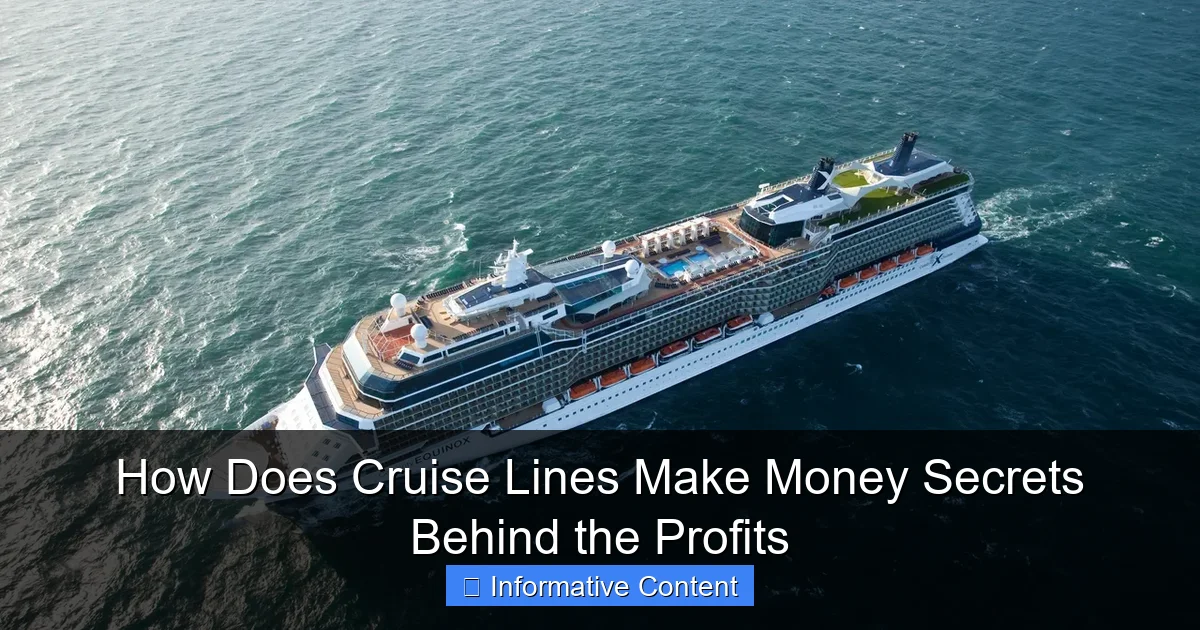
Visual guide about how does cruise lines make money
Image source: media.cntraveler.com
Dynamic Pricing: The Art of the Last-Minute Deal
Cruise lines use dynamic pricing models similar to airlines. Early bird discounts attract budget-conscious travelers, but as the departure date nears, prices often rise—especially for popular destinations or peak seasons. But here’s the twist: if cabins aren’t selling, lines may offer “fire sale” deals to fill the ship. Why? Because an empty cabin generates zero revenue, while a half-priced cabin still brings in money that can be used to cover fixed costs.
Example: Royal Caribbean might list a 7-day Caribbean cruise at $2,000 per person early on. By month three, if bookings are slow, they might drop it to $1,200. By month six, they might offer a “buy one, get one 50% off” deal. The goal isn’t to maximize per-cabin revenue—it’s to fill every bed.
Cabin Categories: Upselling Before You Board
Not all cabins are created equal. Cruise lines divide cabins into tiers: interior (no window), ocean view, balcony, and suites. The price difference between an interior cabin and a suite can be 200% or more. But here’s the catch: the actual cost to build and maintain a balcony cabin isn’t 200% higher than an interior one. The premium is psychological.
Lines use anchoring—showing the most expensive option first—to make the mid-tier balcony feel like a “great deal.” And once you’re onboard, that balcony becomes a daily reminder of your upgrade, making it harder to downgrade next time.
Repositioning Cruises: Turning Empty Legs into Profit
Ships don’t stay in one place. In winter, they move from Alaska to the Caribbean. These “repositioning cruises” often have lower prices because they’re longer (10–14 days) and less scenic (crossing open ocean). But cruise lines still profit by filling otherwise empty cabins. It’s better to earn $1,000 from a cabin on a repositioning cruise than $0.
Tip: If you’re flexible with time, repositioning cruises offer huge value. You get more days at sea for less money—and the cruise line turns a logistical necessity into a revenue stream.
2. Onboard Spending: The Hidden Goldmine
Here’s where the real how does cruise lines make money answer gets interesting. The ticket covers basics, but onboard spending is where cruise lines earn their highest margins. In fact, for many lines, onboard revenue can account for 30–40% of total income.
Beverages: The Most Profitable Pour
Alcohol is the king of onboard spending. A cocktail that costs $2 to make sells for $14. Beer, wine, and premium spirits have similar markups. Even non-alcoholic drinks like soda or bottled water are priced at 300–500% over cost.
But cruise lines don’t just rely on impulse buys. They sell beverage packages—unlimited drinks for a flat fee (e.g., $60/day). Sounds like a deal, right? Not always. Most passengers don’t drink enough to break even. The line wins either way: if you buy the package and drink less, they keep the profit. If you drink more, you’re happy and they still profit.
Data Point: According to Carnival Corporation’s 2022 report, beverage revenue per passenger per day averaged $18.50—nearly 80% of which was profit.
Specialty Dining: Fine Dining at Sea
The main dining room is included in your ticket, but specialty restaurants (steakhouses, Italian, sushi) are extra. These aren’t just about food—they’re about exclusivity. A $50 steak dinner might cost the line $15 to prepare, but the ambiance, service, and “special occasion” vibe justify the price.
Lines also use scarcity: only 50 reservations per night. This creates urgency and encourages early booking, which locks in revenue before departure.
Spa, Fitness, and Wellness Services
Spa treatments, fitness classes, and wellness consultations are high-margin add-ons. A 50-minute massage might cost $150, with a 70–80% profit margin. Lines also sell “wellness packages” that bundle multiple services, increasing average spend.
Tip: Avoid spa deals on port days. Lines know you’re eager to get ashore, so they offer “discounts” to fill slots. But these are often the same price as regular rates—just marketed differently.
Casino and Gaming Revenue
Casinos are open only at sea (due to port laws), making them a captive audience. Slot machines, blackjack, and poker tables generate millions annually. While the house edge is small (1–2%), volume makes it profitable.
Example: Norwegian Cruise Line’s 2021 annual report showed casino revenue of $180 million—despite the pandemic. That’s $15 million per month from just a few dozen tables and machines.
3. Shore Excursions and Land-Based Experiences
When the ship docks, the money-making continues. Cruise lines don’t just let you wander off—they offer curated shore excursions, often with a hefty markup.
Excursion Markups: 30–100% Over Cost
A $50 city tour might cost the cruise line $25 to organize (guide, transportation, tickets). But they sell it for $75–$100. Why? Because they control access. You’re on a schedule, and last-minute independent tours are risky (miss the ship = big problem).
Tip: Research excursions independently. Many local companies offer the same tour for 30–50% less. Just book early and confirm pickup/drop-off logistics to avoid missing the ship.
Private Islands and Branded Destinations
Lines like Royal Caribbean (Perfect Day at CocoCay), Carnival (Half Moon Cay), and Disney (Castaway Cay) own private islands. These are revenue powerhouses:
- No port fees or local taxes
- Exclusive excursions (snorkeling, zip-lining, beach cabanas)
- On-island dining and shopping (all revenue stays with the line)
Disney’s Castaway Cay, for example, has a $200 million investment but generates $50 million annually in profit. It’s a win-win: passengers get a “private paradise,” and Disney controls the entire experience—and the spending.
Partnerships with Local Businesses
Cruise lines partner with local tour operators, restaurants, and shops. They get a commission (10–25%) for every referral. So when you book a “recommended” tour, the line earns a cut—even if you pay the operator directly.
4. Ancillary Services and Add-Ons
Beyond the obvious, cruise lines monetize nearly every interaction. These “ancillary” services are low-cost to provide but high-margin to sell.
Internet and Communication Packages
Wi-Fi at sea is expensive to provide (satellite bandwidth), so lines charge a premium. A 24-hour pass might cost $25–$30, but the cost to the line is under $5. Some lines offer “social media” packages (limited data) to entice buyers, then upsell full access.
Tip: If you only need email or messaging, book the cheapest package. Or wait—some lines offer free Wi-Fi during port days.
Photo and Video Services
Professional photographers snap pics at embarkation, formal nights, and excursions. You get a preview, then pay $15–$20 per print. Digital albums cost $100+. The cost to the line? A few dollars in labor and storage.
Lines also use “photo ops” (e.g., with characters or backdrops) to drive traffic to the photo desk. It’s a classic loss leader.
Retail and Duty-Free Shopping
Shipboard stores sell jewelry, perfume, and souvenirs—often at 20–30% markup. But the real profit comes from duty-free items. Since ships are international waters, sales aren’t taxed. A $500 perfume might cost $150 wholesale but sell for $350 “tax-free.”
Lines also partner with brands (e.g., Swarovski, Calvin Klein) for exclusive “onboard-only” collections, creating scarcity.
Specialty Services: Babysitting, Laundry, and More
Need a night out? Kids’ camp costs $10–$15 per hour. Laundry service? $5 per item. These services have near-100% profit margins because labor is already paid for (staff salaries are fixed).
5. Loyalty Programs and Repeat Bookings
Cruise lines know that acquiring a new customer costs 5x more than retaining one. So they invest heavily in loyalty programs to turn first-timers into repeaters.
Points, Perks, and Status Tiers
Programs like Royal Caribbean’s Crown & Anchor or Carnival’s VIFP (Very Important Fun Person) reward repeat bookings with:
- Priority boarding
- Free drinks or Wi-Fi
- Discounts on future cruises
- Exclusive events
But here’s the catch: the “discounts” are often offset by higher base prices. A 10% loyalty discount on a $1,500 cruise might save you $150, but if the base price is $200 higher than a non-member’s fare, you break even.
Onboard Booking Incentives
Lines offer “onboard credit” (e.g., $200 off your next cruise) if you book your next trip before disembarking. This locks in future revenue while you’re still in vacation mode—emotionally primed to spend.
Tip: Compare onboard deals with third-party discounts. Sometimes, travel agents offer better perks (e.g., free upgrades, extra credit).
Referral Bonuses and Group Incentives
Refer a friend? Get $50 onboard credit. Book a group of 10? Get a free cabin. These programs turn passengers into marketers—and the cost (free credit) is low compared to the lifetime value of a new customer.
6. Data, Partnerships, and Long-Term Revenue Streams
Modern cruise lines aren’t just ships—they’re tech companies with floating data centers. Every click, purchase, and preference is tracked to fuel future profits.
Customer Data and Personalization
Lines use onboard spending, dining preferences, and social media activity to build detailed profiles. This data powers:
- Targeted offers (e.g., “You loved the spa—book a massage next cruise!”)
- Dynamic pricing for future bookings
- Personalized email campaigns
Example: If you buy wine every night, the line might offer a “Wine Lovers’ Package” on your next cruise—with a 20% markup.
Partnerships with Credit Card Companies
Cruise lines partner with banks (e.g., Carnival’s co-branded card with Capital One) to offer travel rewards. Every purchase on the card earns points, but the bank pays the cruise line a fee for each new cardholder. It’s free marketing and revenue.
Real Estate and Asset Leveraging
Ships are massive assets. Lines use them for:
- Charters: Renting entire ships to corporations or event planners (e.g., a tech conference at sea)
- Repurposing: Converting older ships into hotels during port stays (e.g., in Venice or Dubai)
- Financing: Using ships as collateral for loans to fund new builds
Data Table: Cruise Line Revenue Breakdown (Average)
| Revenue Source | Percentage of Total | Profit Margin | Example |
|---|---|---|---|
| Cabin Sales | 50–60% | 20–30% | $2,000 ticket, $1,400 profit |
| Onboard Spending | 30–40% | 60–80% | $100 in drinks, $70 profit |
| Shore Excursions | 5–10% | 40–60% | $80 tour, $40 profit |
| Ancillary Services | 3–5% | 70–90% | $25 Wi-Fi, $22 profit |
| Loyalty & Data | 1–2% | 100% | Free credit, zero cost |
Conclusion: The Real Secret Behind the Profits
So, how does cruise lines make money? It’s not one thing—it’s a symphony of strategies. The ticket gets you onboard, but the real profit comes from the 10,000 little decisions you make: that extra drink, the shore tour, the spa day, the photo album. Cruise lines are masters of behavioral economics, using scarcity, urgency, and emotional triggers to keep you spending.
But here’s the good news: understanding these tactics puts you in control. You can enjoy the magic of cruising while avoiding the money traps. Book early for cabin deals. Skip the beverage package if you’re not a big drinker. Research excursions independently. And remember: the “exclusive” onboard offer is often just a marketing ploy.
At the end of the day, cruise lines thrive because they deliver unforgettable experiences. And as long as they keep us dreaming of turquoise waters and endless buffets, they’ll keep turning those dreams into profits. Just don’t let them turn your vacation budget into a sinking ship.
Frequently Asked Questions
How do cruise lines make money beyond ticket sales?
Cruise lines generate significant revenue through onboard spending, including drinks, specialty dining, spa services, and excursions. These add-ons often have high profit margins, making them a crucial part of their business model.
What role do casinos play in how cruise lines make money?
Casinos are a major profit center for cruise lines, offering slot machines, table games, and tournaments with high-margin revenue. Unlike land-based casinos, cruise ship casinos operate in international waters, avoiding many local gambling taxes.
How does the “all-inclusive” model affect cruise line profits?
While some cruises market all-inclusive packages, most passengers still pay extra for premium services like alcohol, Wi-Fi, or shore excursions. This model encourages initial bookings while driving incremental spending onboard.
Do cruise lines make money from port fees and partnerships?
Yes, cruise lines earn revenue by partnering with local tour operators, shops, and restaurants at ports of call, often taking a commission on sales. Port fees also contribute to income, though these are sometimes passed to passengers as taxes.
How do cruise lines profit from loyalty programs?
Loyalty programs incentivize repeat bookings and higher spending by offering perks like free upgrades, priority boarding, or exclusive events. This builds customer retention and increases long-term profitability.
Why do cruise lines offer last-minute deals?
Last-minute deals help fill unsold cabins, maximizing occupancy rates and ensuring fixed costs (like fuel and crew) are covered. Even discounted fares are profitable compared to empty berths, especially when paired with onboard spending.