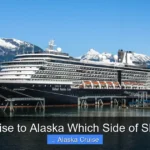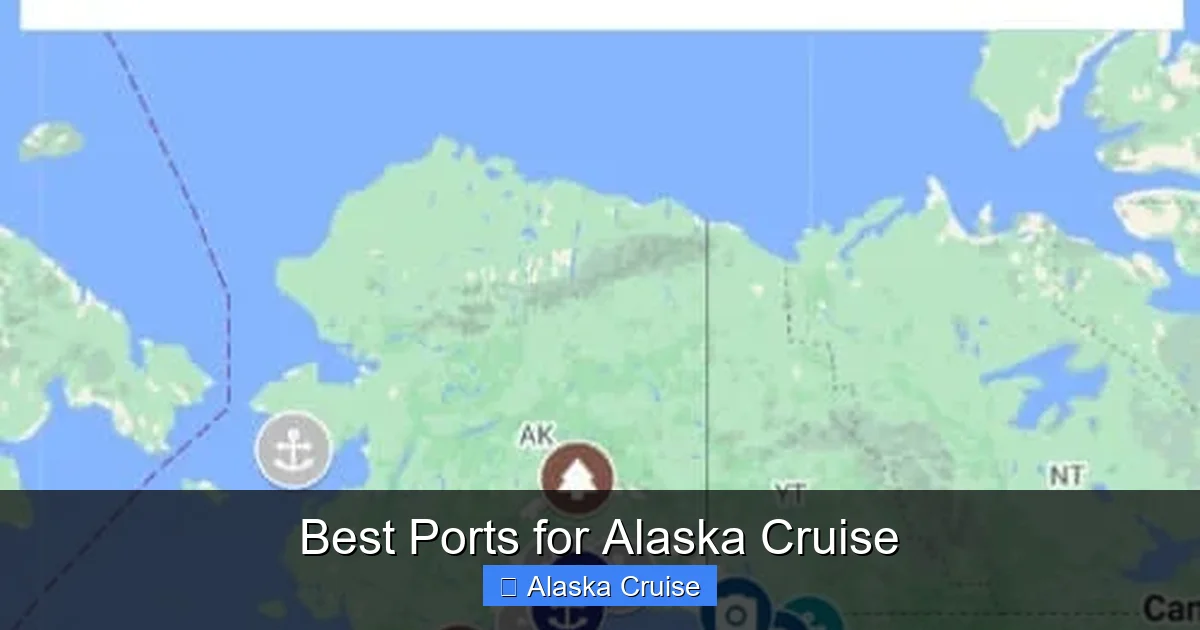
Planning an Alaska cruise? The best ports for Alaska cruise itineraries offer breathtaking scenery, rich Indigenous culture, and unforgettable wildlife encounters. From Glacier Bay to Skagway’s gold rush history, each stop delivers unique experiences that make your journey truly magical.
Dreaming of icy fjords, towering glaciers, and wild coastlines? An Alaska cruise is one of the most awe-inspiring ways to experience the Last Frontier. But with so many ports to choose from, it can be tough to know which ones are worth your time. Whether you’re a first-time cruiser or a seasoned traveler, knowing the best ports for Alaska cruise adventures can make all the difference in crafting the perfect itinerary.
Alaska’s coastline is dotted with ports that each offer something unique—from ancient glaciers and dense rainforests to historic towns and vibrant wildlife. These stops aren’t just scenic backdrops; they’re gateways to adventure, culture, and natural wonders. The best part? Most cruise lines, including Holland America, Princess, and Norwegian, include a mix of these ports on their 7- to 14-day itineraries. So whether you’re sailing round-trip from Seattle or Vancouver, or doing one-way cruises between Seward and Vancouver, you’ll likely visit several of these must-see destinations.
In this guide, we’ll dive deep into the best ports for Alaska cruise travelers, highlighting what makes each one special, the top activities, and insider tips to help you make the most of your time ashore. From the bustling boardwalks of Ketchikan to the silent majesty of Glacier Bay, we’ve got you covered. Let’s set sail and explore the highlights of Alaska’s most iconic cruise ports.
Key Takeaways
- Juneau is Alaska’s capital and a top port, offering glacier tours, whale watching, and access to Mendenhall Glacier.
- Ketchikan is known as the “Salmon Capital of the World” and features vibrant Native art, totem poles, and rainforest hikes.
- Skagway brings the Gold Rush era to life with historic railroads, gold panning, and scenic mountain views.
- Glacier Bay National Park is a UNESCO site where you’ll witness calving glaciers and abundant marine life.
- Hubbard Glacier is one of the largest tidewater glaciers in North America, offering dramatic ice views and photo opportunities.
- Seward serves as a gateway to Kenai Fjords National Park, perfect for kayaking and spotting sea otters and puffins.
- Victoria, BC adds a touch of British charm with gardens, tea rooms, and coastal walks—ideal for a cultural contrast.
📑 Table of Contents
Juneau: Alaska’s Remote Capital
Nestled between rugged mountains and the Gastineau Channel, Juneau is Alaska’s capital city—and one of the most popular stops on any Alaska cruise. What makes Juneau unique? It’s the only state capital in the U.S. that’s inaccessible by road. You can only reach it by boat or plane, which adds to its sense of adventure and isolation. But don’t let that deter you—Juneau is packed with natural beauty and cultural experiences that make it a standout among the best ports for Alaska cruise itineraries.
Top Attractions in Juneau
One of Juneau’s crown jewels is the Mendenhall Glacier, a 13-mile-long river of ice located just 12 miles from downtown. This glacier is one of the few in Alaska that’s easily accessible, and it’s a must-see for any visitor. You can walk the trails around the glacier, take a guided tour, or even go ice climbing if you’re feeling adventurous. The nearby Nugget Falls adds a dramatic waterfall backdrop, making it a favorite spot for photographers.
Another highlight is whale watching. Juneau is one of the best places in the world to see humpback whales, especially from May through September. Many cruise lines offer whale-watching excursions that take you out into the open water, where you can watch these majestic creatures breach, slap their tails, and feed in the nutrient-rich waters. Some tours even include hydrophones so you can hear the whales’ haunting songs.
Adventure Activities
For thrill-seekers, Juneau offers everything from helicopter tours to dog sledding. One of the most popular excursions is a helicopter ride over the Juneau Icefield, where you’ll land on a glacier and experience the surreal beauty of a frozen landscape up close. After your flight, you might even get to ride in a dog sled pulled by Alaskan huskies—some of which are retired Iditarod racers.
If you prefer to stay grounded, consider a kayaking trip through the calm waters of the channel. Paddling alongside icebergs and watching eagles soar overhead is a peaceful yet unforgettable experience. Or, take a guided hike through the Tongass National Forest, the largest national forest in the U.S., where you can spot black bears, bald eagles, and Sitka deer.
Tips for Visiting Juneau
Juneau can be rainy, so pack a waterproof jacket and sturdy shoes. Most excursions depart from the downtown area, which is walkable from the cruise terminal. If you’re short on time, prioritize the Mendenhall Glacier or a whale-watching tour—both can be done in half a day. And don’t miss the local seafood: Juneau is famous for its fresh salmon and Dungeness crab.
Ketchikan: The Salmon Capital of the World
Visual guide about Best Ports for Alaska Cruise
Image source: cruisemummy.co.uk
Known as the “Gateway to the Inside Passage,” Ketchikan is a charming port town that blends natural beauty with rich Indigenous culture. Located on the eastern side of Revillagigedo Island, Ketchikan is surrounded by lush rainforest, cascading waterfalls, and abundant wildlife. It’s no wonder it’s consistently ranked as one of the best ports for Alaska cruise travelers.
Native Culture and Totem Poles
Ketchikan is home to the world’s largest collection of standing totem poles, many of which are located at the Totem Bight State Historical Park and the Clan House at Saxman Village. These intricately carved poles tell stories of family lineage, legends, and spiritual beliefs of the Tlingit, Haida, and Tsimshian peoples. Guided tours offer fascinating insights into the symbolism and craftsmanship behind each pole.
The Dolly Varden Saloon, a historic bar named after a local fish, is another cultural landmark. It’s been serving drinks since 1902 and is a fun spot to grab a drink and chat with locals. For a deeper dive into Native art, visit the Alaska Indian Arts Center, where you can watch artisans carve totem poles, weave baskets, and create traditional regalia.
Wildlife and Outdoor Adventures
Ketchikan is a prime spot for wildlife viewing. One of the most popular excursions is a visit to the Steamboat Bay Bear Viewing Platform, where you can watch brown bears fishing for salmon in the rushing streams. These bears are often seen in the late summer months, and the viewing platforms offer safe, elevated spots for observation.
If you love birds, don’t miss the Ketchikan Raptor Center, a rehabilitation center for injured eagles, hawks, and owls. Many of the birds are released back into the wild, but some remain as educational ambassadors. It’s a heartwarming experience that highlights Alaska’s commitment to wildlife conservation.
Rainforest Hikes and Waterfalls
For nature lovers, Ketchikan offers some of the best rainforest hikes in Alaska. The Rainbird Trail is a moderate 2.5-mile loop that takes you through old-growth forest, past waterfalls, and along boardwalks that protect the delicate ecosystem. The trail is well-maintained and suitable for most fitness levels.
Another favorite is the Herring Cove Trail, which leads to a scenic beach where you can spot sea lions and otters. If you’re lucky, you might even see a whale passing by offshore. For a more relaxed experience, take a scenic drive along the Tongass Highway, which offers stunning views of the coastline and access to several hiking trails.
Tips for Visiting Ketchikan
Ketchikan is known for its frequent rain, so waterproof gear is essential. The town is very walkable, and many shops and attractions are located near the cruise terminal. Try the local salmon—whether smoked, grilled, or in a chowder, it’s some of the freshest you’ll ever taste. And if you’re interested in Native culture, book a cultural tour in advance, as spots can fill up quickly.
Skagway: Gateway to the Gold Rush
Step back in time in Skagway, a historic port town that played a pivotal role in the Klondike Gold Rush of the late 1800s. With its wooden boardwalks, false-front buildings, and gold-panning demonstrations, Skagway feels like a living museum. It’s one of the most evocative ports for Alaska cruise passengers seeking a taste of frontier history.
The White Pass & Yukon Route Railroad
No visit to Skagway is complete without a ride on the White Pass & Yukon Route Railroad, often called the “Gateway to the Klondike.” This narrow-gauge railway was built in 1898 to transport prospectors and supplies over the coastal mountains to the goldfields of the Yukon. The train climbs 2,865 feet in just 20 miles, passing through tunnels, over trestles, and alongside cascading waterfalls.
The journey takes about 3 hours round-trip and offers breathtaking views of the surrounding wilderness. You’ll pass through the “Dead Horse Trail”—a grim reminder of the thousands of horses that died during the gold rush—and reach the U.S.-Canada border at the summit. The train ride is both scenic and educational, with guides sharing stories of the gold rush era.
Historic Downtown and Gold Panning
Skagway’s downtown is a National Historic Landmark, with over 80 preserved buildings from the gold rush era. Stroll down Broadway Street and visit the Klondike Gold Rush National Historical Park Visitor Center, which features exhibits, artifacts, and ranger-led programs. You can even try your hand at gold panning at the Liarsville Gold Rush Trail Camp, where you’ll learn the techniques used by prospectors over a century ago.
For a dose of Wild West entertainment, catch a show at the Days of ’98 Show, a humorous and lively performance that reenacts the antics of gold rush characters. It’s family-friendly and a great way to experience the spirit of the era.
Adventure in the Wilderness
If you’re up for adventure, Skagway offers hiking, ziplining, and even dog sledding. The Chilkoot Trail, a historic route used by gold seekers, is a challenging but rewarding hike that takes you through forest, over a mountain pass, and along a glacial lake. For a less strenuous option, try the Lower Dewey Lake Trail, a scenic hike that ends at a pristine alpine lake.
Ziplining through the treetops is another popular activity, with several companies offering tours that include multiple lines, suspension bridges, and panoramic views of the valley. It’s a thrilling way to experience the forest canopy and get a bird’s-eye view of Skagway.
Tips for Visiting Skagway
Skagway is small and easy to explore on foot. Most excursions depart from the downtown area, so you can book tours independently or through your cruise line. Dress in layers—temperatures can vary widely, especially on the train ride. And don’t forget your camera: the views from the White Pass are some of the most photographed in Alaska.
Glacier Bay National Park: A UNESCO Wonder
While not a traditional port with shops and restaurants, Glacier Bay National Park is one of the most awe-inspiring stops on any Alaska cruise. This UNESCO World Heritage Site spans over 3.3 million acres and is home to some of the most active glaciers in the world. As your ship glides through the bay, you’ll be surrounded by towering ice walls, calving glaciers, and abundant marine life.
Witnessing the Power of Glaciers
One of the most unforgettable experiences in Glacier Bay is watching a glacier calve—a process where massive chunks of ice break off and crash into the water. The sound is thunderous, and the resulting waves can rock your ship. The most famous glacier in the park is the Margerie Glacier, a 21-mile-long river of ice that’s known for its dramatic calving events.
Your ship will likely slow down or stop near the glacier, giving you time to take photos and soak in the silence of the bay. Park rangers often come aboard to give lectures and answer questions, adding an educational element to the experience.
Wildlife Encounters
Glacier Bay is a haven for wildlife. Keep your eyes peeled for humpback whales, orcas, sea lions, and harbor seals. You might also spot bald eagles soaring above or mountain goats perched on rocky cliffs. The nutrient-rich waters support a rich ecosystem, making it a prime feeding ground for marine mammals and birds.
Tips for Visiting Glacier Bay
Since there’s no shore access, your experience will be from the ship. Bring binoculars and a good camera with a zoom lens. Dress warmly—even in summer, the air near the glaciers can be chilly. And be patient: the best wildlife and glacier views often come after waiting quietly for a while.
Hubbard Glacier: The Ice Giant
At over 76 miles long and 7 miles wide, Hubbard Glacier is one of the largest tidewater glaciers in North America. Located near the border of Alaska and Canada, it’s a dramatic and powerful sight that leaves a lasting impression on every cruiser.
The Majesty of the Glacier
As your ship approaches Hubbard Glacier, you’ll see a wall of ice rising up to 300 feet above the water. The glacier moves slowly—about 8 to 10 feet per day—but it’s constantly advancing, making it one of the few advancing glaciers in the world. The blue hue of the ice is caused by the compression of snow over thousands of years, and it’s a sight you won’t soon forget.
Wildlife and Scenic Views
The waters around Hubbard Glacier are rich with life. You might see seals lounging on ice floes, whales feeding in the distance, or seabirds diving for fish. The surrounding mountains and forests add to the dramatic scenery, creating a postcard-perfect backdrop.
Tips for Visiting Hubbard Glacier
Like Glacier Bay, Hubbard Glacier is viewed from the ship. Bring layers and a good camera. The best views are often in the early morning when the light is soft and the water is calm. Be respectful of the environment—this is a protected area, and loud noises can disturb wildlife.
Seward and Victoria: Bookend Ports
Seward: Gateway to Kenai Fjords
Seward is often the starting or ending point for southbound Alaska cruises. Located on the Kenai Peninsula, it’s the gateway to Kenai Fjords National Park, where you can take a boat tour to see glaciers, fjords, and wildlife. Popular activities include kayaking among icebergs, spotting puffins and sea otters, and visiting the Exit Glacier.
Victoria, BC: A Touch of British Charm
Victoria, on Vancouver Island, offers a cultural contrast to Alaska’s wild landscapes. Known for its gardens, tea rooms, and historic architecture, it’s a great place to stretch your legs and enjoy a more relaxed pace. Visit the Butchart Gardens, take a harbor cruise, or enjoy high tea at the Fairmont Empress Hotel.
Conclusion
From the icy wonders of Glacier Bay to the gold rush charm of Skagway, the best ports for Alaska cruise adventures offer a perfect blend of nature, history, and culture. Each stop provides unique experiences that make your journey unforgettable. Whether you’re watching whales in Juneau, hiking through Ketchikan’s rainforest, or marveling at Hubbard Glacier, Alaska’s ports promise memories that will last a lifetime. So pack your bags, bring your sense of wonder, and get ready to explore the Last Frontier.
Frequently Asked Questions
What is the best time to visit Alaska for a cruise?
The best time for an Alaska cruise is from late May to early September. During these months, the weather is milder, wildlife is active, and daylight hours are long—up to 18 hours in June. July and August are peak season, so book early for the best rates and availability.
Do I need a passport for an Alaska cruise?
It depends on your itinerary. If your cruise departs and returns to the same U.S. port (like Seattle or San Francisco), a passport is not required—but it’s highly recommended in case of emergencies. If your cruise visits Canada (like Victoria), a passport is required for all passengers.
Can I see the Northern Lights on an Alaska cruise?
It’s unlikely. The Northern Lights are best seen in the winter months (October to March), but most Alaska cruises run from May to September. If seeing the aurora is a priority, consider a land tour in winter instead.
Are Alaska cruels family-friendly?
Yes! Many cruise lines offer kids’ clubs, family excursions, and educational programs. Ports like Ketchikan and Skagway have activities for all ages, from gold panning to wildlife tours.
What should I pack for an Alaska cruise?
Pack layers, including a waterproof jacket, warm fleece, and sturdy shoes. Don’t forget binoculars, a camera, sunscreen, and motion sickness medication. Even in summer, temperatures can vary widely.
Can I go ashore independently in Alaska ports?
Yes, most ports allow independent exploration. Juneau, Ketchikan, and Skagway are walkable, with shops and attractions near the terminal. Just be mindful of your ship’s departure time and local customs.