
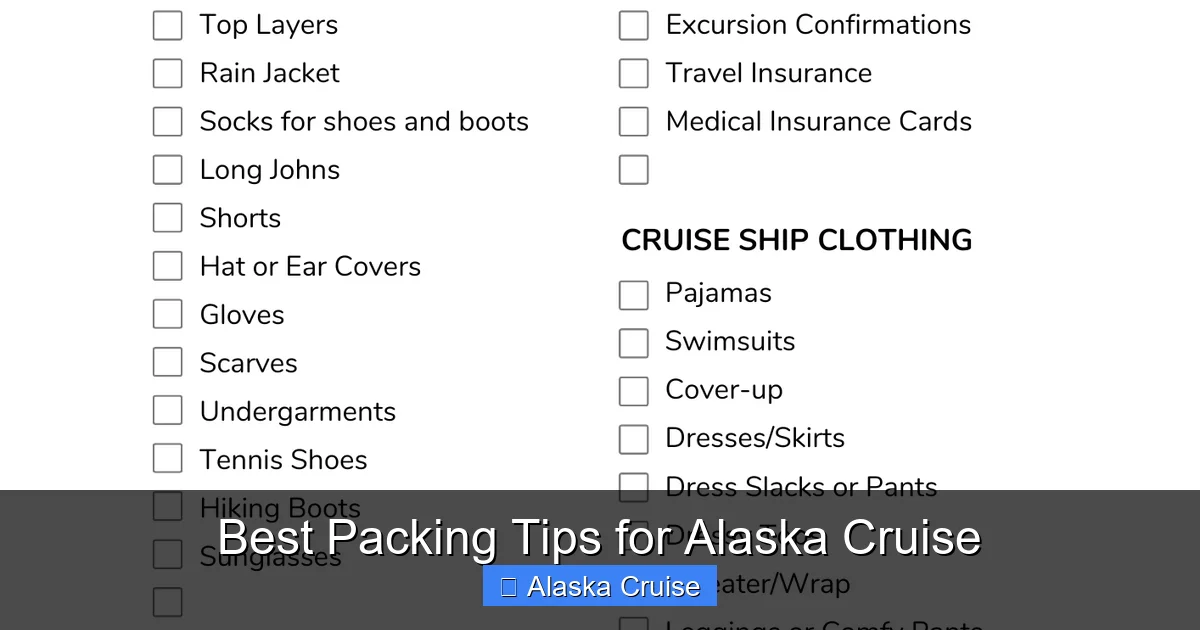
Packing for an Alaska cruise requires smart preparation for unpredictable weather and diverse activities. From layering essentials to waterproof gear, this guide covers everything you need to stay comfortable and enjoy every moment.
Key Takeaways
- Layer clothing for changing weather: Alaska’s climate shifts quickly, so pack base, mid, and outer layers to stay warm and dry.
- Waterproof outerwear is a must: A high-quality rain jacket and waterproof pants protect against frequent drizzle and mist.
- Pack comfortable, non-slip footwear: Deck surfaces can be wet and slippery—choose shoes with good traction.
- Bring binoculars and a camera: Wildlife and scenic views are abundant; don’t miss a moment.
- Include motion sickness remedies: Even in calm waters, some passengers feel queasy—be prepared.
- Don’t forget travel documents and medications: Keep passports, cruise cards, and prescriptions easily accessible.
- Use packing cubes and a carry-on: Stay organized and ensure essentials are on hand during embarkation.
📑 Table of Contents
- Introduction: Why Packing Smart for an Alaska Cruise Matters
- Understanding Alaska’s Weather: What to Expect
- Clothing Essentials: Dress for Comfort and Function
- Footwear: Traction, Comfort, and Dry Feet
- Accessories and Gear: Don’t Forget the Extras
- Health and Safety: Be Prepared for the Unexpected
- Travel Documents and Electronics
- What Not to Pack: Avoid Common Mistakes
- Final Tips for a Smooth Packing Experience
- Conclusion: Enjoy Every Moment of Your Alaska Adventure
Introduction: Why Packing Smart for an Alaska Cruise Matters
An Alaska cruise is one of the most breathtaking travel experiences you can have. From towering glaciers and snow-capped mountains to playful whales and curious bears, the Last Frontier offers natural wonders at every turn. But unlike tropical getaways, Alaska demands thoughtful preparation—especially when it comes to packing. The weather can shift from sunny and mild to chilly and rainy in a matter of minutes, and shore excursions often involve hiking, kayaking, or wildlife tours. That’s why knowing the best packing tips for Alaska cruise adventures is essential for a smooth, enjoyable journey.
Many first-time cruisers make the mistake of packing like they’re heading to the Caribbean—light shirts, sandals, and sunscreen. While sun protection is still important, Alaska requires a completely different approach. The key is versatility. You’ll need gear that keeps you warm, dry, and comfortable whether you’re sipping hot cocoa on the deck, exploring a rainforest trail, or watching ice calve from a glacier. This guide will walk you through everything you need—from clothing and footwear to electronics and personal items—so you can focus on the adventure, not the discomfort.
Understanding Alaska’s Weather: What to Expect
Before you start packing, it’s crucial to understand Alaska’s unique climate. Unlike other cruise destinations, Alaska doesn’t have a single “cruise season” weather pattern. Temperatures can range from the 40s to the 70s Fahrenheit (4–21°C), depending on the time of year and your itinerary. Summer months (May through September) are the most popular for cruising, but even then, weather varies widely by region and day.
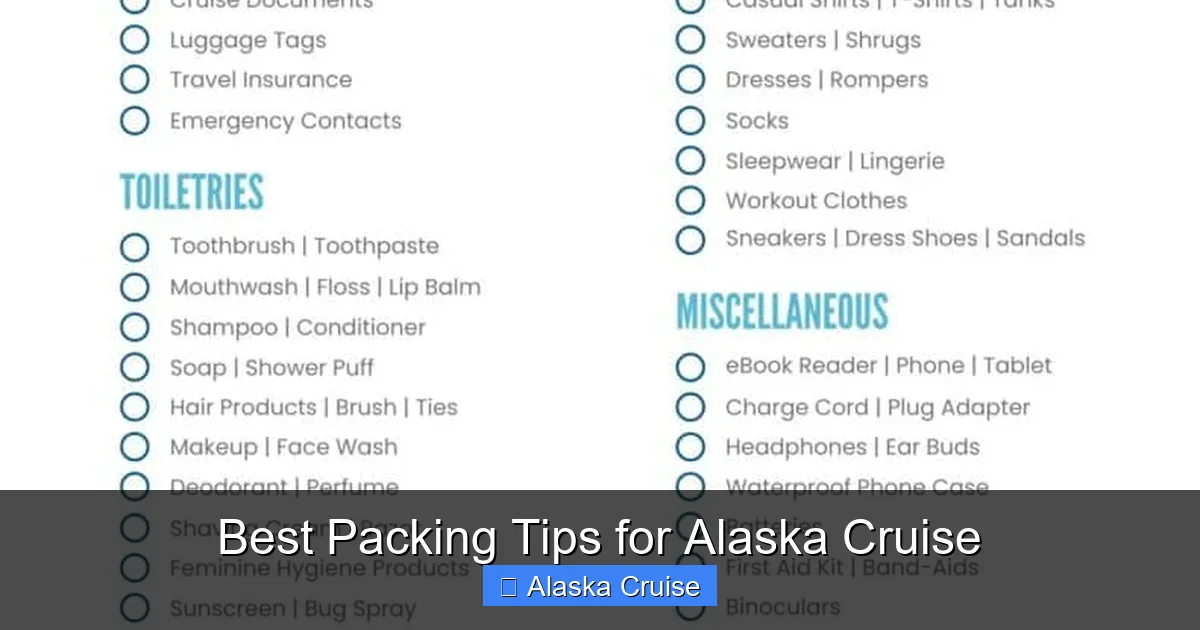
Visual guide about Best Packing Tips for Alaska Cruise
Image source: addalittleadventure.com
Coastal vs. Inland Temperatures
Most Alaska cruises sail along the Inside Passage, hugging the coastline of southeastern Alaska. This area is influenced by the Pacific Ocean, which keeps temperatures relatively mild but also brings frequent rain and overcast skies. Towns like Juneau, Ketchikan, and Skagway may feel cool and damp, even in July. In contrast, interior regions like Denali (often visited on pre- or post-cruise extensions) can be much warmer during the day but drop significantly at night.
Microclimates and Rapid Changes
One of the biggest challenges for travelers is Alaska’s microclimates. You might start your morning in sunny Sitka, only to arrive in misty, 50-degree rain in Haines by afternoon. Glaciers, mountains, and ocean currents create localized weather patterns that can change within hours. This unpredictability means you can’t rely on a single outfit or layering strategy. Instead, adopt a “dress in layers” mindset and always carry a rain jacket, even if the forecast looks clear.
Wind and Water Exposure
Wind is another factor often overlooked. Being on a ship or near open water increases wind chill, making it feel colder than the actual temperature. Additionally, mist from waterfalls, glacier spray, and ocean spray can leave you damp even without rain. This is why waterproof and wind-resistant outer layers are non-negotiable. A simple cotton hoodie won’t cut it—opt for technical fabrics designed for outdoor conditions.
Clothing Essentials: Dress for Comfort and Function
When it comes to clothing, think function over fashion. You’ll be moving between the ship, shore excursions, and possibly hiking trails, so comfort and practicality are key. The best approach is layering—this allows you to adapt to changing conditions without overpacking.
Base Layers: Stay Dry and Warm
Start with a good base layer made from moisture-wicking fabric like merino wool or synthetic blends. Avoid cotton, which retains moisture and can leave you cold and clammy. Thermal tops and leggings are ideal for cooler days or early morning deck walks. For women, consider a lightweight merino wool tank or long-sleeve top. Men can opt for a fitted thermal shirt. These layers should fit snugly but not restrict movement.
Mid Layers: Insulation When You Need It
Mid layers provide insulation and can be added or removed as needed. A fleece pullover, lightweight down vest, or synthetic insulated jacket works well. Down is warm but loses insulation when wet, so synthetic options like PrimaLoft are better for damp conditions. A zip-up fleece is versatile—easy to take off during indoor activities or when the sun comes out.
Outer Layers: Waterproof and Windproof Protection
Your outer layer is your first line of defense against rain, wind, and spray. Invest in a high-quality waterproof and breathable rain jacket with a hood. Look for features like taped seams, adjustable cuffs, and pit zips for ventilation. Pair it with waterproof pants if you plan on doing active shore excursions like hiking or zodiac tours. Many cruisers swear by brands like Patagonia, Columbia, or The North Face, but even budget-friendly options from REI or Decathlon can perform well if they’re truly waterproof.
Bottoms: Comfortable and Practical
Pack a mix of pants suitable for different activities. Quick-dry hiking pants are great for shore excursions—they’re lightweight, resist wrinkles, and dry fast if they get wet. Jeans are comfortable but take forever to dry, so limit them to one pair for casual evenings on the ship. Leggings or thermal tights can be worn under pants for extra warmth. Don’t forget a pair of warm pajamas—cabins can get chilly at night.
Tops and Casual Wear
Bring a few long-sleeve shirts, sweaters, and casual tops for indoor dining and lounging. A mix of cotton and synthetic blends works well. Include a few dressier options if your cruise has formal nights, but keep them simple—Alaska cruises tend to be more relaxed. A lightweight scarf or neck gaiter adds warmth and can double as a blanket during outdoor viewing.
Footwear: Traction, Comfort, and Dry Feet
Your feet will thank you if you pack the right shoes. Alaska’s terrain is uneven, and decks can be slippery. Comfort and grip are more important than style.
Waterproof Hiking Shoes or Boots
A sturdy pair of waterproof hiking shoes is essential for shore excursions. Look for models with aggressive treads and good ankle support. Brands like Merrell, Salomon, and Keen offer excellent options. Break them in before your trip to avoid blisters. If you’re not a hiker, a pair of waterproof trail runners can work just as well.
Non-Slip Deck Shoes
For walking around the ship, especially on wet decks, bring a pair of non-slip shoes. Many cruisers wear boat shoes, rubber-soled sneakers, or even grippy water shoes. Avoid smooth-soled dress shoes—they’re dangerous on wet surfaces. Some ships even recommend or require non-slip footwear in certain areas.
Indoor Slippers or Comfortable Flats
After a long day of exploring, you’ll appreciate a pair of soft slippers or lightweight flats for lounging in your cabin. These are also useful for early morning coffee on the balcony or late-night trips to the buffet. Pack something that’s easy to slip on and off.
Water Shoes (Optional but Helpful)
If your itinerary includes beach walks, kayaking, or visiting hot springs, consider packing water shoes. They protect your feet from sharp rocks, cold water, and slippery surfaces. They’re also great for pool or hot tub areas on the ship.
Accessories and Gear: Don’t Forget the Extras
Beyond clothing and shoes, several accessories can make your Alaska cruise more comfortable and enjoyable. These small items often make a big difference.
Binoculars: Get Closer to Wildlife
Alaska is a wildlife paradise, but animals like whales, bears, and eagles are often far from shore. A good pair of compact binoculars (8×42 or 10×42) lets you see details without disturbing the animals. Look for waterproof and fog-proof models—moisture is common in Alaska. Many ships offer binocular rentals, but having your own ensures you always have them when needed.
Camera and Extra Batteries
You’ll want to capture glaciers, fjords, and wildlife, so bring a camera with a good zoom lens. Smartphones work too, but a dedicated camera performs better in low light and distant shots. Don’t forget extra batteries or a portable charger—cold weather drains power faster. A waterproof phone case or dry bag is also wise for protection.
Sunglasses and Sun Protection
Even on cloudy days, UV rays are strong, especially near water and snow. Polarized sunglasses reduce glare and protect your eyes. Bring a wide-brimmed hat or cap for sun and light rain. Sunscreen is still important—apply it before outdoor activities, even if it doesn’t feel sunny.
Gloves and Warm Hat
Early mornings and glacier viewing can be chilly. Pack a pair of lightweight gloves—waterproof ones are best. A warm beanie or fleece hat is essential for keeping heat in. Consider a neck gaiter or balaclava for extra warmth during zodiac tours or helicopter rides.
Reusable Water Bottle and Snacks
Stay hydrated with a reusable water bottle. Many ships have refill stations, and it’s eco-friendly. Pack a few non-perishable snacks like granola bars or nuts for excursions—some remote areas have limited food options.
Packing Cubes and Organizers
Keep your suitcase tidy with packing cubes. They help separate clothing types and make unpacking easier. A small toiletry bag with a hook is useful for shared bathrooms. A foldable daypack is perfect for shore excursions—lightweight and easy to stow.
Health and Safety: Be Prepared for the Unexpected
Alaska’s remote locations mean medical help may not be immediately available. Being prepared can prevent small issues from becoming big problems.
Motion Sickness Remedies
Even in calm waters, some people feel queasy. Bring motion sickness bands, ginger candies, or over-the-counter medications like Dramamine. Start taking them before you feel sick—prevention works better than treatment. If you’re prone to seasickness, sit in the middle of the ship where motion is less pronounced.
First Aid Kit
Pack a small first aid kit with band-aids, antiseptic wipes, blister pads, and pain relievers. Include any personal medications in their original containers. Keep a copy of prescriptions in case you need refills.
Insect Repellent
Mosquitoes and black flies can be abundant in summer, especially in forested areas. Bring a DEET-based or natural repellent. Permethrin-treated clothing offers long-lasting protection.
Hand Sanitizer and Wet Wipes
These are useful after touching railings, door handles, or shared equipment. They’re also handy when soap and water aren’t available during excursions.
Travel Documents and Electronics
Don’t let paperwork or dead batteries ruin your trip. Keep important items organized and accessible.
Passport and Cruise Documents
Even if your cruise doesn’t leave U.S. waters, a passport is recommended. Keep it in a secure, waterproof pouch. Print copies of your cruise itinerary, boarding passes, and travel insurance. Store digital copies on your phone or cloud storage.
Power Adapters and Chargers
Ship cabins have limited outlets, so bring a power strip or multi-port USB charger. If you’re traveling from outside the U.S., check voltage requirements. Most ships use 110V, but some outlets may be 220V.
Entertainment and Reading Material
Wi-Fi at sea can be slow or expensive. Download movies, books, or podcasts beforehand. A lightweight e-reader is perfect for long sea days. Don’t forget headphones—noise-canceling ones are great for quiet relaxation.
What Not to Pack: Avoid Common Mistakes
Overpacking is a common issue. Stick to essentials and avoid these pitfalls:
- Heavy winter coats: Unless you’re visiting in spring or early fall, a heavy parka is overkill. Layering is more effective.
- Too many shoes: Limit to 2–3 pairs. One for hiking, one for the ship, and one casual pair.
- Cotton clothing: It holds moisture and takes forever to dry.
- Excessive jewelry or valuables: Keep them secure or leave them at home.
- Large bottles of toiletries: Use travel-sized containers. Most ships provide basics.
Final Tips for a Smooth Packing Experience
Start packing a week in advance. Make a checklist and tick off items as you go. Roll clothes instead of folding to save space and reduce wrinkles. Use compression bags for bulky items like jackets. Label your luggage and keep a photo of your suitcase in case it gets lost.
Most importantly, pack with flexibility in mind. Alaska rewards those who are prepared but also open to spontaneity. With the right gear, you’ll be ready for anything—from a sunny day in Glacier Bay to a rainy hike in Tongass National Forest.
Conclusion: Enjoy Every Moment of Your Alaska Adventure
Packing for an Alaska cruise doesn’t have to be stressful. By focusing on layers, waterproof gear, and practical accessories, you’ll stay comfortable and ready for whatever the journey brings. Remember, the goal isn’t to pack everything—it’s to pack smart. With these best packing tips for Alaska cruise travelers, you’ll be well-equipped to enjoy the stunning scenery, incredible wildlife, and unforgettable experiences that await. So zip up that suitcase, double-check your list, and get ready for the adventure of a lifetime.
Frequently Asked Questions
What should I wear on an Alaska cruise?
Wear layered clothing with a moisture-wicking base layer, insulating mid-layer, and waterproof outer layer. Avoid cotton and opt for quick-dry, breathable fabrics. Comfortable, non-slip footwear is essential.
Do I need a passport for an Alaska cruise?
While not always required for closed-loop cruises (starting and ending in the U.S.), a passport is highly recommended in case of emergencies or unexpected itinerary changes.
Is it cold on an Alaska cruise?
Temperatures vary, but most days range from 50–70°F (10–21°C). Mornings and glacier viewing can be chilly, so pack warm layers and a waterproof jacket.
Can I do laundry on the ship?
Most cruise ships offer laundry services for a fee, but self-service machines are rare. Pack enough clothes or plan to hand-wash small items in your cabin sink.
What kind of shoes should I bring?
Bring waterproof hiking shoes for excursions, non-slip deck shoes for the ship, and comfortable indoor slippers. Avoid smooth-soled dress shoes.
Should I pack formal wear?
Some cruises have formal nights, but Alaska itineraries are generally casual. Pack one or two dressier outfits if needed, but prioritize comfort and practicality.