
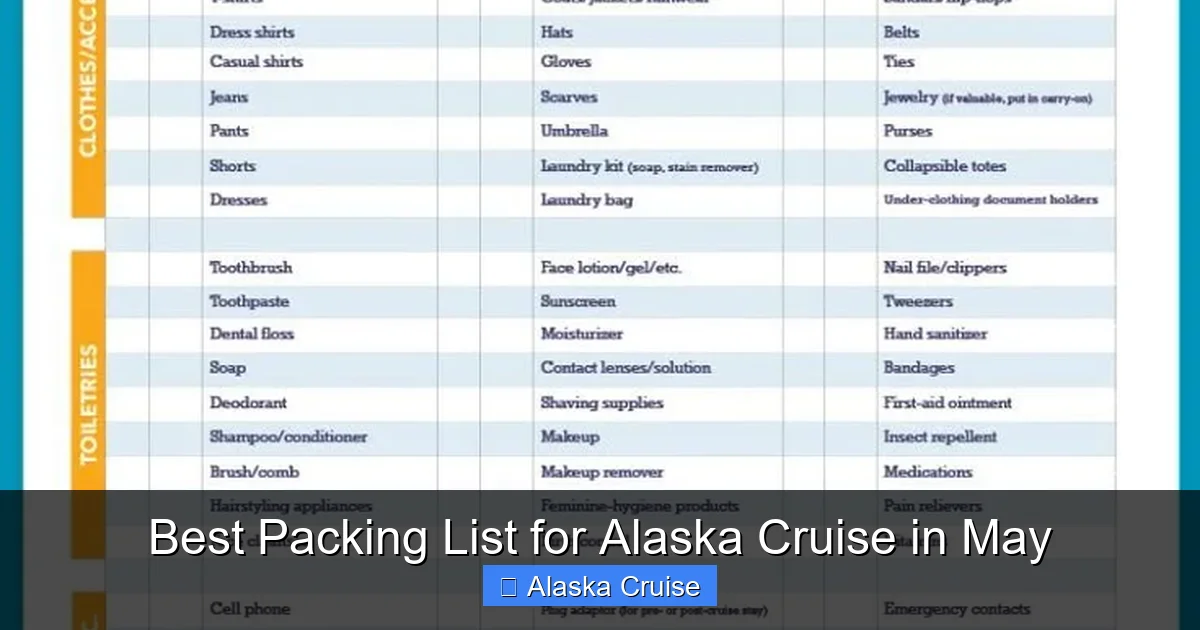
Packing for an Alaska cruise in May requires smart layering, waterproof protection, and versatile gear. With unpredictable weather and outdoor excursions, being prepared ensures comfort and enjoyment from glacier views to wildlife spotting.
Key Takeaways
- Layering is essential: May weather in Alaska ranges from 30°F to 60°F, so pack base, mid, and outer layers for flexibility.
- Waterproof outerwear is non-negotiable: Rain and mist are common; bring a high-quality rain jacket and waterproof pants.
- Footwear matters: Waterproof hiking boots and comfortable walking shoes are crucial for shore excursions and deck walks.
- Don’t forget eye and sun protection: Glare off snow and water can be intense—pack sunglasses, sunscreen, and lip balm with SPF.
- Bring binoculars and a camera: Wildlife and scenic views are abundant; enhance your experience with the right gear.
- Pack for both casual and formal nights: Most cruises have themed dining nights; include one dressy outfit.
- Prepare for limited laundry access: Plan for 7–10 days of wear with quick-dry, odor-resistant clothing.
📑 Table of Contents
- Why May Is a Great Time for an Alaska Cruise
- Understanding Alaska’s May Weather: What to Expect
- Essential Clothing: The Art of Layering
- Footwear: Traction, Comfort, and Water Resistance
- Accessories and Gear: Small Items, Big Impact
- Packing for Onboard and Shore Excursions
- Final Tips for a Stress-Free Packing Experience
Why May Is a Great Time for an Alaska Cruise
May marks the beginning of Alaska’s cruise season, offering a unique blend of spring awakening and summer promise. The days are getting longer—by late May, you’ll enjoy up to 18 hours of daylight—giving you ample time to explore glaciers, fjords, and coastal towns. Wildlife is especially active: bears emerge from hibernation, whales begin their migration, and birds return to nest. It’s a magical time to witness nature in transition.
But don’t let the beauty fool you—May weather in Alaska is famously unpredictable. Temperatures can swing from chilly mornings near freezing to pleasantly warm afternoons in the 50s or even low 60s. Rain showers are common, and coastal areas often experience fog and mist. This means your packing strategy must prioritize adaptability. You’ll want clothes that can handle a morning glacier tour in a light jacket and transition seamlessly to a sunny afternoon stroll through Juneau or Ketchikan.
The good news? Crowds are smaller than in peak summer months, so you’ll enjoy more intimate wildlife encounters and shorter lines at popular attractions. Plus, many cruise lines offer special May itineraries with added perks like naturalist guides or exclusive shore excursions. With the right packing list, you’ll be ready to embrace every moment—rain or shine.
Understanding Alaska’s May Weather: What to Expect
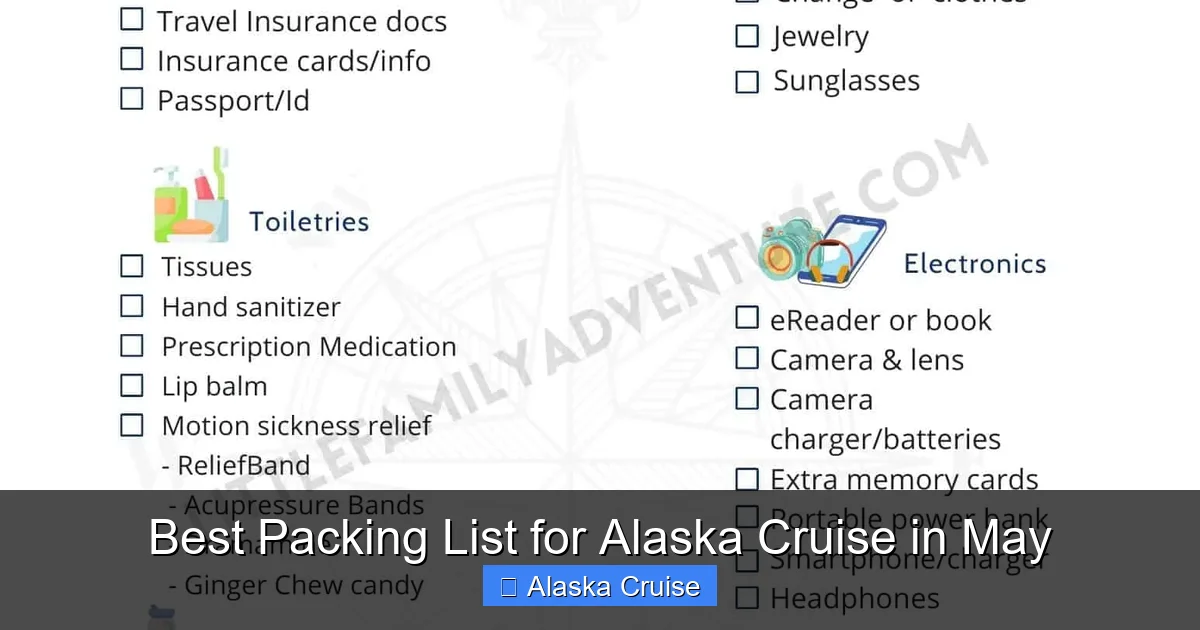
Visual guide about Best Packing List for Alaska Cruise in May
Image source: littlefamilyadventure.com
Before you start packing, it’s important to understand what kind of weather you’ll face during an Alaska cruise in May. Coastal regions like Juneau, Skagway, and Ketchikan typically see average highs between 50°F and 60°F, with lows dipping into the 30s and 40s. Interior areas and higher elevations can be cooler, especially near glaciers and mountain passes. Rainfall is frequent, particularly in the southeast, so expect damp conditions even on partly cloudy days.
One of the biggest surprises for first-time Alaska cruisers is the variability. You might experience sunshine, rain, wind, and even a light snow flurry—all in the same day. This is why layering is your best friend. Instead of packing heavy sweaters or bulky coats, focus on lightweight, moisture-wicking base layers, insulating mid-layers like fleece, and a reliable waterproof outer shell.
Wind is another factor to consider. Coastal areas and open decks can be breezy, especially when the ship is moving. A windproof jacket or softshell layer can make a big difference in comfort. Also, don’t underestimate the power of the sun. Even on overcast days, UV rays reflect off snow and water, increasing your risk of sunburn. Pack sunscreen, sunglasses, and a wide-brimmed hat to stay protected.
Temperature Ranges by Region
Alaska is vast, and weather varies significantly by location. Southeast Alaska—where most cruise ports are located—tends to be milder and wetter. Juneau, for example, averages 48°F in May, with frequent rain. Skagway, slightly drier and windier, sees similar temperatures but with more sunshine. Ketchikan, known as the “Rainforest Capital of the World,” gets the most precipitation—so waterproof gear is a must.
If your itinerary includes glacier tours or inland excursions (like a trip to Denali or the Interior), prepare for colder conditions. Temperatures near glaciers can be 10–15 degrees cooler than in port cities, and wind chill can make it feel even colder. Always check your specific cruise route and plan accordingly.
Daylight and Its Impact on Packing
One of the joys of an Alaska cruise in May is the extended daylight. By mid-month, sunrise is around 4:30 a.m., and sunset isn’t until after 9:00 p.m. This means you’ll be active from early morning to late evening. Pack a sleep mask if you’re sensitive to light, and consider bringing a lightweight eye mask for naps during the day.
The long days also mean more time for excursions. Whether you’re whale watching, hiking, or exploring historic towns, you’ll want clothing that’s comfortable for all-day wear. Quick-dry fabrics are ideal, as they resist odors and dry fast if you get caught in a shower.
Essential Clothing: The Art of Layering
When it comes to packing for an Alaska cruise in May, layering is the golden rule. Think of your outfit as a system: base layer for moisture management, mid-layer for warmth, and outer layer for protection. This approach lets you adapt to changing conditions without overpacking.
Start with a moisture-wicking base layer. Avoid cotton—it retains moisture and can leave you cold and clammy. Instead, opt for synthetic fabrics like polyester or merino wool. Merino is especially great because it’s soft, odor-resistant, and naturally insulating. Pack at least two base layer tops and one or two bottoms (thermal leggings or long johns).
Next, add a mid-layer for warmth. Fleece jackets, lightweight down vests, or softshell pullovers work well. These can be easily removed if you warm up during a hike or indoor activity. A packable down jacket is also a smart addition—it’s lightweight, compressible, and provides excellent insulation when needed.
Your outer layer should be a high-quality waterproof and windproof jacket. Look for one with a hood, sealed seams, and breathable fabric (like Gore-Tex). This will be your go-to during rain, wind, or chilly mornings on deck. Waterproof pants are equally important, especially if you plan to do outdoor excursions like kayaking or glacier walks. Many travelers regret not bringing them—don’t be one of them!
Bottoms: Pants That Work Hard
For bottoms, pack a mix of comfortable, versatile options. Bring at least one pair of waterproof hiking pants—these are perfect for wet weather and rugged terrain. Quick-dry travel pants or convertible pants (zip-off legs) are also excellent choices. They’re lightweight, wrinkle-resistant, and can double as casual wear for dinner.
Jeans are okay for casual evenings, but avoid packing more than one pair. They take forever to dry and aren’t ideal for active days. Instead, focus on performance fabrics that dry quickly and resist odors. Leggings or thermal tights can be worn under pants for extra warmth on colder days.
Tops: Mix and Match for Maximum Use
For tops, aim for 5–7 versatile pieces. Include a mix of short-sleeve and long-sleeve shirts, all made from quick-dry materials. A few collared shirts or blouses can double as dinner wear. Pack one or two lightweight sweaters or cardigans for layering.
Don’t forget a warm hat and gloves. Even in May, mornings and evenings can be chilly, especially on deck or during early excursions. A fleece beanie and touchscreen-compatible gloves are practical and packable.
Footwear: Traction, Comfort, and Water Resistance
Your feet will thank you if you pack the right shoes. Alaska’s terrain is uneven—think wet docks, rocky trails, and slippery decks. Comfort and grip are non-negotiable.
Start with a pair of waterproof hiking boots. These are essential for shore excursions, especially if you’re planning to hike, kayak, or explore tide pools. Look for boots with good ankle support and deep treads. Break them in before your trip to avoid blisters.
Next, bring a pair of comfortable walking shoes or sneakers. These are perfect for casual days on the ship, exploring towns, or light walking tours. Choose something lightweight and breathable.
For evenings, pack a pair of dressier shoes—loafers, flats, or low heels. Most cruise lines have formal or semi-formal nights, and you’ll want something presentable for dinner. Avoid high heels—they’re impractical on uneven surfaces and can be slippery on decks.
Don’t forget a pair of water shoes or sandals with good grip. These are great for beach walks, hot tubs, or wet landings during Zodiac tours. Flip-flops are okay for the pool, but opt for something with better support if you plan to walk on rocky shores.
Socks: The Unsung Heroes
Socks are often overlooked, but they’re crucial for comfort. Pack moisture-wicking, cushioned socks—merino wool or synthetic blends are best. Bring at least one pair per day, plus extras for layering in cold weather. Consider bringing a few pairs of lightweight liner socks to wear under hiking socks for added warmth and blister prevention.
Accessories and Gear: Small Items, Big Impact
The right accessories can make or break your Alaska cruise experience. These small items enhance comfort, safety, and enjoyment—don’t leave home without them.
Start with a high-quality rain cover for your backpack or daypack. You’ll likely carry a bag for excursions, and a waterproof cover ensures your belongings stay dry. A compact, foldable daypack is also useful for carrying water, snacks, and extra layers.
Binoculars are a must. Alaska is a wildlife paradise—whales, sea lions, eagles, and bears are common sightings. A good pair of compact binoculars (8×42 or 10×42) lets you get up close without disturbing the animals. Look for waterproof and fog-proof models.
A reusable water bottle is eco-friendly and convenient. Most cruise ships have water stations, and staying hydrated is important, especially during active excursions. Choose an insulated bottle to keep drinks cold or hot.
Don’t forget a power bank. You’ll be using your phone for photos, maps, and communication, and outlets may be limited during shore days. A portable charger ensures you never run out of juice.
Sun and Eye Protection
Even in May, the sun in Alaska can be intense. Pack sunglasses with 100% UV protection—polarized lenses reduce glare off water and snow. A wide-brimmed hat or cap with a neck flap offers extra protection.
Sunscreen is essential. Use SPF 30 or higher, and reapply often, especially after swimming or sweating. Lip balm with SPF prevents chapped lips, which can be a problem in dry, windy conditions.
Tech and Entertainment
Bring a camera with extra batteries or a charger. While phones take great photos, a dedicated camera often performs better in low light and offers zoom capabilities for wildlife. A waterproof phone case or pouch is also smart—accidents happen near water.
If you enjoy reading or listening to music, load up your e-reader or tablet. Wi-Fi on ships can be slow and expensive, so download content in advance. Noise-canceling headphones are great for relaxing on deck or during long sea days.
Packing for Onboard and Shore Excursions
Your cruise will include a mix of time on the ship and time ashore. Packing smart means being ready for both.
Onboard, dress codes vary by cruise line. Most are casual during the day—think jeans, t-shirts, and sweaters. Evenings often have themed nights: casual, smart casual, and formal. Check your cruise line’s guidelines, but generally, one dressy outfit (a dress, slacks and button-down, or a nice jumpsuit) is enough.
Shore excursions are where preparation pays off. Whether you’re hiking in Tongass National Forest, taking a dog sledding tour on a glacier, or riding the White Pass Railway, you’ll need appropriate gear. Always check the excursion description for recommendations—some may provide rain gear or boots, but it’s safer to bring your own.
Pack a small to medium-sized suitcase or duffel bag. Soft-sided luggage is easier to store in cabins. Use packing cubes to organize clothes by category (tops, bottoms, underwear) and make unpacking a breeze.
What to Bring on Shore Days
On shore days, carry a daypack with essentials: water, snacks, sunscreen, hand sanitizer, a light jacket, and your camera. Include a small first-aid kit with band-aids, pain relievers, and any personal medications. A compact umbrella can be handy, though a rain jacket is usually more practical.
If you’re prone to motion sickness, bring seasickness remedies—patches, wristbands, or medication. Even calm waters can feel choppy, especially near glaciers.
Final Tips for a Stress-Free Packing Experience
Packing for an Alaska cruise in May doesn’t have to be overwhelming. Start early, make a list, and prioritize versatility. Roll clothes instead of folding to save space and reduce wrinkles. Wear your bulkiest items (like hiking boots and jacket) on travel days to free up suitcase space.
Check your cruise line’s baggage policy—some limit the number of bags or charge for excess weight. Most allow one or two checked bags and a carry-on.
Finally, leave room for souvenirs. You’ll likely want to bring home local crafts, smoked salmon, or artwork. Pack a foldable tote bag for extra storage on the return trip.
With the right packing list, you’ll be ready for anything Alaska throws your way—rain, shine, or glacier mist. Focus on comfort, protection, and adaptability, and you’ll enjoy every moment of your unforgettable cruise.
Frequently Asked Questions
What should I wear on an Alaska cruise in May?
Wear layered clothing with a moisture-wicking base, insulating mid-layer, and waterproof outer shell. Include comfortable, waterproof footwear and versatile tops that can transition from day to night.
Do I need waterproof pants for an Alaska cruise?
Yes, waterproof pants are highly recommended, especially for outdoor excursions. They protect against rain, wind, and wet conditions during hikes, kayaking, or glacier tours.
Can I do laundry on the cruise ship?
Most cruise ships offer paid laundry services, but they can be expensive. Pack enough clothes for 7–10 days or bring quick-dry, odor-resistant fabrics to minimize washing needs.
Is it cold on an Alaska cruise in May?
Temperatures range from 30°F to 60°F, with cooler conditions near glaciers. Mornings and evenings are chilly, so pack warm layers even if daytime feels mild.
Should I bring formal wear on an Alaska cruise?
Yes, most cruises have one or two formal nights. Pack one dressy outfit—such as a dress, slacks and blouse, or a suit—for elegant dining experiences.
What kind of shoes are best for Alaska shore excursions?
Waterproof hiking boots with good traction are ideal for uneven, wet terrain. Also bring comfortable walking shoes and water-resistant sandals for versatility.